🇪🇸 The spices of Spain
13 spices from Spain, best known first, across 10 cities, markets and growing areas.
Spanish cooking relies on the Mediterranean triad of wheat, grapes, and olives, with olive oil serving as the primary fat. Spices like saffron and paprika define regional identities, while tomatoes from the Americas form the base of many sauces.
- Spain is the world's largest producer of olive oil.
- Paella uses rice and saffron, introduced during Al-Andalus.
- Tomatoes and potatoes arrived from the Americas in 1492.
- Gazpacho is a cold soup made with chopped vegetables and bread.
- Tapas are small appetizers commonly served in bars and cafes.
Spice in Spain
The culinary traditions of Spain vary significantly across regions, generally falling into Mediterranean or Atlantic categories. The foundation rests on the Mediterranean triad: wheat, grapes, and olives. Historical layers include Roman staples, Arab introductions like rice and citrus, and American crops such as potatoes and tomatoes. This blend creates a diverse food culture where local ingredients dictate flavor profiles, moving away from a single national style toward distinct regional practices.
The spices of the kitchen
Saffron is a key spice, notably in paella, introduced during the Al-Andalus period. Paprika, derived from New World peppers, became essential after 1492. Garlic is widely used, often paired with parsley, oregano, rosemary, and thyme. Hot peppers and tomato sauce are considered strong condiments that color dishes. Black pepper is also noted in historical accounts of Spanish seasoning preferences.
Blends and pastes
Sofrito forms the base for many vegetable sauces, combining olive oil, garlic, and tomatoes. Escabeche is a preservation technique using vinegar, introduced by Moors. Ajo blanco is a cold soup legacy from Moorish cuisine. Almodrote originates from Sephardic Jewish recipes. These blends reflect the multicultural history, merging Arabic, Jewish, and Christian influences into everyday cooking bases.
Today
Modern Spanish cuisine balances tradition with international influences. Cookbooks like Simone Ortega's remain bestsellers, preserving recipes. Televised cooking shows started in 1984, shaping home cooking. The government has adjusted lunch breaks to align with work schedules. Migration and trade continue to introduce new ingredients. Protected names and regional pride maintain culinary distinctiveness against global homogenization.
The facts in this overview come from the Wikipedia article "Spanish cuisine", written by its contributors and used under the CC BY-SA 4.0 licence. EveryMasala rewrote the text in its own words, with AI assistance, and compares every page with the article to make sure no passage is copied. It may be reused under the same CC BY-SA 4.0 licence with a link back.
Spice cities and markets of Spain
 🇮🇳 India and 4 moreFennel
The anise-scented seeds and crisp bulb of a Mediterranean perennial herbSeed · Anise and liquorice · Sweet and mellow
🇮🇳 India and 4 moreFennel
The anise-scented seeds and crisp bulb of a Mediterranean perennial herbSeed · Anise and liquorice · Sweet and mellow
 🇮🇷 Iran and 4 moreSaffronزعفران
The dried crimson stigmas of the autumn-blooming saffron crocus.Stigma · Sharp and pungent · Bitter
🇮🇷 Iran and 4 moreSaffronزعفران
The dried crimson stigmas of the autumn-blooming saffron crocus.Stigma · Sharp and pungent · Bitter
 🇯🇵 Japan and 1 moreShishito pepper獅子唐辛子 (Shishitōgarashi)
A slender East Asian chili that is mostly mild with occasional spicy surprises.Sweet and mellow · Hot and fiery
🇯🇵 Japan and 1 moreShishito pepper獅子唐辛子 (Shishitōgarashi)
A slender East Asian chili that is mostly mild with occasional spicy surprises.Sweet and mellow · Hot and fiery
 🇪🇸 SpainChoricero pepperspimiento choricero
A dried red pepper from Spain used to make rich stews and sauces.Chilli · Sweet and mellow · Smoky
🇪🇸 SpainChoricero pepperspimiento choricero
A dried red pepper from Spain used to make rich stews and sauces.Chilli · Sweet and mellow · Smoky
 🇲🇽 Mexico and 5 morePaprika
A red powder made from dried Capsicum annuum peppers, used to colour and flavour dishes across Europe and the Middle EasSeed · Sweet and mellow · Hot and fiery
🇲🇽 Mexico and 5 morePaprika
A red powder made from dried Capsicum annuum peppers, used to colour and flavour dishes across Europe and the Middle EasSeed · Sweet and mellow · Hot and fiery
 🇲🇽 Mexico and 5 moreJalapeño
A medium-sized Capsicum annuum cultivar from Mexico known for its green pods and moderate heat.Chilli · Hot and fiery · Earthy and deep
🇲🇽 Mexico and 5 moreJalapeño
A medium-sized Capsicum annuum cultivar from Mexico known for its green pods and moderate heat.Chilli · Hot and fiery · Earthy and deep
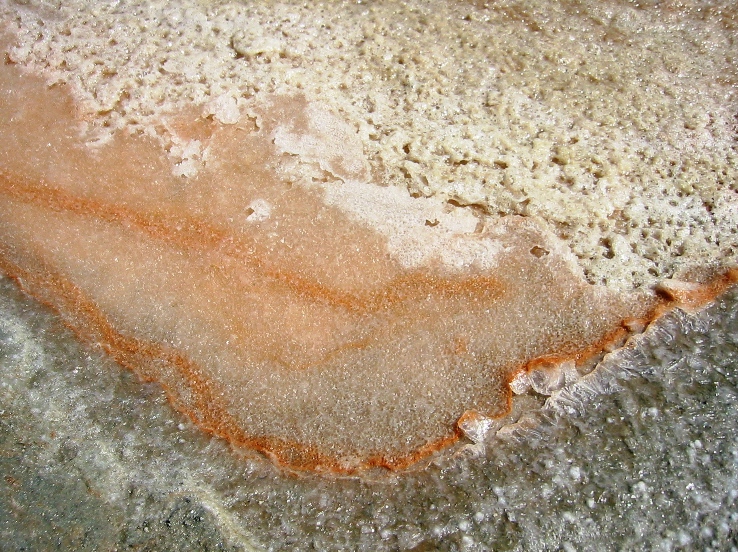 🇫🇷 France and 5 moreFleur de sel
A hand-raked crust of sea salt crystals gathered from evaporation pans.Earthy and deep
🇫🇷 France and 5 moreFleur de sel
A hand-raked crust of sea salt crystals gathered from evaporation pans.Earthy and deep
 🇹🇷 Turkey and 5 moreBay Laurelδάφνη
The dried leaf of a Mediterranean evergreen, used to infuse slow-cooked dishes with herbal depth.Sharp and pungent · Bitter
🇹🇷 Turkey and 5 moreBay Laurelδάφνη
The dried leaf of a Mediterranean evergreen, used to infuse slow-cooked dishes with herbal depth.Sharp and pungent · Bitter
 🇵🇹 Portugal and 4 moreRosemary
A fragrant Mediterranean shrub with needle-like leaves used for seasoning and remembranceHerbal and green
🇵🇹 Portugal and 4 moreRosemary
A fragrant Mediterranean shrub with needle-like leaves used for seasoning and remembranceHerbal and green
 🇪🇸 SpainPiquillo pepperpimientos del piquillo
A sweet, mild red chili cultivar from Northern Spain, prized for its thick flesh and gentle heat.Chilli · Sweet and mellow · Warm and sweet-spiced
🇪🇸 SpainPiquillo pepperpimientos del piquillo
A sweet, mild red chili cultivar from Northern Spain, prized for its thick flesh and gentle heat.Chilli · Sweet and mellow · Warm and sweet-spiced
 🇪🇸 Spain and 4 moreCaper
The pickled flower buds of a drought-tolerant Mediterranean shrub.Flower · Sharp and pungent · Sour and tart
🇪🇸 Spain and 4 moreCaper
The pickled flower buds of a drought-tolerant Mediterranean shrub.Flower · Sharp and pungent · Sour and tart
 🇪🇸 SpainPaprika Tap de CortíPimentón de Mallorca
A sweet, sun-dried ground pepper from the Balearic Islands, prized for its deep red colour and antioxidant properties.Seed · Sweet and mellow · Earthy and deep
🇲🇽 Mexico and 5 moreJalapeño
A medium-sized Capsicum annuum cultivar from Mexico known for its green pods and moderate heat.Chilli · Hot and fiery · Earthy and deep
🇪🇸 SpainPaprika Tap de CortíPimentón de Mallorca
A sweet, sun-dried ground pepper from the Balearic Islands, prized for its deep red colour and antioxidant properties.Seed · Sweet and mellow · Earthy and deep
🇲🇽 Mexico and 5 moreJalapeño
A medium-sized Capsicum annuum cultivar from Mexico known for its green pods and moderate heat.Chilli · Hot and fiery · Earthy and deep
Photo credits on this page
The small pictures above come from Wikimedia Commons under free licences. Some are cropped to fit.
- Paprika: Takkk, CC BY-SA 3.0, source
- Fleur de sel: Fleur de Sel sea salt. Ile de Re 2005, personal photograph., CC BY-SA 3.0, source
- Jalapeño: Unknown author, CC BY-SA 3.0, source
- Caper: IssamBarhoumi, CC BY-SA 4.0, source
- Piquillo pepper: sindändùne -, CC BY-SA 2.0, source
- Shishito pepper: Sotaque, CC0, source
- Choricero peppers: Tamorlan, CC BY-SA 3.0, source
- Paprika Tap de Cortí: Berin, CC BY 3.0, source
- Rosemary: Miguel Angel Masegosa Martínez, CC BY 2.0, source
- Saffron: Hubertl, CC BY-SA 4.0, source
- Fennel: Elekes Andor, CC BY 4.0, source
- Bay Laurel: Forest and Kim Starr, CC BY 3.0 us, source
The weekly digest
Every Monday: seven spices you may not know, what is cooking this week, and one blend explained step by step.