
Piquillo pepper
In its own language: pimientos del piquillo
Capsicum annuum ‘Piquillo’
A sweet, mild red chili cultivar from Northern Spain, prized for its thick flesh and gentle heat.
This Spanish chili cultivar is a small, sweet fruit with virtually no heat. It originates from the Lodosa region in Northern Spain and is celebrated for its thick walls, which make it ideal for roasting and stuffing.
- Named for its 'little beak' shape in Spanish.
- Grown primarily near Lodosa in Northern Spain.
- Roasted over embers to enhance sweetness.
- Often stuffed with meat, seafood, or cheese.
- High in vitamin C, similar to citrus fruits.
What is Piquillo pepper?
The piquillo is a specific cultivar of chili pepper native to Spain. Its name translates to 'little beak,' describing the fruit's shape. These peppers are small, typically reaching about seven centimeters in length. They possess notably thick walls, a trait that distinguishes them from many thinner-skinned varieties. The flavor profile is predominantly sweet, with a texture that closely resembles that of a bell pepper rather than a hot chili. While they belong to the chili family, their heat level is minimal, making them accessible to those who prefer milder flavors.
Where does Piquillo pepper come from?
This variety is indigenous to Northern Spain, specifically cultivated in the area surrounding the town of Lodosa. The plant thrives in this regional climate, often growing productively even in container gardens. The cultivar has earned a Protected Designation of Origin status, recognizing its deep ties to this specific geographic location. The name itself derives from the Spanish word for a small beak or peak, referring to the distinctive shape of the ripe fruit.
What does Piquillo pepper taste like?
The taste is defined by its sweetness and lack of significant spice. Roasting over embers enhances this natural sugar content, creating a rich, smoky depth that mimics the flavor of roasted bell peppers more than traditional hot chilies. The thick flesh absorbs marinades well, particularly when combined with salt, black pepper, and olive oil. This preparation method highlights the fruit's savory qualities without introducing any burning sensation.
How Piquillo pepper is grown and processed
Cultivation is centered around Lodosa in Northern Spain. Harvesting occurs during two distinct seasons, spanning from September through December. Farmers hand-pick the mature fruits to ensure quality. After harvesting, the peppers undergo a traditional processing method: they are roasted directly over hot embers. Once roasted, the skins are peeled off, and the fruits are grilled on a bar before being deseeded by hand. This careful handling preserves the integrity of the thick flesh.
Piquillo pepper, drawn
How Piquillo pepper is used
These peppers are frequently prepared whole and stuffed. Common fillings include meat, seafood, or cheese, creating a substantial appetizer. They are widely served as tapas throughout Spain, offering a versatile base for various culinary creations. The roasted and marinated versions are also packed into jars or tins for preservation, allowing the flavor to be enjoyed year-round. Their sturdy structure makes them ideal for holding fillings without breaking apart.
Piquillo pepper in the world's kitchens
Spanish cuisine relies heavily on this cultivar, particularly in the northern regions. The preparation methods, such as roasting over embers and stuffing with local ingredients like seafood or cheese, reflect traditional Spanish cooking techniques. The use of olive oil and simple seasonings underscores the Mediterranean influence on how these peppers are treated.
At a glance: where it turns up
Cuisines
Traditional and medicinal use
Beyond their culinary role, piquillo peppers are noted for their nutritional value. They contain high levels of dietary fiber and several vitamins, including C, E, A, and B. The vitamin C content is particularly abundant, comparable to that found in citrus fruits. These health benefits are part of the traditional understanding of the pepper's value.
Buying and storing Piquillo pepper
After processing, the peppers are typically packed into jars or tins. This method preserves the roasted flavor and allows for long-term storage. The marination in oil helps maintain moisture and prevents spoilage.
The trade in Piquillo pepper
The piquillo pepper holds a Protected Designation of Origin certification, which regulates its production and trade. This status ensures that only peppers grown in the designated areas of Northern Spain can carry the name. The strict guidelines protect the authenticity of the product and support local farmers who adhere to traditional growing and processing methods.
Meal
They are a staple of Spanish tapas culture, often appearing as snacks or light meals in social settings. The stuffed variety serves as a popular street food or bar snack. Because of their rich flavor and substantial filling, they can function as a satisfying lunch component or an elegant dinner starter.
Questions people ask about Piquillo pepper
Where do Piquillo peppers come from?
They originate from Northern Spain, specifically the area around Lodosa. This region provides the ideal conditions for growing this unique cultivar.
How spicy are Piquillo peppers?
They have very little to no heat. Their flavor is sweet and mild, resembling bell peppers more than hot chilies.
What do Piquillo peppers taste like?
When roasted over embers, they develop a distinct sweet and smoky flavor. The thick flesh adds a rich texture to dishes.
How are Piquillo peppers traditionally used?
They are often stuffed with ingredients like meat, seafood, or cheese. They are commonly served as tapas across Spain.
Good reading and sources
- Piquillo pepper on WikipediaEncyclopedia
- More photos on Wikimedia CommonsPhotos and video
- Wikidata recordOpen data
The facts on this page come from the Wikipedia article "Piquillo pepper", written by its contributors and used under the CC BY-SA 4.0 licence, and from its Wikidata record (CC0). EveryMasala rewrote the text in its own words, with AI assistance, and compares every page with the article to make sure no passage is copied. It may be reused under the same CC BY-SA 4.0 licence with a link back.
It may contain mistakes. Names, strengths and customs differ from one grower, kitchen or shop to the next. Traditional and medicinal uses are described as tradition, never as medical advice, and none of this is a substitute for a doctor. If something is wrong, tell us. Last refreshed 2026-10-04.
More from Spain
All the spices of Spain 🇪🇸 SpainChoricero pepperspimiento choricero
A dried red pepper from Spain used to make rich stews and sauces.Chilli · Sweet and mellow · Smoky
🇪🇸 SpainChoricero pepperspimiento choricero
A dried red pepper from Spain used to make rich stews and sauces.Chilli · Sweet and mellow · Smoky
 🇫🇷 France and 5 moreFleur de sel
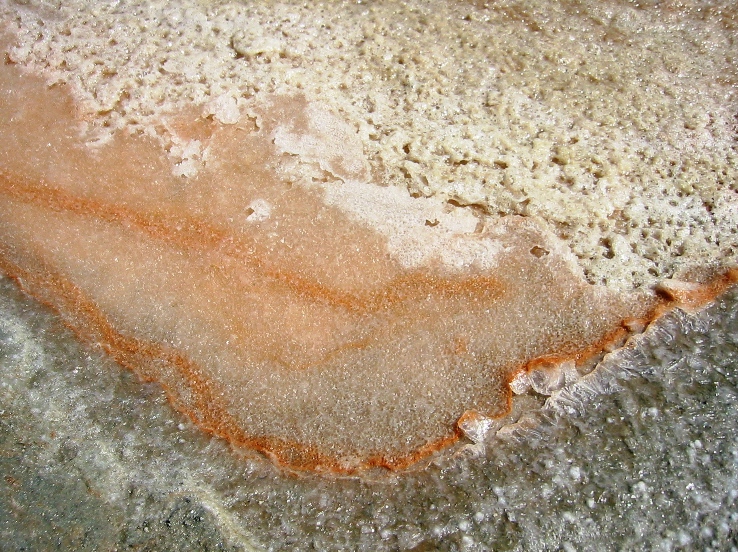
A hand-raked crust of sea salt crystals gathered from evaporation pans.Earthy and deep
🇫🇷 France and 5 moreFleur de sel
A hand-raked crust of sea salt crystals gathered from evaporation pans.Earthy and deep
 🇪🇸 SpainPaprika Tap de CortíPimentón de Mallorca
A sweet, sun-dried ground pepper from the Balearic Islands, prized for its deep red colour and antioxidant properties.Seed · Sweet and mellow · Earthy and deep
🇪🇸 SpainPaprika Tap de CortíPimentón de Mallorca
A sweet, sun-dried ground pepper from the Balearic Islands, prized for its deep red colour and antioxidant properties.Seed · Sweet and mellow · Earthy and deep
 🇲🇽 Mexico and 5 moreJalapeño
A medium-sized Capsicum annuum cultivar from Mexico known for its green pods and moderate heat.Chilli · Hot and fiery · Earthy and deep
🇲🇽 Mexico and 5 moreJalapeño
A medium-sized Capsicum annuum cultivar from Mexico known for its green pods and moderate heat.Chilli · Hot and fiery · Earthy and deep
Its cousins elsewhere
All chilli 🇮🇳 India and 4 moreFennel
The anise-scented seeds and crisp bulb of a Mediterranean perennial herbSeed · Anise and liquorice · Sweet and mellow
🇮🇳 India and 4 moreFennel
The anise-scented seeds and crisp bulb of a Mediterranean perennial herbSeed · Anise and liquorice · Sweet and mellow
 🇱🇰 Sri Lanka and 5 moreCinnamon
The dried inner bark of Cinnamomum trees, prized for its sweet warmth and essential oil.Bark · Warm and sweet-spiced · Sweet and mellow
🇱🇰 Sri Lanka and 5 moreCinnamon
The dried inner bark of Cinnamomum trees, prized for its sweet warmth and essential oil.Bark · Warm and sweet-spiced · Sweet and mellow
 🇮🇩 Indonesia and 3 moreNutmeg
The dried seed of a tropical evergreen tree, prized for its warm, pungent flavor.Seed · Warm and sweet-spiced · Sweet and mellow
🇮🇩 Indonesia and 3 moreNutmeg
The dried seed of a tropical evergreen tree, prized for its warm, pungent flavor.Seed · Warm and sweet-spiced · Sweet and mellow
 🇱🇰 Sri Lanka and 3 moreCeylon cinnamon
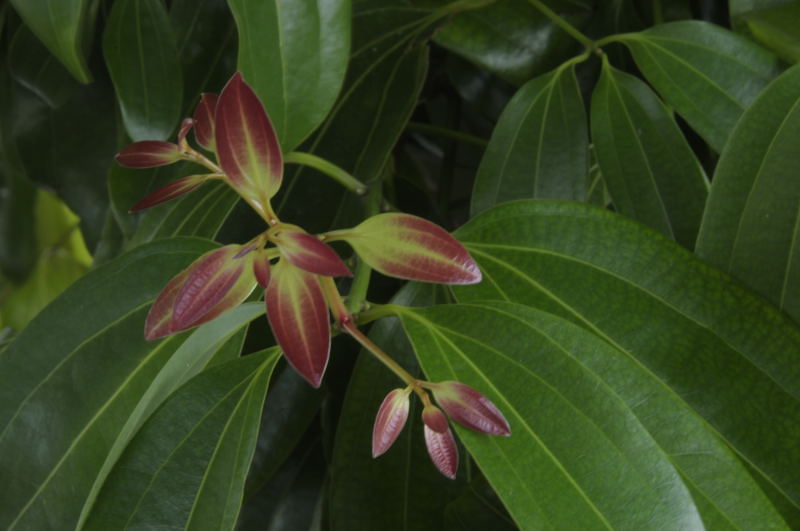
The inner bark of a Sri Lankan evergreen, prized for its delicate, sweet spice.Bark · Sweet and mellow · Warm and sweet-spiced
🇱🇰 Sri Lanka and 3 moreCeylon cinnamon
The inner bark of a Sri Lankan evergreen, prized for its delicate, sweet spice.Bark · Sweet and mellow · Warm and sweet-spiced