
Piri piri
Capsicum frutescens ‘Piri Piri’
A very hot African cultivar of Capsicum frutescens used for spicy sauces and marinades
Piri piri is a cultivar of the species Capsicum frutescens, originally developed from the malagueta pepper by Portuguese explorers in Southern Africa. It produces small, intensely hot fruits that are now grown across several African nations and Portugal.
- Heat reaches up to 175,000 Scoville units
- Developed from the malagueta pepper by Portuguese explorers
- Name comes from Bantu languages meaning pepper
- Commercially grown in Zambia, Malawi, and Zimbabwe
- Key ingredient in Southern African chicken marinades
What is Piri piri?
Piri piri refers to a specific cultivar of the plant Capsicum frutescens. It is widely recognized as the African Birds Eye chilli and traces its lineage back to the malagueta pepper. The plant itself is bushy, reaching heights between forty-five and one hundred twenty centimeters. Its leaves are narrow, while the fruits are small, tapered pods measuring up to three centimeters long. These pods change color as they ripen, starting as green immature fruit before turning into bright red or purple mature peppers. The name derives from Bantu languages, where words like pilipili in Swahili simply mean pepper.
Where does Piri piri come from?
The cultivar was created by Portuguese explorers during their expansion into Southern Africa. They developed it from the malagueta pepper within Portugal's former territories in the region. The word piri-piri likely originates from the Ronga language spoken in southern Mozambique. From these initial Southern African grounds, the plant spread to other domains controlled by the Portuguese Empire, establishing itself in various colonies and trading posts across the globe.
What does Piri piri taste like?
This spice is defined by intense heat rather than complex aromatic notes. The fruits contain capsaicin levels that can reach up to one hundred seventy-five thousand Scoville heat units. This places it firmly in the category of very hot peppers. The flavor profile is sharp and biting, providing a significant burn that dominates any other taste sensations. It is primarily valued for its ability to add severe spiciness to dishes rather than subtle floral or fruity undertones.
How Piri piri is grown and processed
Although descended from American plants, piri piri has grown wild in Africa for centuries. Today it is cultivated commercially in countries such as Zambia, Uganda, Malawi, Zimbabwe, and Rwanda. Major growing areas also include Ethiopia, Ghana, Nigeria, South Africa, Mozambique, and Portugal. The cultivation process is labor-intensive. Farmers grow the plants for both commercial food processing and use within the pharmaceutical industry, requiring careful management of the bushy plants to harvest the small pods.
Piri piri, drawn
How Piri piri is used
The peppers are most commonly processed into a sauce or used as a seasoning and marinade. Traditional recipes mix the chilies with garlic and an oily or acidic base. Additional ingredients often include salt, lemon, citrus peel, onion, and various herbs like basil, oregano, and tarragon. Some variations incorporate spirits like whisky or other spices such as paprika and bay leaves. The resulting mixture is used to coat meats or added directly to dishes for heat.
Piri piri in the world's kitchens
The spice is central to Portuguese and Southern African cuisines. In Portugal and former territories like Angola, Namibia, and Mozambique, it is a standard ingredient in home cooking and local restaurants. South Africa has adopted it heavily, using it in marinades for poultry. The United Kingdom also recognizes it due to the popularity of South African-style fast food. Regional variations exist, with some recipes focusing on table seasoning while others are designed specifically for cooking applications.
At a glance: where it turns up
By meal
Cuisines


Spiritual and ceremonial use
It is treated purely as a culinary ingredient without documented ritual significance.
Traditional and medicinal use
No traditional medicinal uses or folk medicine practices are described in the provided material.
What to use instead of Piri piri
However, it identifies the malagueta pepper as the ancestral plant from which the cultivar was developed. Other bird's-eye chili varieties are mentioned as having similar heat levels, suggesting they may be related or comparable in intensity.
The trade in Piri piri
The trade history begins with Portuguese explorers who developed the cultivar in Southern Africa. It then spread throughout the Portuguese Empire, moving between territories in Africa, Asia, and India. The first sauces were likely produced anywhere within this vast network of trade routes. Today, commercial cultivation supports global demand, with major production occurring in Southern African nations and Portugal. The spice has moved from imperial trade goods to a popular condiment in Western markets.
Meal
Piri piri is frequently associated with dinner and snack contexts. It is a staple in Southern African cuisine, particularly in South Africa, where it gained international fame through restaurant chains serving grilled chicken. The sauce serves as a condiment for hearty meals, adding heat to roasted or grilled proteins. It is also consumed as part of street food culture and casual dining experiences where bold flavors are preferred.
Questions people ask about Piri piri
What is piri piri?
It is a cultivar of Capsicum frutescens, also known as the African Birds Eye chilli. It was developed from the malagueta pepper by Portuguese explorers in Southern Africa and is known for its intense heat.
Where does the name come from?
The name derives from Bantu languages. Pilipili means pepper in Swahili, and the term likely originates from the Ronga language in southern Mozambique, where Portuguese traders first encountered the plant.
How hot is piri piri?
It is very hot, with some varieties measuring up to 175,000 Scoville heat units. This makes it significantly hotter than many common chili peppers used in everyday cooking.
Which countries grow it today?
It is commercially cultivated in Zambia, Uganda, Malawi, Zimbabwe, and Rwanda. It also grows in Ethiopia, Ghana, Nigeria, South Africa, Mozambique, and Portugal.
How is piri piri sauce made?
The sauce is made by mixing the chilies with garlic and an oily or acidic base. Common additions include salt, lemon, citrus peel, onion, and herbs like basil, oregano, and tarragon.
Good reading and sources
- Piri piri on WikipediaEncyclopedia
- More photos on Wikimedia CommonsPhotos and video
- Wikidata recordOpen data
The facts on this page come from the Wikipedia article "Piri piri", written by its contributors and used under the CC BY-SA 4.0 licence, and from its Wikidata record (CC0). EveryMasala rewrote the text in its own words, with AI assistance, and compares every page with the article to make sure no passage is copied. It may be reused under the same CC BY-SA 4.0 licence with a link back.
It may contain mistakes. Names, strengths and customs differ from one grower, kitchen or shop to the next. Traditional and medicinal uses are described as tradition, never as medical advice, and none of this is a substitute for a doctor. If something is wrong, tell us. Last refreshed 2026-10-04.
More from Portugal
All the spices of Portugal 🇬🇳 Guinea and 5 moreGrains of paradise
The pungent, citrus-tinged seeds of a West African ginger relative.Seed · Sharp and pungent · Hot and fiery
🇬🇳 Guinea and 5 moreGrains of paradise
The pungent, citrus-tinged seeds of a West African ginger relative.Seed · Sharp and pungent · Hot and fiery
 🇧🇷 Brazil and 5 moreMalagueta peppermalagueta
A small, fiery chili from Capsicum frutescens used across Portuguese-speaking regions.Chilli · Hot and fiery · Sharp and pungent
🇧🇷 Brazil and 5 moreMalagueta peppermalagueta
A small, fiery chili from Capsicum frutescens used across Portuguese-speaking regions.Chilli · Hot and fiery · Sharp and pungent
 🇲🇽 Mexico and 5 morePaprika
A red powder made from dried Capsicum annuum peppers, used to colour and flavour dishes across Europe and the Middle EasSeed · Sweet and mellow · Hot and fiery
🇲🇽 Mexico and 5 morePaprika
A red powder made from dried Capsicum annuum peppers, used to colour and flavour dishes across Europe and the Middle EasSeed · Sweet and mellow · Hot and fiery
 🇨🇳 China and 5 moreChili oil辣椒油
A red condiment of infused vegetable oil and hot peppers used across Asia and Europe.Hot and fiery · Smoky
🇨🇳 China and 5 moreChili oil辣椒油
A red condiment of infused vegetable oil and hot peppers used across Asia and Europe.Hot and fiery · Smoky
Its cousins elsewhere
All chilli 🇵🇪 Peru and 5 moreChili pepperchīlli
The pungent berry of the Capsicum plant, used to add heat to dishes worldwide.Fruit · Hot and fiery · Earthy and deep
🇵🇪 Peru and 5 moreChili pepperchīlli
The pungent berry of the Capsicum plant, used to add heat to dishes worldwide.Fruit · Hot and fiery · Earthy and deep
 🇯🇵 JapanKarashiからし
A potent Japanese mustard made from brown mustard seeds, served as a sharp condiment.Seed · Hot and fiery · Sharp and pungent
🇯🇵 JapanKarashiからし
A potent Japanese mustard made from brown mustard seeds, served as a sharp condiment.Seed · Hot and fiery · Sharp and pungent
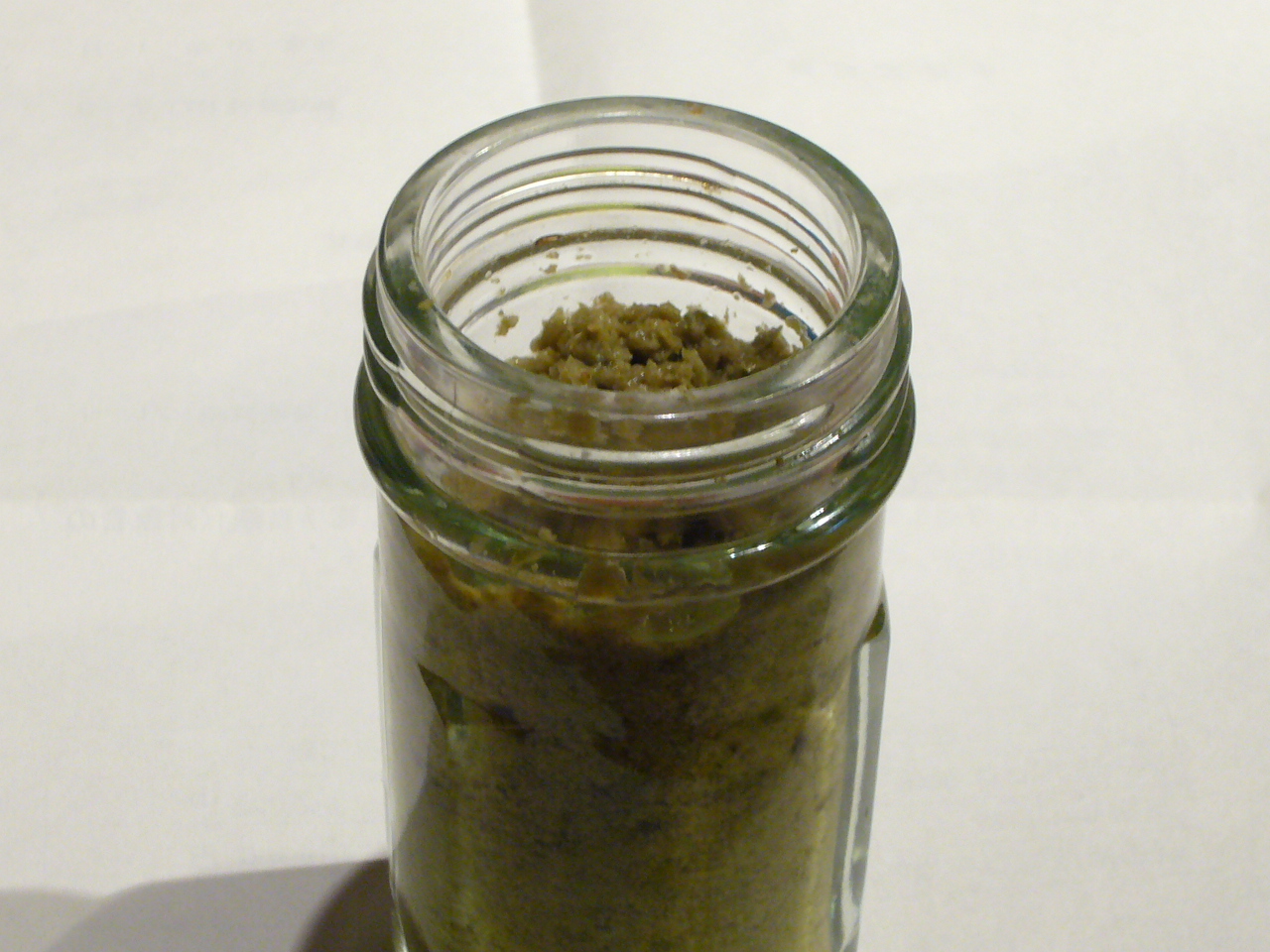 🇯🇵 JapanYuzu koshō柚子胡椒
A fermented Japanese paste of chili peppers and yuzu citrus peel.Paste · Hot and fiery · Citrus and bright
🇯🇵 JapanYuzu koshō柚子胡椒
A fermented Japanese paste of chili peppers and yuzu citrus peel.Paste · Hot and fiery · Citrus and bright
 🇱🇾 Libya and 1 morePilpelchumaפלפלצ'ומה
A steamed chili and garlic paste from Libyan Jewish cuisine, now common in Israel.Hot and fiery · Sharp and pungent
🇱🇾 Libya and 1 morePilpelchumaפלפלצ'ומה
A steamed chili and garlic paste from Libyan Jewish cuisine, now common in Israel.Hot and fiery · Sharp and pungent