
Malagueta pepper
In its own language: malagueta
Capsicum frutescens
A small, fiery chili from Capsicum frutescens used across Portuguese-speaking regions.
The malagueta pepper is a tapered chili variety of Capsicum frutescens, reaching 60,000 to 100,000 Scoville units. It is a staple in Brazil, Portugal, and former African colonies like Mozambique and Angola, often ground into sauces or used whole for intense heat.
- Scoville rating of 60,000 to 100,000 units.
- Fruit of Capsicum frutescens, a chili variety.
- Staple in Brazilian, Portuguese, and African cuisines.
- Name derived from unrelated African melegueta pepper.
- Used in Borba, Brazil, to ward off the evil eye.
What is Malagueta pepper?
This spice is the fruit of Capsicum frutescens, a species of chili plant. The peppers are small and tapered, typically growing to about five centimeters long. They range in color from green when unripe to red when mature. The taste is defined by intense heat, registering between 60,000 and 100,000 on the Scoville scale. This pungency comes from capsaicin, the same compound found in other hot chilies. In markets, you might find two sizes labeled differently: smaller ones called malaguetinha or piri piri, and larger ones simply as malagueta. These are not different plants but just peppers at different stages of growth from the same bush.
Where does Malagueta pepper come from?
European contact with this species began with Christopher Columbus's crew in the Caribbean in 1492. Indigenous peoples in the Americas valued it as food, medicine, and dye. Portuguese explorers adopted it because its heat reminded them of black pepper, which they sought to replace. The name malagueta derives from the melegueta pepper, an unrelated African ginger spice also known as grains of paradise. Confusion between the two names persists among writers today. The Portuguese spread the chili globally during the Columbian Exchange, taking it to Africa, Asia, and Europe, where it quickly integrated into local diets.
What does Malagueta pepper taste like?
The primary characteristic of the malagueta pepper is its sharp, biting heat. With a Scoville rating of 60,000 to 100,000, it sits firmly in the hot category, comparable to cayenne or tabasco peppers. The flavor profile is straightforward: a clean, vegetal chili taste followed by a rapid rise in temperature that lingers on the tongue. There are no complex sweet or smoky notes mentioned; the focus remains entirely on the pungency provided by capsaicin. This heat makes it suitable for dishes requiring significant spice levels without altering the base flavor significantly.
How Malagueta pepper is grown and processed
The plant produces small, tapered fruits that change color as they ripen. Harvesting occurs when the peppers reach maturity, either while still green or fully red. In Brazil, particularly in the municipality of Borba, the peppers are cultivated locally. The plant thrives in tropical climates similar to those found in its native Americas. Processing involves drying the pods for preservation or grinding them into powders. The distinction between malaguetinha and malagueta depends on size, which correlates with maturity rather than genetic difference.
Malagueta pepper, drawn
How Malagueta pepper is used
Cooking with this chili usually involves using it fresh, dried, or ground into powders and pastes. In São Tomé and Príncipe, it is essential for making piri-piri sauce, a condiment served widely in restaurants. In Brazil, it may be used in stews or marinades to add heat. The name piri piri, originally Swahili, is now associated with this pepper in Mozambique and Portugal. Cooks often crush the dried pods to release their oils or blend them into vinegar-based sauces. Its versatility allows it to function as a table condiment or an ingredient cooked into main dishes.
Malagueta pepper in the world's kitchens
Brazilian cuisine utilizes the pepper extensively, often labeling it as pimenta. Portuguese cooking adopts it similarly, especially in coastal regions. In Africa, it defines the culinary identity of Mozambique and Angola, where it is known as jindungo or piri piri. Cape Verdean cooks use varieties called m'lagueta. Each region adapts the heat to local tastes, creating distinct sauce profiles. The pepper has also influenced Asian cuisines in India, Thailand, and China after being introduced via trade routes, though its strongest cultural ties remain within the Portuguese-speaking world.
At a glance: where it turns up
By meal
Celebrations
Spiritual and ceremonial use
There are no major religious rituals specifically tied to the malagueta pepper in mainstream faiths. However, in the municipality of Borba in Brazil, the pepper holds a folkloric significance. Locals believe placing the peppers can ward off the evil eye, a concept rooted in protecting against envy. This practice blends culinary utility with spiritual protection, treating the fiery nature of the fruit as a defensive barrier against negative energies.
Malagueta pepper at celebrations
The pepper does not have specific festivals dedicated solely to its harvest. Instead, it is woven into daily life and general hospitality. It is commonly found on tables during family gatherings and communal meals in Lusophone countries. The presence of piri-piri sauce signals readiness to share a meal, enhancing the social aspect of dining. While not central to weddings or funerals, its ubiquity in everyday cooking makes it an implicit part of celebratory feasts where robust flavors are desired.
Traditional and medicinal use
Indigenous Americans historically used the chili as a natural dye and a medicinal agent. Traditional knowledge attributed healing properties to its capsaicin content, though modern science does not endorse specific cures. In folk medicine, the heat was sometimes believed to stimulate circulation or aid digestion. Today, these uses are viewed as historical practices rather than medical advice.
Buying and storing Malagueta pepper
Dried peppers can be stored for extended periods if kept in a cool, dry place. Whole dried pods retain their heat longer than ground powder. When buying, look for firm, brightly colored peppers without mold. Fresh peppers should be refrigerated and used within a week. Ground versions lose potency over time, so storing them in airtight containers away from light helps preserve their pungency.
What to use instead of Malagueta pepper
If malagueta is unavailable, other hot chilies with similar Scoville ratings work well. Tabasco peppers or cayenne peppers provide comparable heat levels. For a closer textural match, dried bird's eye chilies can be used. Avoid mild peppers like bell peppers or paprika, as they lack the necessary pungency. The confusion with melegueta pepper (grains of paradise) should be avoided, as that spice offers a citrusy, peppery flavor rather than capsaicin heat.
The trade in Malagueta pepper
The global spread of this chili began with Portuguese navigators during the Columbian Exchange. They transported seeds from the Americas to Europe, Africa, and Asia, establishing trade networks that integrated the plant into new economies. Today, Brazil and African nations like Mozambique and Angola are key producers. The name piri piri has become a commercial brand in some markets, sometimes applied to derived cultivars. Historical trade focused on replacing expensive Asian black pepper, but now the market values the chili for its unique regional identity and heat.
Meal
This chili appears primarily in dinner settings and casual snacks. It serves as a key component in savory sauces that accompany grilled meats or fish. In street-food contexts, particularly in Lusophone countries, it features in spicy condiments sold alongside fast foods. It is less common in breakfast or dessert applications due to its aggressive heat level. The sauce made from these peppers is a standard table item, allowing diners to adjust the spiciness of their evening meals according to personal preference.
Questions people ask about Malagueta pepper
What is the malagueta pepper?
It is a variety of Capsicum frutescens, a small tapered chili pepper. It ranges from 60,000 to 100,000 Scoville units, providing intense heat. It is widely used in Portuguese-speaking countries like Brazil and Portugal.
Where does the malagueta pepper come from?
The plant originated in the Americas, first encountered by Europeans in the Caribbean in 1492. Portuguese traders spread it to Africa and Asia. It is now deeply rooted in the culinary traditions of Brazil, Portugal, and former colonies.
How hot is a malagueta pepper?
It registers between 60,000 and 100,000 Scoville Heat Units. This places it in the hot category, similar to cayenne or tabasco peppers. The heat comes from capsaicin, creating a sharp, lingering pungency.
What are other names for this pepper?
Smaller peppers are called malaguetinha or piri piri. In Angola, it is known as jindungo or ndongo. In Cape Verde, locals say m'lagueta. Despite different names, they refer to the same plant at various maturity stages.
How is it used in cooking?
It is commonly ground into powders or blended into sauces like piri-piri. In São Tomé and Príncipe, it is a standard restaurant condiment. Cooks use it to add significant heat to stews, meats, and seafood dishes across Lusophone regions.
Good reading and sources
- Malagueta pepper on WikipediaEncyclopedia
- More photos on Wikimedia CommonsPhotos and video
- Wikidata recordOpen data
The facts on this page come from the Wikipedia article "Malagueta pepper", written by its contributors and used under the CC BY-SA 4.0 licence, and from its Wikidata record (CC0). EveryMasala rewrote the text in its own words, with AI assistance, and compares every page with the article to make sure no passage is copied. It may be reused under the same CC BY-SA 4.0 licence with a link back.
It may contain mistakes. Names, strengths and customs differ from one grower, kitchen or shop to the next. Traditional and medicinal uses are described as tradition, never as medical advice, and none of this is a substitute for a doctor. If something is wrong, tell us. Last refreshed 2026-10-04.
More from Brazil
All the spices of Brazil 🇧🇷 Brazil and 2 moreBishop's crown
A wrinkled, three-sided Capsicum baccatum cultivar with mild heat and a sweet flavor.Chilli · Sweet and mellow
🇧🇷 Brazil and 2 moreCapsicum parvifolium
A small-leaved wild chili shrub from northern South AmericaChilli · Hot and fiery
🇧🇷 BrazilCapsicum recurvatum
A wild nightshade chili that thrives in the humid forests of Brazil.Chilli · Hot and fiery
🇧🇷 Brazil and 2 moreBishop's crown
A wrinkled, three-sided Capsicum baccatum cultivar with mild heat and a sweet flavor.Chilli · Sweet and mellow
🇧🇷 Brazil and 2 moreCapsicum parvifolium
A small-leaved wild chili shrub from northern South AmericaChilli · Hot and fiery
🇧🇷 BrazilCapsicum recurvatum
A wild nightshade chili that thrives in the humid forests of Brazil.Chilli · Hot and fiery
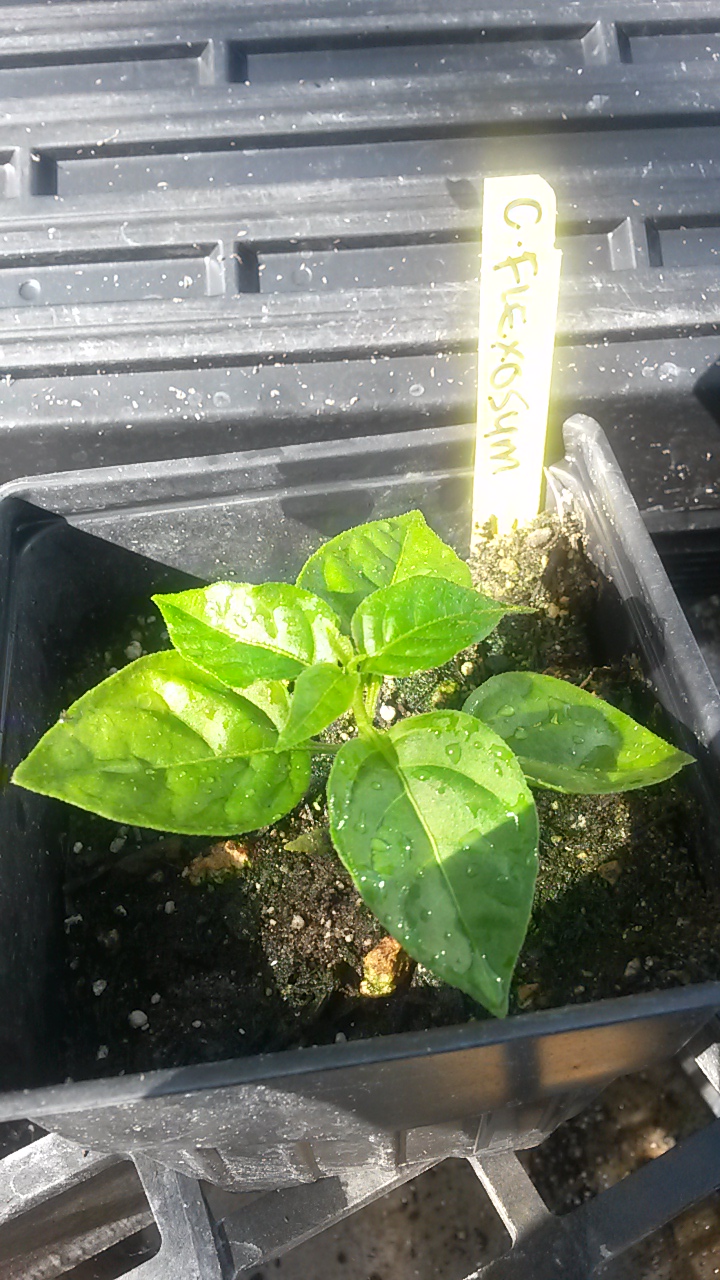 🇧🇷 BrazilCapsicum flexuosum
A tiny, mildly pungent wild chili native to southern Brazil.Chilli · Hot and fiery
🇧🇷 BrazilCapsicum flexuosum
A tiny, mildly pungent wild chili native to southern Brazil.Chilli · Hot and fiery
Its cousins elsewhere
All chilli 🇱🇾 Libya and 1 morePilpelchumaפלפלצ'ומה
A steamed chili and garlic paste from Libyan Jewish cuisine, now common in Israel.Hot and fiery · Sharp and pungent
🇱🇾 Libya and 1 morePilpelchumaפלפלצ'ומה
A steamed chili and garlic paste from Libyan Jewish cuisine, now common in Israel.Hot and fiery · Sharp and pungent
 🇪🇬 EgyptShattaشطة
A fermented chili and garlic condiment from the LevantHot and fiery · Sharp and pungent
🇪🇬 EgyptShattaشطة
A fermented chili and garlic condiment from the LevantHot and fiery · Sharp and pungent
 🇯🇵 JapanKarashiからし
A potent Japanese mustard made from brown mustard seeds, served as a sharp condiment.Seed · Hot and fiery · Sharp and pungent
🇯🇵 JapanKarashiからし
A potent Japanese mustard made from brown mustard seeds, served as a sharp condiment.Seed · Hot and fiery · Sharp and pungent
 🇬🇧 United Kingdom and 4 moreRock samphire
A coastal succulent with peppery leaves and carrot-scented roots, used fresh or pickled.Leaf · Hot and fiery · Sharp and pungent
🇬🇧 United Kingdom and 4 moreRock samphire
A coastal succulent with peppery leaves and carrot-scented roots, used fresh or pickled.Leaf · Hot and fiery · Sharp and pungent