
Vanilla
Vanilla planifolia
The cured fruit of a climbing orchid, the world's primary source of vanilla flavouring
Native to Mexico and Central America, this evergreen vine produces long pods that are hand-pollinated and cured to develop their signature sweet scent. The dried fruit is one of the main sources of vanillin, used globally in baking and perfumery.
- Vanillin makes up 80% of the pod's aromatic compounds
- Flowers last only one day and require hand-pollination
- Pods take eight to nine months to mature after pollination
- Sap contains calcium oxalate crystals that irritate skin
- Assessed as Endangered by the IUCN in 2017
What is Vanilla?
This spice comes from Vanilla planifolia, a species of orchid that grows as an evergreen vine. It climbs trees or spreads along the ground using thick aerial roots. The plant bears glossy green leaves and pale yellow-green flowers that open for only one day. The edible part is the long, slender pod, often called a bean, which resembles a small banana. These pods contain tiny seeds suspended in a sticky pulp. When fresh, they have little scent, but curing transforms them into a dark, oily spice with a rich, sweet aroma.
Where does Vanilla come from?
The plant is native to the neotropical realm, specifically southern Mexico, Central America, Colombia, and northern Brazil. Historically, it was thought to be restricted to southern Mexico and Belize. In its wild habitat, flowering occurs in April and May during the dry season. Natural pollination is extremely rare, with only about a one percent chance of success without specific insect intervention. The species was first scientifically described in 1808 by Henry Charles Andrews, who credited Charles Plumier with an earlier 1703 description.
What does Vanilla taste like?
The defining taste and smell come from vanillin, which accounts for eighty percent of the aromatic compounds in the pods. Other chemicals like vanillic acid and guaiacol add depth. The enzyme beta-glucosidase is crucial for releasing this vanillin during the curing process. This chemical breakdown creates the characteristic warm, sweet profile found in extracts and powders. Without proper curing, the raw pod lacks the intense fragrance associated with the spice.
How Vanilla is grown and processed
Farmers propagate the vine through cuttings rather than seeds to maintain genetic consistency. The plants require a humid tropical climate between twenty and thirty degrees Celsius. They need well-draining soil and a distinct dry period in spring to trigger flowering. Because natural pollinators are scarce outside its native range, every flower must be hand-pollinated by workers. After pollination, the pods take eight to nine months to mature before harvest.
Vanilla, drawn
How Vanilla is used
The cured pods are used to infuse sweetness and aroma into food and drink. They are commonly steeped in milk or cream for desserts, cakes, and ice cream. The extract is also used in beverages and breakfast items. Workers handling the fresh sap must wear protection, as calcium oxalate crystals can cause severe skin irritation. The cured beans are often split open to scrape out the seeds for direct use in recipes.
Vanilla in the world's kitchens
While native to Mexico, commercial cultivation has spread globally. Major producing regions include Madagascar, Indonesia, and Veracruz in Mexico. The genetic diversity of modern crops is low, as most Indian Ocean vanilla descends from a single introduction to Reunion Island in 1822. This bottleneck raises concerns about disease resistance. Different regions produce subtle variations in flavour due to local soil and curing methods, but the core vanillin content remains consistent.
At a glance: where it turns up


Vanilla at celebrations
It is not tied to birth, funeral, or harvest ceremonies in the provided material.
Traditional and medicinal use
Traditional use involves the manual curing of pods to develop flavour. This process requires fermentation and drying to minimize oil loss. Workers must handle the plant carefully to avoid dermatitis caused by sap crystals. There are no medicinal claims or folk remedies mentioned for internal consumption or treatment of ailments.
Buying and storing Vanilla
Cured pods should be kept in airtight containers to preserve their volatile oils. They are sensitive to humidity and light, which can degrade their quality. Properly stored beans remain potent for extended periods. Buyers should look for pliable, oily pods rather than dry, brittle ones.
The trade in Vanilla
The species is assessed as Endangered by the IUCN due to habitat loss and population decline. Cultivation has expanded worldwide, but reliance on hand-pollination keeps production labour-intensive. Genetic uniformity poses a risk to future yields. Adulteration is a concern in the market, as synthetic vanillin is cheaper but lacks the complex flavour profile of natural pods.
Meal
It is primarily associated with sweet meals and drinks. It is a standard ingredient in desserts, including custards and pastries. It flavours morning beverages and breakfast dishes. The spice is also used in preserved sweets and confections. Its warm sweetness makes it suitable for holiday feasts and special occasion treats, though it is not used in savoury main courses.
Questions people ask about Vanilla
Where does vanilla come from?
It is native to Mexico, Central America, Colombia, and Brazil. Today, it is commercially grown in Madagascar, Indonesia, and other tropical regions requiring humid climates.
How is vanilla harvested?
The vines must be hand-pollinated because natural pollinators are rare outside their native range. Workers then harvest the mature pods after eight to nine months of growth.
What does vanilla taste like?
It has a sweet, warm flavour derived primarily from vanillin. Other compounds like vanillic acid add depth to the characteristic aroma found in cured pods.
Why is vanilla expensive?
Each flower must be pollinated by hand, and the pods require months to mature and undergo a complex curing process to develop their flavour and scent.
Good reading and sources
- Vanilla planifolia on WikipediaEncyclopedia
- More photos on Wikimedia CommonsPhotos and video
- Wikidata recordOpen data
The facts on this page come from the Wikipedia article "Vanilla planifolia", written by its contributors and used under the CC BY-SA 4.0 licence, and from its Wikidata record (CC0). EveryMasala rewrote the text in its own words, with AI assistance, and compares every page with the article to make sure no passage is copied. It may be reused under the same CC BY-SA 4.0 licence with a link back.
It may contain mistakes. Names, strengths and customs differ from one grower, kitchen or shop to the next. Traditional and medicinal uses are described as tradition, never as medical advice, and none of this is a substitute for a doctor. If something is wrong, tell us. Last refreshed 2026-10-04.
More from Mexico
All the spices of Mexico 🇵🇪 Peru and 5 moreChili pepperchīlli
The pungent berry of the Capsicum plant, used to add heat to dishes worldwide.Fruit · Hot and fiery · Earthy and deep
🇵🇪 Peru and 5 moreChili pepperchīlli
The pungent berry of the Capsicum plant, used to add heat to dishes worldwide.Fruit · Hot and fiery · Earthy and deep
 🇲🇽 MexicoPineapple sage
A Mexican shrub with leaves that smell of pineapple and flowers that feed hummingbirdsLeaf · Citrus and bright · Sweet and mellow
🇲🇽 MexicoPineapple sage
A Mexican shrub with leaves that smell of pineapple and flowers that feed hummingbirdsLeaf · Citrus and bright · Sweet and mellow
 🇲🇽 Mexico and 5 moreAnnatto
The orange-red pigment from achiote seeds used as a natural food coloring and mild spice.Seed · Earthy and deep · Sweet and mellow
🇲🇽 Mexico and 5 moreAnnatto
The orange-red pigment from achiote seeds used as a natural food coloring and mild spice.Seed · Earthy and deep · Sweet and mellow
 🇲🇽 Mexico and 1 moreChipotle
Smoke-dried ripe jalapeño peppers used in Mexican and Tex-Mex cookingChilli · Hot and fiery · Smoky
🇲🇽 Mexico and 1 moreChipotle
Smoke-dried ripe jalapeño peppers used in Mexican and Tex-Mex cookingChilli · Hot and fiery · Smoky
Its cousins elsewhere
 🇮🇳 India and 4 moreFennel
The anise-scented seeds and crisp bulb of a Mediterranean perennial herbSeed · Anise and liquorice · Sweet and mellow
🇮🇳 India and 4 moreFennel
The anise-scented seeds and crisp bulb of a Mediterranean perennial herbSeed · Anise and liquorice · Sweet and mellow
 🇱🇰 Sri Lanka and 5 moreCinnamon
The dried inner bark of Cinnamomum trees, prized for its sweet warmth and essential oil.Bark · Warm and sweet-spiced · Sweet and mellow
🇱🇰 Sri Lanka and 5 moreCinnamon
The dried inner bark of Cinnamomum trees, prized for its sweet warmth and essential oil.Bark · Warm and sweet-spiced · Sweet and mellow
 🇮🇩 Indonesia and 3 moreNutmeg
The dried seed of a tropical evergreen tree, prized for its warm, pungent flavor.Seed · Warm and sweet-spiced · Sweet and mellow
🇮🇩 Indonesia and 3 moreNutmeg
The dried seed of a tropical evergreen tree, prized for its warm, pungent flavor.Seed · Warm and sweet-spiced · Sweet and mellow
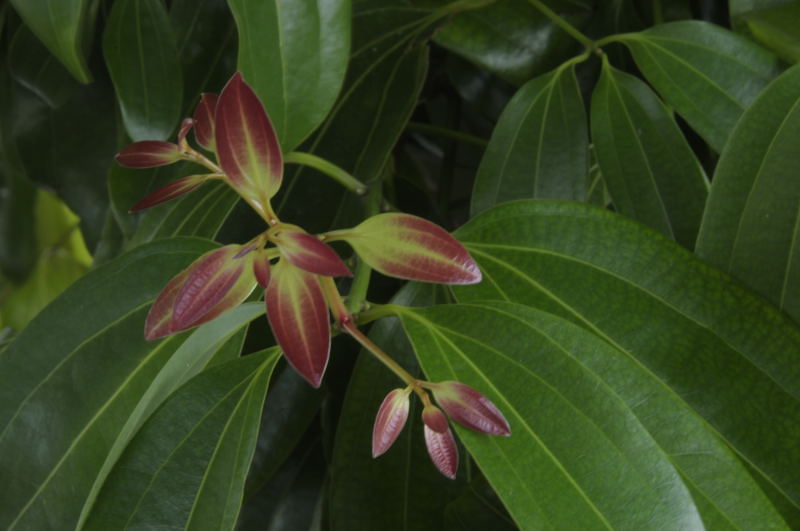 🇱🇰 Sri Lanka and 3 moreCeylon cinnamon
The inner bark of a Sri Lankan evergreen, prized for its delicate, sweet spice.Bark · Sweet and mellow · Warm and sweet-spiced
🇱🇰 Sri Lanka and 3 moreCeylon cinnamon
The inner bark of a Sri Lankan evergreen, prized for its delicate, sweet spice.Bark · Sweet and mellow · Warm and sweet-spiced