
Habanero
Capsicum chinense ‘Habanero’
A very hot chili cultivar with a floral aroma, native to the Amazon and grown in Mexico.
The habanero is a pungent cultivar of Capsicum chinense. It originates from the Amazon rainforest and is now widely cultivated in Mexico. The fruit ranges from green to orange or red and delivers intense heat with a distinct floral scent.
- Originates from the Amazon rainforest.
- Named after Havana, Cuba, due to historical trade.
- Heat ranges from 100,000 to 350,000 Scoville units.
- Known for a distinct floral aroma alongside intense heat.
- Yucatán Peninsula is the largest modern producer.
What is Habanero?
The habanero is a cultivar of chili pepper known for its intense heat and unique flavor profile. The fruit typically measures two to six centimeters long. Unripe peppers are green, maturing into shades of orange, red, white, brown, yellow, or purple. The skin is thin and waxy. The taste combines significant pungency with a noticeable floral aroma. This combination makes it a distinctive ingredient in spicy dishes and hot sauces.
Where does Habanero come from?
This chili comes from the Amazon rainforest. Spanish colonists spread it across the Americas. The name derives from Havana, Cuba, where it was historically traded. Despite the name, it is rarely used in traditional Cuban cooking. Taxonomists once mistakenly believed China was its origin, naming the species Capsicum chinense. Today, the Yucatán Peninsula in Mexico is the largest producer.
What does Habanero taste like?
The heat ranges from one hundred thousand to three hundred fifty thousand Scoville units. The burn does not hit immediately but builds over several minutes. It can linger in the mouth for an hour and affect the esophagus later. Beyond the capsaicin heat, the pepper offers a complex flavor. Notes include floral scents and citrus brightness. Some variants like the Caribbean Red add a smoky dimension.
How Habanero is grown and processed
Habaneros thrive in hot weather with morning sun. They prefer slightly acidic soil with a pH between five and six. Plants are perennials in tropical regions but treated as annuals in temperate climates. Watering frequency affects heat levels. Daily watering increases vegetative growth but lowers capsaicin concentration. Drought-stressed plants produce hotter peppers. Overly moist roots lead to bitter flavors.
Habanero, drawn
How Habanero is used
Cooked habaneros are integral to Yucatecan food. They accompany most dishes in natural form, purée, or salsa. The heat and floral aroma make them ideal for hot sauces. Small slivers can dramatically alter a dish. Breeders have created milder versions that retain the original aroma. These are often crossbred with heatless varieties to reduce pungency while keeping the flavor profile intact.
Habanero in the world's kitchens
Yucatecan cuisine relies heavily on this pepper. It appears in almost every local dish. Other regions like Belize, Panama, Costa Rica, Colombia, and Ecuador also cultivate it. In the United States, states like Texas, Idaho, and California grow it commercially. The flavor profile suits Latin American cooking styles that prioritize fresh, potent chilies.
At a glance: where it turns up
By meal
Cuisines


Spiritual and ceremonial use
There are no specific religious rituals or dietary rules associated with this chili in the provided sources. It is not tied to any particular faith's offerings or ceremonies.
Habanero at celebrations
It is treated as a general agricultural product rather than a ceremonial item.
Traditional and medicinal use
Traditional use involves incorporating the fresh fruit or its juice into daily cooking. Safety notes indicate the heat can persist for hours. Consumers should be aware that the burn may affect the digestive tract long after eating.
What to use instead of Habanero
The Scotch bonnet is often compared to this pepper. Both share the same species and similar heat levels. They both have thin, waxy flesh. However, they differ in pod shape. The Scotch bonnet serves as a close alternative due to comparable pungency and flavor characteristics.
The trade in Habanero
Historical trade routes through Havana gave the pepper its name. Modern production is centered in the Yucatán Peninsula. Other growing areas include Central America and parts of the United States. Researchers and breeders actively work to create new cultivars. Some aim for higher heat records, while others seek milder versions with preserved aromas.
Meal
This spice features prominently in dinner preparations. It is a staple in Yucatecan meals, accompanying main courses. The heat level suits robust savory dishes rather than light snacks. It is also used in preserves and salsas served as snacks. The intensity generally precludes use in breakfast items unless heavily diluted.
Questions people ask about Habanero
Where does the habanero come from?
It originates from the Amazon rainforest. Spanish colonists helped spread it. Today, Mexico produces the most, especially in the Yucatán Peninsula. Other countries like Belize and Panama also grow it.
How hot is a habanero pepper?
It rates between 100,000 and 350,000 on the Scoville scale. The heat builds slowly and can last for an hour. Some variants like the black habanero can exceed half a million Scoville units.
What does a habanero taste like?
It has a complex flavor beyond just heat. The taste includes floral notes and citrus brightness. The texture is thin and waxy. The heat lingers in the mouth and throat for a long time.
Is there a milder version available?
Yes, breeders have created milder cultivars. These retain the original floral aroma and flavor. They are often crossed with heatless varieties to reduce pungency while keeping the characteristic taste profile.
What is a good substitute for habanero?
The Scotch bonnet is the closest relative. Both belong to Capsicum chinense. They share similar heat levels and waxy flesh. The main difference is the shape of the fruit. Both work well in hot sauces and spicy dishes.
Good reading and sources
- Habanero on WikipediaEncyclopedia
- More photos on Wikimedia CommonsPhotos and video
- Wikidata recordOpen data
The facts on this page come from the Wikipedia article "Habanero", written by its contributors and used under the CC BY-SA 4.0 licence, and from its Wikidata record (CC0). EveryMasala rewrote the text in its own words, with AI assistance, and compares every page with the article to make sure no passage is copied. It may be reused under the same CC BY-SA 4.0 licence with a link back.
It may contain mistakes. Names, strengths and customs differ from one grower, kitchen or shop to the next. Traditional and medicinal uses are described as tradition, never as medical advice, and none of this is a substitute for a doctor. If something is wrong, tell us. Last refreshed 2026-10-04.
More from Mexico
All the spices of Mexico 🇵🇪 Peru and 5 moreChili pepperchīlli
The pungent berry of the Capsicum plant, used to add heat to dishes worldwide.Fruit · Hot and fiery · Earthy and deep
🇵🇪 Peru and 5 moreChili pepperchīlli
The pungent berry of the Capsicum plant, used to add heat to dishes worldwide.Fruit · Hot and fiery · Earthy and deep
 🇲🇽 Mexico and 4 moreVanilla
The cured seed pods of a climbing orchid, the world's second-most expensive spice by weight.Fruit · Sweet and mellow · Floral and perfumed
🇲🇽 Mexico and 4 moreVanilla
The cured seed pods of a climbing orchid, the world's second-most expensive spice by weight.Fruit · Sweet and mellow · Floral and perfumed
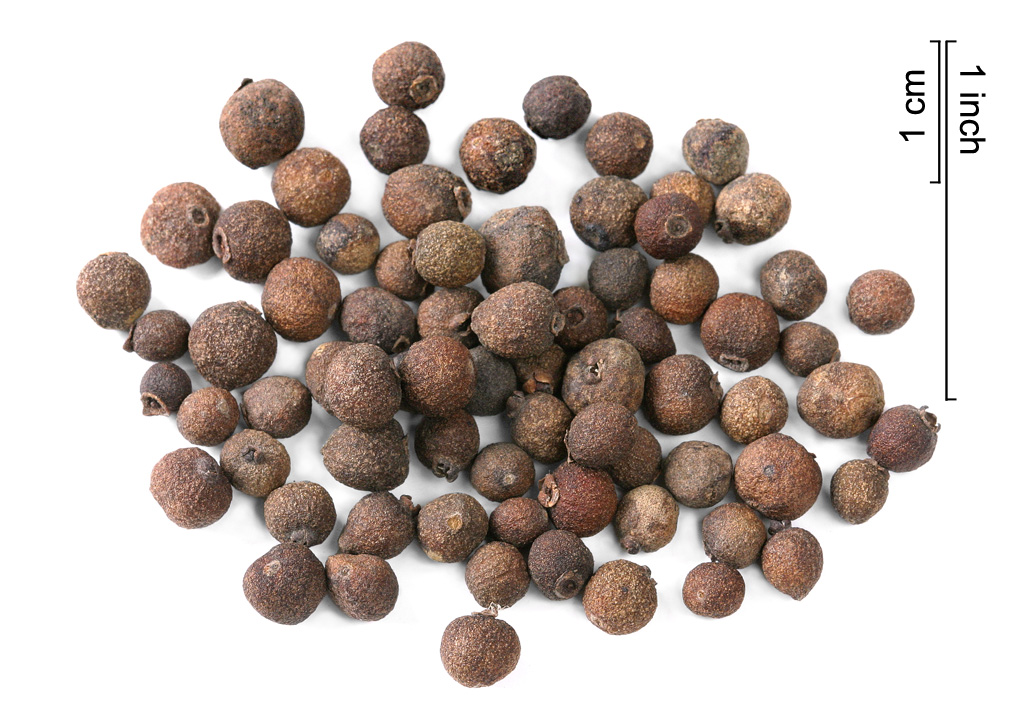 🇯🇲 Jamaica and 2 moreAllspice
The dried green berry of a tropical tree, named for its blend of cinnamon, nutmeg, and clove notes.Fruit · Warm and sweet-spiced · Sweet and mellow
🇯🇲 Jamaica and 2 moreAllspice
The dried green berry of a tropical tree, named for its blend of cinnamon, nutmeg, and clove notes.Fruit · Warm and sweet-spiced · Sweet and mellow
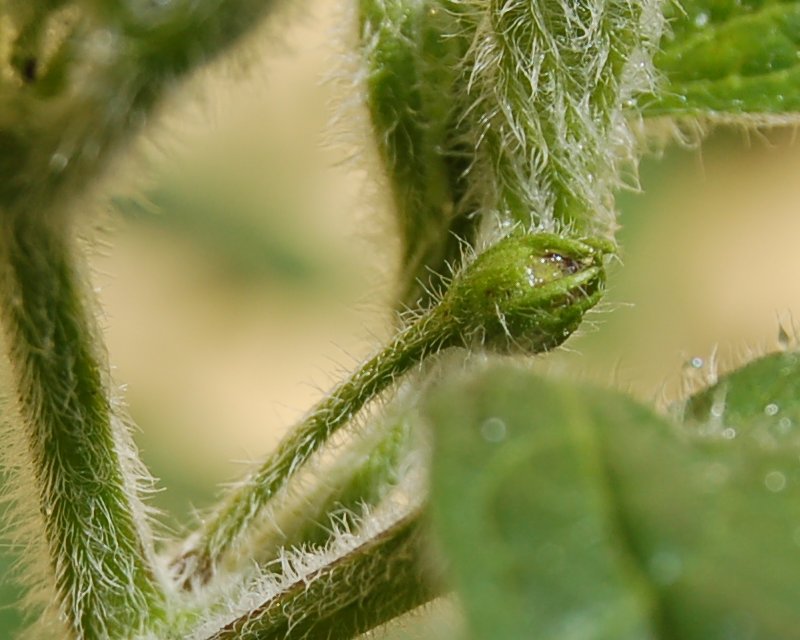 🇵🇪 Peru and 4 moreRocoto
A hairy-leaved Andean pepper with black seeds and a distinct cucumber aroma.Fruit · Hot and fiery · Earthy and deep
🇵🇪 Peru and 4 moreRocoto
A hairy-leaved Andean pepper with black seeds and a distinct cucumber aroma.Fruit · Hot and fiery · Earthy and deep
Its cousins elsewhere
All fruit 🇮🇳 IndiaKewraकेवड़ा
A fragrant essential oil distilled from the male flowers of the screwpine plant.Resin · Sweet and mellow · Floral and perfumed
🇮🇳 IndiaKewraकेवड़ा
A fragrant essential oil distilled from the male flowers of the screwpine plant.Resin · Sweet and mellow · Floral and perfumed
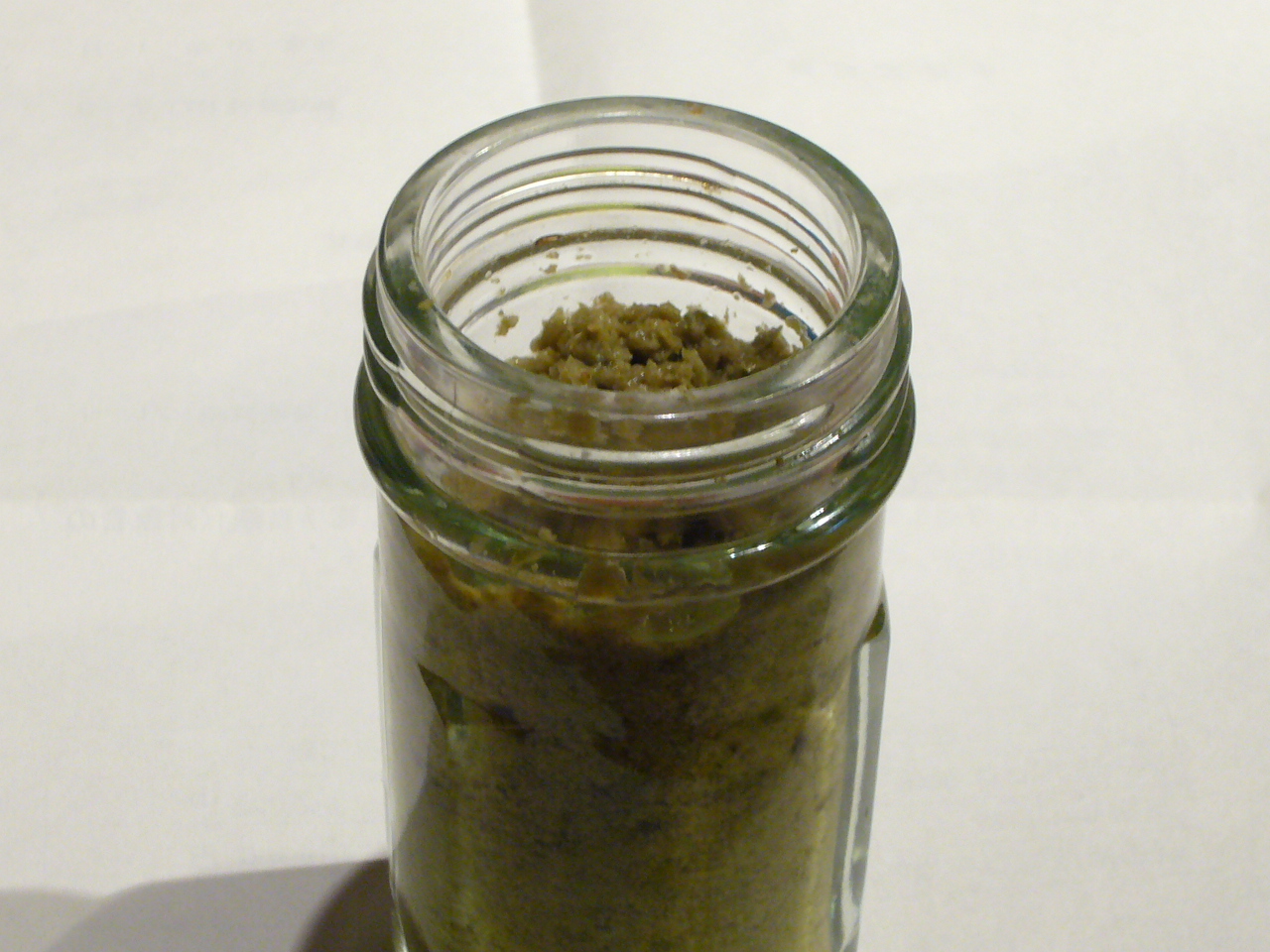 🇯🇵 JapanYuzu koshō柚子胡椒
A fermented Japanese paste of chili peppers and yuzu citrus peel.Paste · Hot and fiery · Citrus and bright
🇯🇵 JapanYuzu koshō柚子胡椒
A fermented Japanese paste of chili peppers and yuzu citrus peel.Paste · Hot and fiery · Citrus and bright
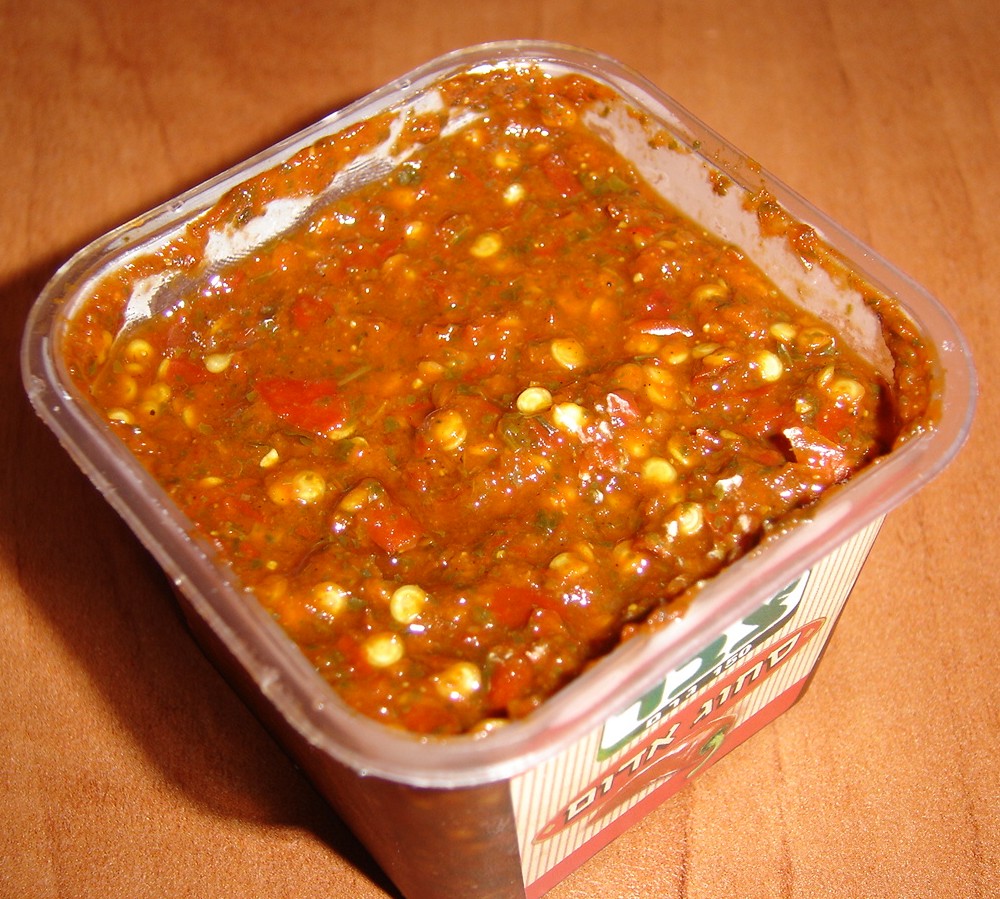 🇾🇪 Yemen and 1 moreZhugسحوق
A Yemeni hot sauce of crushed chilies, garlic, and corianderHot and fiery · Sharp and pungent
🇾🇪 Yemen and 1 moreZhugسحوق
A Yemeni hot sauce of crushed chilies, garlic, and corianderHot and fiery · Sharp and pungent
 🇺🇸 United StatesCarolina Reaper
A gnarled red cultivar of Capsicum chinense bred in South Carolina for extreme heat.Chilli · Hot and fiery · Sweet and mellow
🇺🇸 United StatesCarolina Reaper
A gnarled red cultivar of Capsicum chinense bred in South Carolina for extreme heat.Chilli · Hot and fiery · Sweet and mellow