
Jalapeño
Capsicum annuum ‘Jalapeño’
A medium-sized Capsicum annuum cultivar from Mexico known for its green pods and moderate heat.
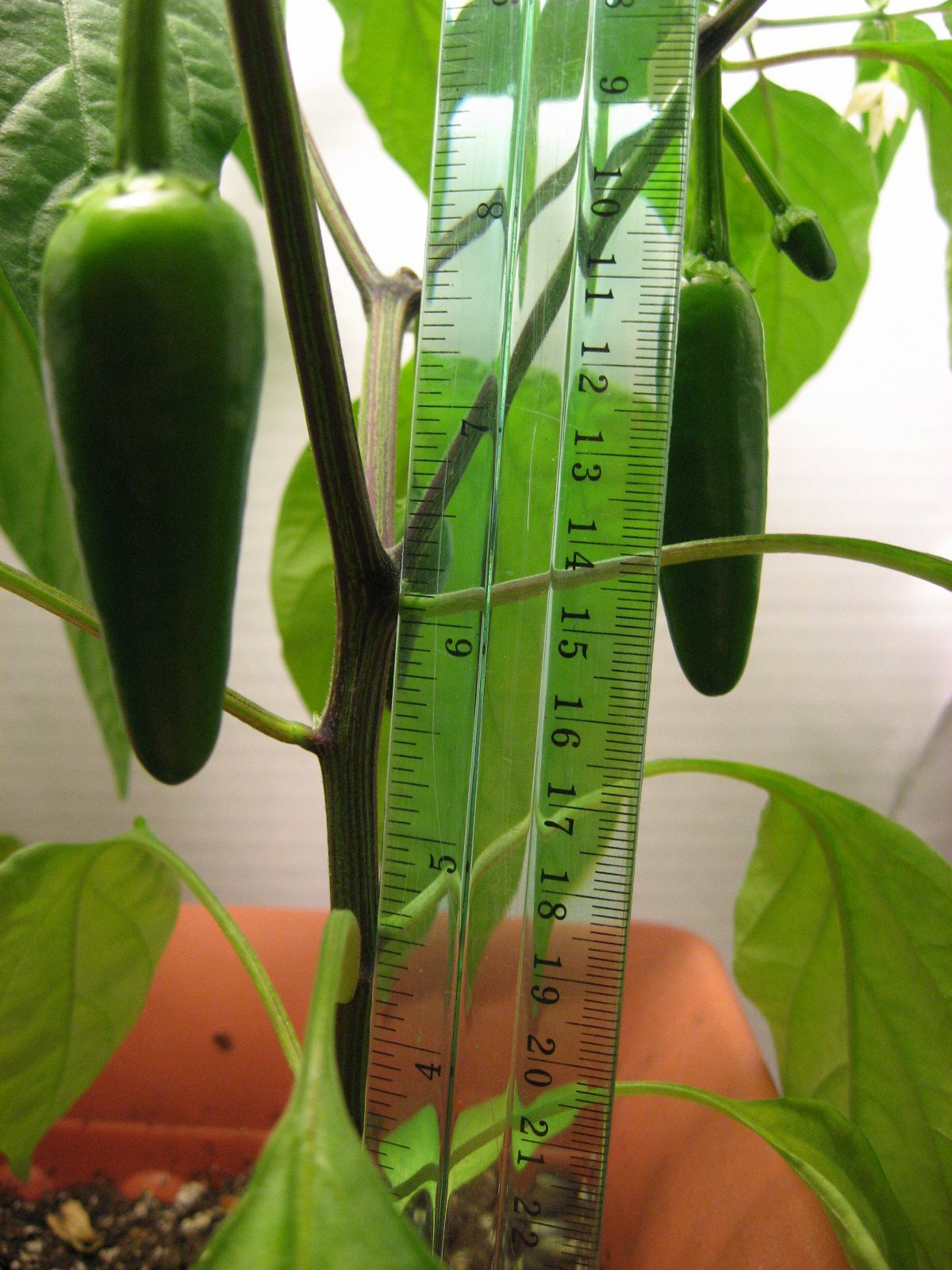
The jalapeño is a pod-type cultivar of Capsicum annuum originating in Mexico. It measures five to ten centimeters long and carries between four thousand and eight thousand five hundred Scoville units of heat. Cooks typically harvest the pods while they are green, though they may ripen to red or orange on the vine.
- Originated in Mexico with commercial processing started in Xalapa.
- Ranges from 4,000 to 8,500 Scoville heat units.
- Smoked ripe red versions are called chipotles.
- Brown skin scars called corking indicate higher heat levels.
- Requires careful canning due to low natural acidity.
What is Jalapeño?
This cultivar belongs to the species Capsicum annuum and produces a fruit pod that hangs downward from the plant. Mature specimens reach lengths of five to ten centimeters with widths spanning twenty-five to thirty-eight millimeters. The exterior skin appears smooth and glossy when fresh. The flavor profile delivers a sharp, grassy heat that registers between four thousand and eight thousand five hundred Scoville units. Growers usually harvest the peppers while the skin remains green, but they also allow some fruits to mature fully until they shift to red, orange, or yellow hues. These ripe versions often carry a slightly higher pungency than their green counterparts.
Where does Jalapeño come from?
The name derives from Xalapa, the capital city of Veracruz, Mexico. Historical records indicate that Aztec markets sold fresh chilies and smoked varieties known as chipotles long before European contact. Vicente Jiménez developed the commercial methods for pickling and canning these peppers in Xalapa during the nineteenth century. Genetic studies identify the jalapeño as a distinct clade within Capsicum annuum without close sister varieties outside its own lineage. Modern cultivation has expanded significantly beyond its Mexican roots into other warm climates worldwide.
What does Jalapeño taste like?
The primary sensation comes from capsaicin compounds concentrated in the white placental membrane surrounding the seeds. This chemical triggers a burning heat that varies based on growing conditions and specific cultivars. Environmental stressors such as irregular watering or high soil salinity increase the intensity of the spice. Visual markers called corking appear as small brown lines on the skin; these scars correlate positively with higher heat levels. While some markets view corking as unattractive, others prize it as an indicator of robust flavor and potency.
How Jalapeño is grown and processed
Plants require a growing period of seventy to eighty days and thrive in well-drained soil with a pH between four point five and seven. Optimal seed germination occurs at twenty-nine degrees Celsius, though temperatures above thirty degrees reduce success rates. Plants need at least six hours of direct sunlight daily and benefit from nitrogen-rich fertilization to maximize pod production. Commercial growers manage diseases like root rot and foliar blight through crop rotation and resistant strains. After harvest, peppers store best at cool temperatures around seven degrees Celsius to maintain freshness for several weeks.
Jalapeño, drawn
How Jalapeño is used
Cooks utilize the fresh green pods in salsas, stews, and sandwiches. They frequently stuff hollowed peppers with cheese, meat, or seafood before baking or frying them. The ripe red fruits undergo smoking processes to create chipotles, which add deep smoky notes to mole sauces and marinades. Pickled whole or sliced peppers serve as toppings for nachos and tacos. Chefs also muddle fresh slices into cocktails to infuse drinks with spicy undertones. Ground dried versions function as general seasonings for various savory dishes.
Jalapeño in the world's kitchens
Mexican cooking relies heavily on both fresh and smoked forms of this chili. Tex-Mex traditions popularize stuffed and fried preparations alongside melted cheeses. Vietnamese cuisine incorporates thin slices into pho broth and bánh mì sandwiches to cut through rich flavors. American agriculture now produces significant quantities in states like California and New Mexico, adapting the pepper to local palates. Other nations including China, Peru, and Spain also cultivate the variety for domestic and export markets.
At a glance: where it turns up
Cuisines


Spiritual and ceremonial use
No specific religious rituals or sacred offerings are associated with this cultivar in the provided records. Its historical presence in Aztec markets suggests general culinary importance rather than ceremonial use. Modern consumption focuses entirely on gastronomic applications without spiritual dimensions.
Jalapeño at celebrations
It functions as a standard ingredient in everyday cooking rather than a symbol tied to particular celebratory occasions.
Traditional and medicinal use
Traditional handling requires caution because capsaicin oils can irritate skin and eyes. People sensitive to the compound often wear gloves during preparation. If contact occurs, washing with hot soapy water helps remove the oils. Canning practices must follow strict acidity guidelines to prevent botulism, as the peppers are low-acid foods. Improperly preserved jars may develop gas or off-odors indicating bacterial contamination.
Buying and storing Jalapeño
Fresh peppers retain quality for three to five weeks when stored at seven degrees Celsius. They produce minimal ethylene gas, meaning they do not ripen further after picking unless held at warmer temperatures with high humidity. A brief hot water dip at fifty-five degrees kills surface molds without damaging the fruit texture. Refrigeration slows decay, but prolonged cold storage may eventually affect texture if not monitored.
What to use instead of Jalapeño
The serrano pepper offers a similar shape but typically delivers higher heat. Poblano peppers provide a milder alternative with comparable size. For smoked flavor, other dried chilies like ancho or guajillo can substitute for chipotles, though the taste differs. Fresh green bell peppers lack heat entirely but match the visual appearance for decorative purposes.
Meal
These peppers appear across multiple dining contexts throughout the day. They feature prominently in snack foods like stuffed poppers and armadillo eggs served at parties. Street vendors use sliced fresh peppers to enhance tacos and burritos. Breakfast dishes sometimes incorporate chopped jalapeños for added kick. They also act as garnishes for soups and cold appetizers. In beverages, they provide a spicy contrast to sweet or sour mixers in mixed drinks.
Questions people ask about Jalapeño
Where does the jalapeño originate?
The jalapeño originates from Mexico, specifically linked to the city of Xalapa in Veracruz. Historical accounts confirm Aztec usage prior to Spanish conquest, and modern genetic analysis places it as a distinct cultivar within the Capsicum annuum species native to the region.
How hot is a jalapeño pepper?
Jalapeños typically register between four thousand and eight thousand five hundred Scoville Heat Units. This places them in the mild-to-medium heat category compared to other chilies. Factors like soil conditions and ripeness level influence the exact pungency of individual pods.
What is the difference between green and red jalapeños?
Green jalapeños are harvested earlier and offer a fresher, grassier flavor with moderate heat. Red jalapeños are left to ripen fully on the plant, resulting in thicker skins and generally higher capsaicin concentrations. The red variants also serve as the base for making smoked chipotles.
What are chipotles?
Chipotles are simply ripe, red jalapeño peppers that have been smoke-dried. This preservation method concentrates the sugars and adds a distinct smoky aroma. They are commonly rehydrated and used in sauces, stews, and marinades to impart deep flavor.
How should I handle jalapeños to avoid irritation?
The capsaicin oils in jalapeños can burn skin and eyes. Wear disposable gloves while cutting or seeding the peppers. If oils touch your skin, wash thoroughly with hot soapy water. Avoid rubbing your face or eyes until your hands are completely clean.
Good reading and sources
- Jalapeño on WikipediaEncyclopedia
- More photos on Wikimedia CommonsPhotos and video
- Wikidata recordOpen data
The facts on this page come from the Wikipedia article "Jalapeño", written by its contributors and used under the CC BY-SA 4.0 licence, and from its Wikidata record (CC0). EveryMasala rewrote the text in its own words, with AI assistance, and compares every page with the article to make sure no passage is copied. It may be reused under the same CC BY-SA 4.0 licence with a link back.
It may contain mistakes. Names, strengths and customs differ from one grower, kitchen or shop to the next. Traditional and medicinal uses are described as tradition, never as medical advice, and none of this is a substitute for a doctor. If something is wrong, tell us. Last refreshed 2026-10-04.
More from Mexico
All the spices of Mexico 🇵🇪 Peru and 5 moreChili pepperchīlli
The pungent berry of the Capsicum plant, used to add heat to dishes worldwide.Fruit · Hot and fiery · Earthy and deep
🇵🇪 Peru and 5 moreChili pepperchīlli
The pungent berry of the Capsicum plant, used to add heat to dishes worldwide.Fruit · Hot and fiery · Earthy and deep
 🇲🇽 Mexico and 1 moreChipotle
Smoke-dried ripe jalapeño peppers used in Mexican and Tex-Mex cookingChilli · Hot and fiery · Smoky
🇲🇽 Mexico and 1 moreChipotle
Smoke-dried ripe jalapeño peppers used in Mexican and Tex-Mex cookingChilli · Hot and fiery · Smoky
 🇲🇽 Mexico and 1 morePoblano
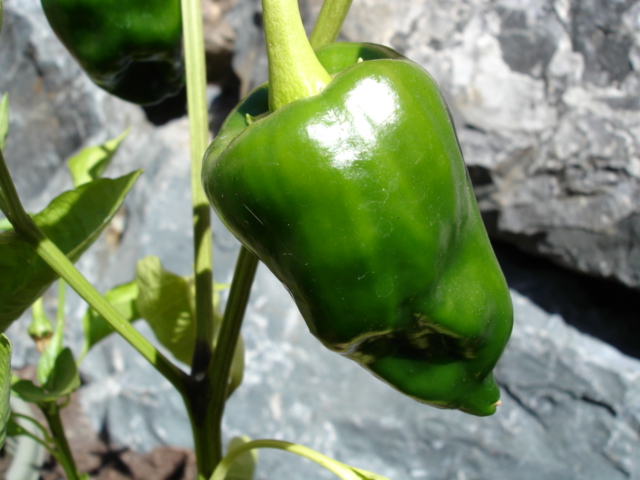
A mild Mexican chili pepper that becomes the dried ancho when mature.Chilli · Sweet and mellow · Hot and fiery
🇲🇽 Mexico and 1 morePoblano
A mild Mexican chili pepper that becomes the dried ancho when mature.Chilli · Sweet and mellow · Hot and fiery
 🇲🇽 Mexico and 5 moreCapsicum annuum
A flowering plant producing berries of many colors and heat levels, from sweet bell peppers to fiery chilies.Fruit · Hot and fiery · Sweet and mellow
🇲🇽 Mexico and 5 moreCapsicum annuum
A flowering plant producing berries of many colors and heat levels, from sweet bell peppers to fiery chilies.Fruit · Hot and fiery · Sweet and mellow
Its cousins elsewhere
All chilli 🇳🇬 NigeriaYaji
A spicy rub from Nigeria made with chili, ginger, and ground peanuts.Blend · Hot and fiery · Earthy and deep
🇳🇬 NigeriaYaji
A spicy rub from Nigeria made with chili, ginger, and ground peanuts.Blend · Hot and fiery · Earthy and deep
 🇾🇪 Yemen and 1 moreZhugسحوق
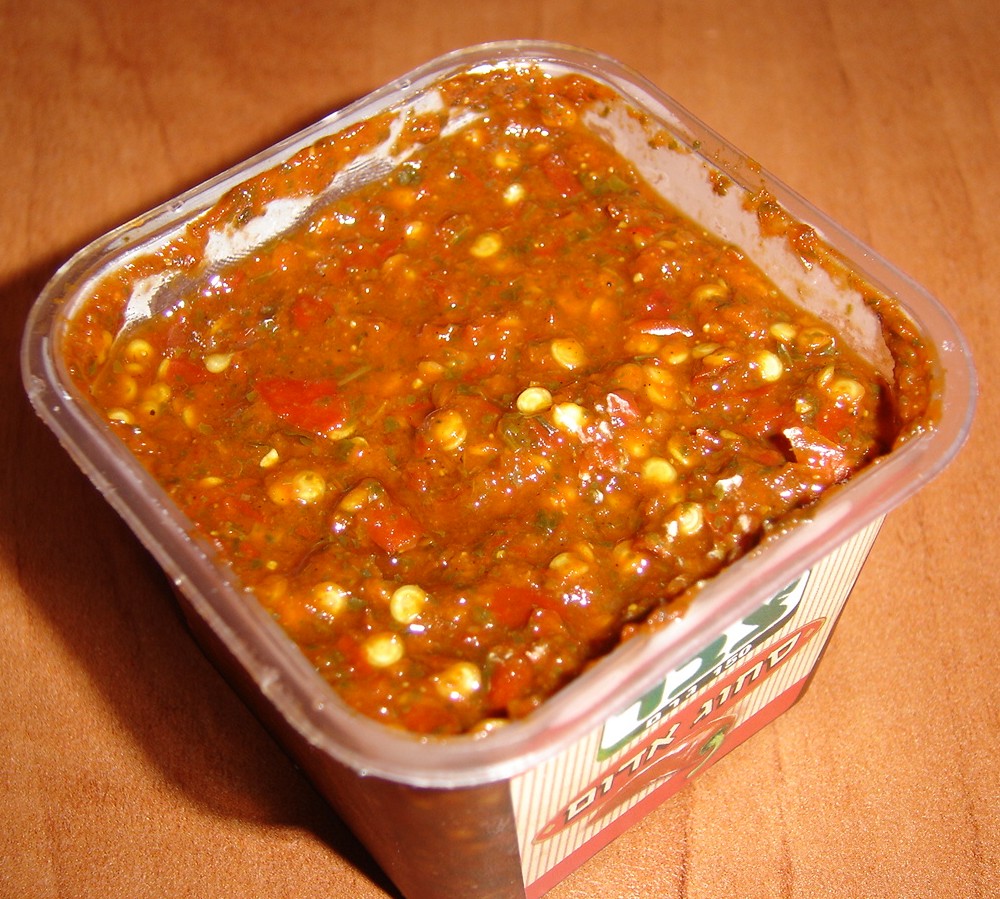
A Yemeni hot sauce of crushed chilies, garlic, and corianderHot and fiery · Sharp and pungent
🇾🇪 Yemen and 1 moreZhugسحوق
A Yemeni hot sauce of crushed chilies, garlic, and corianderHot and fiery · Sharp and pungent
 🇱🇾 Libya and 1 morePilpelchumaפלפלצ'ומה
A steamed chili and garlic paste from Libyan Jewish cuisine, now common in Israel.Hot and fiery · Sharp and pungent
🇱🇾 Libya and 1 morePilpelchumaפלפלצ'ומה
A steamed chili and garlic paste from Libyan Jewish cuisine, now common in Israel.Hot and fiery · Sharp and pungent
 🇮🇳 IndiaChammanthi podi
A dry coconut and spice condiment from Kerala that preserves fresh chutney for months.Hot and fiery · Earthy and deep
🇮🇳 IndiaChammanthi podi
A dry coconut and spice condiment from Kerala that preserves fresh chutney for months.Hot and fiery · Earthy and deep