
Indonesian bay leaf
In its own language: daun salam
Syzygium polyanthum
The aromatic leaves of a Myrtaceae tree used to flavour soups and stews across Indonesia and Suriname.
Daun salam refers to the leaves of Syzygium polyanthum, a tree native to Indonesia, Malaysia, and Indochina. The foliage imparts a slightly bitter, astringent taste to dishes and is essential in Javanese cooking traditions found in both Southeast Asia and Suriname.
- Native to Indonesia, Malaysia, and Indochina.
- Leaves kill Bacillus cereus spores.
- Essential in Surinamese Javanese cuisine.
- Used in sayur lodeh and nasi gurih.
What is Indonesian bay leaf?
This spice consists of the leaves from Syzygium polyanthum, a tree belonging to the Myrtaceae family. It grows at elevations ranging from lowlands up to 1400 meters and can reach heights of 25 meters. When added to food, these leaves provide a distinctively bitter taste accompanied by an astringent quality that lingers on the palate.
Where does Indonesian bay leaf come from?
The plant is indigenous to Indonesia, Malaysia, and parts of Indochina. While its natural range covers these regions, it has been adopted into local cuisines far beyond its native habitat. In Suriname, for instance, it is known as 'salam blad' and holds a significant place in the culinary practices of the Javanese community there.
What does Indonesian bay leaf taste like?
The primary sensory characteristics are bitterness and astringency. These qualities come directly from the leaf structure itself. The taste profile is unique enough that cooks generally find no other ingredient can replicate this specific combination of sharpness and dry mouthfeel in their recipes.
How Indonesian bay leaf is grown and processed
The tree thrives across various altitudes, surviving from lower areas up to 1400 meters above sea level. Mature specimens can grow quite tall, reaching approximately 25 meters. Harvesting involves collecting the leaves, which can then be used immediately while fresh or preserved through drying for later use in cooking.
Indonesian bay leaf, drawn
How Indonesian bay leaf is used
Chefs employ these leaves either fresh or dried to season a variety of dishes. They are staples in Sumatran, Javanese, Madurese, and Balinese kitchens. Common applications include flavouring vegetable curries like sayur lodeh and rice dishes such as nasi gurih. In Suriname, they are frequently used in soto soup and various hearty stews.
Indonesian bay leaf in the world's kitchens
Indonesian cuisine relies heavily on daun salam across multiple islands including Java, Sumatra, Madura, and Bali. The Javanese diaspora in Suriname also maintains this tradition, using the leaf extensively in their version of traditional soups and stews. The flavor profile defines the character of these specific regional dishes.
At a glance: where it turns up
Traditional and medicinal use
Traditional knowledge notes that the leaves possess properties capable of killing Bacillus cereus spores. This biological activity is recognized within folk understanding but is presented here as a traditional observation rather than medical advice.
What to use instead of Indonesian bay leaf
Due to the unique nature of its flavor profile, it is considered impossible to find suitable substitutes for this ingredient in authentic cooking contexts.
Meal
These leaves are typically incorporated into main meals rather than breakfast or dessert items. They are standard ingredients in lunch and dinner preparations, particularly within stew-based dishes and rice combinations that form the core of daily sustenance in the relevant cultures.
Questions people ask about Indonesian bay leaf
What is Indonesian bay leaf?
It is the leaf of Syzygium polyanthum, a tree native to Indonesia and Malaysia. Also called daun salam, it adds a bitter, astringent flavor to soups and rice dishes.
Where does this spice come from?
The plant originates in Indonesia, Malaysia, and Indochina. It is now widely used in Suriname among communities with Javanese heritage.
How does it taste?
The leaves provide a distinctively bitter taste with a strong astringent effect. This unique profile makes them difficult to substitute in traditional recipes.
What dishes use this leaf?
It flavors vegetable curries like sayur lodeh, rice dishes like nasi gurih, and soups like soto. It is common in Sumatran, Balinese, and Madurese cooking.
Good reading and sources
- Syzygium polyanthum on WikipediaEncyclopedia
- More photos on Wikimedia CommonsPhotos and video
- Wikidata recordOpen data
The facts on this page come from the Wikipedia article "Syzygium polyanthum", written by its contributors and used under the CC BY-SA 4.0 licence, and from its Wikidata record (CC0). EveryMasala rewrote the text in its own words, with AI assistance, and compares every page with the article to make sure no passage is copied. It may be reused under the same CC BY-SA 4.0 licence with a link back.
It may contain mistakes. Names, strengths and customs differ from one grower, kitchen or shop to the next. Traditional and medicinal uses are described as tradition, never as medical advice, and none of this is a substitute for a doctor. If something is wrong, tell us. Last refreshed 2026-10-04.
More from Indonesia
All the spices of Indonesia 🇹🇭 Thailand and 5 moreKaffir limeมะกรูด
The bumpy-skinned citrus fruit and double-leafed shrub of Southeast AsiaFruit · Citrus and bright · Sharp and pungent
🇹🇭 Thailand and 5 moreKaffir limeมะกรูด
The bumpy-skinned citrus fruit and double-leafed shrub of Southeast AsiaFruit · Citrus and bright · Sharp and pungent
 🇰🇭 Cambodia and 5 moreVietnamese corianderrau răm
The fresh leaves of a tropical herb used in Southeast Asian soups and saladsLeaf · Citrus and bright · Sharp and pungent
🇰🇭 Cambodia and 5 moreVietnamese corianderrau răm
The fresh leaves of a tropical herb used in Southeast Asian soups and saladsLeaf · Citrus and bright · Sharp and pungent
 🇮🇩 Indonesia and 5 morePandan
The fragrant leaf of a sterile screwpine, used to scent rice and desserts across Asia.Leaf · Sweet and mellow · Floral and perfumed
🇮🇩 Indonesia and 5 morePandan
The fragrant leaf of a sterile screwpine, used to scent rice and desserts across Asia.Leaf · Sweet and mellow · Floral and perfumed
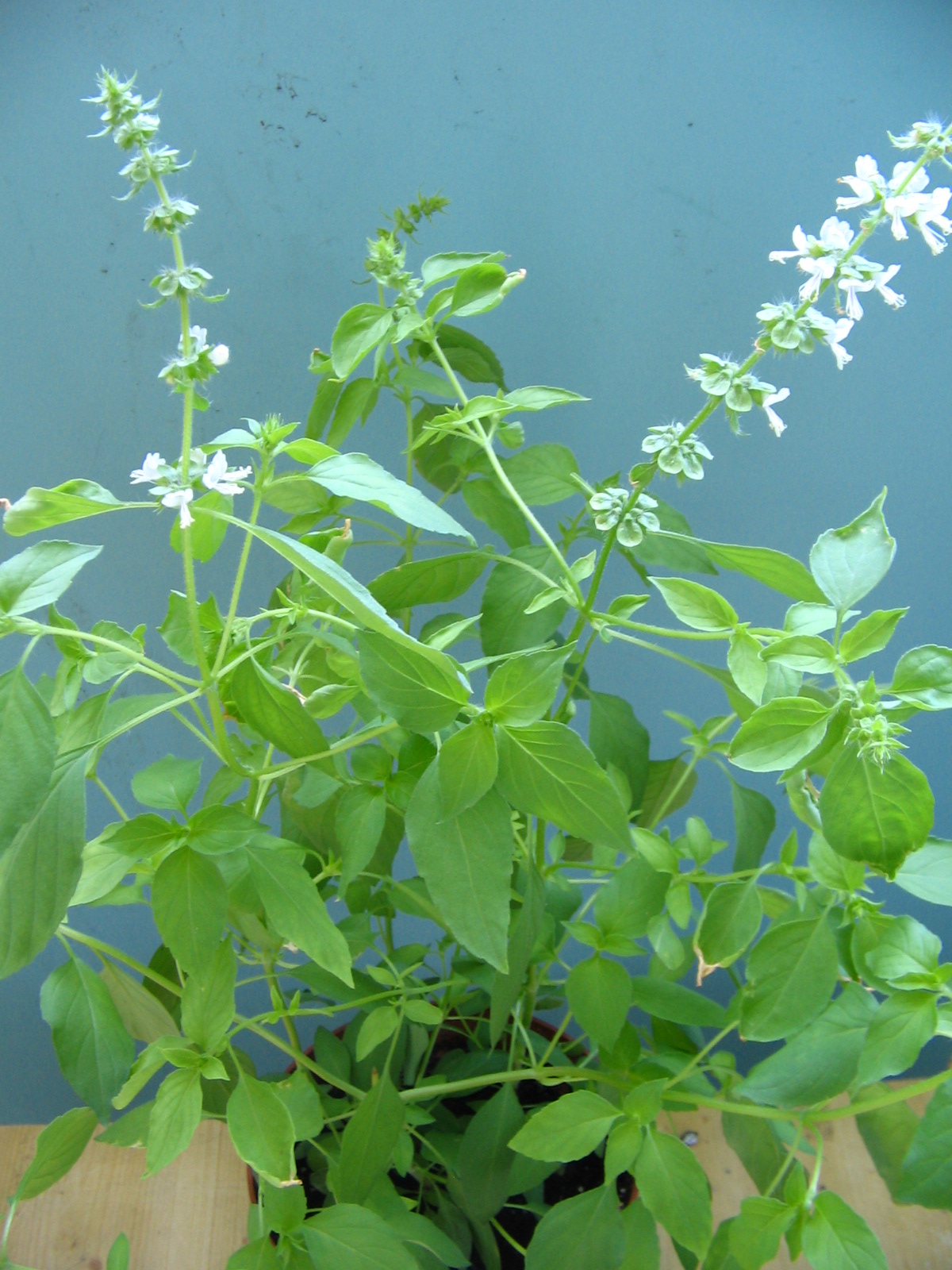 🇱🇦 Laos and 5 moreLemon basil
A hybrid herb with a bright citrus scent, used across Southeast Asia and Africa.Leaf · Citrus and bright · Herbal and green
🇱🇦 Laos and 5 moreLemon basil
A hybrid herb with a bright citrus scent, used across Southeast Asia and Africa.Leaf · Citrus and bright · Herbal and green
Its cousins elsewhere
All leaf 🇬🇷 Greece and 4 moreParsley
A bright green herb from the celery family, used fresh across Europe and the Middle East.Leaf · Bitter · Herbal and green
🇬🇷 Greece and 4 moreParsley
A bright green herb from the celery family, used fresh across Europe and the Middle East.Leaf · Bitter · Herbal and green
 🇮🇷 Iran and 4 moreSaffronزعفران
The dried crimson stigmas of the autumn-blooming saffron crocus.Stigma · Sharp and pungent · Bitter
🇮🇷 Iran and 4 moreSaffronزعفران
The dried crimson stigmas of the autumn-blooming saffron crocus.Stigma · Sharp and pungent · Bitter
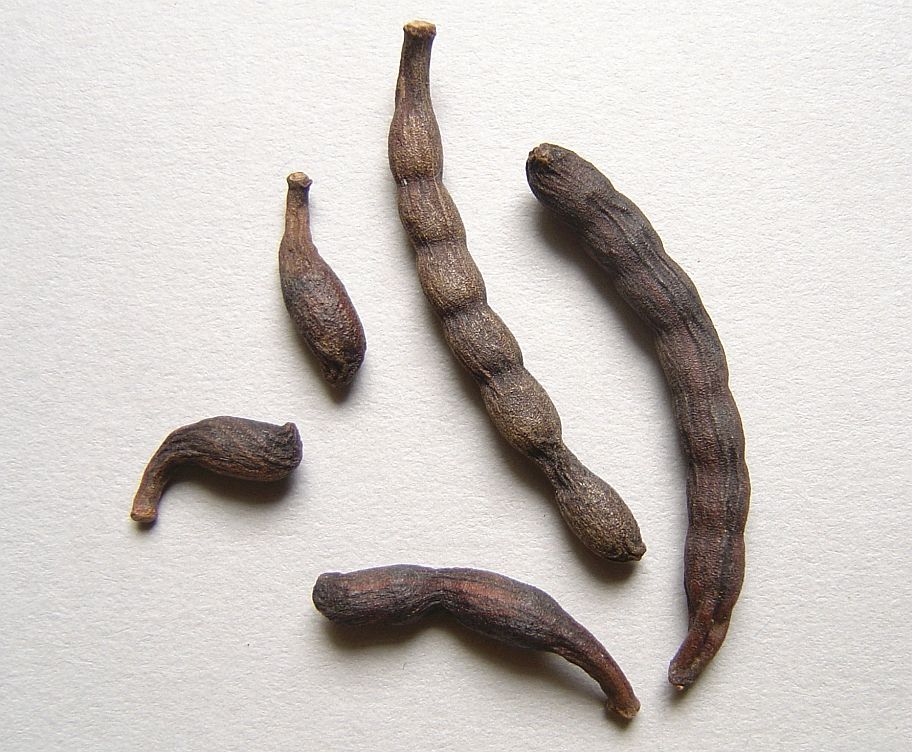 🇬🇭 Ghana and 5 moreGrains of Selimdiarr
The dried fruit of a West African shrub, used as a peppery spice and coffee flavouring.Fruit · Sharp and pungent · Bitter
🇬🇭 Ghana and 5 moreGrains of Selimdiarr
The dried fruit of a West African shrub, used as a peppery spice and coffee flavouring.Fruit · Sharp and pungent · Bitter
 🇮🇳 IndiaLakadong turmericShynrai Lakadong (Khasi), Chyrmit Lakadong (Pnar)
A high-curcumin turmeric variety grown organically in the Jaintia Hills of Meghalaya, India.Earthy and deep · Bitter
🇮🇳 IndiaLakadong turmericShynrai Lakadong (Khasi), Chyrmit Lakadong (Pnar)
A high-curcumin turmeric variety grown organically in the Jaintia Hills of Meghalaya, India.Earthy and deep · Bitter