Regional blends
Caribbean curry powder
A turmeric-yellow blend carried to the Caribbean by Indian indentured workers.
Presented by ClearTrust Free for cooks, makers and the curious.
Trinidad, Guyana, Jamaica and neighbouring islands have large communities descended from Indian workers brought under indenture in the nineteenth century. Their cooking developed into the local curry powder, with turmeric, cumin, coriander, fenugreek and allspice.
What goes in
- Turmeric427%, Colour.
- Coriander seed427%, Base.
- Cumin320%, Earthy.
- Fenugreek17%, Bitter edge.
- Allspice17%, Caribbean note.
- Black pepper17%, Bite.
- Ginger17%, Warm.
Parts by volume of the whole spice. The ring shows each part's share.
Made step by step
Each drawing shows the operation for that step. Ratios and timings differ from house to house; this is one traditional-style way.
Step 1: Toast Toast the coriander, cumin and fenugreek separately. Step 2: Rest Cool them. Step 3: Grind Grind with the allspice and pepper. Step 4: Blend Mix with turmeric and ginger. Step 5: Bloom Mix a spoon with water to a paste and fry it in oil until it darkens. Step 6: Store Store sealed. Finished Caribbean curry powder, by share.
Local character
The blend is typically milder than Indian curries, and may include allspice, thyme or the fresh Scotch bonnet chilli. In Trinidad, roti with curried chickpea and potato, called doubles, is a main street food.
Use
Goat, chicken, duck, shrimp and vegetables are curried. Jamaican curry goat is known across the diaspora. Recipes differ by island and family.
Where it is used
The spices in it
 TurmericColour.
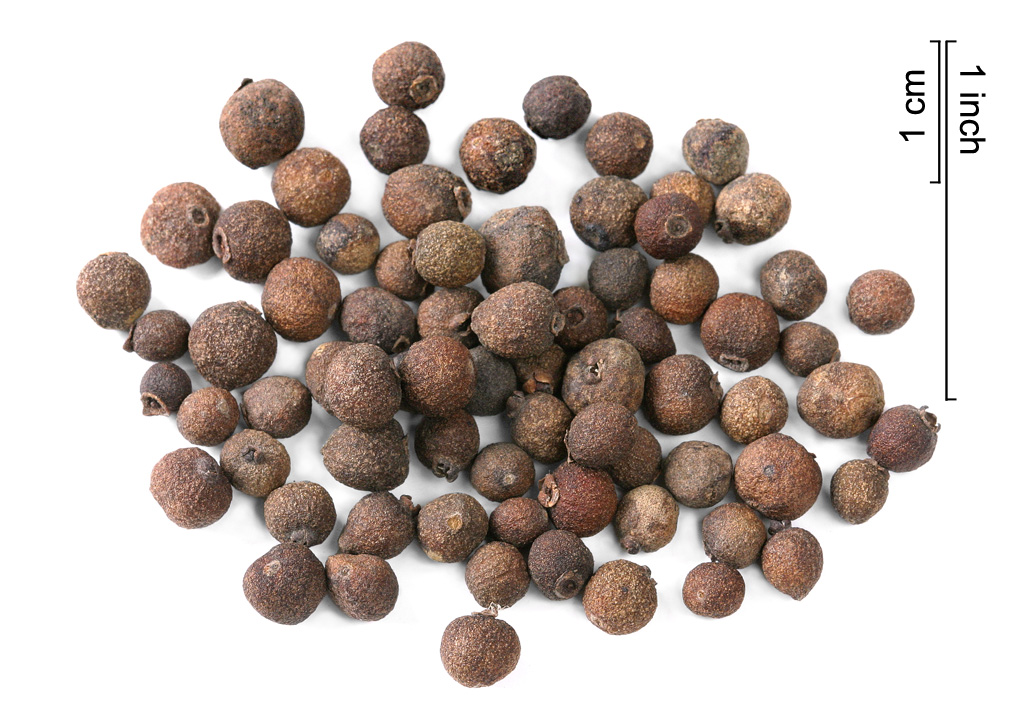 AllspiceLocal note.
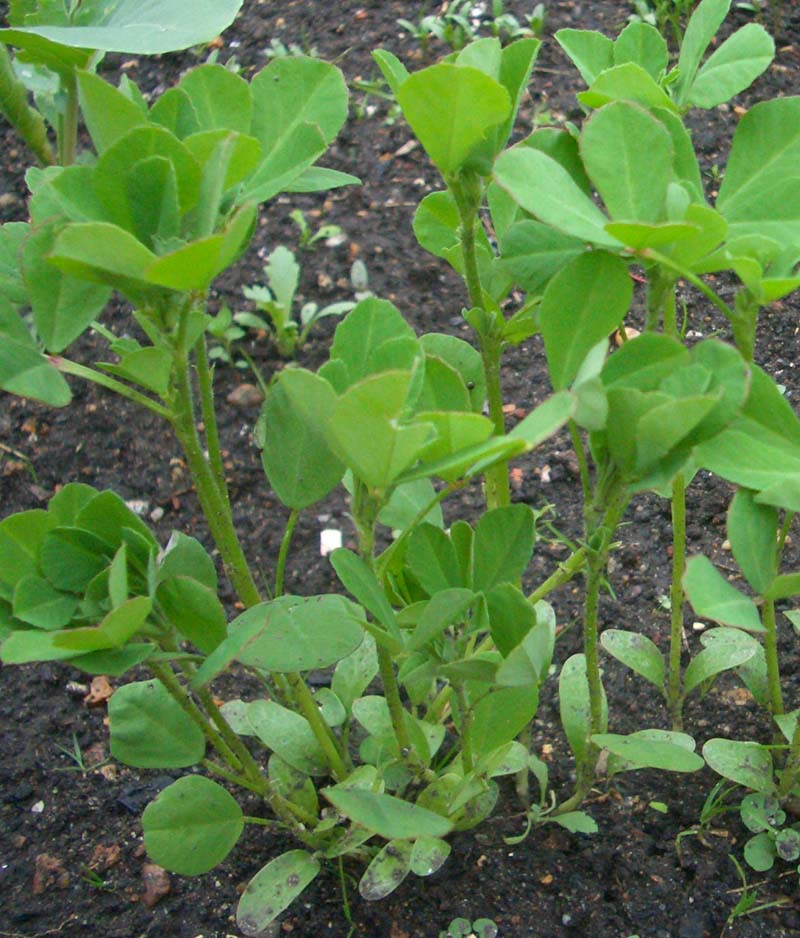 FenugreekSeed.
 CorianderThe leaves and dried seeds of an annual Mediterranean herb used in cuisines worldwide.
 CuminThe dried seed of a small parsley-family herb, used whole or ground in many world cuisines.
 Black pepperThe dried fruit of a climbing vine, the world's most traded spice.
 GingerThe pungent rhizome of a flowering plant, widely used as a spice and folk medicine.
More on EveryMasala
No spices here yet. New pages are added every day.
Sources and further reading
Original text and drawings by the EveryMasala desk, written with AI assistance and checked against the sources above. The shares are an illustrative, traditional-style ratio, not a standard: every family and maker blends differently. If we have something wrong, tell us.
Photo credits on this page
The small pictures above come from Wikimedia Commons under free licences. Some are cropped to fit.
- Allspice: Unknown author, CC BY 2.5, source
- Turmeric: J.M.Garg, CC BY 3.0, source
- Cumin: Sanjay Acharya, CC BY-SA 3.0, source
- Ginger: Forest & Kim Starr, CC BY 3.0, source
- Fenugreek: Yak, CC BY-SA 3.0, source
- Coriander: Thamizhpparithi Maari, CC BY-SA 3.0, source
- Black pepper: David Monniaux, CC BY-SA 3.0, source