
Coriander
Coriandrum sativum
The leaves and dried seeds of an annual Mediterranean herb used in cuisines worldwide.
This annual plant from the Mediterranean region provides fresh leaves known as cilantro and dried fruits called coriander seeds. The leaves offer a bright citrus taste that some people experience as soapy due to genetics, while the seeds deliver a warm, nutty aroma with hints of orange.
- Genetic variant OR6A2 causes some people to taste soap instead of citrus.
- Seeds found in Tutankhamen's tomb prove ancient Egyptian cultivation.
- Linalool provides the warm, nutty flavor in dried coriander seeds.
- Leaves lose aroma quickly when dried or frozen; best used fresh.
- Roots are used in Thai curries for a deeper, more intense flavor.
What is Coriander?
This annual member of the carrot family grows up to fifty centimetres tall with soft stems. The foliage changes shape from broad lobes at the bottom to slender feathery blades near the flowers. Small white or pale pink blooms form asymmetrical clusters where petals extend unevenly. The plant produces dry globular fruits that split into two halves. Fresh leaves provide a bright, lemony profile for many dishes, though genetic differences cause some individuals to detect a soapy or rotten scent instead. The dried fruits offer a contrasting warm, nutty character with distinct orange notes.
Where does Coriander come from?
The species originates in the Mediterranean Basin, spreading across West Asia and Southern Europe. Determining the exact native range is difficult because wild populations exist over such a wide area. Research points to Israel and Portugal as possible centers of origin. Archaeological evidence includes desiccated fruits found in Israeli caves dating back eight thousand years. Ancient Egyptians likely cultivated the plant, as it does not grow wild there, and seeds were discovered in Tutankhamen's tomb. Greek texts from the second millennium BCE also reference its use for perfumes and cooking.
What does Coriander taste like?
The distinctive smell comes from linalool, a terpene found in both leaves and seeds. Leaf flavor relies on aldehydes like 2-decenal and 2-dodecenal, creating a sharp, citrus punch. Seed flavor depends heavily on linalool and pinene, resulting in a warmer, spicier taste. Genetic variations in the OR6A2 receptor affect how people perceive these compounds. Those sensitive to unsaturated aldehydes often describe the leaves as tasting like soap or decay, while others enjoy the refreshing zest. This sensitivity runs in families, with identical twins frequently sharing the same preference.
How Coriander is grown and processed
Seeds have hard coats and low germination rates, requiring careful planting conditions. The plant thrives in temperate to tropical climates depending on the variety. Large-fruited types grown in places like India and Morocco contain less volatile oil and are suited for grinding. Smaller-fruited varieties from cooler regions yield higher oil content, making them valuable for essential oils. Harvesting involves collecting the dry fruits after flowering. Seeds lose their potency quickly once ground, so they are best processed fresh before storage.
Coriander, drawn
How Coriander is used
Cooking utilizes both the green foliage and the dried seeds. Leaves are added raw to salads, salsas, and chutneys, or stirred into hot dishes just before serving to preserve their aroma. In Indian cooking, leaves are sometimes cooked down until the flavor softens. Seeds serve as a spice in curries, garam masala, and pickling brines. They are also roasted to enhance their pungency and used in sausages in Germany and South Africa. Brewers add seeds to certain wheat beers alongside orange peel, and distillers use them in gin production.
Coriander in the world's kitchens
Indian cuisine employs large quantities of both leaves and seeds, often using ground mixtures as thickeners. Mexican cooking relies heavily on the fresh leaves for salsas and guacamole. Thai kitchens incorporate the roots into curry pastes and soups for a deeper flavor. Southeast Asian recipes use the herb extensively in fresh salads and dipping sauces. European traditions include the seeds in rye breads and German sausages. Belgian brewers utilize the seeds for citrus notes in wheat beers, while Zuni cooks blend powdered seeds with chili peppers for meat condiments.
At a glance: where it turns up


Spiritual and ceremonial use
Ancient Egyptian texts like the Ebers Papyrus document medicinal and ritual uses of the plant. Coriander seeds were placed in tombs, including that of Tutankhamen, suggesting spiritual significance. The Torah references the herb when describing the taste of manna, indicating its familiarity in ancient Israelite culture. Hippocrates and Dioscorides recorded its properties in early medical writings, linking it to traditional healing practices rather than specific religious ceremonies.
Coriander at celebrations
No specific festivals or holidays are directly tied to this spice in the provided records. Its presence in ancient rituals suggests historical importance, but modern celebratory customs are not detailed. The herb appears in everyday cooking across many cultures rather than being reserved for special occasions.
Traditional and medicinal use
Traditional medicine systems have long recognized the plant's properties. Ancient Greek physicians prescribed it for digestive issues. The seeds are traditionally used to aid digestion and reduce bloating. Essential oils derived from the plant show antibacterial activity against several bacteria strains. Some individuals may experience allergic reactions ranging from mild symptoms to life-threatening responses, particularly those sensitive to other plants in the Apiaceae family.
Buying and storing Coriander
Fresh leaves spoil rapidly after harvest and lose their aroma if dried or frozen. Ground seeds degrade quickly and should be stored airtight in a cool, dark place. Whole seeds retain their flavor longer than powder. For best results, grind seeds just before use to capture the full aromatic potential. Keep away from moisture to prevent mold growth and maintain potency.
What to use instead of Coriander
Culantro offers a similar but more intense flavor for leaf substitutes. Vietnamese coriander provides a comparable aroma in Southeast Asian dishes. Summer cilantro serves as another alternative in some regions. For seed substitutes, caraway is sometimes used in breads, though the flavor differs significantly. No single ingredient perfectly replicates the unique combination of citrus and warmth found in coriander.
The trade in Coriander
The global trade involves large-scale cultivation in countries like India, Morocco, and Australia. Large-fruited varieties dominate the spice market for grinding and blending. Smaller-fruited types from temperate zones supply the essential oil industry. Adulteration is a concern in the spice trade, requiring quality control measures. Geographical indications help protect specific regional varieties. Historical trade routes spread the herb from the Mediterranean to the Americas and Asia, establishing it as a staple in diverse culinary traditions.
Meal
Fresh leaves appear frequently as garnishes for soups, fish, and meat dishes. They are essential components in street foods like tacos and various Asian noodle bowls. Seeds feature in snacks such as roasted dhania dal. The ingredient fits into daily meals across many cultures, from breakfast chutneys to dinner curries. It also plays a role in preserves and cured meats, adding complexity to savory preparations without dominating the palate.
Blends with Coriander
Questions people ask about Coriander
Why do some people think coriander tastes like soap?
A genetic variant in the OR6A2 receptor makes some individuals sensitive to specific aldehydes in the leaves. These chemicals trigger a perception of soap or rot, while others enjoy the citrus flavor. This trait is hereditary, often shared by identical twins.
What is the difference between cilantro and coriander?
They come from the same plant. Cilantro refers to the fresh leaves used in American English, especially in Mexican cooking. Coriander usually denotes the dried seeds used as a spice globally. Both parts are edible and belong to the Apiaceae family.
How should I store coriander seeds to keep them fresh?
Store whole seeds in an airtight container away from light and heat. Ground seeds lose flavor rapidly, so grind them only when needed. Whole seeds maintain their potency much longer than powder, ensuring better aroma in your dishes.
Where did coriander originate?
The plant is native to the Mediterranean Basin, with possible origins in Israel and Portugal. Archaeological finds in Israel date back eight thousand years. Ancient Egyptians and Greeks also cultivated it early on, spreading it across trade routes.
Can I use coriander roots in cooking?
Yes, roots are common in Thai cuisine. They provide a deeper, more intense flavor than the leaves. Chefs often chop them finely and add them to curry pastes and soups for extra depth and aroma.
Good reading and sources
- Coriander on WikipediaEncyclopedia
- More photos on Wikimedia CommonsPhotos and video
- Wikidata recordOpen data
The facts on this page come from the Wikipedia article "Coriander", written by its contributors and used under the CC BY-SA 4.0 licence, and from its Wikidata record (CC0). EveryMasala rewrote the text in its own words, with AI assistance, and compares every page with the article to make sure no passage is copied. It may be reused under the same CC BY-SA 4.0 licence with a link back.
It may contain mistakes. Names, strengths and customs differ from one grower, kitchen or shop to the next. Traditional and medicinal uses are described as tradition, never as medical advice, and none of this is a substitute for a doctor. If something is wrong, tell us. Last refreshed 2026-10-04.
More from Israel
All the spices of Israel 🇵🇸 Palestine and 4 moreGreek sage
A perennial Mediterranean herb with silvery leaves and pinkish-lavender flowers.Leaf · Herbal and green
🇮🇱 IsraelNufar basil
A sweet basil variety bred in Israel to resist a deadly fungal wilt disease.Leaf · Sweet and mellow
🇵🇸 Palestine and 4 moreGreek sage
A perennial Mediterranean herb with silvery leaves and pinkish-lavender flowers.Leaf · Herbal and green
🇮🇱 IsraelNufar basil
A sweet basil variety bred in Israel to resist a deadly fungal wilt disease.Leaf · Sweet and mellow
 🇬🇷 Greece and 3 moreWhite mustard
The beige seeds of a Mediterranean annual, ground into mild yellow condiments.Seed · Sharp and pungent
🇬🇷 Greece and 3 moreWhite mustard
The beige seeds of a Mediterranean annual, ground into mild yellow condiments.Seed · Sharp and pungent
 🇪🇬 Egypt and 3 moreAnise
The sweet, licorice-flavored seed of an annual herb from the Mediterranean basin.Seed · Sweet and mellow · Anise and liquorice
🇪🇬 Egypt and 3 moreAnise
The sweet, licorice-flavored seed of an annual herb from the Mediterranean basin.Seed · Sweet and mellow · Anise and liquorice
Its cousins elsewhere
All leaf 🇮🇳 India and 2 moreCardamom
Aromatic seeds from spindle-shaped pods used in sweet and savory dishes across Asia and the Middle East.Seed · Sharp and pungent · Warm and sweet-spiced
🇮🇳 India and 2 moreCardamom
Aromatic seeds from spindle-shaped pods used in sweet and savory dishes across Asia and the Middle East.Seed · Sharp and pungent · Warm and sweet-spiced
 🇮🇳 India and 4 moreCurry paste
A blended mixture of spices and aromatics used as the base for curries in Asia.Warm and sweet-spiced · Earthy and deep
🇮🇳 India and 4 moreCurry paste
A blended mixture of spices and aromatics used as the base for curries in Asia.Warm and sweet-spiced · Earthy and deep
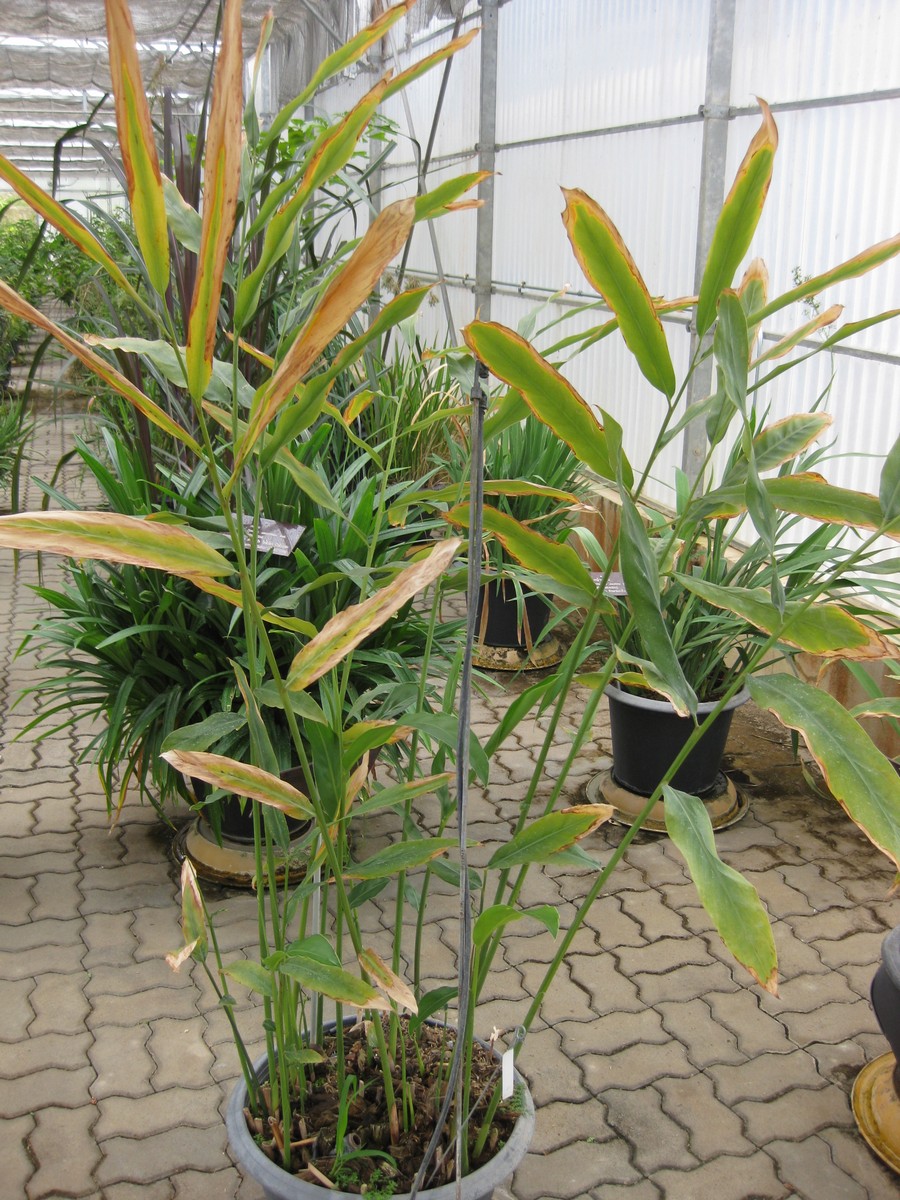 🇮🇩 Indonesia and 5 moreGreater galangalข่า
The pungent rhizome of a ginger relative, essential in Southeast Asian soups and curries.Root · Sharp and pungent · Citrus and bright
🇮🇩 Indonesia and 5 moreGreater galangalข่า
The pungent rhizome of a ginger relative, essential in Southeast Asian soups and curries.Root · Sharp and pungent · Citrus and bright
 🇵🇪 Peru and 3 morePink peppercornmulli
The dried pink drupes of the Schinus molle tree, sold as a peppery alternative to black pepper.Fruit · Sharp and pungent · Citrus and bright
🇵🇪 Peru and 3 morePink peppercornmulli
The dried pink drupes of the Schinus molle tree, sold as a peppery alternative to black pepper.Fruit · Sharp and pungent · Citrus and bright