Regional blends
Ras el hanout
Morocco's 'top of the shop' blend, with a dozen or more spices chosen by each spice seller.
Presented by ClearTrust Free for cooks, makers and the curious.
Ras el hanout is Arabic for head of the shop, meaning the best the seller has. It is a North African blend that can contain a dozen to several dozen ingredients, and there is no single standard recipe. Each spice merchant in Marrakech and Fes keeps a house mix.
What goes in
- Cumin318%, Earthy.
- Coriander seed318%, Citrus.
- Ginger318%, Warmth.
- Cinnamon212%, Sweet.
- Turmeric212%, Colour.
- Black pepper212%, Bite.
- Rose petals16%, Floral.
- Cardamom16%, Perfume.
Parts by volume of the whole spice. The ring shows each part's share.
Made step by step
Each drawing shows the operation for that step. Ratios and timings differ from house to house; this is one traditional-style way.
Step 1: Dry Dry the rose petals and any whole spices that are damp. Step 2: Toast Toast the cumin, coriander and cardamom lightly. Step 3: Rest Cool the spices. Step 4: Grind Grind the toasted spices with the cinnamon and pepper. Step 5: Blend Add the ginger, turmeric and crumbled petals. Step 6: Store Store in a sealed jar, away from light. Finished Ras el hanout, by share.
What it holds
Common parts are cumin, coriander, ginger, turmeric, cinnamon, black pepper, cardamom, paprika, nutmeg and mace, with rose petals, lavender or galangal in some. Claims about rare or exotic additions in some shops vary and are best checked with the seller.
Use
It seasons tagines, couscous, rice, roast meat and vegetables. The mixture is warm and floral, not very hot.
Where it is used
The spices in it
 CuminBase.
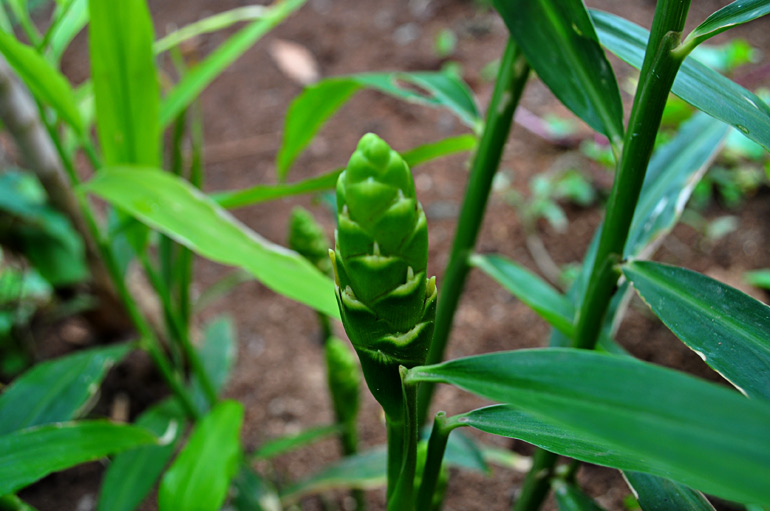 GingerWarm.
 CorianderThe leaves and dried seeds of an annual Mediterranean herb used in cuisines worldwide.
 GingerThe pungent rhizome of a flowering plant, widely used as a spice and folk medicine.
 CinnamonThe dried inner bark of Cinnamomum trees, prized for its sweet warmth and essential oil.
 TurmericThe dried rhizome of a tropical ginger relative, prized for its golden color and earthy bite.
 Black pepperThe dried fruit of a climbing vine, the world's most traded spice.
 CardamomAromatic seeds from spindle-shaped pods used in sweet and savory dishes across Asia and the Middle East.
Also part of it, and being written: Rose (Petals.).
More on EveryMasala
No spices here yet. New pages are added every day.
Sources and further reading
Original text and drawings by the EveryMasala desk, written with AI assistance and checked against the sources above. The shares are an illustrative, traditional-style ratio, not a standard: every family and maker blends differently. If we have something wrong, tell us.
Photo credits on this page
The small pictures above come from Wikimedia Commons under free licences. Some are cropped to fit.
- Turmeric: J.M.Garg, CC BY 3.0, source
- Ginger: Forest & Kim Starr, CC BY 3.0, source
- Cumin: Sanjay Acharya, CC BY-SA 3.0, source
- Ginger: Venkatx5, CC BY-SA 3.0, source
- Cardamom: Didier Descouens, CC BY-SA 4.0, source
- Black pepper: David Monniaux, CC BY-SA 3.0, source
- Coriander: Thamizhpparithi Maari, CC BY-SA 3.0, source
- Cinnamon: Luc Viatour, CC BY-SA 3.0, source