Ginger
Zingiber officinale
The pungent rhizome of a flowering perennial, one of the world's most traded spices.
A flowering plant from Maritime Southeast Asia whose underground stem is used as a spice and folk medicine. It delivers a sharp, warm bite and is essential in cuisines across Asia, Africa, and the Caribbean.
- India produces 45% of the world's ginger supply.
- Austronesian peoples domesticated it around 5,000 years ago.
- Confucius ate it with every meal according to ancient texts.
- It was used to prevent scurvy on Chinese ships in 406 CE.
- World production reached 4.9 million tonnes in 2023.
What is Ginger?
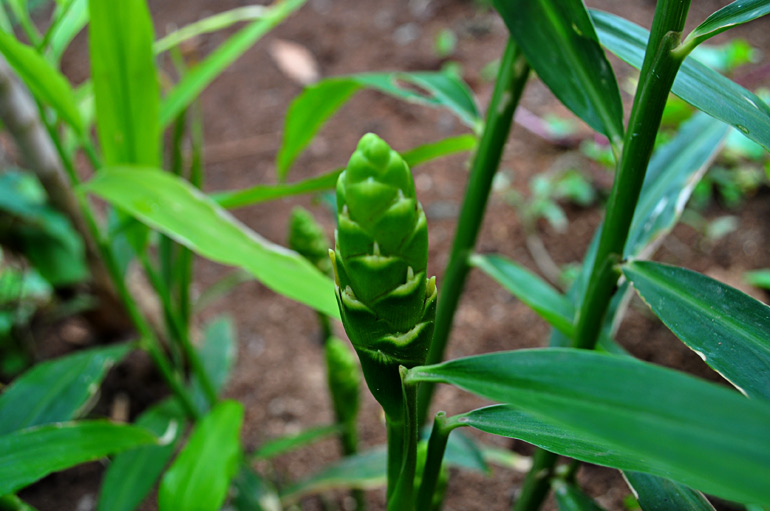
This spice comes from the thick, branching underground stem of a tall herbaceous plant. The plant itself produces narrow leaves and pale yellow flowers with purple edges that rise on separate shoots. The part used in cooking is the rhizome, which has a firm texture and a distinctive pale interior when cut. It offers a sharp, warming heat that tingles the tongue and carries a citrusy, woody aroma. The flavor profile is complex, balancing spicy warmth with subtle sweetness.
Where does Ginger come from?
The plant first appeared in the islands of Maritime Southeast Asia. Ancient Austronesian peoples were the first to cultivate it, using it for food, weaving mats from leaves, and in spiritual rituals for healing and ship blessings. They carried the plant on their voyages across the Pacific, reaching Hawaii long before other civilizations made contact. From there, it moved to India and eventually spread to the Middle East and Europe via early trade routes.
What does Ginger taste like?
The taste is defined by zingiberene and shogaol, compounds that create a distinct pungency and warmth. It hits the palate with an immediate sharpness that lingers, often described as hot but not like chili peppers. The aroma is fresh and slightly sweet, becoming more intense and peppery when dried or cooked. This unique combination makes it a versatile base for both savory dishes and sweet treats.
How Ginger is grown and processed
Farmers grow this crop in warm, humid climates with well-drained soil. In India, planting typically happens at the start of the monsoon season. The rhizomes are treated to prevent rot before being placed in prepared fields. Farmers mulch the beds to keep moisture in and hill the soil around the stems as they grow. Harvest occurs between four and ten months later, depending on whether fresh or dry roots are needed.
Ginger, drawn
How Ginger is used
Cooks use the fresh root grated, sliced, or crushed into curries, stir-fries, and soups. Dried powder is common in baked goods, cookies, and teas. In the Caribbean, it flavors rum and sorbets. Traditional preparations include pickling young shoots or candying slices for sweets. It is also steeped in hot water to make soothing drinks, often served to guests as a gesture of hospitality.
Ginger in the world's kitchens
Indian cooking relies heavily on it for its warming properties in complex spice blends. Chinese cuisine uses it to remove gamey odors from meat and in stir-fries. Japanese kitchens employ it in sushi accompaniments and noodle broths. Caribbean cooks infuse it into desserts and beverages. European traditions historically used it in medieval stews and modern baking, while African cuisines incorporate it into slow-cooked meats and grains.
At a glance: where it turns up


Spiritual and ceremonial use
Among Austronesian cultures, the plant held deep religious significance. It was used in rituals to ask for protection from spirits and to bless ships before voyages. In China, Confucius reportedly ate it with every meal, viewing it as a staple of health. Buddhist and Hindu traditions have long incorporated it into dietary practices and medicinal preparations for balance and well-being.
Ginger at celebrations
It is commonly served to welcome guests in many Asian households. Its presence in festive foods and traditional remedies marks it as a staple during family gatherings and daily celebrations of life, rather than specific calendar festivals.
Traditional and medicinal use
Traditional medicine systems in China, India, and Japan have used it for centuries to aid digestion and soothe nausea. It is traditionally given to pregnant women to ease morning sickness, though scientific evidence varies. Historically, it was also used to treat kidney issues and prevent scurvy on long sea voyages. Safety notes suggest consulting doctors before high-dose use, especially during chemotherapy.
Buying and storing Ginger
Fresh roots should be kept in a cool, dry place or refrigerated to prevent drying out. Dried powder loses potency over time and should be stored in airtight containers away from light. When buying, choose firm roots without mold or soft spots. Whole dried rhizomes can be ground fresh at home for maximum flavor.
The trade in Ginger
India leads global production, accounting for nearly half of the world's supply. Nigeria and China are also major producers. Historically, it was one of the first spices exported from Asia to Europe, driving early maritime trade. Roman elites paid high prices for it, and it remained a luxury item in medieval England. Today, it is traded globally through complex networks involving village traders, regional markets, and international shipping.
Meal
It appears across all daily meals. Breakfasts may include ginger tea or grated root in oatmeal. Lunches and dinners feature it in stews, meats, and vegetable dishes. Snacks often involve candied pieces or pickled slices. Desserts range from spiced cakes to ice creams. Street vendors sell ginger-based drinks and preserved snacks, while preserves like chutneys extend its use into winter months.
Blends with Ginger
Questions people ask about Ginger
Where does ginger come from?
It originated in Maritime Southeast Asia and was first domesticated by Austronesian peoples who spread it across the Pacific and to India through ancient trade and migration routes.
What does ginger taste like?
It has a sharp, pungent, and warming flavor with citrusy notes. The heat comes from compounds like zingiberene, creating a distinct tingle that is different from chili peppers.
How is ginger used in cooking?
It is used fresh, dried, or powdered in savory dishes, soups, and baked goods. It flavors curries, stir-fries, teas, and desserts, and is often pickled or candied for snacks.
Is ginger good for nausea?
Traditionally, it has been used for centuries in Asian medicine to soothe stomach upset and morning sickness. Modern studies suggest some benefit for pregnancy-related nausea, though evidence for chemotherapy nausea is less clear.
Who are the biggest producers today?
India is the largest producer, growing nearly half of the global supply. Nigeria and China are also significant producers, with India exporting widely to Asia and beyond.
Good reading and sources
- Ginger on WikipediaEncyclopedia
- More photos on Wikimedia CommonsPhotos and video
- Wikidata recordOpen data
The facts on this page come from the Wikipedia article "Ginger", written by its contributors and used under the CC BY-SA 4.0 licence, and from its Wikidata record (CC0). EveryMasala rewrote the text in its own words, with AI assistance, and compares every page with the article to make sure no passage is copied. It may be reused under the same CC BY-SA 4.0 licence with a link back.
It may contain mistakes. Names, strengths and customs differ from one grower, kitchen or shop to the next. Traditional and medicinal uses are described as tradition, never as medical advice, and none of this is a substitute for a doctor. If something is wrong, tell us. Last refreshed 2026-10-04.
More from Indonesia
All the spices of Indonesia 🇮🇩 Indonesia and 3 moreTemulawak
The rhizome of a Javanese ginger relative, used for its earthy flavour and traditional wellness drinks.Root · Earthy and deep · Bitter
🇮🇩 Indonesia and 3 moreTemulawak
The rhizome of a Javanese ginger relative, used for its earthy flavour and traditional wellness drinks.Root · Earthy and deep · Bitter
 🇮🇩 Indonesia and 5 moreGreater galangalข่า
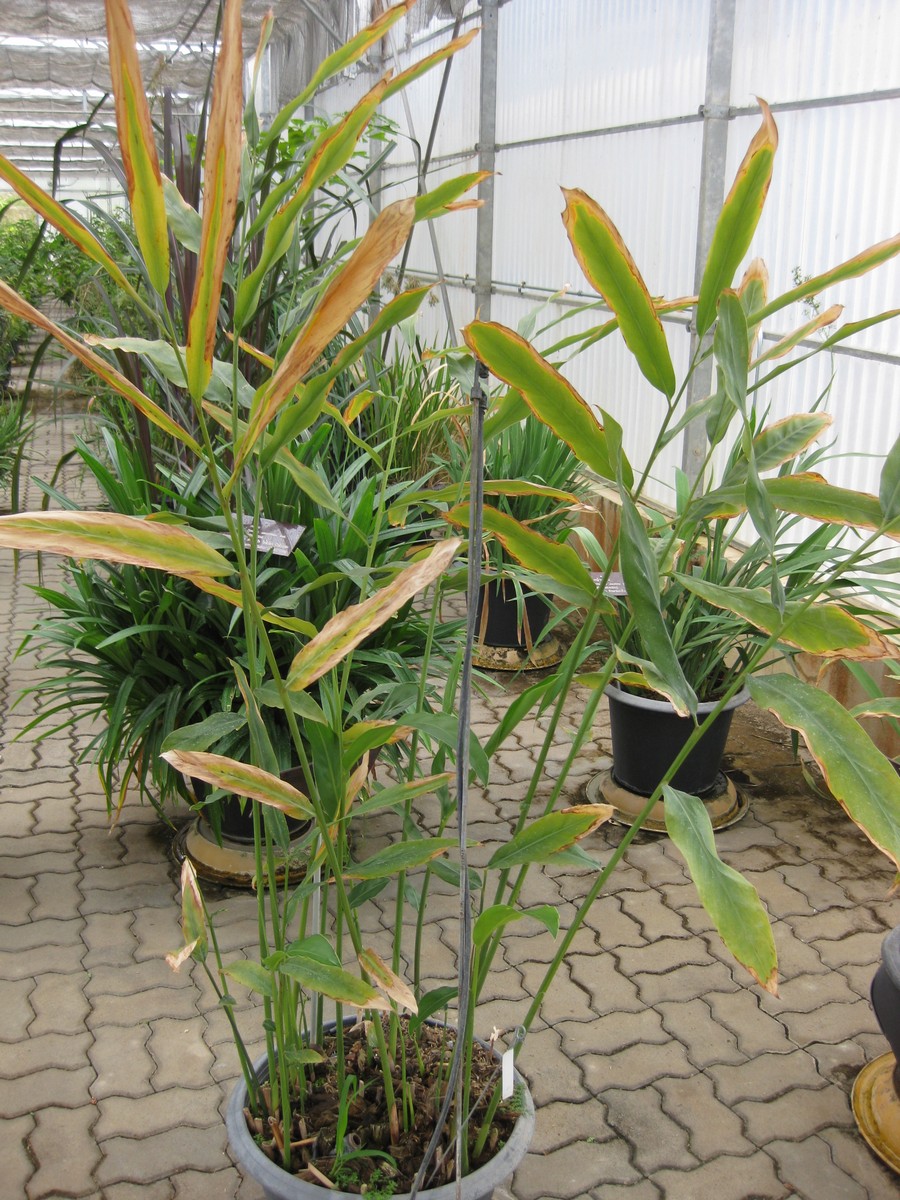
The pungent rhizome of a ginger relative, essential in Southeast Asian soups and curries.Root · Sharp and pungent · Citrus and bright
🇮🇩 Indonesia and 3 moreGalangal
The pungent rhizome of the ginger family, essential to Southeast Asian soups and pastes.Root · Sharp and pungent · Warm and sweet-spiced
🇮🇩 Indonesia and 5 moreGreater galangalข่า
The pungent rhizome of a ginger relative, essential in Southeast Asian soups and curries.Root · Sharp and pungent · Citrus and bright
🇮🇩 Indonesia and 3 moreGalangal
The pungent rhizome of the ginger family, essential to Southeast Asian soups and pastes.Root · Sharp and pungent · Warm and sweet-spiced
 🇮🇩 Indonesia and 5 moreKencur沙姜
A stemless ginger-family rhizome with a peppery, camphorous biteRoot · Sharp and pungent · Herbal and green
🇮🇩 Indonesia and 5 moreKencur沙姜
A stemless ginger-family rhizome with a peppery, camphorous biteRoot · Sharp and pungent · Herbal and green
Its cousins elsewhere
All root 🇮🇳 India and 4 moreCurry powder
A Western adaptation of Indian spice blends for cooking sauces and stews.Blend · Warm and sweet-spiced · Earthy and deep
🇮🇳 India and 4 moreCurry powder
A Western adaptation of Indian spice blends for cooking sauces and stews.Blend · Warm and sweet-spiced · Earthy and deep
 🇪🇹 Ethiopia and 1 moreBerbereበርበሬ (bärbäre)
A complex Ethiopian spice blend built on chili peppers, coriander, and ginger.Hot and fiery · Warm and sweet-spiced
🇪🇹 Ethiopia and 1 moreBerbereበርበሬ (bärbäre)
A complex Ethiopian spice blend built on chili peppers, coriander, and ginger.Hot and fiery · Warm and sweet-spiced
 🇮🇳 IndiaChaat masala
A tangy Indian spice blend for savory snacks and fruit saladsBlend · Sour and tart · Sharp and pungent
🇮🇳 IndiaChaat masala
A tangy Indian spice blend for savory snacks and fruit saladsBlend · Sour and tart · Sharp and pungent
 🇪🇹 EthiopiaMitmitaሚጥሚጣ
A fiery Ethiopian spice blend of bird's eye chilies, cardamom, and cloves.Blend · Hot and fiery · Warm and sweet-spiced
🇪🇹 EthiopiaMitmitaሚጥሚጣ
A fiery Ethiopian spice blend of bird's eye chilies, cardamom, and cloves.Blend · Hot and fiery · Warm and sweet-spiced