Ají amarillo
Capsicum baccatum var. pendulum
A golden-orange Peruvian chili with fruity notes and moderate heat
This is a cultivar of Capsicum baccatum cultivated in Peru. The fresh pods offer a mango-like taste with gentle warmth, while the sun-dried version provides a sweeter depth for slow cooking.
- Ripens to deep golden-orange despite the name
- Heat ranges from 30,000 to 50,000 Scoville units
- Dried form called ají mirasol has raisin-like sweetness
- Named Flavor of the Year by McCormick in 2025
- Core ingredient alongside garlic and onion in Peru
What is Ají amarillo?
The ají amarillo belongs to the Capsicum baccatum species and originates from Peru. Its pods are long and tapering, shifting from green to a bright golden-orange hue when ripe. The name translates directly to yellow chili, though the actual colour is deeper. Fresh peppers deliver a fruity profile reminiscent of tropical fruits like mango and passion fruit. They carry a moderate burn level, sitting around thirty thousand to fifty thousand Scoville units. This intensity matches that of a serrano pepper. When dried under the sun, the pods become known as ají mirasol. This dried form concentrates the sugars, creating a raisin-like sweetness suitable for stews.
Where does Ají amarillo come from?
This variety is native to Peru. It serves as a foundational element within the country's culinary traditions. Alongside garlic and red onion, it forms a core flavour base often referred to as a holy trinity. The plant has been integrated deeply into local cooking practices over time. Its significance remains central to national dishes today.
What does Ají amarillo taste like?
The taste combines distinct fruitiness with a gentle kick. Cooks describe the aroma and palate as similar to passion fruit and mango. The heat sits at roughly thirty thousand to fifty thousand Scoville units. This places it in the moderate range, comparable to a serrano pepper. Drying the pods changes the profile significantly. Sun-dried ají mirasol develops a concentrated sweetness. This sweet note resembles dried raisins and works well in slow-cooked preparations.
How Ají amarillo is grown and processed
Farmers cultivate this chili throughout Peru. The pods grow on vines until they reach full size. Harvest occurs when the skin turns from green to a vibrant golden-orange. For fresh use, cooks pick the peppers while plump. To make ají mirasol, farmers lay the pods out in direct sunlight. This drying process removes moisture and intensifies the natural sugars inside the fruit.
Ají amarillo, drawn
How Ají amarillo is used
Chefs rely on this pepper for many classic recipes. It provides both colour and character to national staples. You will find it in dishes like ají de gallina and lomo saltado. The paste form often blends with garlic and onions. Cooks use the dried version, ají mirasol, in braises. The dried pods add a sweet depth to slow-cooked meats and vegetables.
Ají amarillo in the world's kitchens
Peruvian cuisine depends heavily on this pepper. It defines the taste profile of many regional specialties. Cooks use it to create signature sauces and marinades. The versatility allows it to work in both fresh pastes and dried powders. Other South American cuisines may use similar chilies, but this specific variety remains tied to Peru.
At a glance: where it turns up
By meal
Cuisines
Spiritual and ceremonial use
No specific religious rituals or offerings are associated with this chili in the provided records.
Traditional and medicinal use
Traditional medicine uses are not detailed in the available information. No folk remedies or safety warnings regarding consumption are mentioned.
Buying and storing Ají amarillo
Fresh pods should be kept cool and used quickly. Dried ají mirasol can be stored longer if kept away from moisture. Grinding the dried pods preserves the flavour for future stews.
What to use instead of Ají amarillo
Serrano peppers offer a similar heat level. Passion fruit or mango flavours might mimic the taste profile, but they lack the capsaicin burn. Other yellow chilies may provide colour but differ in aromatic complexity.
The trade in Ají amarillo
Global interest in this pepper has grown recently. In January 2025, McCormick named it its Flavor of the Year. This recognition highlighted rising demand for Peruvian ingredients outside their home region. Trade routes now carry both fresh and dried forms to international markets.
Meal
This ingredient appears across various dining occasions. It features prominently in dinner plates featuring meat or potatoes. Street vendors also incorporate it into fast food items. The bold flavour stands up well to hearty lunches and evening meals alike.
Questions people ask about Ají amarillo
What does ají amarillo taste like?
It offers a fruity flavour similar to passion fruit and mango. The heat is moderate, reaching about thirty thousand to fifty thousand Scoville units. Dried versions add a sweet, raisin-like note to dishes.
Where does this chili come from?
It is a cultivar of Capsicum baccatum native to Peru. It is a staple ingredient in Peruvian cuisine and essential for many national dishes.
What is the difference between ají amarillo and ají mirasol?
Ají amarillo refers to the fresh, golden-orange pod. Ají mirasol is the same pepper dried in the sun. Drying concentrates the sugars, creating a sweeter, more intense flavour for slow cooking.
How hot is an ají amarillo pepper?
It carries a moderate heat level of roughly thirty thousand to fifty thousand Scoville units. This intensity is comparable to a serrano pepper, providing warmth without overwhelming spice.
Good reading and sources
The facts on this page come from the Wikipedia article "Ají amarillo", written by its contributors and used under the CC BY-SA 4.0 licence, and from its Wikidata record (CC0). EveryMasala rewrote the text in its own words, with AI assistance, and compares every page with the article to make sure no passage is copied. It may be reused under the same CC BY-SA 4.0 licence with a link back.
It may contain mistakes. Names, strengths and customs differ from one grower, kitchen or shop to the next. Traditional and medicinal uses are described as tradition, never as medical advice, and none of this is a substitute for a doctor. If something is wrong, tell us. Last refreshed 2026-10-04.
More from Peru
All the spices of Peru 🇵🇪 Peru and 5 moreChili pepperchīlli
The pungent berry of the Capsicum plant, used to add heat to dishes worldwide.Fruit · Hot and fiery · Earthy and deep
🇵🇪 Peru and 5 moreChili pepperchīlli
The pungent berry of the Capsicum plant, used to add heat to dishes worldwide.Fruit · Hot and fiery · Earthy and deep
 🇲🇽 Mexico and 5 moreJalapeño
A medium-sized Capsicum annuum cultivar from Mexico known for its green pods and moderate heat.Chilli · Hot and fiery · Earthy and deep
🇲🇽 Mexico and 5 moreJalapeño
A medium-sized Capsicum annuum cultivar from Mexico known for its green pods and moderate heat.Chilli · Hot and fiery · Earthy and deep
 🇵🇪 Peru and 1 moreAjí panca
A mild, fruity Peruvian chili used for its deep red color and sun-dried flavor.Chilli · Sweet and mellow
🇵🇪 Peru and 1 moreAjí panca
A mild, fruity Peruvian chili used for its deep red color and sun-dried flavor.Chilli · Sweet and mellow
 🇵🇪 Peru and 1 moreCapsicum cardenasiiulupica
A wild Andean chilli with white and purple flowers, known as ulupica.Chilli · Hot and fiery
🇵🇪 Peru and 1 moreCapsicum cardenasiiulupica
A wild Andean chilli with white and purple flowers, known as ulupica.Chilli · Hot and fiery
Its cousins elsewhere
All chilli 🇺🇸 United StatesCarolina Reaper
A gnarled red cultivar of Capsicum chinense bred in South Carolina for extreme heat.Chilli · Hot and fiery · Sweet and mellow
🇺🇸 United StatesCarolina Reaper
A gnarled red cultivar of Capsicum chinense bred in South Carolina for extreme heat.Chilli · Hot and fiery · Sweet and mellow
 🇯🇵 Japan and 1 moreShishito pepper獅子唐辛子 (Shishitōgarashi)
A slender East Asian chili that is mostly mild with occasional spicy surprises.Sweet and mellow · Hot and fiery
🇯🇵 Japan and 1 moreShishito pepper獅子唐辛子 (Shishitōgarashi)
A slender East Asian chili that is mostly mild with occasional spicy surprises.Sweet and mellow · Hot and fiery
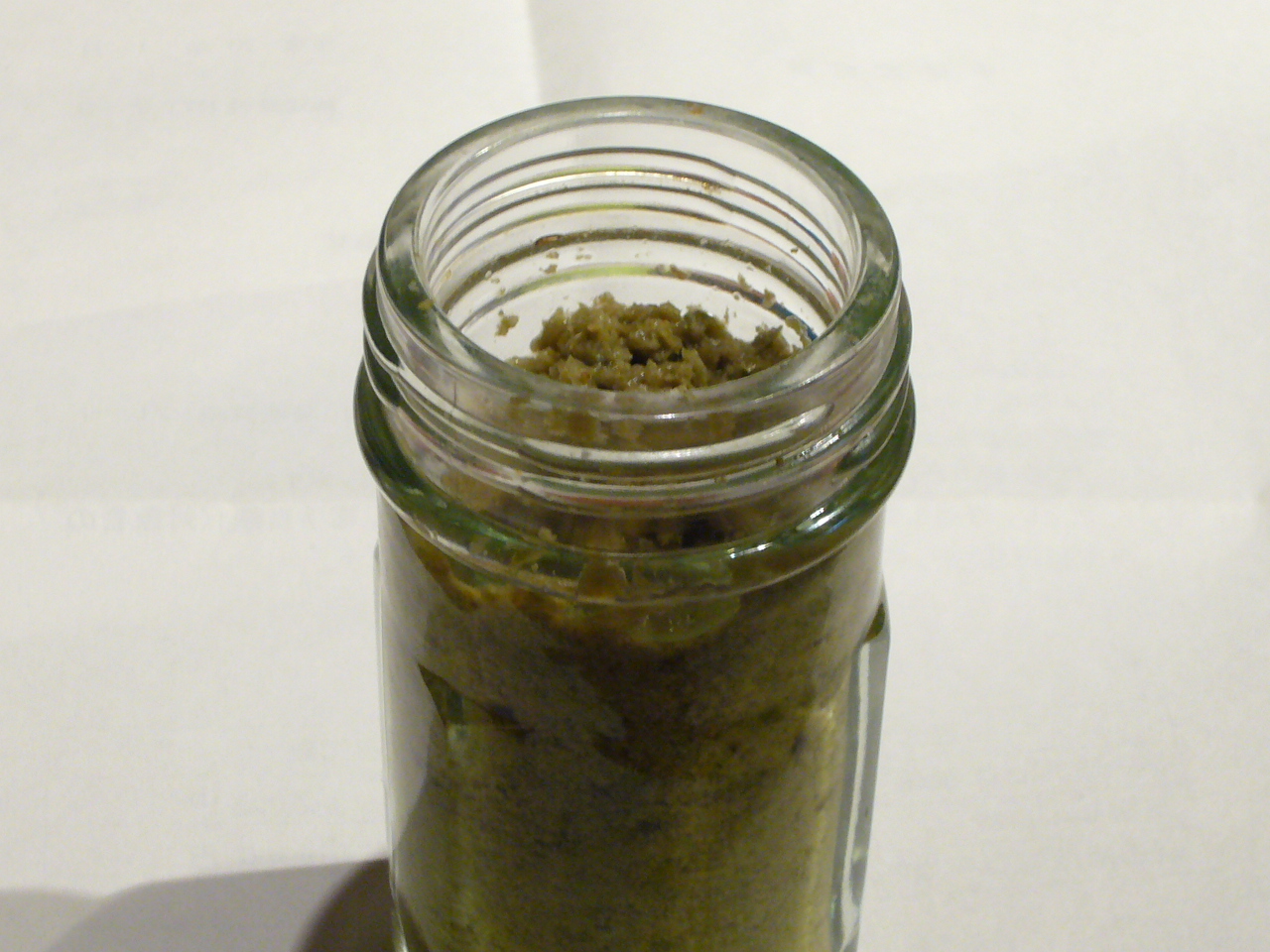 🇯🇵 JapanYuzu koshō柚子胡椒
A fermented Japanese paste of chili peppers and yuzu citrus peel.Paste · Hot and fiery · Citrus and bright
🇯🇵 JapanYuzu koshō柚子胡椒
A fermented Japanese paste of chili peppers and yuzu citrus peel.Paste · Hot and fiery · Citrus and bright
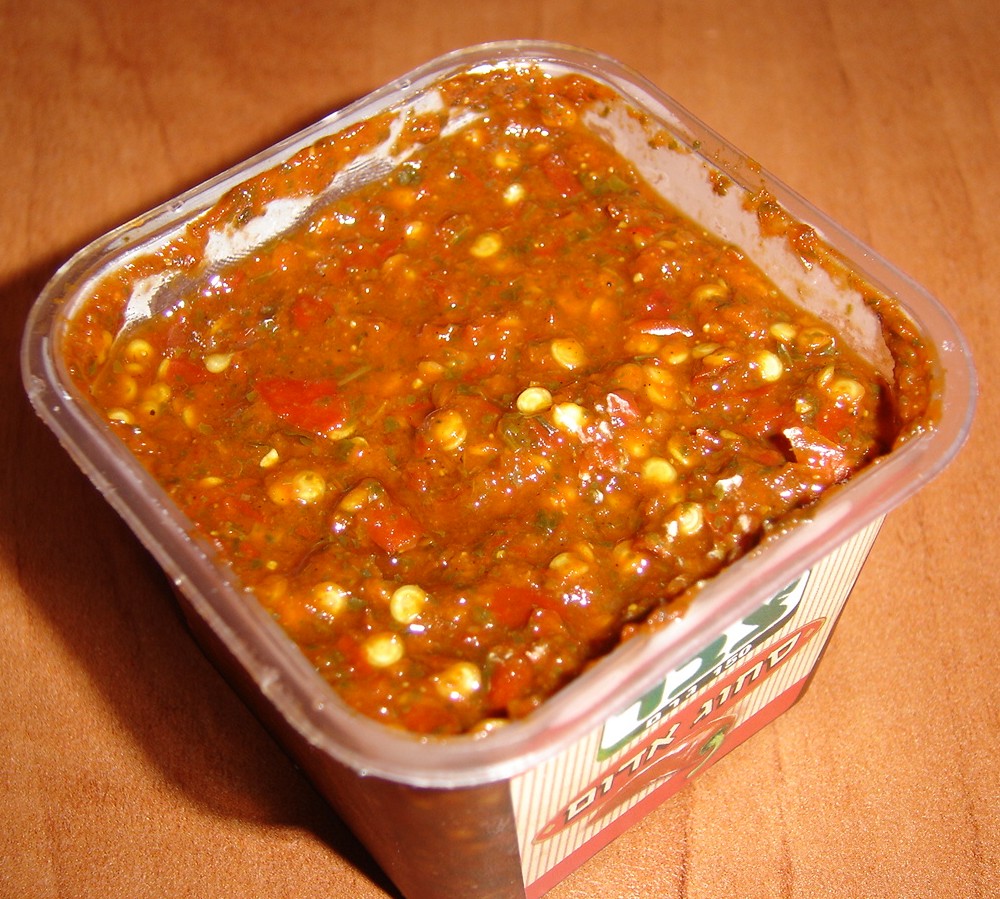 🇾🇪 Yemen and 1 moreZhugسحوق
A Yemeni hot sauce of crushed chilies, garlic, and corianderHot and fiery · Sharp and pungent
🇾🇪 Yemen and 1 moreZhugسحوق
A Yemeni hot sauce of crushed chilies, garlic, and corianderHot and fiery · Sharp and pungent