🇵🇪 The spices of Peru
18 spices from Peru, best known first, across 3 cities, markets and growing areas.
Peruvian cooking blends ancient Andean staples with Spanish, African, and Asian influences. Spices like ají peppers and huacatay define its bold, layered flavors across coastal, highland, and jungle regions.
- Ají peppers provide heat and color in most Peruvian dishes
- Huacatay herb adds earthy flavor to stews and sauces
- Ceviche marinades use lime, chilies, and onions
- Lomo saltado combines Chinese stir-fry with local ingredients
- Quinoa and maca are promoted as nutritious superfoods
Spice in Peru
Peruvian cuisine rests on indigenous foundations from the Pacific coast, Andes mountains, and Amazon basin. It absorbed Spanish techniques after the 1530s, adding meats and frying methods. Later waves brought Chinese stir-frying and African rice-bean mixes. This fusion creates a distinct culinary identity that neighbors recognize for its diversity. The country uses thousands of potato varieties and native grains like quinoa. Modern chefs promote these local ingredients globally, shifting focus from colonial models back to native roots.
The spices of the kitchen
The kitchen relies heavily on ají peppers, including amarillo, limón, panca, and rocoto. These chilies provide heat and color without always being fiery. Huacatay, a minty herb, adds earthy depth to stews. Coriander, cumin, garlic, and oregano appear in marinades and sauces. Black pepper and cinnamon show European influence. Native fruits like cocona and tumbo contribute acidity instead of lemon juice.
Blends and pastes
Ajiaco is a thick sauce made from ground ají peppers, onions, and spices. It serves as a base for many dishes. Huacatay paste mixes the herb with bread or crackers for dipping. Rocoto relleno uses stuffed chili peppers filled with meat and cheese. Marinades often combine lime juice, garlic, and coriander for ceviche. These pastes and sauces unify the diverse regional flavors into recognizable national tastes.
Today
Modern Peru promotes its gastronomy internationally through government projects. Chefs raise awareness about native ingredients like maca and kiwicha. Global demand increases prices, affecting local access. Migration spreads Peruvian flavors worldwide. Protected names help preserve traditional recipes. Restaurants adapt classic dishes for contemporary palates while honoring historical roots.
The facts in this overview come from the Wikipedia article "Peruvian cuisine", written by its contributors and used under the CC BY-SA 4.0 licence. EveryMasala rewrote the text in its own words, with AI assistance, and compares every page with the article to make sure no passage is copied. It may be reused under the same CC BY-SA 4.0 licence with a link back.
Spice cities and markets of Peru
 🇵🇪 Peru and 5 moreChili pepperchīlli
The pungent berry of the Capsicum plant, used to add heat to dishes worldwide.Fruit · Hot and fiery · Earthy and deep
🇵🇪 Peru and 1 moreMuña
An Andean aromatic herb brewed into tea across Peru and BoliviaLeaf · Herbal and green
 🇲🇽 Mexico and 5 moreJalapeño
A medium-sized Capsicum annuum cultivar from Mexico, known for its bright green pods and moderate heat.Fruit · Hot and fiery · Earthy and deep
 🇵🇪 Peru and 2 morePink peppercornbaie rose
The dried berry of the Schinus tree, offering a sweet, citrusy heat distinct from black pepper.Fruit · Sharp and pungent · Citrus and bright
 🇵🇪 Peru and 1 moreAjí panca
A mild, fruity chili from Peru, dried and used for color and flavor.Chilli · Sweet and mellow
🇵🇪 Peru and 1 moreAjí amarillo
A golden-orange Peruvian chili with fruity notes and moderate heat.Hot and fiery · Sweet and mellow
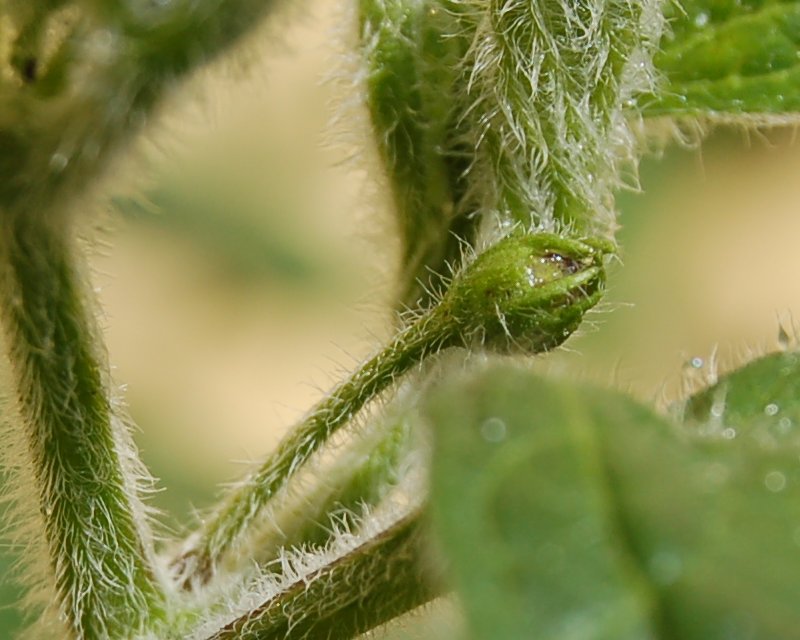 🇵🇪 Peru and 3 moreRocoto
A hairy-leaved Andean chili with black seeds and a distinct cucumber-like aroma.Hot and fiery · Earthy and deep
 🇲🇽 Mexico and 2 moreCapsicum annuum
The primary species of chili peppers, cultivated for sweet fruits or intense heat.Fruit · Hot and fiery · Sweet and mellow
 🇵🇪 Peru and 1 moreCapsicum cardenasiiulupica
A wild Andean chilli with white and purple flowers, known as ulupica.Chilli · Hot and fiery
 🇲🇽 Mexico and 2 morePápalo
A pungent herb from central Mexico to the Andes, used fresh in salsas and tacos.Leaf · Citrus and bright · Sharp and pungent
 🇵🇪 Peru and 5 moreCapsicum baccatumají
A domesticated South American chili with orange fruit and a fruity heat profile.Chilli · Hot and fiery · Sweet and mellow
 🇵🇪 PeruLemon Dropají limón
A bright yellow, cone-shaped Capsicum baccatum cultivar with citrus heat from Peru.Chilli · Hot and fiery · Citrus and bright
 🇵🇪 Peru and 3 moreTagetes minutaHuacatay
A South American marigold herb used as a pungent seasoning and paste in the Andes.Leaf · Sharp and pungent · Herbal and green
 🇵🇸 Palestine and 5 moreCoriander
An annual herb with fresh leaves and dried seeds used across global cuisines.Leaf · Citrus and bright · Warm and sweet-spiced
 🇨🇴 Colombia and 2 moreTolu balsam
A South American tree resin tapped for perfumery and traditional medicine.Resin · Warm and sweet-spiced
 🇵🇪 Peru and 3 morePink peppercornmulli
The dried pink fruit of the Schinus molle tree, often sold as a substitute for black pepper.Fruit · Citrus and bright · Sharp and pungent
 🇸🇻 El Salvador and 1 moreBalsam of Peru
A dark, sweet resin from a Central American tree, used for flavoring and fragrance.Resin · Sweet and mellow
🇲🇽 Mexico and 5 moreJalapeño
A medium-sized Capsicum annuum cultivar from Mexico known for its green pods and moderate heat.Chilli · Hot and fiery · Earthy and deep
Photo credits on this page
The small pictures above come from Wikimedia Commons under free licences. Some are cropped to fit.
- Tagetes minuta: Arthur Chapman, CC BY 2.0, source
- Rocoto: The original uploader was Lrothc at English Wikipedia ., CC BY-SA 2.5, source
- Pink peppercorn: Milvus, CC BY-SA 3.0, source
- Coriander: Thamizhpparithi Maari, CC BY-SA 3.0, source
- Pápalo: Wibowo Djatmiko ( Wie146 ), CC BY-SA 3.0, source
- Bishop's crown: Retama, CC BY-SA 3.0, source
- Capsicum cardenasii: Caeschfloh, CC0, source
- Chili pepper: Takeaway, CC BY-SA 4.0, source
- Pink peppercorn: Charles Gadbois, CC BY 3.0, source
- Capsicum annuum: Franz Eugen Köhler, Köhler's Medizinal-Pflanzen, Public domain, source
- Ají panca: MiguelAlanCS, CC BY-SA 4.0, source
- Jalapeño: Unknown author, CC BY-SA 3.0, source
- Balsam of Peru: Maša Sinreih in Valentina Vivod, CC BY-SA 3.0, source
- Lemon Drop: User:Carstor, CC BY-SA 3.0, source
- Tolu balsam: Maša Sinreih in Valentina Vivod, CC BY-SA 3.0, source
The weekly digest
Every Monday: seven spices you may not know, what is cooking this week, and one blend explained step by step.