
Capsicum cardenasii
In its own language: ulupica
Capsicum cardenasii
A wild Andean chilli with white and purple flowers, known as ulupica.
This wild chilli grows in the Andes of Peru and Bolivia. It produces small red berries that are quite spicy, reaching about 30,000 Scoville units.
- Native to the Andes in Peru and Bolivia.
- Produces small red berries called chiltepins.
- Heat reaches about 30,000 Scoville units.
- Has white and purple bell-shaped flowers.
- Resistant to tobacco mosaic virus.
What is Capsicum cardenasii?
Capsicum cardenasii is a wild plant in the pepper family. People in its home region call it ulupica. It looks like a small bush with woody stems. The leaves are narrow and fuzzy. It has bell-shaped flowers that are white and purple. After pollination, it makes tiny red fruits. These berries are often called chiltepins. They are fleshy and contain a few seeds inside.
Where does Capsicum cardenasii come from?
This species comes from the Andes mountains. You can find it growing naturally in Peru and Bolivia. It belongs to the C. pubescens group of peppers. Scientists think it might be the wild parent of the rocoto pepper. It is a diploid plant with twenty-four chromosomes.
What does Capsicum cardenasii taste like?
The berries are very hot. They measure near thirty thousand on the Scoville scale. This heat level puts them in the medium-hot range. The spice comes from compounds in the fruit flesh. The taste is sharp and pungent.
How Capsicum cardenasii is grown and processed
The plant needs a cool climate without freezing. It requires a long season to mature. This matches the conditions in its native Andes home. It grows up to three feet tall. The stems become woody over time. Plants usually make one or two flowers at each joint. The flowers hang down from upright stalks.
Capsicum cardenasii, drawn
How Capsicum cardenasii is used
People use the dried berries as a spice. The heat adds intensity to dishes. Breeders also look at this plant for science. It fights off tobacco mosaic virus. This resistance could help other peppers survive disease later.
Questions people ask about Capsicum cardenasii
Where does Capsicum cardenasii come from?
It is native to the Andes mountains in Peru and Bolivia. It grows in cool, frost-free environments there.
How hot are these chillies?
The berries are quite spicy. They score near 30,000 Scoville Heat Units, which is medium-hot.
What do the plants look like?
They have woody stems and narrow fuzzy leaves. The flowers are white and purple and hang down like bells.
Is this plant useful for farming?
Yes, it resists tobacco mosaic virus. Breeders hope to pass this strength to other crop peppers.
Good reading and sources
- Capsicum cardenasii on WikipediaEncyclopedia
- More photos on Wikimedia CommonsPhotos and video
- Wikidata recordOpen data
The facts on this page come from the Wikipedia article "Capsicum cardenasii", written by its contributors and used under the CC BY-SA 4.0 licence, and from its Wikidata record (CC0). EveryMasala rewrote the text in its own words, with AI assistance, and compares every page with the article to make sure no passage is copied. It may be reused under the same CC BY-SA 4.0 licence with a link back.
It may contain mistakes. Names, strengths and customs differ from one grower, kitchen or shop to the next. Traditional and medicinal uses are described as tradition, never as medical advice, and none of this is a substitute for a doctor. If something is wrong, tell us. Last refreshed 2026-10-04.
More from Peru
All the spices of Peru 🇵🇪 Peru and 5 moreChili pepperchīlli
The pungent berry of the Capsicum plant, used to add heat to dishes worldwide.Fruit · Hot and fiery · Earthy and deep
🇵🇪 Peru and 5 moreChili pepperchīlli
The pungent berry of the Capsicum plant, used to add heat to dishes worldwide.Fruit · Hot and fiery · Earthy and deep
 🇲🇽 Mexico and 5 moreJalapeño
A medium-sized Capsicum annuum cultivar from Mexico known for its green pods and moderate heat.Chilli · Hot and fiery · Earthy and deep
🇲🇽 Mexico and 5 moreJalapeño
A medium-sized Capsicum annuum cultivar from Mexico known for its green pods and moderate heat.Chilli · Hot and fiery · Earthy and deep
 🇵🇪 Peru and 1 moreAjí panca
A mild, fruity Peruvian chili used for its deep red color and sun-dried flavor.Chilli · Sweet and mellow
🇵🇪 PeruAjí amarillo
A golden-orange Peruvian chili with fruity notes and moderate heatChilli · Hot and fiery · Sweet and mellow
🇵🇪 Peru and 1 moreAjí panca
A mild, fruity Peruvian chili used for its deep red color and sun-dried flavor.Chilli · Sweet and mellow
🇵🇪 PeruAjí amarillo
A golden-orange Peruvian chili with fruity notes and moderate heatChilli · Hot and fiery · Sweet and mellow
Its cousins elsewhere
All chilli 🇱🇾 Libya and 1 morePilpelchumaפלפלצ'ומה
A steamed chili and garlic paste from Libyan Jewish cuisine, now common in Israel.Hot and fiery · Sharp and pungent
🇱🇾 Libya and 1 morePilpelchumaפלפלצ'ומה
A steamed chili and garlic paste from Libyan Jewish cuisine, now common in Israel.Hot and fiery · Sharp and pungent
 🇯🇵 JapanKarashiからし
A potent Japanese mustard made from brown mustard seeds, served as a sharp condiment.Seed · Hot and fiery · Sharp and pungent
🇯🇵 JapanKarashiからし
A potent Japanese mustard made from brown mustard seeds, served as a sharp condiment.Seed · Hot and fiery · Sharp and pungent
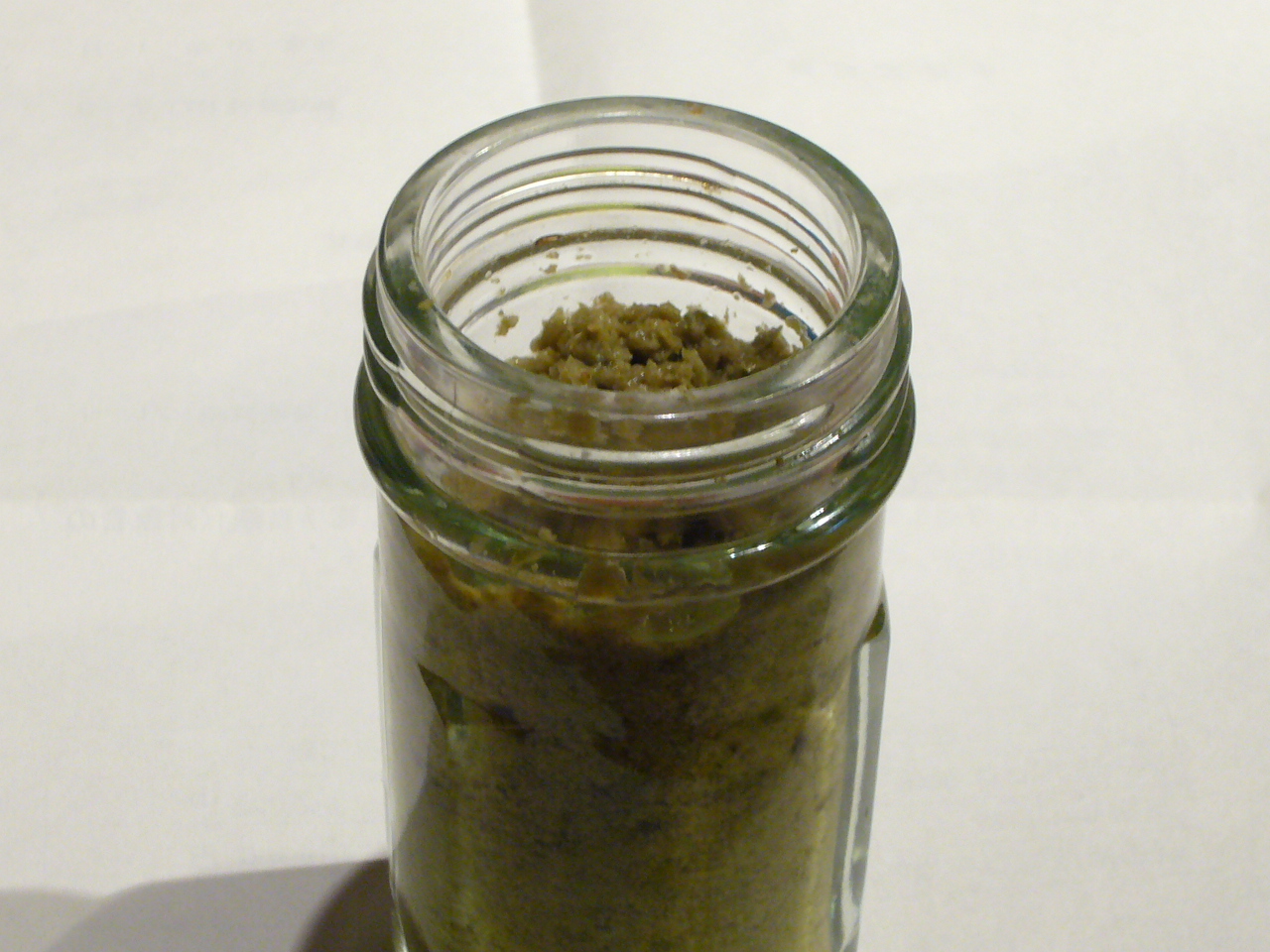 🇯🇵 JapanYuzu koshō柚子胡椒
A fermented Japanese paste of chili peppers and yuzu citrus peel.Paste · Hot and fiery · Citrus and bright
🇮🇳 IndiaKala masala
A dark roasted spice blend from Maharashtra used for everyday home cooking.Blend · Hot and fiery · Warm and sweet-spiced
🇯🇵 JapanYuzu koshō柚子胡椒
A fermented Japanese paste of chili peppers and yuzu citrus peel.Paste · Hot and fiery · Citrus and bright
🇮🇳 IndiaKala masala
A dark roasted spice blend from Maharashtra used for everyday home cooking.Blend · Hot and fiery · Warm and sweet-spiced