Capsicum parvifolium
Capsicum parvifolium
A small-leaved wild chili shrub from northern South America
This species is a wild chili pepper native to Brazil, Colombia and Venezuela. It grows as an erect shrub in dry tropical climates and produces small flowers that develop into hot pods.
- Native to Brazil, Colombia and Venezuela
- Described by Otto Sendtner in 1846
- Grows in seasonally dry tropical climates
- Reaches up to four meters tall
- Member of the Solanaceae family
What is Capsicum parvifolium?
Capsicum parvifolium is a wild member of the nightshade family. It forms an upright bush that reaches one to four meters in height. The plant has many branches near the top and small oval leaves. Tiny clusters of flowers grow where the leaf stems meet the main stem. These blooms turn into the edible fruit of the plant.
Where does Capsicum parvifolium come from?
The species was first recorded by Otto Sendtner in 1846. Modern botanical studies continue to classify it within the wider Capsicum genus. Researchers have examined its traits in recent scientific works to understand its place among wild peppers.
What does Capsicum parvifolium taste like?
As a wild chili pepper, this plant produces fruit with significant heat. The specific chemical compounds responsible for the spice level are not detailed in the available records. Cooks use these pods for their intense pungency.
How Capsicum parvifolium is grown and processed
The plant thrives in seasonally dry tropical environments. It is found across a wide area stretching from northern Colombia and Venezuela down to northeastern Brazil. Some populations extend southward into the state of Minas Gerais. The shrub adapts to these warm regions naturally.
Capsicum parvifolium, drawn
How Capsicum parvifolium is used
As a wild species, it may be used locally for heat but lacks documented traditional recipes.
Questions people ask about Capsicum parvifolium
Where does Capsicum parvifolium come from?
It is native to northern South America, specifically Brazil, Colombia and Venezuela.
What kind of plant is it?
It is a wild chili pepper shrub in the nightshade family that grows upright.
How hot are the peppers?
They are wild chilies known for their heat, though exact Scoville levels are not listed.
Good reading and sources
The facts on this page come from the Wikipedia article "Capsicum parvifolium", written by its contributors and used under the CC BY-SA 4.0 licence, and from its Wikidata record (CC0). EveryMasala rewrote the text in its own words, with AI assistance, and compares every page with the article to make sure no passage is copied. It may be reused under the same CC BY-SA 4.0 licence with a link back.
It may contain mistakes. Names, strengths and customs differ from one grower, kitchen or shop to the next. Traditional and medicinal uses are described as tradition, never as medical advice, and none of this is a substitute for a doctor. If something is wrong, tell us. Last refreshed 2026-10-04.
More from Brazil
All the spices of Brazil 🇧🇷 Brazil and 5 moreMalagueta peppermalagueta
A small, fiery chili from Capsicum frutescens used across Portuguese-speaking regions.Chilli · Hot and fiery · Sharp and pungent
🇧🇷 Brazil and 5 moreMalagueta peppermalagueta
A small, fiery chili from Capsicum frutescens used across Portuguese-speaking regions.Chilli · Hot and fiery · Sharp and pungent
 🇧🇷 Brazil and 2 moreBishop's crown
A wrinkled, three-sided Capsicum baccatum cultivar with mild heat and a sweet flavor.Chilli · Sweet and mellow
🇧🇷 BrazilCapsicum recurvatum
A wild nightshade chili that thrives in the humid forests of Brazil.Chilli · Hot and fiery
🇧🇷 Brazil and 2 moreBishop's crown
A wrinkled, three-sided Capsicum baccatum cultivar with mild heat and a sweet flavor.Chilli · Sweet and mellow
🇧🇷 BrazilCapsicum recurvatum
A wild nightshade chili that thrives in the humid forests of Brazil.Chilli · Hot and fiery
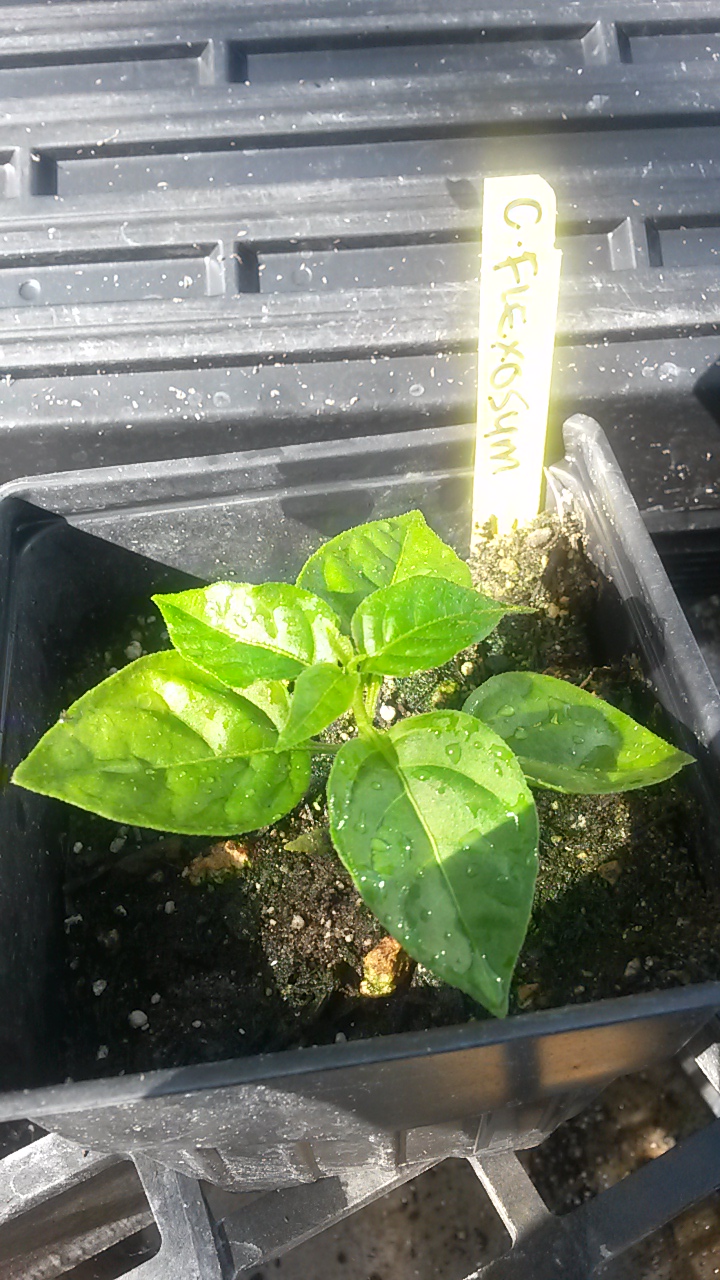 🇧🇷 BrazilCapsicum flexuosum
A tiny, mildly pungent wild chili native to southern Brazil.Chilli · Hot and fiery
🇧🇷 BrazilCapsicum flexuosum
A tiny, mildly pungent wild chili native to southern Brazil.Chilli · Hot and fiery
Its cousins elsewhere
All chilli 🇪🇬 EgyptShattaشطة
A fermented Levantine paste of fresh chillies, garlic, and saltHot and fiery · Sharp and pungent
🇪🇬 EgyptShattaشطة
A fermented Levantine paste of fresh chillies, garlic, and saltHot and fiery · Sharp and pungent
 🇯🇵 JapanKarashiからし
A potent Japanese mustard made from brown mustard seeds, served as a sharp condiment.Seed · Hot and fiery · Sharp and pungent
🇯🇵 JapanKarashiからし
A potent Japanese mustard made from brown mustard seeds, served as a sharp condiment.Seed · Hot and fiery · Sharp and pungent
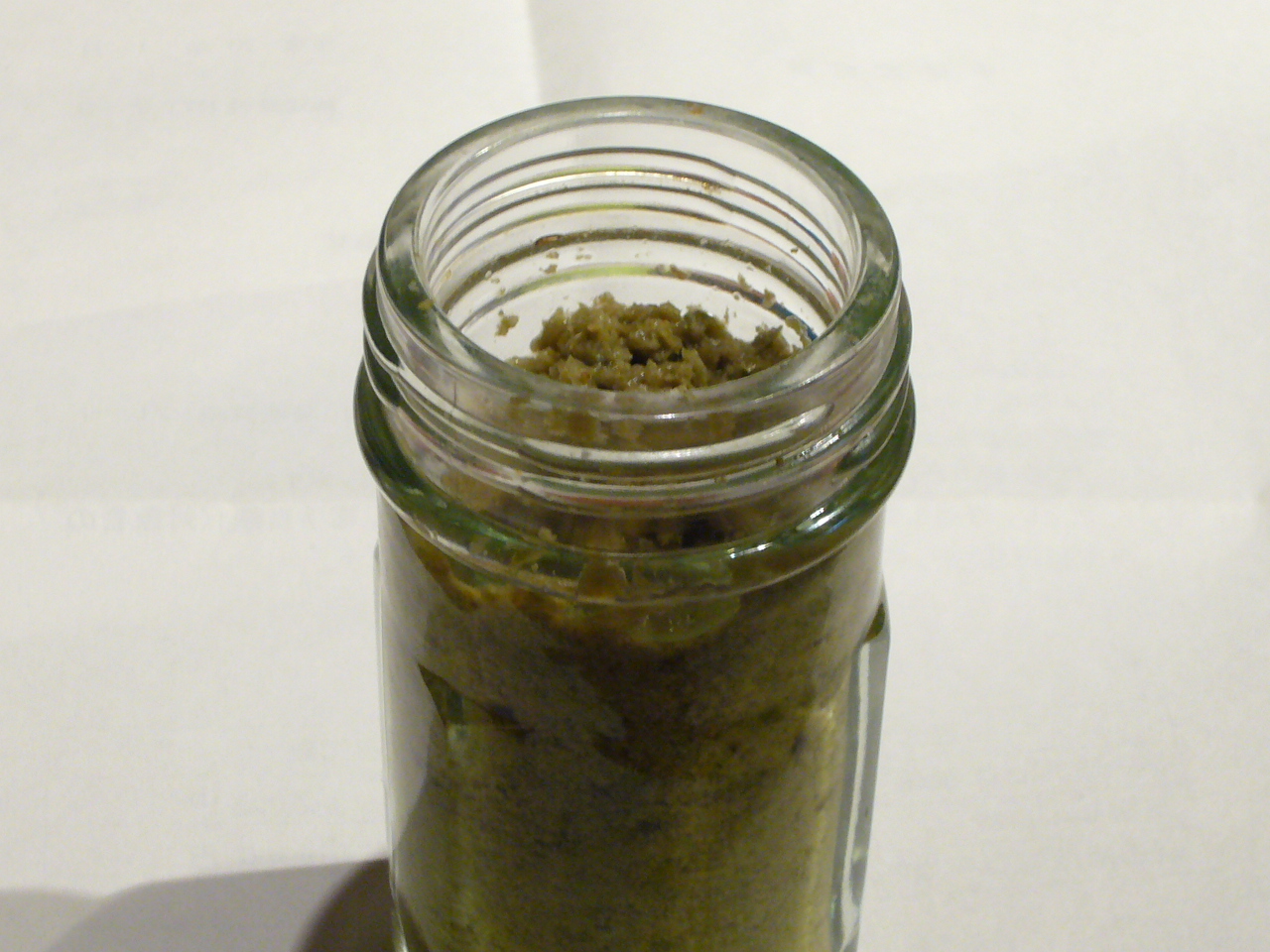 🇯🇵 JapanYuzu koshō柚子胡椒
A fermented Japanese paste of chili peppers and yuzu citrus peel.Paste · Hot and fiery · Citrus and bright
🇯🇵 JapanYuzu koshō柚子胡椒
A fermented Japanese paste of chili peppers and yuzu citrus peel.Paste · Hot and fiery · Citrus and bright
 🇳🇵 Nepal and 2 moreDalle Khursaniडल्ले खुर्सानी
A round, fiery chilli from the Himalayas, known for its intense heat and vitamin content.Chilli · Hot and fiery
🇳🇵 Nepal and 2 moreDalle Khursaniडल्ले खुर्सानी
A round, fiery chilli from the Himalayas, known for its intense heat and vitamin content.Chilli · Hot and fiery