🇧🇷 The spices of Brazil
14 spices from Brazil, best known first, across 3 cities, markets and growing areas.
Brazilian cooking draws from indigenous roots, African heritage, and waves of European and Asian settlers. The table relies on local staples like cassava, palm oil, and fresh produce, seasoned with chilies, garlic, and herbs. Regional styles vary widely across the vast country, keeping distinct flavors alive in every state.
- Tucupi is a yellow broth from fermented cassava that must be boiled to remove poison.
- Vatapá is a creamy paste of bread, shrimp, coconut milk, and palm oil.
- Acarajé consists of black-eyed pea balls deep-fried in palm oil and stuffed.
- Pequi fruit flavors rice dishes and snacks in the Center-West region.
- Moqueca capixaba uses olive oil and clay pots, unlike the palm oil version elsewhere.
Spice in Brazil
Brazilian cuisine reflects a blend of native practices and immigrant traditions. Indigenous peoples introduced cassava, açaí, and tropical fruits. Enslaved Africans shaped coastal cooking with dishes like acarajé and vatapá. Portuguese settlers brought dairy, wine, and wheat substitutes like sweet manioc. Later arrivals from Italy, Germany, Japan, and China added their own touches. The result is a diverse national table where regional differences remain strong. This diversity stems from the country's size and population mix. Each area keeps its unique character despite shared national dishes. Neighboring countries share some traits, such as the meat-focused gaúcho style in the south, while the north leans toward river fish and forest ingredients.
The spices of the kitchen
The kitchen uses palm oil as a rich base for many stews and fried snacks. Chilies and chili sauces appear frequently in Bahian cooking. Garlic, onions, and bell peppers form the flavor foundation for seafood moquecas. Fresh cilantro finishes these dishes. Black pepper seasons corn soups. Toasted peanuts and cashews add texture and nuttiness to spreads. Cumaru provides a distinct aroma in certain preparations. Salt cures meats for sun-drying. Jaggery offers a deep sweetness in desserts and savory mixes.
Blends and pastes
Vatapá combines bread, shrimp, coconut milk, ground peanuts, and palm oil into a creamy sauce. Caruru mixes okra, dried shrimp, nuts, and palm oil until thick. Farofa often features toasted cassava flour, sometimes mixed with sautéed ingredients like ant abdomen flour in the São Paulo countryside. These mixtures rely on fats and nuts to create body, balancing the acidity of local broths.
Today
Trade and migration continue to shape the table. Japanese immigrants introduced modern poultry farming. Chinese and Arab influences appear in southern states. Urban centers embrace both traditional stews and international flavors. Protected regional names help preserve local identities. Coffee remains the national drink, while cachaça distills sugar cane for cocktails.
The facts in this overview come from the Wikipedia article "Brazilian cuisine", written by its contributors and used under the CC BY-SA 4.0 licence. EveryMasala rewrote the text in its own words, with AI assistance, and compares every page with the article to make sure no passage is copied. It may be reused under the same CC BY-SA 4.0 licence with a link back.
Spice cities and markets of Brazil
 🇬🇷 Greece and 4 moreParsley
A bright green herb from the celery family, used fresh across Europe and the Middle East.Leaf · Bitter · Herbal and green
🇬🇷 Greece and 4 moreParsley
A bright green herb from the celery family, used fresh across Europe and the Middle East.Leaf · Bitter · Herbal and green
 🇧🇷 Brazil and 5 moreMalagueta peppermalagueta
A small, fiery chili from Capsicum frutescens used across Portuguese-speaking regions.Chilli · Hot and fiery · Sharp and pungent
🇧🇷 Brazil and 5 moreMalagueta peppermalagueta
A small, fiery chili from Capsicum frutescens used across Portuguese-speaking regions.Chilli · Hot and fiery · Sharp and pungent
 🇲🇽 Mexico and 5 moreAnnatto
The orange-red pigment from achiote seeds used as a natural food coloring and mild spice.Seed · Earthy and deep · Sweet and mellow
🇲🇽 Mexico and 5 moreAnnatto
The orange-red pigment from achiote seeds used as a natural food coloring and mild spice.Seed · Earthy and deep · Sweet and mellow
 🇵🇪 Peru and 3 morePink peppercornbaie rose
The dried fruit of Schinus trees, offering a sweet, piney heat distinct from black pepper.Fruit · Sharp and pungent · Citrus and bright
🇵🇪 Peru and 3 morePink peppercornbaie rose
The dried fruit of Schinus trees, offering a sweet, piney heat distinct from black pepper.Fruit · Sharp and pungent · Citrus and bright
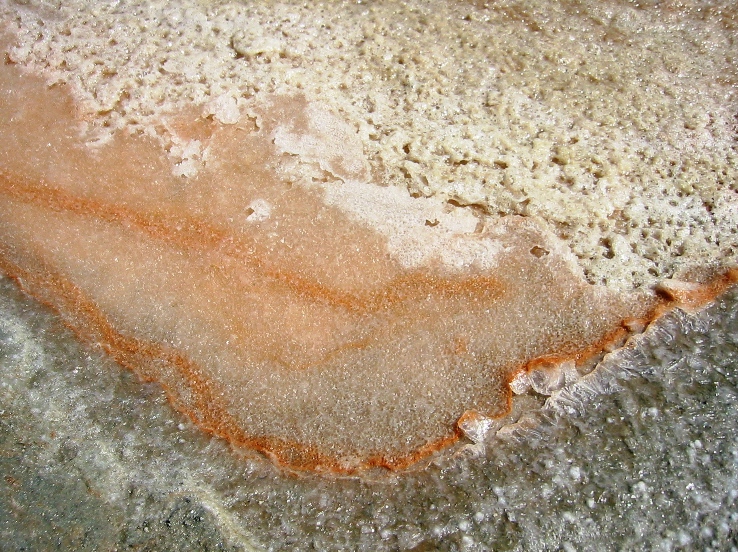 🇫🇷 France and 5 moreFleur de sel
A hand-raked crust of sea salt crystals gathered from evaporation pans.Earthy and deep
🇫🇷 France and 5 moreFleur de sel
A hand-raked crust of sea salt crystals gathered from evaporation pans.Earthy and deep
 🇧🇷 Brazil and 2 moreBishop's crown
A wrinkled, three-sided Capsicum baccatum cultivar with mild heat and a sweet flavor.Chilli · Sweet and mellow
🇧🇷 Brazil and 2 moreBishop's crown
A wrinkled, three-sided Capsicum baccatum cultivar with mild heat and a sweet flavor.Chilli · Sweet and mellow
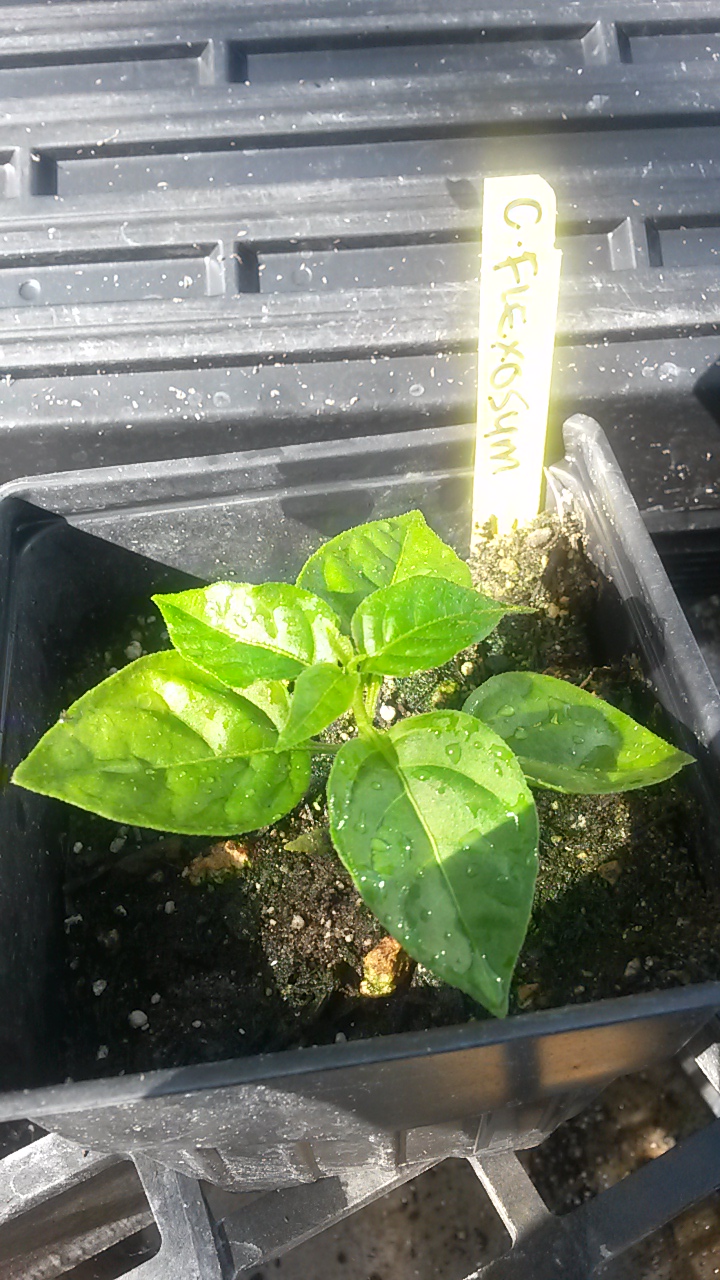 🇧🇷 BrazilCapsicum flexuosum
A tiny, mildly pungent wild chili native to southern Brazil.Chilli · Hot and fiery
🇧🇷 Brazil and 2 moreCapsicum parvifolium
A small-leaved wild chili shrub from northern South AmericaChilli · Hot and fiery
🇧🇷 BrazilCapsicum recurvatum
A wild nightshade chili that thrives in the humid forests of Brazil.Chilli · Hot and fiery
🇧🇷 BrazilCapsicum flexuosum
A tiny, mildly pungent wild chili native to southern Brazil.Chilli · Hot and fiery
🇧🇷 Brazil and 2 moreCapsicum parvifolium
A small-leaved wild chili shrub from northern South AmericaChilli · Hot and fiery
🇧🇷 BrazilCapsicum recurvatum
A wild nightshade chili that thrives in the humid forests of Brazil.Chilli · Hot and fiery
 🇵🇪 Peru and 3 morePink peppercornmulli
The dried pink drupes of the Schinus molle tree, sold as a peppery alternative to black pepper.Fruit · Sharp and pungent · Citrus and bright
🇵🇪 Peru and 5 moreCapsicum baccatumají
A domesticated Andean chili with fruit that hangs down, known for its bright orange skin and warm heat.Hot and fiery · Citrus and bright
🇵🇪 Peru and 3 morePink peppercornmulli
The dried pink drupes of the Schinus molle tree, sold as a peppery alternative to black pepper.Fruit · Sharp and pungent · Citrus and bright
🇵🇪 Peru and 5 moreCapsicum baccatumají
A domesticated Andean chili with fruit that hangs down, known for its bright orange skin and warm heat.Hot and fiery · Citrus and bright
 🇮🇳 India and 5 moreBlack pepper
The dried fruit of a climbing vine, the world's most traded spice.Fruit · Sharp and pungent · Hot and fiery
🇮🇳 India and 5 moreBlack pepper
The dried fruit of a climbing vine, the world's most traded spice.Fruit · Sharp and pungent · Hot and fiery
 🇺🇸 United States and 4 moreSassafras
An aromatic tree of North America and East Asia, famed for filé powder and root teaLeaf · Citrus and bright · Anise and liquorice
🇺🇸 United States and 4 moreSassafras
An aromatic tree of North America and East Asia, famed for filé powder and root teaLeaf · Citrus and bright · Anise and liquorice
 🇮🇳 India and 5 moreBlack pepper
The dried fruit of a climbing vine, the world's most traded spice.Sharp and pungent · Hot and fiery
🇮🇳 India and 5 moreBlack pepper
The dried fruit of a climbing vine, the world's most traded spice.Sharp and pungent · Hot and fiery
Photo credits on this page
The small pictures above come from Wikimedia Commons under free licences. Some are cropped to fit.
- Parsley: H. Zell, CC BY-SA 3.0, source
- Black pepper: Rainer Zenz, CC BY-SA 3.0, source
- Sassafras: Randy Everette, CC BY-SA 3.0, source
- Capsicum baccatum: Retama, CC BY-SA 3.0, source
- Pink peppercorn: Charles Gadbois, CC BY 3.0, source
- Capsicum flexuosum: Horticulturalist RJ, CC BY-SA 4.0, source
- Annatto: Porto Neto, CC BY-SA 4.0, source
- Malagueta pepper: Alex Popovkin, Bahia, Brazil, CC BY 2.0, source
- Fleur de sel: Fleur de Sel sea salt. Ile de Re 2005, personal photograph., CC BY-SA 3.0, source
- Pink peppercorn: Milvus, CC BY-SA 3.0, source
- Black pepper: David Monniaux, CC BY-SA 3.0, source
The weekly digest
Every Monday: seven spices you may not know, what is cooking this week, and one blend explained step by step.