Capsicum recurvatum
Capsicum recurvatum
A wild nightshade chili that thrives in the humid forests of Brazil.
This wild chili species grows as a substantial shrub within the humid tropical zones of southern and southeastern Brazil. Belonging to the nightshade family, the plant displays a sturdy central stalk supporting branching stems in a zig-zag formation. Its foliage consists of broad leaves that can reach sixteen centimetres long.
- Wild chili species native to Brazil.
- Grows in wet tropical climates.
- Branches form a zig-zag pattern.
- Leaves can reach sixteen centimetres long.
- Classified in the nightshade family.
What is Capsicum recurvatum?
This botanical entity belongs to the nightshade family and represents a wild variety of chili pepper. The plant develops as a robust bush capable of reaching heights between one and a half to four metres. A thick primary stem anchors the structure, which then divides into multiple secondary branches. These lateral stems fork repeatedly, creating a jagged, zig-zag silhouette against the sky. The foliage comprises large leaves that range from oval to egg-shaped dimensions. Individual leaf blades can extend up to sixteen centimetres across, providing ample surface area for photosynthesis within its forest habitat.
Where does Capsicum recurvatum come from?
The natural range of this species is confined to the southern and southeastern regions of Brazil. It thrives specifically in environments characterized by a wet tropical climate, where moisture levels remain consistently high. This geographic distribution highlights its adaptation to the dense, humid conditions found in these Brazilian territories. The plant remains indigenous to these areas, having evolved within these specific ecological niches without introduction from outside regions.
What does Capsicum recurvatum taste like?
As a member of the chili pepper group, this plant produces fruit known for its pungent heat. While specific flavour nuances are not detailed in the available records, its classification as a wild chili indicates a sharp, spicy profile typical of the Capsicum genus. The heat comes from compounds naturally present in the fruit, delivering a warming sensation characteristic of peppers used in cooking.
How Capsicum recurvatum is grown and processed
Cultivation or growth occurs naturally in wet tropical climates, requiring consistent humidity and warmth. The plant establishes itself as an upright shrub with a dominant central axis. From this main stem, branches emerge and split into two equal parts at intervals, resulting in a sprawling, angular architecture. This dichotomous branching pattern gives the bush its unique appearance. The leaves develop along these stems, expanding to significant sizes to capture light in their native environment.
Capsicum recurvatum, drawn
Questions people ask about Capsicum recurvatum
What type of plant is Capsicum recurvatum?
It is a wild chili pepper species belonging to the nightshade family. The plant grows as a tall shrub with a sturdy central stem and branching limbs.
Where does this chili originate?
This species is native to the southern and southeastern parts of Brazil. It grows naturally in the humid, wet tropical environments found in these regions.
How large do the leaves get?
The leaves are broad and vary from oval to egg-shaped. The largest blades can measure up to sixteen centimetres in length along their longest dimension.
Good reading and sources
The facts on this page come from the Wikipedia article "Capsicum recurvatum", written by its contributors and used under the CC BY-SA 4.0 licence, and from its Wikidata record (CC0). EveryMasala rewrote the text in its own words, with AI assistance, and compares every page with the article to make sure no passage is copied. It may be reused under the same CC BY-SA 4.0 licence with a link back.
It may contain mistakes. Names, strengths and customs differ from one grower, kitchen or shop to the next. Traditional and medicinal uses are described as tradition, never as medical advice, and none of this is a substitute for a doctor. If something is wrong, tell us. Last refreshed 2026-10-04.
More from Brazil
All the spices of Brazil 🇧🇷 Brazil and 5 moreMalagueta peppermalagueta
A small, fiery chili from Capsicum frutescens used across Portuguese-speaking regions.Chilli · Hot and fiery · Sharp and pungent
🇧🇷 Brazil and 5 moreMalagueta peppermalagueta
A small, fiery chili from Capsicum frutescens used across Portuguese-speaking regions.Chilli · Hot and fiery · Sharp and pungent
 🇧🇷 Brazil and 2 moreBishop's crown
A wrinkled, three-sided Capsicum baccatum cultivar with mild heat and a sweet flavor.Chilli · Sweet and mellow
🇧🇷 Brazil and 2 moreCapsicum parvifolium
A small-leaved wild chili shrub from northern South AmericaChilli · Hot and fiery
🇧🇷 Brazil and 2 moreBishop's crown
A wrinkled, three-sided Capsicum baccatum cultivar with mild heat and a sweet flavor.Chilli · Sweet and mellow
🇧🇷 Brazil and 2 moreCapsicum parvifolium
A small-leaved wild chili shrub from northern South AmericaChilli · Hot and fiery
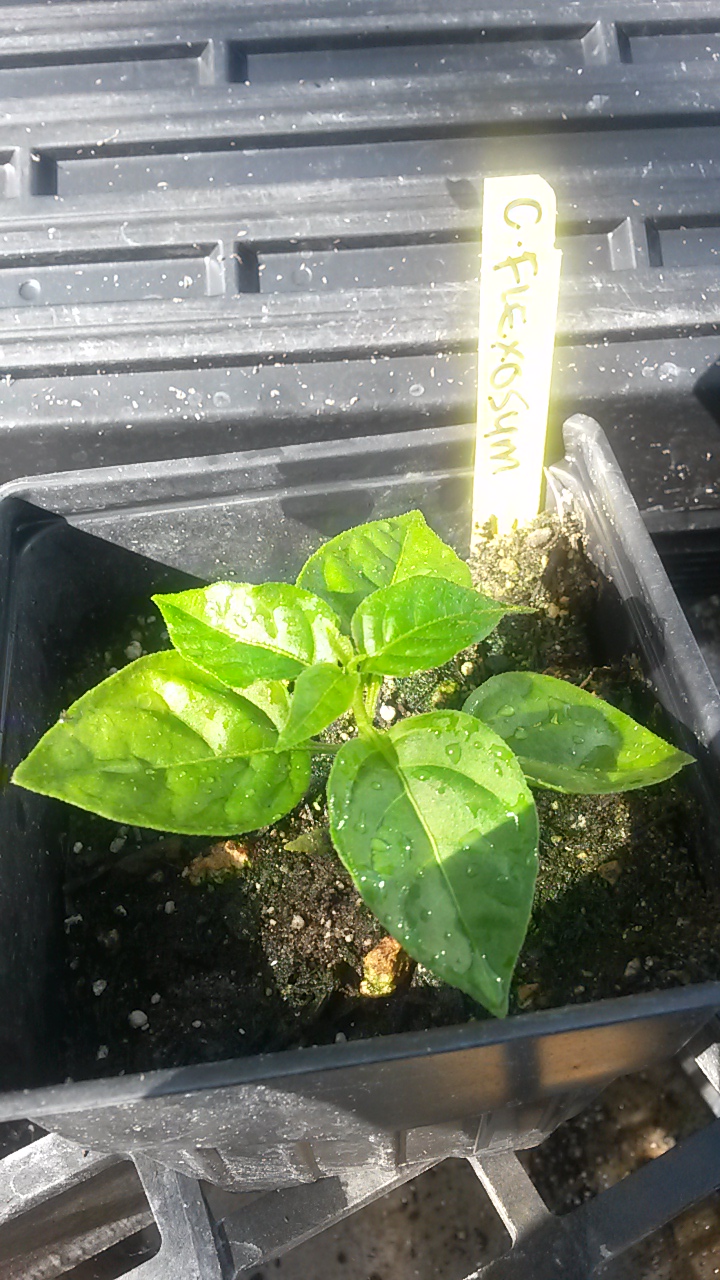 🇧🇷 BrazilCapsicum flexuosum
A tiny, mildly pungent wild chili native to southern Brazil.Chilli · Hot and fiery
🇧🇷 BrazilCapsicum flexuosum
A tiny, mildly pungent wild chili native to southern Brazil.Chilli · Hot and fiery
Its cousins elsewhere
All chilli 🇱🇾 Libya and 1 morePilpelchumaפלפלצ'ומה
A steamed chili and garlic paste from Libyan Jewish cuisine, now common in Israel.Hot and fiery · Sharp and pungent
🇱🇾 Libya and 1 morePilpelchumaפלפלצ'ומה
A steamed chili and garlic paste from Libyan Jewish cuisine, now common in Israel.Hot and fiery · Sharp and pungent
 🇯🇵 JapanKarashiからし
A potent Japanese mustard made from brown mustard seeds, served as a sharp condiment.Seed · Hot and fiery · Sharp and pungent
🇯🇵 JapanKarashiからし
A potent Japanese mustard made from brown mustard seeds, served as a sharp condiment.Seed · Hot and fiery · Sharp and pungent
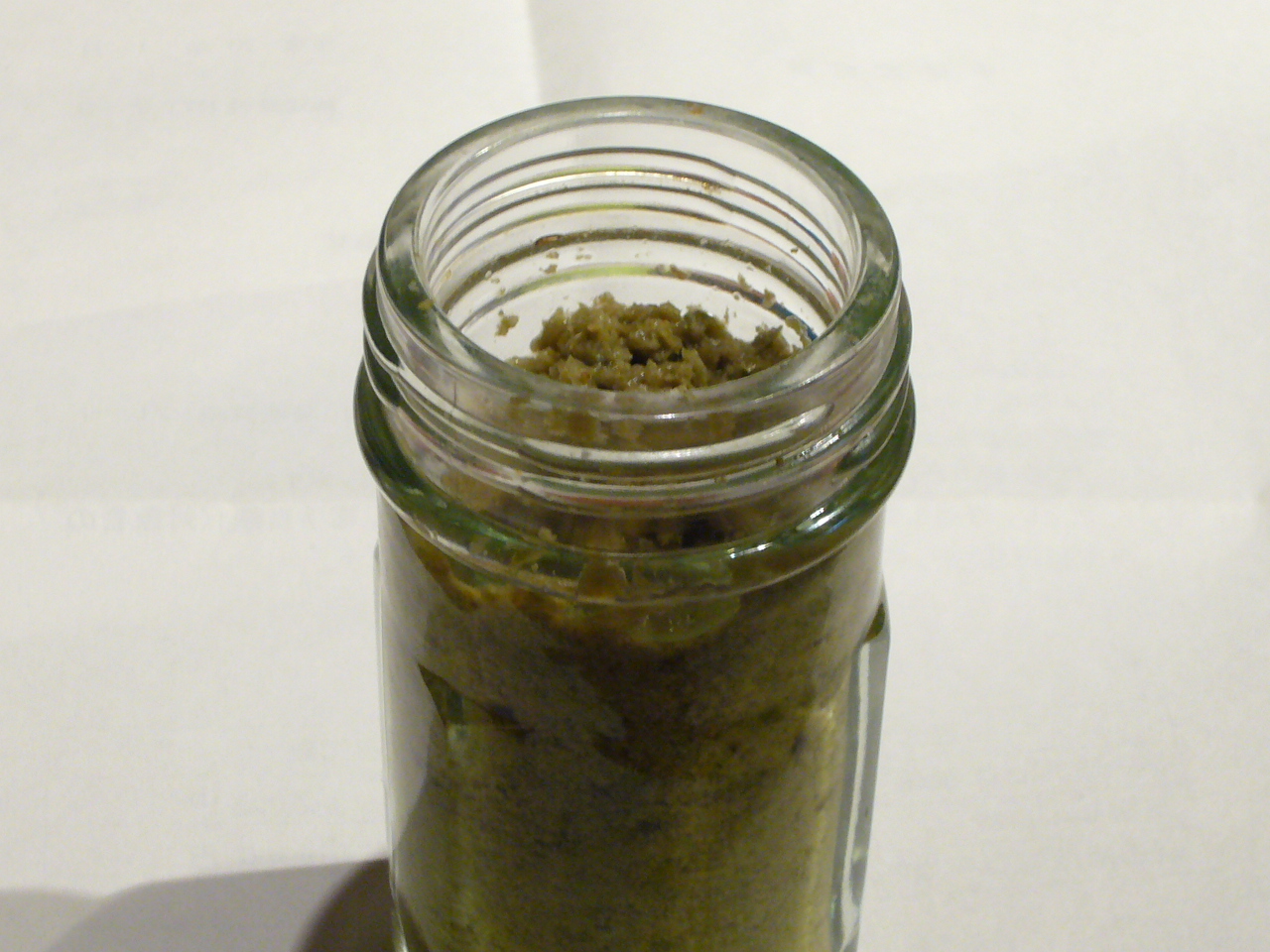 🇯🇵 JapanYuzu koshō柚子胡椒
A fermented Japanese paste of chili peppers and yuzu citrus peel.Paste · Hot and fiery · Citrus and bright
🇮🇳 IndiaKala masala
A dark roasted spice blend from Maharashtra used for everyday home cooking.Blend · Hot and fiery · Warm and sweet-spiced
🇯🇵 JapanYuzu koshō柚子胡椒
A fermented Japanese paste of chili peppers and yuzu citrus peel.Paste · Hot and fiery · Citrus and bright
🇮🇳 IndiaKala masala
A dark roasted spice blend from Maharashtra used for everyday home cooking.Blend · Hot and fiery · Warm and sweet-spiced