Rocoto
Capsicum pubescens
A hairy-leaved Andean pepper with black seeds and a distinct cucumber aroma.
Native to the Andes of Peru, Bolivia, and Ecuador, this pepper is known for its thick flesh, black seeds, and unique scent. It ranges from mild to extremely hot and is used fresh in stuffed dishes or ground into sauces.
- Hairy leaves and black seeds distinguish it from other peppers.
- Originated in the Andes around 6000 BC.
- Features a unique cucumber-like aroma.
- Heat can reach up to 250,000 Scoville units.
- Cold-tolerant compared to other Capsicum species.
What is Rocoto?
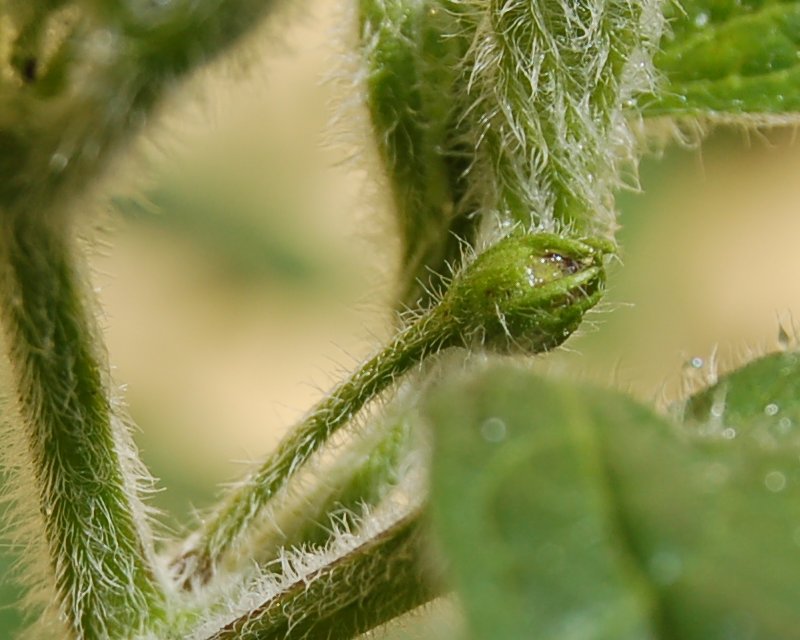
This plant belongs to the pepper genus and stands out because of its hairy leaves and distinctive black seeds. The fruits are thick-walled, resembling bell peppers in size and texture. They appear in various colors, including red, orange, yellow, green, and brown. A unique feature of this species is its blue-violet flowers. The taste profile includes notes of cucumber, earthy peas, and paprika, setting it apart from other chili varieties.
Where does Rocoto come from?
The species originated in the Andes region, specifically in modern-day Peru, Bolivia, and Ecuador. Archaeological evidence from the Guitarrero Caves and artifacts from Paracas, Nazca, Moche, and Chimu cultures confirm its ancient presence. Domestication likely began around 6000 BC, making it one of the earliest cultivated plants in the Americas. It evolved from wild ancestors in the same area and remains genetically isolated from other domesticated peppers.
What does Rocoto taste like?
The heat level varies significantly across different varieties, ranging from mild to over 250,000 Scoville units. This pungency comes from capsaicinoids, specifically dihydrocapsaicin, which is present in high concentrations alongside capsaicin. The aroma is complex, dominated by sulfur and nitrogen compounds that create a cucumber-like scent. Unlike many other chilies, it has low levels of carotenoids and ascorbic acid.
How Rocoto is grown and processed
Unlike related species, this pepper tolerates cooler temperatures and grows at higher elevations. It requires a long growing season of about nine months and cannot survive frost or extreme tropical heat. Plants are often grown in family gardens or small-scale farms. In the Netherlands, they are cultivated in greenhouses during specific months. Harvesting begins three to eight months after transplanting, with yields averaging half a kilogram per plant.
Rocoto, drawn
How Rocoto is used
Cooks typically remove the seeds and white membranes to reduce heat before using the flesh. Fresh fruits are boiled, stuffed, or blended into pastes and creams. A famous dish from Arequipa involves stuffing hollowed fruits with meat and cheese, then baking them. The pepper is also mixed with oil for paste or combined with fresh cheese for cream. Green versions are used in sauces served with potatoes.
Rocoto in the world's kitchens
In Peru and Ecuador, it is called rocoto and is central to regional dishes like rocoto relleno. In Bolivia and Argentina, it is known as locoto. Mexican growers refer to it as chile manzano due to its apple-like shape. Indonesian cultivation emerged in the early 1900s, with white-flowered mutants appearing in Java. The spice bridges traditional Andean cooking with newer international horticultural practices.
At a glance: where it turns up
By meal
Cuisines


Traditional and medicinal use
Traditional preparation involves careful handling, often requiring gloves due to the intense heat. Boiling the fruits is a common method to mellow their spiciness before consumption. While not extensively studied for medicinal phytochemicals, the removal of seeds significantly reduces polyphenol content, indicating a traditional understanding of how processing affects the fruit's properties.
Buying and storing Rocoto
Drying the peppers solely in sunlight is ineffective due to their high moisture content. Closed drying tunnels are used to reduce moisture levels efficiently. Fresh imports are restricted in many countries due to pest risks, so frozen or manufactured products are more commonly available in international markets.
The trade in Rocoto
Production is concentrated in the Viru and Lambayeque valleys in Peru. International trade faces restrictions because the plant hosts the Mexican fruit fly, a quarantine pest. Consequently, fresh imports are banned in regions like Europe, limiting availability to frozen goods. Cultivation in the Netherlands relies on greenhouse technology to meet seasonal demand outside of local growing periods.
Meal
It features prominently in main courses, particularly as a stuffed vegetable for lunch or dinner. The prepared fruits are common in street food settings in the Andes. Fresh salsas made from the pepper accompany meals, while processed forms like chili cream serve as condiments. The thick flesh makes it suitable for baking and roasting techniques.
Questions people ask about Rocoto
What does rocoto taste like?
It has a thick, bell-pepper-like flesh with a unique cucumber and earthy aroma. The heat varies widely, ranging from mild to extremely hot, driven by high levels of dihydrocapsaicin.
Where is this pepper originally from?
It is native to the Andes mountains in Peru, Bolivia, and Ecuador. Archaeological finds suggest it was domesticated there thousands of years ago.
How is it different from other chilies?
It has hairy leaves, black seeds, and blue-violet flowers. It is also cold-tolerant and grows at higher elevations than most other pepper species.
What is the most famous dish using it?
Rocoto relleno from Arequipa, Peru, is the most well-known preparation. It involves stuffing the hollowed fruit with meat and cheese, then baking it.
Why is it hard to find fresh outside South America?
The plant hosts the Mexican fruit fly, which is a serious agricultural pest. Many countries ban fresh imports to prevent the spread of this insect.
Good reading and sources
- Top 10: Things to Eat in PeruNational Geographic, Article
- Why do people love spicy foodThe Guardian, Article
- Capsicum pubescens on WikipediaEncyclopedia
- More photos on Wikimedia CommonsPhotos and video
- Wikidata recordOpen data
The facts on this page come from the Wikipedia article "Capsicum pubescens", written by its contributors and used under the CC BY-SA 4.0 licence, and from its Wikidata record (CC0). EveryMasala rewrote the text in its own words, with AI assistance, and compares every page with the article to make sure no passage is copied. It may be reused under the same CC BY-SA 4.0 licence with a link back.
It may contain mistakes. Names, strengths and customs differ from one grower, kitchen or shop to the next. Traditional and medicinal uses are described as tradition, never as medical advice, and none of this is a substitute for a doctor. If something is wrong, tell us. Last refreshed 2026-10-04.
More from Peru
All the spices of Peru 🇵🇪 Peru and 5 moreChili pepperchīlli
The pungent berry of the Capsicum plant, used to add heat to dishes worldwide.Fruit · Hot and fiery · Earthy and deep
🇵🇪 Peru and 5 moreChili pepperchīlli
The pungent berry of the Capsicum plant, used to add heat to dishes worldwide.Fruit · Hot and fiery · Earthy and deep
 🇵🇪 Peru and 3 morePink peppercornbaie rose
The dried fruit of Schinus trees, offering a sweet, piney heat distinct from black pepper.Fruit · Sharp and pungent · Citrus and bright
🇵🇪 Peru and 3 morePink peppercornbaie rose
The dried fruit of Schinus trees, offering a sweet, piney heat distinct from black pepper.Fruit · Sharp and pungent · Citrus and bright
 🇵🇪 Peru and 3 morePink peppercornmulli
The dried pink drupes of the Schinus molle tree, sold as a peppery alternative to black pepper.Fruit · Sharp and pungent · Citrus and bright
🇵🇪 Peru and 3 morePink peppercornmulli
The dried pink drupes of the Schinus molle tree, sold as a peppery alternative to black pepper.Fruit · Sharp and pungent · Citrus and bright
 🇲🇽 Mexico and 5 moreCapsicum annuum
A flowering plant producing berries of many colors and heat levels, from sweet bell peppers to fiery chilies.Fruit · Hot and fiery · Sweet and mellow
🇲🇽 Mexico and 5 moreCapsicum annuum
A flowering plant producing berries of many colors and heat levels, from sweet bell peppers to fiery chilies.Fruit · Hot and fiery · Sweet and mellow
Its cousins elsewhere
All fruit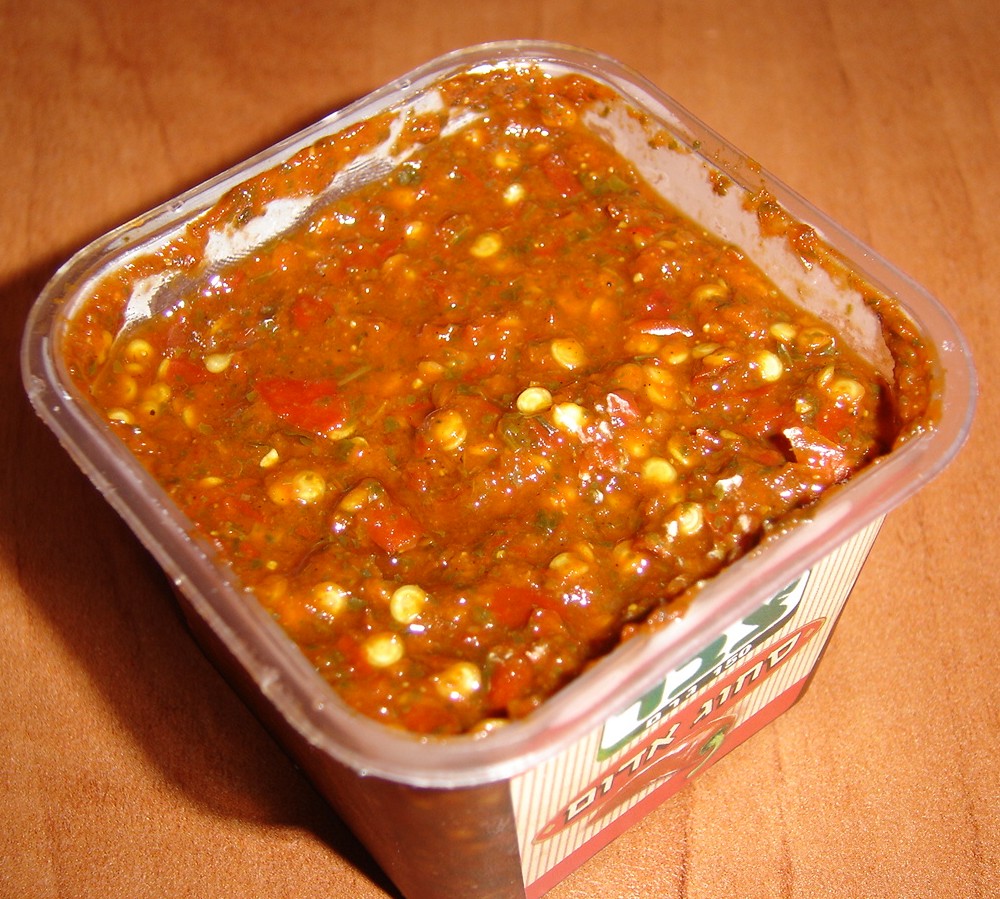 🇾🇪 Yemen and 1 moreZhugسحوق
A Yemeni hot sauce of crushed chilies, garlic, and corianderHot and fiery · Sharp and pungent
🇾🇪 Yemen and 1 moreZhugسحوق
A Yemeni hot sauce of crushed chilies, garlic, and corianderHot and fiery · Sharp and pungent
 🇯🇵 JapanShichimi七味唐辛子
A Japanese seven-ingredient spice blend for finishing soups and noodlesBlend · Hot and fiery · Citrus and bright
🇯🇵 JapanShichimi七味唐辛子
A Japanese seven-ingredient spice blend for finishing soups and noodlesBlend · Hot and fiery · Citrus and bright
 🇯🇵 JapanYuzu koshō柚子胡椒
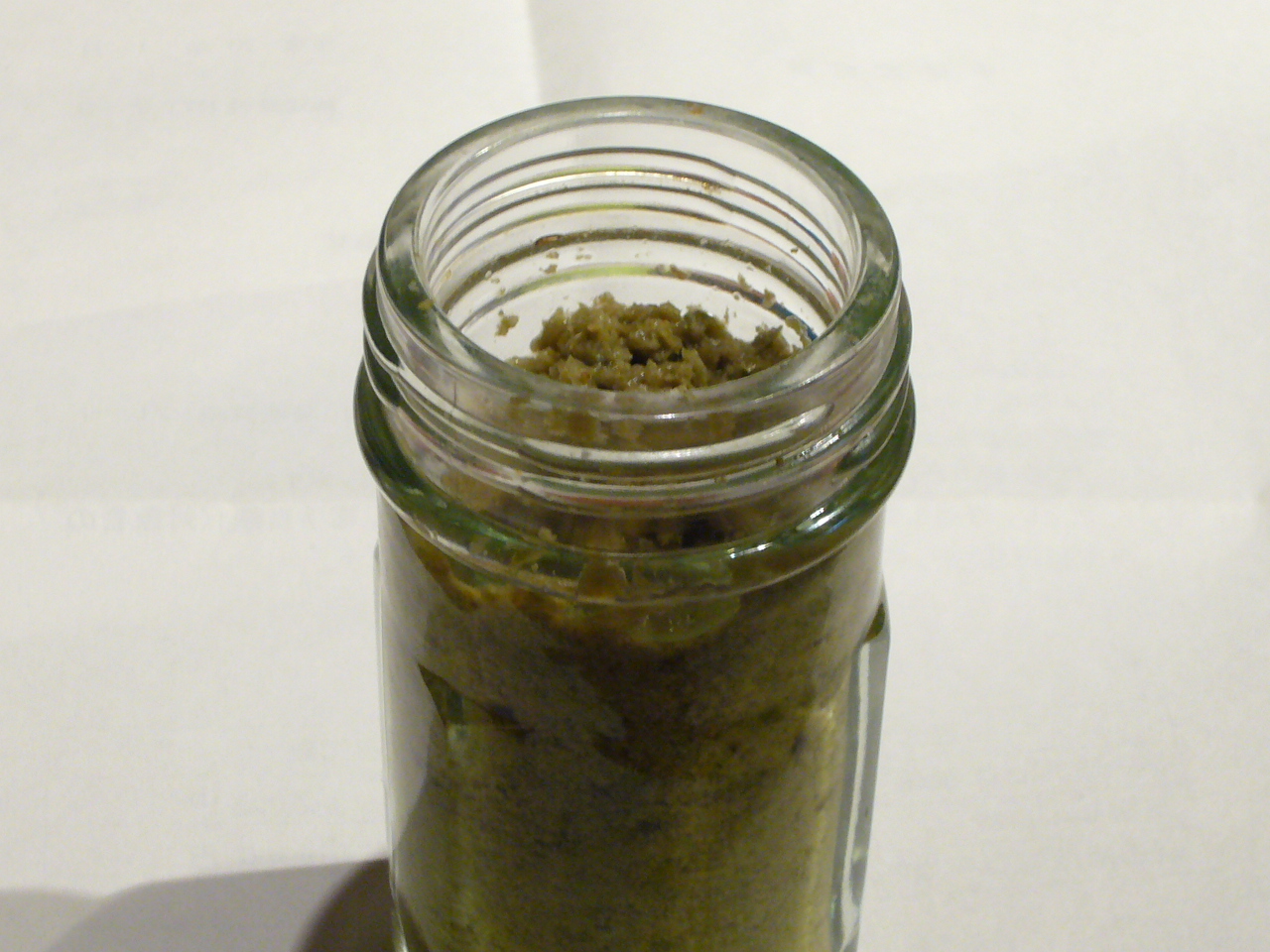
A fermented Japanese paste of chili peppers and yuzu citrus peel.Paste · Hot and fiery · Citrus and bright
🇯🇵 JapanYuzu koshō柚子胡椒
A fermented Japanese paste of chili peppers and yuzu citrus peel.Paste · Hot and fiery · Citrus and bright
 🇱🇾 Libya and 1 morePilpelchumaפלפלצ'ומה
A steamed chili and garlic paste from Libyan Jewish cuisine, now common in Israel.Hot and fiery · Sharp and pungent
🇱🇾 Libya and 1 morePilpelchumaפלפלצ'ומה
A steamed chili and garlic paste from Libyan Jewish cuisine, now common in Israel.Hot and fiery · Sharp and pungent