
Galbanum
Ferula gummosa
A bitter Persian gum resin used in ancient incense and modern green perfumes
Galbanum is a sticky gum resin harvested from Ferula plants native to Iran. It has a sharp, bitter taste and an intense green scent with notes of pine and bamboo. Historically it was burned as sacred incense and is now used as a base note in fine fragrances.
- Used in the biblical ketoret incense for Temple rituals
- Harvested from Ferula plants in northern Iran
- Defines the green scent family in modern perfumery
- Has a bitter taste and intense green pine-like aroma
- Once used in Persian medicine for respiratory issues
What is Galbanum?
Galbanum is a gum resin obtained from several species of the genus Ferula, particularly Ferula gummosa. Its colour ranges from light brown to yellowish or greenish-yellow. The substance has a disagreeable bitter taste and a peculiar musky odour. It possesses an intense green scent that can resemble pine, evergreen, green bamboo, parsley, or green apples when diluted. The resin contains terpenes, sulfur-containing resins, and gum. It also holds small amounts of umbelliferone and various volatile oils like alpha-pinene and limonene.
Where does Galbanum come from?
The plants that yield galbanum grow plentifully on mountain slopes in northern Iran. Ancient Egyptians highly treasured this aromatic substance. They believed their sacred green incense was made from galbanum. The Latin name ferula comes from a schoolmaster's rod. A related plant called narthex had hollow stalks used as torches in antiquity. Greek mythology says Prometheus stole fire using such a torch. Some legends transferred to galbanum, calling it the sacred mother resin.
What does Galbanum taste like?
The taste is distinctly bitter and pungent. The aroma is complex, starting with acrid and peculiar notes. It develops into a woody, balsamic fragrance. The scent profile includes turpentine-like qualities. When diluted, it smells of fresh greenery. Notes of pine and lemon appear due to its chemical content. The absolute form is ambery-green and sweet. It acts as a base note in perfumes. The smell is often compared to labdanum mixtures.
How Galbanum is grown and processed
Ferula plants thrive on mountain slopes in northern Iran. The resin is collected from these specific regions. The raw material appears as tears or lumps. It can be dried to create a powder. Low boiling or adding diluents helps process the sticky tar-like resin. Solvent extraction produces a viscous liquid called absolute. This absolute may resinify over time upon air exposure. The specific gravity is 1.212. Adulteration with pine oil sometimes occurs.
Galbanum, drawn
How Galbanum is used
Galbanum is primarily used in perfumery today. It defines the green family of scents. Fragrances like Vent Vert and Chanel No. 19 feature it prominently. It creates effects in chypre and aquatic fougère compositions. Historically, it was ground into powder for incense. The biblical ketoret used it in Temple services. In traditional Persian medicine, it treated respiratory and digestive issues. Lola Montez suggested using it mixed with pitch for hair removal.
At a glance: where it turns up
Spiritual use


Spiritual and ceremonial use
In Jewish tradition, galbanum was essential for the ketoret incense. This consecrated blend was burned on a specialized altar. The practice occurred during the First and Second Temple periods in Jerusalem. Rashi noted the bitter ingredient reminded worshippers of unrepentant sinners. Ancient Egyptians also valued it as a sacred substance. Their green incense likely contained galbanum. It served religious rituals involving smoke offerings.
Traditional and medicinal use
Traditional Persian medicine used galbanum for health purposes. Preparations addressed respiratory complaints. Digestive disorders were also treated with it. Topical applications were common. Hippocrates employed it in early medicine. Pliny claimed it could kill serpents when mixed with oil. Contemporary medicine once used doses of five to fifteen grains. These uses are now obsolete. The drug acts like other resin and volatile oil substances.
The trade in Galbanum
Galbanum has been traded since antiquity. Egyptian markets prized it heavily. Modern perfumery continues this trade. The substance is frequently adulterated with pine oil. Synthetic versions like galbanone exist. The absolute form is extracted commercially. Producing countries remain focused on Iran. Historical routes moved it through the Middle East. Certification or heritage marks are not currently listed.
Questions people ask about Galbanum
What does galbanum smell like?
It has an intense green scent resembling pine, bamboo, or parsley. The aroma starts with acrid notes and becomes woody and balsamic. Diluted, it smells fresh and herbal. Perfumers use it for its unique green character.
Where does galbanum come from?
It originates from northern Iran. The resin comes from Ferula gummosa plants growing on mountain slopes. Ancient Egyptians also valued it as a sacred aromatic substance.
How is galbanum used in cooking?
It is not typically used in cooking. Its bitter taste makes it unsuitable for food. It is mainly used in incense and perfumes. Traditional medicine occasionally used it internally.
Why is galbanum bitter?
The bitterness comes from its resin and gum content. It contains about 65% resin with sulfur. This chemical makeup gives it a disagreeable taste compared to other spices.
Good reading and sources
The facts on this page come from the Wikipedia article "Galbanum", written by its contributors and used under the CC BY-SA 4.0 licence, and from its Wikidata record (CC0). EveryMasala rewrote the text in its own words, with AI assistance, and compares every page with the article to make sure no passage is copied. It may be reused under the same CC BY-SA 4.0 licence with a link back.
It may contain mistakes. Names, strengths and customs differ from one grower, kitchen or shop to the next. Traditional and medicinal uses are described as tradition, never as medical advice, and none of this is a substitute for a doctor. If something is wrong, tell us. Last refreshed 2026-10-04.
More from Iran
All the spices of Iran 🇴🇲 Oman and 3 moreDried lime
Sun-dried limes from the Persian Gulf, used whole or ground to add sour depth to Middle Eastern dishes.Fruit · Sour and tart · Earthy and deep
🇮🇷 IranAdviehادویه
A fragrant blend of spices used to season rice and stews in Iranian cooking.Warm and sweet-spiced · Sweet and mellow
🇴🇲 Oman and 3 moreDried lime
Sun-dried limes from the Persian Gulf, used whole or ground to add sour depth to Middle Eastern dishes.Fruit · Sour and tart · Earthy and deep
🇮🇷 IranAdviehادویه
A fragrant blend of spices used to season rice and stews in Iranian cooking.Warm and sweet-spiced · Sweet and mellow
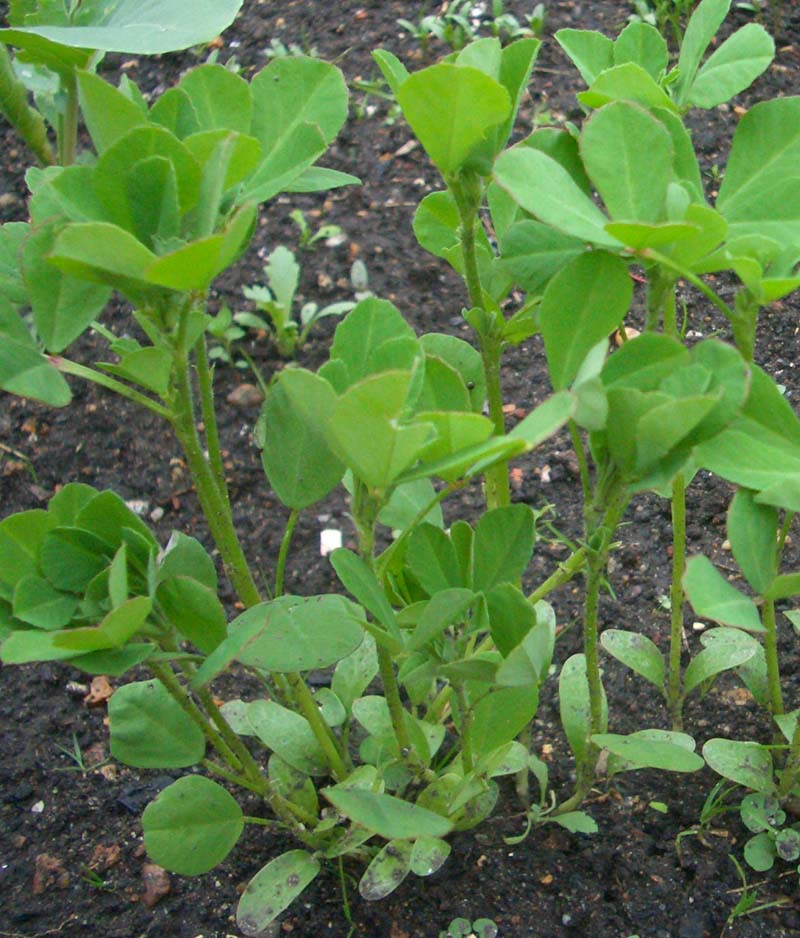 🇮🇳 India and 5 moreFenugreekحلبة (hilba)
The cuboid seed of an annual legume, prized for its bitter warmth and maple aroma.Seed · Bitter · Warm and sweet-spiced
🇮🇳 India and 5 moreFenugreekحلبة (hilba)
The cuboid seed of an annual legume, prized for its bitter warmth and maple aroma.Seed · Bitter · Warm and sweet-spiced
 🇸🇾 Syria and 5 moreSumac
A tart, crimson spice made from ground berries of the Rhus coriaria shrub.Seed · Sour and tart · Citrus and bright
🇸🇾 Syria and 5 moreSumac
A tart, crimson spice made from ground berries of the Rhus coriaria shrub.Seed · Sour and tart · Citrus and bright
Its cousins elsewhere
All resin 🇮🇷 Iran and 4 moreSaffronزعفران
The dried crimson stigmas of the autumn-blooming saffron crocus.Stigma · Sharp and pungent · Bitter
🇮🇷 Iran and 4 moreSaffronزعفران
The dried crimson stigmas of the autumn-blooming saffron crocus.Stigma · Sharp and pungent · Bitter
 🇮🇳 India and 4 moreCurry paste
A blended mixture of spices and aromatics used as the base for curries in Asia.Warm and sweet-spiced · Earthy and deep
🇮🇳 India and 4 moreCurry paste
A blended mixture of spices and aromatics used as the base for curries in Asia.Warm and sweet-spiced · Earthy and deep
 🇮🇷 Iran and 2 moreAsafoetida
A pungent gum-resin from the Ferula plant, used as a garlic and onion substitute in South Asian cooking.Resin · Sharp and pungent · Earthy and deep
🇮🇷 Iran and 2 moreAsafoetida
A pungent gum-resin from the Ferula plant, used as a garlic and onion substitute in South Asian cooking.Resin · Sharp and pungent · Earthy and deep
 🇳🇱 Netherlands and 5 moreJuniper berry
The fleshy seed cone of the juniper tree, a piney spice for game and gin.Sharp and pungent · Citrus and bright
🇳🇱 Netherlands and 5 moreJuniper berry
The fleshy seed cone of the juniper tree, a piney spice for game and gin.Sharp and pungent · Citrus and bright