
Kampot pepper
In its own language: ម្រេចកំពត
Piper nigrum
A Cambodian cultivar of black pepper with a protected geographical indication status.
This spice is a specific cultivar of the Piper nigrum vine, cultivated exclusively in the southwestern provinces of Cambodia. It is known for its distinct flavour profile, shaped by the local soil and climate, and is sold in green, black, white, and red forms. The product holds a Geographical Indication status, ensuring it comes from the designated region.
- First Cambodian product to get WTO Geographical Indication status in 2010.
- Grown only in Kampot and Kep provinces in southwestern Cambodia.
- Available in black, green, white, and red varieties from one vine.
- Famous for use in Kampot Pepper Crab stir-fried with soy sauce.
- Production collapsed during civil war, recovering slowly since the 2000s.
What is Kampot pepper?
Kampot pepper is a cultivar of the black pepper plant, scientifically known as Piper nigrum. It is grown only in the southwestern regions of Cambodia, specifically within Kampot and Kep provinces. The spice appears in four main colours: black, green, white, and red, all harvested from the same vine. The unique terroir of the area, including the quartz-rich soil in the foothills of the Elephant Mountains, contributes to its distinct character. The plant is a climbing vine that requires support structures to grow vertically.
Where does Kampot pepper come from?
Cultivation in this region dates back to at least the thirteenth century, during the Angkorian era, when Chinese diplomat Zhou Daguan recorded the local pepper production. Modern intensive farming began under French colonial rule in the eighteen seventies. During the early twentieth century, it was widely exported as Indochinese pepper. Production collapsed during the civil war in the nineteen sixties and seventies, dropping to just four tons annually by the nineties. Recovery began in the two thousands as farmers returned to their lands.
What does Kampot pepper taste like?
The taste is described as pungent and earthy, with notes of citrus. This profile is attributed to the specific growing conditions of the Kampot region. The soil composition and climate create a unique flavour that distinguishes it from other black peppers. The different colour varieties offer slightly varying intensity levels, but all share the core characteristics derived from the local environment. The heat level is significant, providing a sharp bite typical of high-quality peppercorns.
How Kampot pepper is grown and processed
Pepper vines are grown on poles in the districts of Kampot and Kep provinces. The process relies on knowledge passed down through generations since the thirteenth century. Plants are inspected by the Kampot Pepper Producers Association and certified by Eco-Cert. Only accredited members can use the official appellation. Harvesting yields vary, with recent annual production reaching around eighty tonnes. Large-scale plantation expansion has raised concerns about deforestation in the region.
Kampot pepper, drawn
How Kampot pepper is used
Ground black pepper or fresh green peppercorns are essential for the signature Kampot Pepper Crab. This dish involves stir-frying crab meat with garlic and sweetened soy sauce. Another common preparation uses green peppercorns with squid, palm sugar, oyster sauce, and fish sauce. The spice also features in non-culinary applications, such as being infused into rum by local distilleries. Some chocolate makers blend red Kampot pepper with dark cocoa beans for aged products.
Kampot pepper in the world's kitchens
Kampot pepper is central to Cambodian cuisine, specifically the cooking styles of the southern provinces. It defines the local identity of seafood preparations, most notably the crab dish. The spice is also exported to international markets in Europe, the United States, Japan, Korea, and Taiwan. In these regions, it is valued as a premium ingredient. The distinction between the small leaf and big leaf varieties allows for different culinary applications within the local tradition.
At a glance: where it turns up
By meal
Cuisines


Spiritual and ceremonial use
It is treated purely as an agricultural product and culinary ingredient without documented sacred or ceremonial roles in Cambodian culture.
Kampot pepper at celebrations
Its role is functional in daily cooking and commercial dining rather than tied to celebratory events or seasonal ceremonies.
Traditional and medicinal use
Traditional knowledge of cultivation has been maintained in Kampot Province for centuries. Farmers rely on inherited techniques for planting and processing. The spice is regarded strictly as a food seasoning and export commodity without references to healing properties.
Buying and storing Kampot pepper
Different qualities of Kampot pepper are produced based on storage conditions. Proper handling is required to maintain the integrity of the dried berries. The certification body ensures that accredited members follow specific criteria for preservation.
What to use instead of Kampot pepper
Due to its Geographical Indication status, it is considered unique to its region. Other black peppers may be used in similar dishes, but they lack the specific terroir-driven flavour. Consumers seeking the exact taste must look for certified Kampot pepper.
The trade in Kampot pepper
Kampot pepper received World Trade Organization Geographical Indication status in twenty ten, making it the first Cambodian product to achieve this. It also gained protection in the European Union in twenty sixteen. Production increased significantly after the war, though exports remain relatively small compared to global giants like Vietnam. The market price is favourable, encouraging new plantations, but this growth poses environmental risks.
Meal
This spice is primarily used in dinner settings, particularly for seafood dishes. The most famous application is the Kampot Pepper Crab, which serves as a main course in restaurants. Green peppercorns are also used in stir-fries featuring squid, fitting into evening meals. Beyond food, the spice is incorporated into alcoholic drinks like pepper-infused rum. It is not typically associated with breakfast, desserts, or street snacks in its traditional context.
Questions people ask about Kampot pepper
Where does Kampot pepper come from?
It is a cultivar of black pepper grown exclusively in the Kampot and Kep provinces of Cambodia. The region's soil and climate give it a unique flavour profile protected by geographical indication laws.
What does Kampot pepper taste like?
It has a pungent, earthy taste with hints of citrus. The flavour is distinct due to the local terroir, particularly the quartz content in the soil near the Elephant Mountains.
How is it used in cooking?
It is most famous in the Kampot Pepper Crab dish, where green peppercorns are stir-fried with crab, garlic, and sweetened soy sauce. It is also used in squid stir-fries and infused into spirits.
Why is it special compared to other peppers?
It holds a Geographical Indication status, meaning only pepper grown in specific Cambodian districts can bear the name. This protects its quality and links it directly to its place of origin.
Good reading and sources
- Kampot pepper on WikipediaEncyclopedia
- More photos on Wikimedia CommonsPhotos and video
- Wikidata recordOpen data
The facts on this page come from the Wikipedia article "Kampot pepper", written by its contributors and used under the CC BY-SA 4.0 licence, and from its Wikidata record (CC0). EveryMasala rewrote the text in its own words, with AI assistance, and compares every page with the article to make sure no passage is copied. It may be reused under the same CC BY-SA 4.0 licence with a link back.
It may contain mistakes. Names, strengths and customs differ from one grower, kitchen or shop to the next. Traditional and medicinal uses are described as tradition, never as medical advice, and none of this is a substitute for a doctor. If something is wrong, tell us. Last refreshed 2026-10-04.
More from Cambodia
All the spices of Cambodia 🇰🇭 CambodiaKroeungគ្រឿង
The pounded herb paste that gives Khmer dishes their base flavourPaste · Herbal and green · Hot and fiery
🇰🇭 CambodiaKroeungគ្រឿង
The pounded herb paste that gives Khmer dishes their base flavourPaste · Herbal and green · Hot and fiery
 🇰🇭 CambodiaKampot sea saltអំបិលសមុទ្រកំពត
Hand-harvested sea salt from the coastal provinces of CambodiaSeasoning
🇰🇭 CambodiaKampot sea saltអំបិលសមុទ្រកំពត
Hand-harvested sea salt from the coastal provinces of CambodiaSeasoning
 🇮🇳 India and 4 moreCurry paste
A blended mixture of spices and aromatics used as the base for curries in Asia.Warm and sweet-spiced · Earthy and deep
🇮🇳 India and 4 moreCurry paste
A blended mixture of spices and aromatics used as the base for curries in Asia.Warm and sweet-spiced · Earthy and deep
 🇹🇭 Thailand and 4 moreBenzoin resin
A sweet balsamic tree resin used in incense, perfumes, and traditional medicine.Resin · Sweet and mellow
🇹🇭 Thailand and 4 moreBenzoin resin
A sweet balsamic tree resin used in incense, perfumes, and traditional medicine.Resin · Sweet and mellow
Its cousins elsewhere
All seed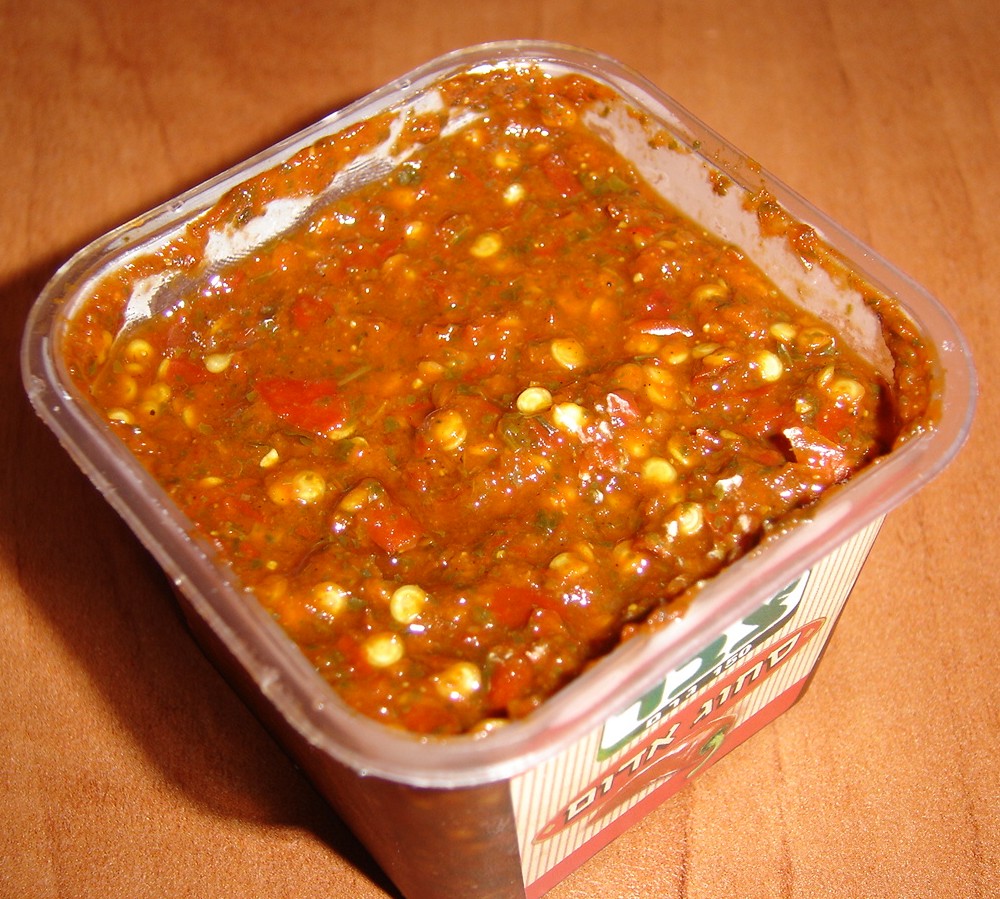 🇾🇪 Yemen and 1 moreZhugسحوق
A Yemeni hot sauce of crushed chilies, garlic, and corianderHot and fiery · Sharp and pungent
🇾🇪 Yemen and 1 moreZhugسحوق
A Yemeni hot sauce of crushed chilies, garlic, and corianderHot and fiery · Sharp and pungent
 🇳🇱 Netherlands and 5 moreJuniper berry
The fleshy seed cone of the juniper tree, a piney spice for game and gin.Sharp and pungent · Citrus and bright
🇳🇱 Netherlands and 5 moreJuniper berry
The fleshy seed cone of the juniper tree, a piney spice for game and gin.Sharp and pungent · Citrus and bright
 🇯🇵 JapanShichimi七味唐辛子
A Japanese seven-ingredient spice blend for finishing soups and noodlesBlend · Hot and fiery · Citrus and bright
🇯🇵 JapanShichimi七味唐辛子
A Japanese seven-ingredient spice blend for finishing soups and noodlesBlend · Hot and fiery · Citrus and bright
 🇮🇷 Iran and 1 moreGalbanum
A bitter Persian gum resin used in ancient incense and modern green perfumesResin · Bitter · Sharp and pungent
🇮🇷 Iran and 1 moreGalbanum
A bitter Persian gum resin used in ancient incense and modern green perfumesResin · Bitter · Sharp and pungent