
Asafoetida
Ferula assa-foetida
A pungent gum-resin from the Ferula plant, used as a garlic and onion substitute in South Asian cooking.
Asafoetida is a dried oleo-gum-resin harvested from the taproot of several Ferula species native to Iran, Afghanistan, and India. It possesses an intensely strong alliaceous odour that mellows into a savoury, umami-rich flavour when cooked. It serves as a vital seasoning in Indian and Middle Eastern cuisines, particularly for lentils and vegetable dishes.
- Dried resin from Ferula plant roots in Iran and Afghanistan
- Smells pungent raw, tastes savory and umami when cooked
- Essential garlic substitute in Jain and Indian vegetarian cooking
- Used in Ayurveda for digestive and respiratory health
- India now cultivating domestic sources since 2020
What is Asafoetida?
Asafoetida is a sticky, yellowish-brown gum-resin obtained from the taproot of perennial herbs in the carrot family. The raw resin is hard and waxy, often sold as grey or dull yellow tears, or mixed with flour and soil. It has a sharp, bitter taste and a powerful smell driven by organosulfur compounds. When exposed to air, fresh fractures turn violet-red before fading to brown. The scent is so intense it earned the colloquial name devil's dung, though cooking transforms this aggressive aroma into a deep, savoury base.
Where does Asafoetida come from?
The resin comes from wild plants in the mountainous regions of Iran, Afghanistan, and north-western China. Historical records link it to Greco-Roman antiquity, where it may have replaced the extinct silphium. For centuries, Afghanistan and Iran were the main producers, shipping raw resin to India. Since 2020, domestic cultivation efforts have begun in Himachal Pradesh to meet local demand.
What does Asafoetida taste like?
Raw asafoetida smells strongly of garlic and onion due to its sulfur content. The initial bitterness and pungency are overwhelming. However, when heated in oil or ghee, the harsh notes dissipate rapidly. The cooked spice delivers a rich, earthy umami depth that mimics the savory quality of alliums without their fibrous texture. This transformation makes it a versatile foundation for complex dishes.
How Asafoetida is grown and processed
The resin is tapped from the roots of Ferula species during specific seasons. Harvesters make incisions to collect the exuding latex, which dries into irregular chunks. Commercial varieties include pure tears and mass forms mixed with root fragments. In India, grades like Irani Hing from Iran and Pathani Hing from Afghanistan are distinguished by origin and moisture content. Domestic farming trials aim to secure sustainable yields within India.
Asafoetida, drawn
How Asafoetida is used
Cooking begins by frying a small amount in hot oil to release its flavor. It is essential in vegetarian cuisine to replace garlic and onion, especially in Jain diets where these ingredients are avoided. It seasons lentil soups, vegetable curries, and pickles. A pinch balances heavy spices and aids digestion. The raw resin is also used in perfumery as a fixative and in traditional medicine for respiratory issues.
Asafoetida in the world's kitchens
Indian cuisine relies heavily on asafoetida for its savory backbone. Middle Eastern kitchens also use it, though less frequently. In India, it bridges regional gaps, appearing in both northern and southern recipes. The Iranian and Afghan origins influence trade routes, but the culinary application is distinctly South Asian. Western usage remains niche, mostly found in specialty sauces or historical contexts.
At a glance: where it turns up
Cuisines
Spiritual use
Celebrations


Spiritual and ceremonial use
Ayurvedic texts frequently mention asafoetida for its healing properties. It is considered sacred in certain Hindu rituals for its purifying qualities. Traditional systems value it for balancing bodily humors. The resin is not typically an offering food but is revered for its medicinal potential within spiritual health frameworks.
Asafoetida at celebrations
There are no specific festivals tied directly to asafoetida. Its use is embedded in daily religious dietary practices, particularly among Jains who avoid root vegetables. It supports the observance of strict dietary laws by providing flavor without forbidden ingredients.
Traditional and medicinal use
In Ayurveda and Unani medicine, asafoetida treats gastrointestinal and respiratory ailments. It is traditionally used to reduce bloating and aid digestion. Pharmacological studies note biological activities linked to its chemical compounds. Safety notes suggest moderation due to its potency. It is never prescribed as a cure but respected as a folk remedy.
Buying and storing Asafoetida
Keep the resin in an airtight container to prevent odor leakage and moisture absorption. Pure tears last longer than mass forms mixed with fillers. Store in a cool, dark place away from direct sunlight. The strong smell can permeate other spices if not sealed properly.
What to use instead of Asafoetida
No single ingredient replicates its unique profile. Garlic and onion powder are common substitutes in non-Jain cooking. Leeks or shallots provide a milder allium flavor. Some cooks use a mix of garlic, onion, and fennel seeds to approximate the complexity.
The trade in Asafoetida
Historically, Iran and Afghanistan dominated production, exporting raw resin to India. Indian merchants processed and packaged the spice for global markets. Trade routes moved through ports like Bushehr. Modern efforts focus on reducing import dependency through local cultivation. Adulteration with gypsum or flour remains a concern in commercial grades.
Meal
This spice belongs primarily to lunch and dinner plates. It is a staple in daily home cooking across India, providing depth to everyday meals. It appears in hearty lentil stews and vegetable preparations served as main courses. Its digestive properties make it suitable for substantial midday and evening meals rather than light snacks or breakfast items.
Blends with Asafoetida
Questions people ask about Asafoetida
What does asafoetida taste like?
Raw it is bitter and pungent with a strong garlic-onion smell. When fried in oil, it becomes savory, earthy, and umami-rich, adding depth to lentils and vegetables without the fibrous texture of alliums.
Where does asafoetida come from?
It is harvested from the taproots of Ferula plants native to Iran, Afghanistan, and parts of Central Asia. Historically, these regions exported raw resin to India for processing and consumption.
Why is it called devil's dung?
The raw resin has an extremely strong, sulfurous odor that many find unpleasant. This intense smell led to the colloquial nickname devil's dung, though cooking transforms the aroma into something pleasant.
Can I use it in place of garlic?
Yes, it is widely used as a garlic and onion substitute, especially in Jain cuisine where root vegetables are avoided. Use a tiny pinch, as it is much more potent than fresh alliums.
How should I store asafoetida?
Store it in an airtight container to contain its strong odor and protect it from moisture. Keep it in a cool, dark place to maintain its potency and prevent clumping or degradation over time.
Good reading and sources
- آنقوزه 'بیشتر از تریاک' برای افغانستان دلار میآورد؟BBC, Article
- Explained: Why scientists are trying to cultivate asafoetida or heeng in the Indian HimalayasThe Indian Express, Article
- Asafoetida on WikipediaEncyclopedia
- More photos on Wikimedia CommonsPhotos and video
- Wikidata recordOpen data
The facts on this page come from the Wikipedia article "Asafoetida", written by its contributors and used under the CC BY-SA 4.0 licence, and from its Wikidata record (CC0). EveryMasala rewrote the text in its own words, with AI assistance, and compares every page with the article to make sure no passage is copied. It may be reused under the same CC BY-SA 4.0 licence with a link back.
It may contain mistakes. Names, strengths and customs differ from one grower, kitchen or shop to the next. Traditional and medicinal uses are described as tradition, never as medical advice, and none of this is a substitute for a doctor. If something is wrong, tell us. Last refreshed 2026-10-04.
More from Iran
All the spices of Iran 🇮🇷 Iran and 4 moreSaffronزعفران
The dried crimson stigmas of the autumn-blooming saffron crocus.Stigma · Sharp and pungent · Bitter
🇮🇷 Iran and 4 moreSaffronزعفران
The dried crimson stigmas of the autumn-blooming saffron crocus.Stigma · Sharp and pungent · Bitter
 🇦🇫 Afghanistan and 5 moreLovageлюбисток
A tall European herb with celery-like leaves and spicy seeds used in soups and broths.Leaf · Sharp and pungent · Herbal and green
🇦🇫 Afghanistan and 5 moreLovageлюбисток
A tall European herb with celery-like leaves and spicy seeds used in soups and broths.Leaf · Sharp and pungent · Herbal and green
 🇮🇳 India and 5 moreCumin
The dried seed of a small parsley-family herb, used whole or ground in many world cuisines.Seed · Warm and sweet-spiced · Earthy and deep
🇮🇳 India and 5 moreCumin
The dried seed of a small parsley-family herb, used whole or ground in many world cuisines.Seed · Warm and sweet-spiced · Earthy and deep
 🇮🇷 Iran and 1 moreGalbanum
A bitter Persian gum resin used in ancient incense and modern green perfumesResin · Bitter · Sharp and pungent
🇮🇷 Iran and 1 moreGalbanum
A bitter Persian gum resin used in ancient incense and modern green perfumesResin · Bitter · Sharp and pungent
Its cousins elsewhere
All resin 🇬🇭 GhanaShitoshitor din
A dark, spicy sauce made from fried fish and peppers, central to Ghanaian cooking.Hot and fiery · Sharp and pungent
🇬🇭 GhanaShitoshitor din
A dark, spicy sauce made from fried fish and peppers, central to Ghanaian cooking.Hot and fiery · Sharp and pungent
 🇬🇷 Greece and 1 moreMasticΜαστίχα
A bitter-sweet resin from the mastic tree, used in desserts and traditional medicine.Bitter · Sharp and pungent
🇬🇷 Greece and 1 moreMasticΜαστίχα
A bitter-sweet resin from the mastic tree, used in desserts and traditional medicine.Bitter · Sharp and pungent
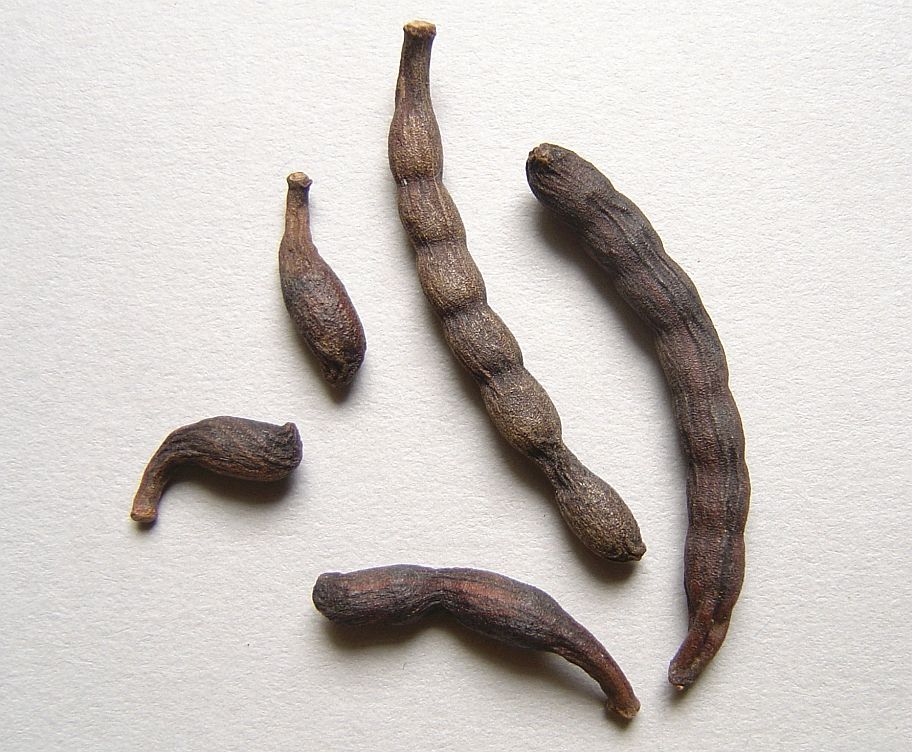 🇬🇭 Ghana and 5 moreGrains of Selimdiarr
The dried fruit of a West African shrub, used as a peppery spice and coffee flavouring.Fruit · Sharp and pungent · Bitter
🇬🇭 Ghana and 5 moreGrains of Selimdiarr
The dried fruit of a West African shrub, used as a peppery spice and coffee flavouring.Fruit · Sharp and pungent · Bitter
 🇱🇾 Libya and 1 morePilpelchumaפלפלצ'ומה
A steamed chili and garlic paste from Libyan Jewish cuisine, now common in Israel.Hot and fiery · Sharp and pungent
🇱🇾 Libya and 1 morePilpelchumaפלפלצ'ומה
A steamed chili and garlic paste from Libyan Jewish cuisine, now common in Israel.Hot and fiery · Sharp and pungent