🇪🇬 The spices of Egypt
16 spices from Egypt, best known first, across 2 cities, markets and growing areas.
Egyptian cooking centers on the Nile’s harvest of grains, legumes, and vegetables. Spices like coriander, cumin, and garlic provide depth to stews and street foods. This tradition blends ancient methods with medieval trade influences.
- Molokhiyya stew is seasoned with kukia, a garlic and coriander blend.
- Ful medames consists of mashed fava beans seasoned with cumin and lemon.
- Ancient Egyptians baked emmer wheat bread and brewed fermented barley beer.
- Medieval cooks used mastic gum and cinnamon in rice dishes like rozz mefalfel.
- Sham Ennessim festival involves eating salted mullet, chickpeas, and onions.
Spice in Egypt
The culinary landscape of Egypt is defined by the fertile banks of the Nile River. Agriculture here favors crops over livestock due to limited grazing land. Consequently, the diet relies heavily on plant-based ingredients. Bread and beer have been foundational staples for millennia. The cuisine shares roots with neighboring Levantine and North African traditions. However, it maintains a distinct identity through specific local preparations. Historical layers from Greco-Roman and medieval periods are still visible in modern kitchens. Urban centers like Cairo developed complex food markets early on. These hubs facilitated the exchange of goods across the Islamic world. The result is a cuisine that balances simplicity with sophisticated seasoning techniques.
The spices of the kitchen
Coriander seeds and cumin form the aromatic base for many savory dishes. Garlic and onions appear frequently as flavor foundations. Mint is essential for tea and certain salads. Cinnamon and mastic gum were historically significant, often used in rice dishes. Saffron provided color and luxury notes in elite medieval cooking. Pepper arrived via trade routes from India and Yemen. Anise and fennel were also known during the Greco-Roman era. These seasonings mask strong meat odors or enhance vegetable sweetness. They are rarely used in isolation but rather in combinations.
Blends and pastes
Kukia is a traditional blend used to season molokhiyya stew. It typically contains garlic, coriander, and sometimes dried herbs. Falafel mixtures rely on soaked fava beans or chickpeas mixed with herbs. Shawarma marinades often include vinegar, oil, and various spices. Koshary combines lentils, pasta, and tomato sauce without heavy spice pastes. Desserts utilize simple syrup infusions with rose water or orange blossom water. Almonds and pistachios garnet sweets like kunafa and basbousa. These blends reflect both household habits and market availability.
Today
Modern Egyptian cuisine continues to evolve with global influences. Migration has introduced new ingredients and preferences. Traditional recipes remain popular in home kitchens and restaurants. Protected status for some regional products supports local farmers. Trade networks still import exotic spices while exporting local goods. Urbanization changes dining habits toward convenience foods. Yet, the core reliance on grains, legumes, and fresh produce persists. The balance between tradition and modernity defines the current culinary scene.
The facts in this overview come from the Wikipedia article "Egyptian cuisine", written by its contributors and used under the CC BY-SA 4.0 licence. EveryMasala rewrote the text in its own words, with AI assistance, and compares every page with the article to make sure no passage is copied. It may be reused under the same CC BY-SA 4.0 licence with a link back.
Spice cities and markets of Egypt
 🇱🇰 Sri Lanka and 5 moreCinnamon
The dried inner bark of Cinnamomum trees, prized for its sweet warmth and essential oil.Bark · Warm and sweet-spiced · Sweet and mellow
🇱🇰 Sri Lanka and 5 moreCinnamon
The dried inner bark of Cinnamomum trees, prized for its sweet warmth and essential oil.Bark · Warm and sweet-spiced · Sweet and mellow
 🇪🇬 EgyptShattaشطة
A fermented Levantine paste of fresh chillies, garlic, and saltHot and fiery · Sharp and pungent
🇪🇬 EgyptShattaشطة
A fermented Levantine paste of fresh chillies, garlic, and saltHot and fiery · Sharp and pungent
 🇱🇧 Lebanon and 5 moreZa'atarزَعْتَر
A Levantine blend of dried herbs, sumac, sesame seeds, and salt used in breads and dips.Blend · Earthy and deep · Citrus and bright
🇱🇧 Lebanon and 5 moreZa'atarزَعْتَر
A Levantine blend of dried herbs, sumac, sesame seeds, and salt used in breads and dips.Blend · Earthy and deep · Citrus and bright
 🇳🇱 Netherlands and 5 moreJuniper berry
The fleshy seed cone of the juniper tree, a piney spice for game and gin.Sharp and pungent · Citrus and bright
🇳🇱 Netherlands and 5 moreJuniper berry
The fleshy seed cone of the juniper tree, a piney spice for game and gin.Sharp and pungent · Citrus and bright
 🇬🇷 Greece and 4 moreThyme
The dried leaves of a Mediterranean mint-family herb, used to perfume stews and baths alike.Leaf · Earthy and deep · Warm and sweet-spiced
🇬🇷 Greece and 4 moreThyme
The dried leaves of a Mediterranean mint-family herb, used to perfume stews and baths alike.Leaf · Earthy and deep · Warm and sweet-spiced
 🇹🇷 Turkey and 2 moreMahleb
A ground cherry seed used to sweeten Middle Eastern baked goods with an almond-cherry note.Seed · Sweet and mellow · Bitter
🇯🇴 Jordan and 5 moreBaharatبهارات
A versatile Middle Eastern spice blend used to season meats and soups.Warm and sweet-spiced · Sharp and pungent
🇹🇷 Turkey and 2 moreMahleb
A ground cherry seed used to sweeten Middle Eastern baked goods with an almond-cherry note.Seed · Sweet and mellow · Bitter
🇯🇴 Jordan and 5 moreBaharatبهارات
A versatile Middle Eastern spice blend used to season meats and soups.Warm and sweet-spiced · Sharp and pungent
 🇮🇱 Israel and 5 moreCoriander
The leaves and dried seeds of an annual Mediterranean herb used in cuisines worldwide.Leaf · Citrus and bright · Warm and sweet-spiced
🇮🇱 Israel and 5 moreCoriander
The leaves and dried seeds of an annual Mediterranean herb used in cuisines worldwide.Leaf · Citrus and bright · Warm and sweet-spiced
 🇨🇳 China and 5 moreRoselle
The deep red calyx of a hibiscus plant, steeped into a tart drink or cooked as a leafy green.Fruit · Sour and tart · Citrus and bright
🇨🇳 China and 5 moreRoselle
The deep red calyx of a hibiscus plant, steeped into a tart drink or cooked as a leafy green.Fruit · Sour and tart · Citrus and bright
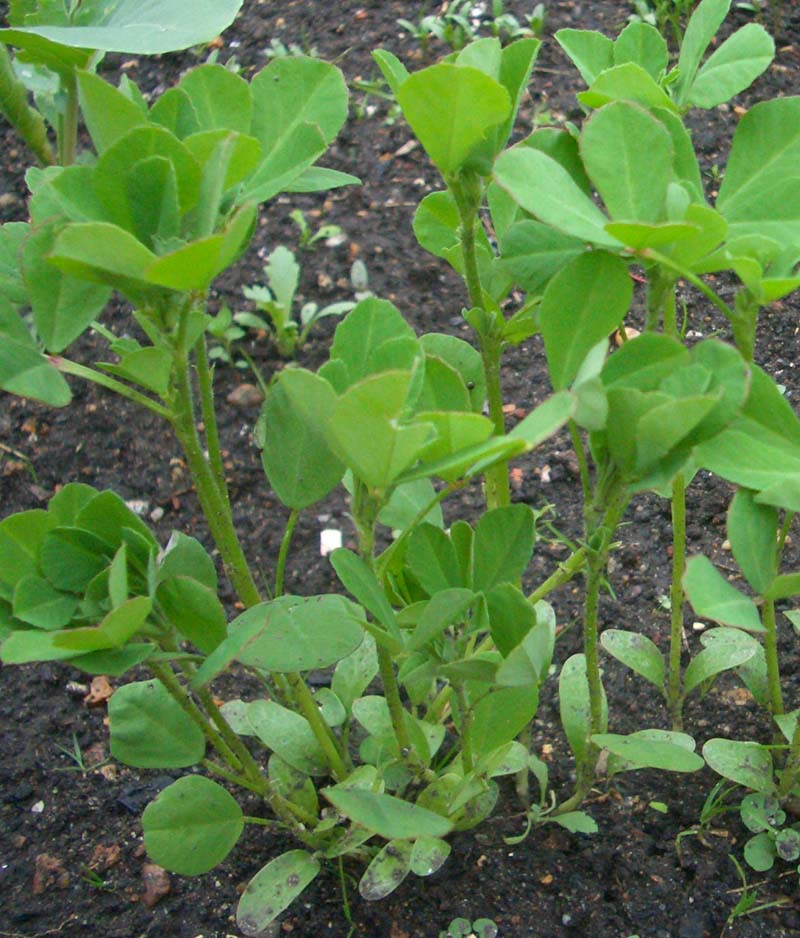 🇮🇳 India and 5 moreFenugreekحلبة (hilba)
The cuboid seed of an annual legume, prized for its bitter warmth and maple aroma.Seed · Bitter · Warm and sweet-spiced
🇮🇳 India and 5 moreFenugreekحلبة (hilba)
The cuboid seed of an annual legume, prized for its bitter warmth and maple aroma.Seed · Bitter · Warm and sweet-spiced
 🇮🇷 Iran and 1 moreGalbanum
A bitter Persian gum resin used in ancient incense and modern green perfumesResin · Bitter · Sharp and pungent
🇮🇷 Iran and 1 moreGalbanum
A bitter Persian gum resin used in ancient incense and modern green perfumesResin · Bitter · Sharp and pungent
 🇮🇳 India and 5 moreCumin
The dried seed of a small parsley-family herb, used whole or ground in many world cuisines.Seed · Warm and sweet-spiced · Earthy and deep
🇮🇳 India and 5 moreCumin
The dried seed of a small parsley-family herb, used whole or ground in many world cuisines.Seed · Warm and sweet-spiced · Earthy and deep
 🇩🇿 Algeria and 5 moreBlack mustard
The dark seeds of an annual plant, used whole in oil or ground into a sharp paste.Sharp and pungent · Hot and fiery
🇩🇿 Algeria and 5 moreBlack mustard
The dark seeds of an annual plant, used whole in oil or ground into a sharp paste.Sharp and pungent · Hot and fiery
 🇪🇬 Egypt and 3 moreAnise
The sweet, licorice-flavored seed of an annual herb from the Mediterranean basin.Seed · Sweet and mellow · Anise and liquorice
🇪🇬 Egypt and 3 moreAnise
The sweet, licorice-flavored seed of an annual herb from the Mediterranean basin.Seed · Sweet and mellow · Anise and liquorice
 🇵🇸 Palestine and 4 moreSyrian oreganoزَعْتَر
The aromatic herb native to the Levant, essential for making za'atar.Warm and sweet-spiced · Herbal and green
🇵🇸 Palestine and 4 moreSyrian oreganoزَعْتَر
The aromatic herb native to the Levant, essential for making za'atar.Warm and sweet-spiced · Herbal and green
 🇮🇳 India and 5 moreBlack pepper
The dried fruit of a climbing vine, the world's most traded spice.Sharp and pungent · Hot and fiery
🇮🇳 India and 5 moreBlack pepper
The dried fruit of a climbing vine, the world's most traded spice.Sharp and pungent · Hot and fiery
Photo credits on this page
The small pictures above come from Wikimedia Commons under free licences. Some are cropped to fit.
- Galbanum: Maša Sinreih in Valentina Vivod, CC BY-SA 3.0, source
- Shatta: 2kbfloppadisk, CC0, source
- Juniper berry: Unknown author, CC BY-SA 1.0, source
- Mahleb: Steve Hurst @ USDA-NRCS PLANTS Database, Public domain, source
- Black mustard: AnRo0002, CC0, source
- Black pepper: Rainer Zenz, CC BY-SA 3.0, source
- Cumin: Sanjay Acharya, CC BY-SA 3.0, source
- Syrian oregano: Kippi70, CC BY-SA 3.0, source
- Cinnamon: Luc Viatour, CC BY-SA 3.0, source
- Za'atar: Sjschen, CC BY 3.0, source
- Thyme: Evan-Amos, CC0, source
- Roselle: Bamouzou, CC BY-SA 4.0, source
- Fenugreek: Yak, CC BY-SA 3.0, source
- Coriander: Thamizhpparithi Maari, CC BY-SA 3.0, source
- Anise: David Monniaux, CC BY-SA 3.0, source
The weekly digest
Every Monday: seven spices you may not know, what is cooking this week, and one blend explained step by step.