
Kampot sea salt
In its own language: អំបិលសមុទ្រកំពត
Hand-harvested sea salt from the coastal provinces of Cambodia
This salt is extracted from seawater in evaporation ponds along the coast of Cambodia. It is traditionally used as a seasoning for local dishes and table condiments. The region produces a premium variety known as flower of salt.
- Harvested from evaporation ponds in Kampot and Kep provinces
- Premium flower of salt collected in April and May
- Produced by 200 families in a local association
- First major export contract signed in 2017
- Yields dropped sharply due to climate change impacts
What is Kampot sea salt?
Kampot sea salt is a mineral seasoning harvested from the coastal waters of Cambodia. It forms through the natural evaporation of seawater in large, shallow ponds. The crystals are typically white and coarse. A specific high-grade variety called Kampot Flower of Salt is collected by hand. This premium form appears only during the warmest months when winds are calm. The salt has a clean, briny taste derived directly from the ocean water it originates from.
Where does Kampot sea salt come from?
The production of salt in this region dates back centuries. The industry expanded significantly during the 1940s and 1950s. Political upheaval later nationalized the trade. Private farming resumed in 1986 when families were granted land rights. Today, two hundred families manage the farms through a local association. The practice remains deeply rooted in the coastal communities of Kampot and Kep.
What does Kampot sea salt taste like?
The primary taste is pure salinity. The texture varies between fine grains and larger flakes depending on the harvest method. The premium flower of salt consists of delicate, moist crystals. These form on the surface of the evaporation ponds. They absorb minimal impurities due to the careful harvesting conditions. The flavor profile is straightforward and enhances other ingredients without overpowering them.
How Kampot sea salt is grown and processed
Salt farmers use extensive evaporation ponds covering thousands of hectares. Seawater is channeled into these shallow basins. Sun and wind drive the water away, leaving behind salt crystals. The best quality is gathered manually in April and May. These months offer little wind and high heat. This allows the delicate surface crust to form undisturbed. Workers collect this top layer separately from the heavier bottom salts.
Kampot sea salt, drawn
How Kampot sea salt is used
Cooks use this salt to season everyday Cambodian meals. It serves as a table condiment for various dishes. The premium flower of salt is often sprinkled over food at the end of cooking. Its delicate texture makes it suitable for finishing rather than deep boiling. Local producers also sell raw salt for export. It pairs well with the region's famous pepper and fish sauce.
Kampot sea salt in the world's kitchens
Cambodian cuisine relies heavily on this coastal product. The salt defines the baseline seasoning for many regional recipes. Producers in Kampot and Kep supply the majority of the country's demand. The salt complements other local staples like fish sauce. It provides a necessary contrast to the sweet and sour flavors common in Southeast Asian cooking.
At a glance: where it turns up
Cuisines
Celebrations


Spiritual and ceremonial use
There are no specific religious rituals or offerings associated with this salt in the provided records. It functions primarily as a commercial and culinary commodity rather than a sacred item. The production process is an economic activity managed by local families and associations.
Kampot sea salt at celebrations
The salt is not tied to specific festivals or holiday celebrations in the available information. Harvesting peaks during the dry season months. This timing is driven by weather patterns rather than cultural calendars. The industry supports the local economy year-round through steady production cycles.
Traditional and medicinal use
Traditional knowledge guides the pond management and crystal collection. Farmers rely on generations of experience to read the weather. Recent challenges include rising sea levels and changing climate patterns. These environmental shifts have reduced harvest yields significantly. Efforts are underway to preserve the farming methods against these ecological threats.
Buying and storing Kampot sea salt
Salt should be kept in a dry environment to prevent clumping. Moisture can degrade the quality of the delicate flower of salt. Store the crystals in sealed containers away from direct sunlight. Proper storage maintains the texture and prevents contamination from other kitchen odors.
What to use instead of Kampot sea salt
No direct substitute replicates the specific mineral content of this coastal salt. Other sea salts may provide similar salinity but lack the unique terroir. Fleur de sel varieties from other regions can mimic the texture. However, they will not carry the distinct flavor profile of the Kampot harvest.
The trade in Kampot sea salt
The industry experienced rapid growth in the mid-twentieth century. Production volumes fluctuated based on political stability and weather. Export contracts began recently, linking local producers to international markets. Government regulations now mandate iodization for domestic sales. Climate change poses a significant risk to future trade volumes and farmer livelihoods.
Meal
This salt belongs to daily home cooking. It is present at lunch and dinner tables. Families use it to season soups, stews, and stir-fries. The premium variety acts as a final garnish. It is not typically reserved for special feasts but remains a staple ingredient for regular household preparation.
Questions people ask about Kampot sea salt
Where does Kampot sea salt come from?
It comes from the coastal provinces of Kampot and Kep in Cambodia. Farmers extract it from seawater using large evaporation ponds located along the shore.
What is Kampot Flower of Salt?
It is the highest quality grade of this salt. It is a delicate fleur de sel harvested by hand only during the warm, windless months of April and May.
How is the salt produced?
Seawater flows into shallow ponds where the sun evaporates the liquid. Crystals form on the bottom and surface. Workers collect the surface crust manually for the premium variety.
Why is the harvest size variable?
Production depends entirely on weather conditions. Droughts increase yields while rising sea levels and storms reduce them. Climate change has recently caused significant drops in output.
Good reading and sources
- Kampot sea salt on WikipediaEncyclopedia
- More photos on Wikimedia CommonsPhotos and video
- Wikidata recordOpen data
The facts on this page come from the Wikipedia article "Kampot sea salt", written by its contributors and used under the CC BY-SA 4.0 licence, and from its Wikidata record (CC0). EveryMasala rewrote the text in its own words, with AI assistance, and compares every page with the article to make sure no passage is copied. It may be reused under the same CC BY-SA 4.0 licence with a link back.
It may contain mistakes. Names, strengths and customs differ from one grower, kitchen or shop to the next. Traditional and medicinal uses are described as tradition, never as medical advice, and none of this is a substitute for a doctor. If something is wrong, tell us. Last refreshed 2026-10-04.
More from Cambodia
All the spices of Cambodia 🇹🇭 Thailand and 4 moreBenzoin resin
A sweet balsamic tree resin used in incense, perfumes, and traditional medicine.Resin · Sweet and mellow
🇹🇭 Thailand and 4 moreBenzoin resin
A sweet balsamic tree resin used in incense, perfumes, and traditional medicine.Resin · Sweet and mellow
 🇮🇳 India and 4 moreCurry paste
A blended mixture of spices and aromatics used as the base for curries in Asia.Warm and sweet-spiced · Earthy and deep
🇮🇳 India and 4 moreCurry paste
A blended mixture of spices and aromatics used as the base for curries in Asia.Warm and sweet-spiced · Earthy and deep
 🇰🇭 CambodiaKroeungគ្រឿង
The pounded herb paste that gives Khmer dishes their base flavourPaste · Herbal and green · Hot and fiery
🇰🇭 CambodiaKroeungគ្រឿង
The pounded herb paste that gives Khmer dishes their base flavourPaste · Herbal and green · Hot and fiery
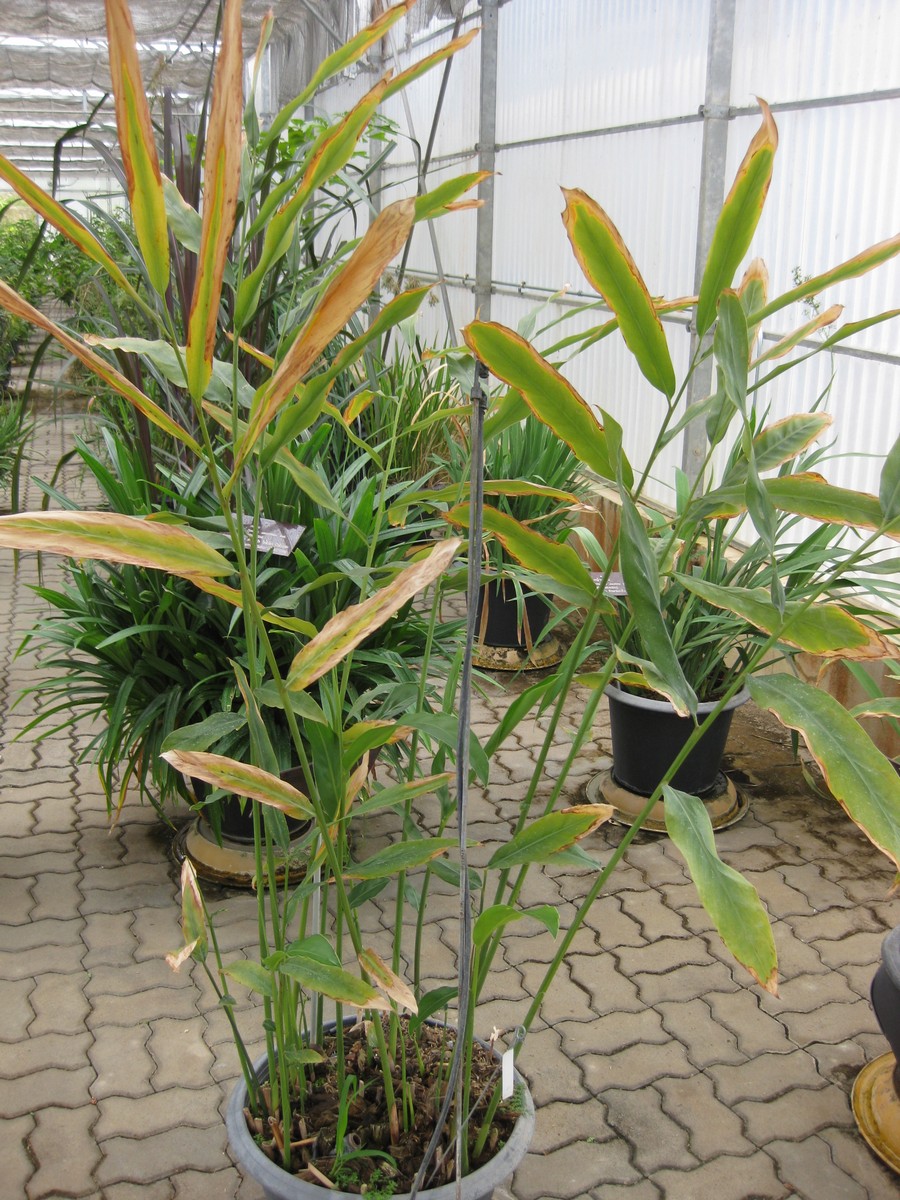 🇮🇩 Indonesia and 5 moreGreater galangalข่า
The pungent rhizome of a ginger relative, essential in Southeast Asian soups and curries.Root · Sharp and pungent · Citrus and bright
🇮🇩 Indonesia and 5 moreGreater galangalข่า
The pungent rhizome of a ginger relative, essential in Southeast Asian soups and curries.Root · Sharp and pungent · Citrus and bright
Its cousins elsewhere
All seasoning 🇰🇷 South KoreaBamboo salt죽염
Sea salt baked nine times in bamboo stems and pine fire, a Korean condiment and traditional remedy.Seasoning · Sweet and mellow
🇰🇷 South KoreaBamboo salt죽염
Sea salt baked nine times in bamboo stems and pine fire, a Korean condiment and traditional remedy.Seasoning · Sweet and mellow
 🇰🇷 South KoreaKorean brining salt왕소금
A coarse, minimally processed salt used for fermenting kimchi in Korea.Seasoning · Sour and tart
🇰🇷 South KoreaKorean brining salt왕소금
A coarse, minimally processed salt used for fermenting kimchi in Korea.Seasoning · Sour and tart