🇰🇭 The spices of Cambodia
14 spices from Cambodia, best known first, across 4 cities, markets and growing areas.
Cambodian cooking builds on a foundation of rice, fresh herbs, and fermented fish pastes, creating dishes that are lighter and less sweet than its neighbors. Spices like cardamom and star anise provide aromatic depth without overwhelming heat, while French colonial legacies add butter and bread to the daily table.
- Cardamom, star anise, and cloves provide aromatic depth without excessive heat.
- Prahok, a fermented fish paste, is a fundamental seasoning base.
- French colonial rule introduced baguettes, butter, and pâté to daily meals.
- The Khmer Empire spread culinary influences across Southeast Asia centuries ago.
- Khmer Krom communities in Southern Vietnam use turmeric and cinnamon heavily.
Spice in Cambodia
This cuisine reflects nearly two thousand years of Khmer tradition, shaped by Indian, Chinese, French, and Portuguese influences. It shares strong ties with Central Thai and Southern Vietnamese food, yet maintains a distinct identity by using fewer chilies and less sugar. The flavor profile emphasizes aromatic spices and fresh herbs over heavy heat. Royal and elite dishes historically used higher-quality ingredients and more meat, while rural cooking relied on local harvests. The Khmer Empire once spread these culinary practices across Southeast Asia, influencing neighboring regions through trade and migration. Today, the cuisine balances ancient techniques with modern global trends.
The spices of the kitchen
Aromatic spices form the backbone of many stews and curries. Cardamom, star anise, cloves, and nutmeg provide warm, sweet notes that distinguish Cambodian dishes from their spicier neighbors. Lemongrass, ginger, galangal, coriander, and wild lime leaves add bright, citrusy freshness. Black pepper and long pepper were cultivated in the region centuries ago. Turmeric and ground coriander appear in southern variations influenced by Khmer Krom communities. These ingredients are often toasted or ground fresh to release their essential oils before being added to soups and meats.
Blends and pastes
Fermented fish paste, known as prahok, serves as a fundamental seasoning base for countless dishes. It is often cooked into dips or mixed into vegetable stews to add deep umami flavor. Curry pastes, adapted from Indian traditions, combine lemongrass, galangal, and garlic into smooth mixtures. Some regional blends include cinnamon and cloves for richer stews. Fresh herb mixes accompany meals, offering cooling contrast to savory broths. These condiments allow cooks to adjust saltiness and aroma without relying on heavy sauces.
Today
Modern Cambodian cuisine faces challenges from globalization and historical disruptions. Fast food chains dominate urban markets, especially among younger generations. A grassroots movement in Siem Reap seeks to preserve and modernize traditional recipes. Mobile apps help document and share Khmer cooking techniques. Diaspora communities in the United States have adapted the cuisine, incorporating more meat and American ingredients. While some traditional knowledge was lost during political turmoil, renewed interest supports culinary revival. Protected status for certain ingredients remains limited, but cultural pride drives ongoing preservation efforts.
The facts in this overview come from the Wikipedia article "Cambodian cuisine", written by its contributors and used under the CC BY-SA 4.0 licence. EveryMasala rewrote the text in its own words, with AI assistance, and compares every page with the article to make sure no passage is copied. It may be reused under the same CC BY-SA 4.0 licence with a link back.
Spice cities and markets of Cambodia
 🇹🇭 Thailand and 4 moreBenzoin resin
A sweet balsamic tree resin used in incense, perfumes, and traditional medicine.Resin · Sweet and mellow
 🇮🇳 India and 4 moreCurry paste
A blended mixture of spices and aromatics used as the base for curries in Asian cooking.Paste · Warm and sweet-spiced · Sharp and pungent
 🇰🇭 CambodiaKroeungគ្រឿង
The foundational herb and spice pastes of Khmer cuisine, pounded fresh for curries and stews.Paste · Earthy and deep · Citrus and bright
 🇰🇭 CambodiaKampot sea saltអំបិលសមុទ្រកំពត
Hand-harvested sea salt from the coastal ponds of Cambodia's Kampot and Kep provinces.Sour and tart
 🇨🇳 China and 4 moreFingerrootกระชาย (krachai)
A ginger-family rhizome shaped like fingers, at home in Thai and Javanese cookingRoot
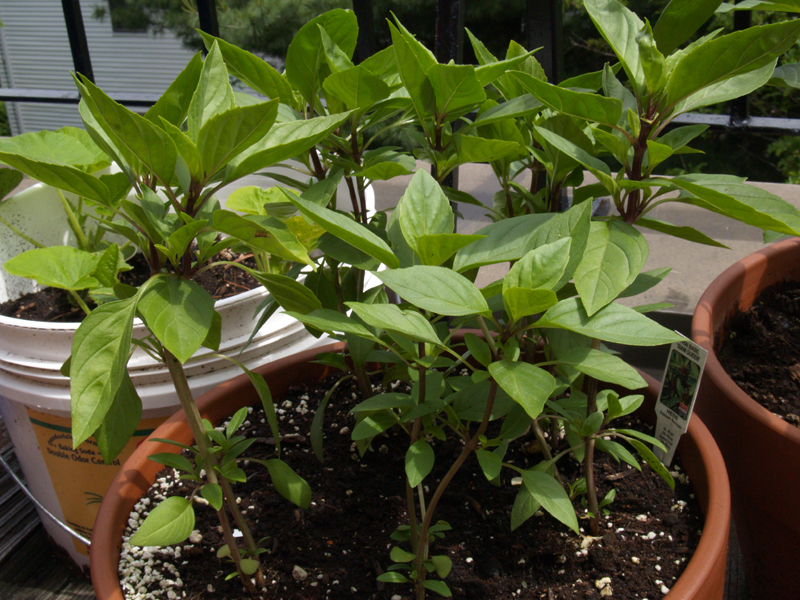 🇹🇭 Thailand and 4 moreThai basilโหระพา
A Southeast Asian basil variety with purple stems and anise notes, used in curries and noodles.Leaf · Anise and liquorice · Sharp and pungent
 🇮🇩 Indonesia and 2 moreJavanese long pepper
The dried fruit spike of a climbing vine native to Java, offering warm heat.Fruit · Warm and sweet-spiced · Sharp and pungent
 🇰🇭 Cambodia and 1 moreKampot pepperម្រេចកំពត
A certified cultivar of black pepper grown in the foothills of Cambodia's Elephant Mountains.Sharp and pungent · Warm and sweet-spiced
 🇹🇭 Thailand and 5 moreKaffir limeมะกรูด
A bumpy citrus fruit and double-leafed shrub from Southeast Asia, prized for its intense aroma.Fruit · Citrus and bright · Sour and tart
 🇰🇭 Cambodia and 5 moreVietnamese corianderrau răm
The dark green and burgundy leaf of a Polygonaceae plant used fresh in Southeast Asian soups and salads.Citrus and bright · Sharp and pungent
 🇻🇳 Vietnam and 1 moreRice paddy herb
A tropical aquatic herb with lemon-cumin notes, native to Southeast Asian rice fields.Leaf · Citrus and bright · Anise and liquorice
🇮🇩 Indonesia and 3 moreGalangal
A pungent rhizome from the ginger family used in Southeast Asian cooking and traditional medicine.Root · Sharp and pungent · Warm and sweet-spiced
 🇮🇳 India and 5 moreTurmericहल्दी दूध
The dried rhizome of a ginger-family plant, prized for its bright yellow color and warm flavor.Seed · Warm and sweet-spiced · Bitter
 🇮🇩 Indonesia and 5 moreKencur沙姜
A stemless ginger-family rhizome with a peppery, camphorous biteRoot · Sharp and pungent · Herbal and green
Photo credits on this page
The small pictures above come from Wikimedia Commons under free licences. Some are cropped to fit.
- Benzoin resin: Wibowo Djatmiko ( Wie146 ), CC BY-SA 3.0, source
- Turmeric: J.M.Garg, CC BY 3.0, source
- Kampot pepper: PsamatheM, CC BY-SA 4.0, source
- Kampot sea salt: James Antrobus, CC BY 2.0, source
- Kencur: Hariadhi, CC BY-SA 4.0, source
- Thai basil: Unknown author, CC BY-SA 3.0, source
- Curry paste: Ryan Snyder, CC BY 2.0, source
- Kroeung: Goomba King ( en:User:Trilinguist ), CC BY-SA 3.0, source
- Vietnamese coriander: Joditran, CC BY-SA 4.0, source
- Rice paddy herb: Emilia Murray, CC BY-SA 2.0, source
- Fingerroot: Ariearsad, CC BY 4.0, source
- Javanese long pepper: Unknown author, CC BY-SA 3.0, source
- Kaffir lime: David Monniaux, CC BY-SA 3.0, source
The weekly digest
Every Monday: seven spices you may not know, what is cooking this week, and one blend explained step by step.