
Khao khua
In its own language: ເຂົ້າຂົ້ວ
Dry-toasted sticky rice, ground rough, the nutty backbone of Lao laab
Khao khua is glutinous rice toasted in a dry pan until deep brown, then pounded to a gritty meal. Born in Laos, it lends nutty, smoky depth and a light crunch to laab, nam tok and jaew dipping sauces, and gives dressings enough body to cling.
- One ingredient only: glutinous rice, dry-toasted then ground to a gritty meal
- The Lao name pairs the words for rice and for pan-toasting without oil
- The backbone of laab, Laos' national dish
- Royal chef Phia Sing's notebooks were printed in 1981 by Alan Davidson
- Carried into Thailand's Isan region by its Lao-descended people
What is Khao khua?
Khao khua is a seasoning built from a single thing: grains of glutinous rice, the sticky, faintly sweet kind. Raw rice is toasted dry until each grain turns deep gold, then crushed to a rough, sandy meal, never a smooth flour. The Lao name tells the story plainly, joining the words for rice and for pan-toasting without oil. Ready ground, it smells nutty with a hint of smoke and brings a gentle grit to whatever it touches, along with body: stirred into a wet dressing, it soaks up spare moisture and gives the sauce some weight. Some cooks toast makrut lime leaves, lemongrass or galangal slices with the rice for a more perfumed powder; plenty keep it plain.
Where does Khao khua come from?
The powder is Lao. It grew up as a kitchen staple and shines most in laab, the dish Laos treats as its national one. Shared heritage later carried it into Isan, northeastern Thailand, a region whose people are largely of Lao descent. Written traces go back decades: a late-1950s book on the Kingdom of Laos noted toasted rice powder among classic laab recipes. The fullest record is the handwritten notebook of Chaleunsilp Phia Sing, royal chef and Master of Ceremonies at the Luang Prabang palace, holding over a hundred dishes. Printed in 1981 as Traditional Recipes of Laos under editor Alan Davidson, a British diplomat and food writer, it kept royal and folk cooking alive that might otherwise have vanished with the monarchy.
What does Khao khua taste like?
Fresh powder smells of toasted grain, nutty with a thread of smoke, and it keeps a light crunch even after a quick toss in a dressing. Its quiet work happens in the sauce: the gritty meal thickens lime juice, fish sauce, chilli and herbs so they coat the meat instead of pooling at the bottom of the bowl, and its toasty depth softens their sharp edges. Nothing is added to make the taste; the rice itself is changed by browning. Where aromatics such as makrut lime leaf or lemongrass toast alongside the grains, citrus and herbal notes follow.
How Khao khua is grown and processed
Khao khua is made, not farmed, as far as the record goes: raw glutinous rice, the sticky or sweet variety, goes into a heavy dry pan over gentle heat. For ten to twenty-five minutes the cook keeps every grain moving until the colour settles at an even gold-brown and the pan gives off a scent close to popping corn. The rice then cools all the way through; grind it warm and it cakes. A mortar and pestle is the traditional tool, though a spice grinder or blender will do, and the goal is a sandy, gritty meal rather than a fine flour. For extra perfume, makrut lime leaves, lemongrass or galangal slices may toast along with the rice.
Khao khua, drawn
How Khao khua is used
The powder goes in at the last minute, so its crunch survives. In laab, the minced-meat salad that anchors Lao tables, a spoonful binds lime, fish sauce, chilli and fresh herbs around the meat and adds a nutty underside; without it, cooks say, the dish simply is not itself. The same logic shapes nam tok, a salad of sliced grilled meat, and it can give body to soups as well. Dipping sauces owe it a debt too: jaew, the spicy relish of the Lao table, uses the powder for texture and toast, whether the dip is built on tamarind, as in jeow mak kham, or on other bases. Neighbouring kitchens have picked up the habit, but its heart stays Lao and Isan.
Khao khua in the world's kitchens
Lao cooking is khao khua's home and leans on it hardest; the powder counts as a staple there. Across the border, Isan in northeastern Thailand uses it just as firmly, a legacy of that region's largely Lao-descended population and its long ties to Lao ways of eating. In both kitchens the same dishes depend on it: laab under its several spellings, the grilled-meat salad nam tok, and jaew dipping sauces. Adaptations have spread into other nearby cooking, yet the seasoning remains most at home in Lao and Isan food.
At a glance: where it turns up
Buying and storing Khao khua
Seal the finished powder in an airtight jar and it will keep for months. Two habits matter on the way there: let the toasted rice cool fully before grinding, or it will cake, and aim for a coarse grind, since a fine flour loses the gritty character the dishes rely on. Whether bought or made, the powder should smell of fresh toast.
What to use instead of Khao khua
When sticky rice is out of reach, jasmine rice can be toasted and ground the same way, though cooks caution that both texture and taste then drift from the authentic powder. Nor is there a real stand-in for the role it plays: in laab, its absence leaves the dish feeling unfinished.
Meal
This is a seasoning for main eating rather than sweets. It turns up in the meat salads, soups and relishes that make up a Lao spread, dishes served at ordinary lunches and dinners across Laos and Isan. Writers describing Lao meals in the mid-twentieth century already counted toasted rice powder among the classic parts, so its seat at the table is long settled. It also seasons dipping sauces meant to be shared between diners, and laab itself, a dish ordinary enough to be an everyday staple.
Questions people ask about Khao khua
Where does khao khua come from?
It is a Lao creation, a staple of Laos and essential to laab, the national dish. Shared Lao heritage later carried it into the Isan region of northeastern Thailand, where it now belongs to the local cooking as well.
What does khao khua taste like?
Expect a nutty, gently smoky aroma with a light crunch. In a dish it does quiet work too, thickening a dressing of lime, fish sauce and chilli so it clings to the meat, and rounding out the sharpness with toasty depth.
How is it made at home?
Toast raw glutinous rice in a dry pan over gentle heat for ten to twenty-five minutes, moving the grains so they colour evenly, then cool them fully and pound or grind to a gritty meal. A mortar and pestle is the traditional tool.
Which dishes need it?
Laab above all, in its several spellings, plus nam tok, a salad of grilled meat, and jaew dipping sauces such as the tamarind-based jeow mak kham. It can thicken soups too. Without it, many cooks say, laab is not complete.
Can jasmine rice stand in for sticky rice?
Yes, if sticky rice is unavailable, jasmine rice can be toasted and ground the same way, but the texture and flavour will not match the authentic powder.
Good reading and sources
The facts on this page come from the Wikipedia article "Khao khua", written by its contributors and used under the CC BY-SA 4.0 licence, and from its Wikidata record (CC0). EveryMasala rewrote the text in its own words, with AI assistance, and compares every page with the article to make sure no passage is copied. It may be reused under the same CC BY-SA 4.0 licence with a link back.
It may contain mistakes. Names, strengths and customs differ from one grower, kitchen or shop to the next. Traditional and medicinal uses are described as tradition, never as medical advice, and none of this is a substitute for a doctor. If something is wrong, tell us. Last refreshed 2026-10-04.
More from Laos
All the spices of Laos 🇹🇭 Thailand and 4 moreBenzoin resin
A sweet balsamic tree resin used in incense, perfumes, and traditional medicine.Resin · Sweet and mellow
🇹🇭 Thailand and 4 moreBenzoin resin
A sweet balsamic tree resin used in incense, perfumes, and traditional medicine.Resin · Sweet and mellow
 🇰🇭 Cambodia and 5 moreVietnamese corianderrau răm
The fresh leaves of a tropical herb used in Southeast Asian soups and saladsLeaf · Citrus and bright · Sharp and pungent
🇰🇭 Cambodia and 5 moreVietnamese corianderrau răm
The fresh leaves of a tropical herb used in Southeast Asian soups and saladsLeaf · Citrus and bright · Sharp and pungent
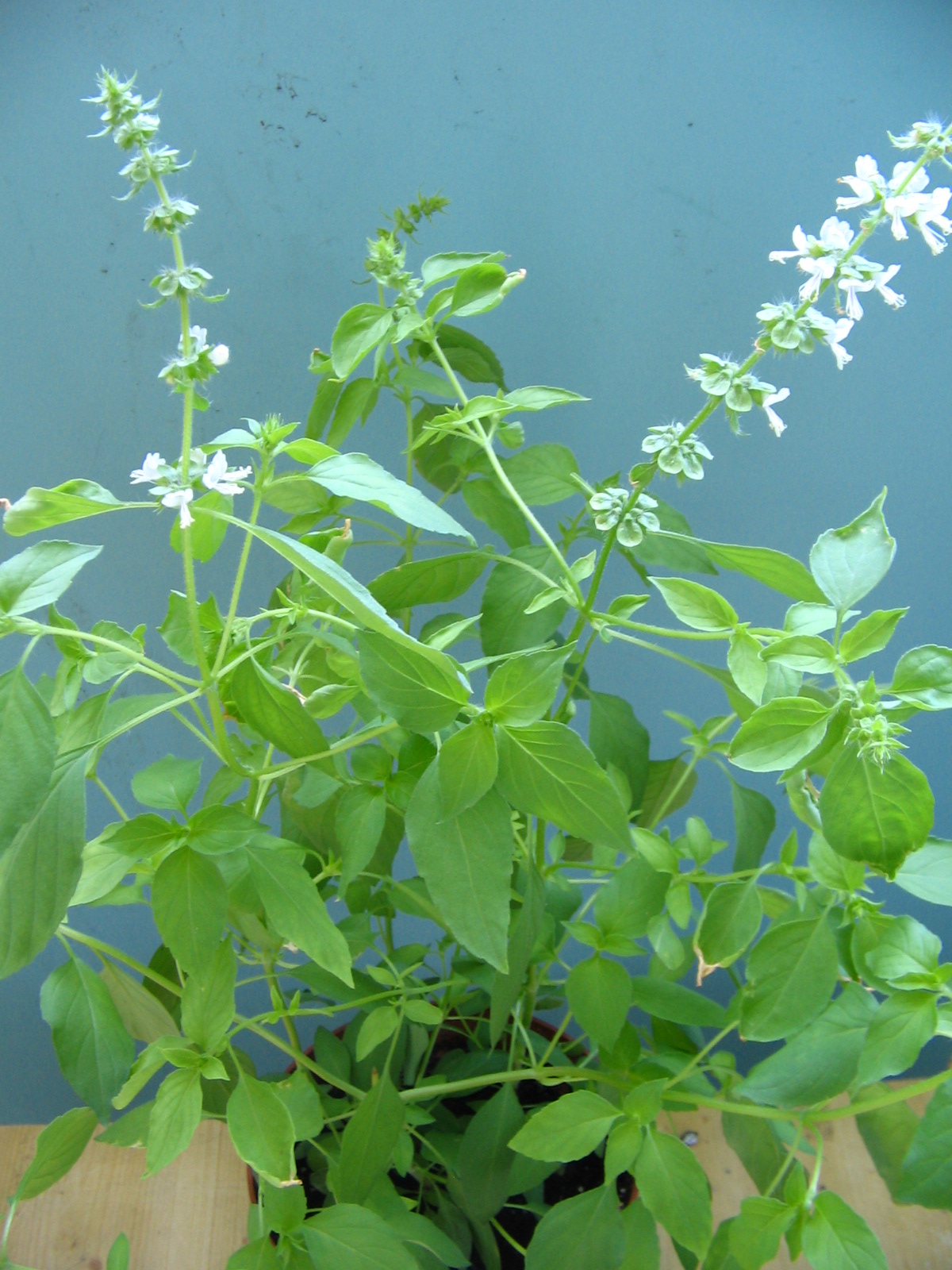 🇱🇦 Laos and 5 moreLemon basil
A hybrid herb with a bright citrus scent, used across Southeast Asia and Africa.Leaf · Citrus and bright · Herbal and green
🇱🇦 Laos and 5 moreLemon basil
A hybrid herb with a bright citrus scent, used across Southeast Asia and Africa.Leaf · Citrus and bright · Herbal and green
 🇮🇳 India and 4 moreEast Indian arrowrootകൂവ
A wild South Asian ginger valued for its turmeric-scented foliage and starchy rhizome.Root · Earthy and deep · Herbal and green
🇮🇳 India and 4 moreEast Indian arrowrootകൂവ
A wild South Asian ginger valued for its turmeric-scented foliage and starchy rhizome.Root · Earthy and deep · Herbal and green
Its cousins elsewhere
All seed 🇮🇳 India and 2 moreCardamom
Aromatic seeds from spindle-shaped pods used in sweet and savory dishes across Asia and the Middle East.Seed · Sharp and pungent · Warm and sweet-spiced
🇮🇳 India and 2 moreCardamom
Aromatic seeds from spindle-shaped pods used in sweet and savory dishes across Asia and the Middle East.Seed · Sharp and pungent · Warm and sweet-spiced
 🇲🇽 Mexico and 1 moreChipotle
Smoke-dried ripe jalapeño peppers used in Mexican and Tex-Mex cookingChilli · Hot and fiery · Smoky
🇲🇽 Mexico and 1 moreChipotle
Smoke-dried ripe jalapeño peppers used in Mexican and Tex-Mex cookingChilli · Hot and fiery · Smoky
 🇪🇸 SpainChoricero pepperspimiento choricero
A dried red pepper from Spain used to make rich stews and sauces.Chilli · Sweet and mellow · Smoky
🇪🇸 SpainChoricero pepperspimiento choricero
A dried red pepper from Spain used to make rich stews and sauces.Chilli · Sweet and mellow · Smoky
 🇨🇱 ChileMerkénmezkeñ
A traditional Mapuche smoked chili condiment from Chile, often mixed with coriander.Blend · Smoky · Hot and fiery
🇨🇱 ChileMerkénmezkeñ
A traditional Mapuche smoked chili condiment from Chile, often mixed with coriander.Blend · Smoky · Hot and fiery