
Chipotle
Capsicum annuum
Smoke-dried ripe jalapeño peppers used in Mexican and Tex-Mex cooking
A chipotle is a smoke-dried ripe jalapeño chili pepper. It originates from Mexico and is now also grown in the United States. The peppers have a smoky, earthy heat and are used in stews, salsas, and marinades.
- Chipotle means 'smoked chili' in Nahuatl
- Made from smoke-dried ripe jalapeños
- Heat ranges from 2,500 to 8,000 Scoville units
- Morita and meco are the two main varieties
- Traditionally smoked over pecan wood for six days
What is Chipotle?
A chipotle is a chili pepper that has been smoked and dried. It comes from the jalapeño plant, which belongs to the species Capsicum annuum. When fresh jalapeños ripen fully in the fall, they turn bright red. These red peppers are then picked and smoked over wood fires for several days. The process removes most of the water, leaving the peppers shriveled and dark. The result is a thick-fleshed pod with a deep reddish-brown or grey color. The flavor is distinctly smoky with an earthy spiciness. The heat level is moderate compared to other chilies.
Where does Chipotle come from?
The practice of smoking jalapeños dates back centuries in Mesoamerica. It was used by indigenous peoples, including the Aztecs, as a way to preserve food before refrigeration existed. The word chipotle comes from the Nahuatl language, specifically the word chīlpoctli, which translates to 'smoked chili'. This technique allowed communities to store chilies and meats for longer periods. Today, production remains centered in Mexico, though the United States also grows and processes them.
What does Chipotle taste like?
The taste of a chipotle is defined by its smoke. The drying process imparts a rich, woody aroma that comes from burning specific woods like pecan. The heat is mild to medium, ranging from 2,500 to 8,000 Scoville units. This warmth is balanced by an earthy depth. Because the flesh is thick, the flavor releases slowly during cooking. Overcooking can make the peppers bitter, so they are often added early in slow-cooked dishes. The combination of smoke and spice creates a complex profile distinct from fresh chilies.
How Chipotle is grown and processed
Jalapeño plants produce green peppers for most of the season. Growers leave some on the bush until autumn when they ripen into bright red fruits. These ripe peppers are harvested for smoking. Traditionally, they are placed in open smokers or closed chambers where wood smoke circulates. The temperature is kept between 65 and 75 degrees Celsius. The peppers are stirred periodically to ensure even smoking. This process takes about six days, reducing moisture from 88% down to 6%. Modern commercial methods sometimes use gas dryers, but traditional wood-smoking yields a superior flavor.
Chipotle, drawn
How Chipotle is used
Chipotles are versatile in the kitchen. They are often rehydrated in warm water or stock before being added to soups, stews, and braises. Whole pods can be stuffed or baked. In powdered form, they season meats and sauces. A common preparation is 'chipotles en adobo', where the peppers are canned in a spicy tomato-vinegar sauce. This paste is used as a marinade or mixed into salsas. They pair well with beans, eggs, fish tacos, and grilled meats. Toasting the dried pods lightly enhances their fragrance before use.
Chipotle in the world's kitchens
Mexican cuisine relies heavily on chipotles for depth and heat. Traditional cooks use them in moles and salsas. Tex-Mex cuisine adopts them for bold flavors in burgers and nachos. Southwestern United States dishes incorporate them for a smoky kick. Different regions prefer different varieties. The morita type is common in the US, while the meco variety is favored in Mexico for its stronger smoke. Commercial products often blend chipotle with cumin, oregano, and garlic to create ready-made seasoning mixes for local palates.
At a glance: where it turns up
Celebrations

Spiritual and ceremonial use
There are no specific religious rituals tied directly to chipotle peppers in major faiths. However, the preservation method honors ancient indigenous traditions of the Aztecs and earlier Mesoamerican cultures. These groups valued smoking as a sacred way to extend the life of food supplies. The knowledge of wood selection and fire management was passed down through generations. While not used in modern religious ceremonies, the technique connects contemporary cooks to ancestral practices of survival and community sustenance.
Chipotle at celebrations
Chipotles feature in festive meals, especially during Christmas. The meco variety is sometimes called 'chili navideño' because it is traditionally stuffed and baked for holiday dinners. Families gather to prepare these dishes as part of seasonal hospitality. The peppers also appear at harvest festivals celebrating the end of the growing season. Their presence marks the transition from fresh summer crops to preserved winter stores. Community feasts often include stews made with rehydrated chipotles to share warmth and flavor.
Traditional and medicinal use
Traditional medicine does not widely document specific uses for chipotle peppers beyond general culinary applications. Indigenous groups historically used smoking to preserve food security, which supported health during lean months. There are no known folk remedies involving internal consumption of chipotle for curing ailments. Safety notes suggest avoiding overconsumption due to potential bitterness and heat irritation. The focus remains strictly on preserving food quality rather than medicinal properties.
Buying and storing Chipotle
Dried chipotle pods should be stored in airtight containers away from light and moisture. They keep well for long periods if kept dry. Canned chipotles in adobo sauce last for years once sealed. After opening, refrigerate the jar and use within a few weeks. Powdered chipotle loses potency over time, so buy small quantities. Look for pliable pods that smell strongly of smoke. Avoid brittle, moldy, or odorless specimens.
What to use instead of Chipotle
If chipotle is unavailable, smoked paprika offers a similar smoky note but lacks the heat. Fresh jalapeños provide the base flavor but miss the smoke. Dried guajillo or ancho chilies give earthiness without smoke. To mimic chipotle, combine fresh chilies with liquid smoke or toast dried chilies over an open flame. Ancho chilies are the dried form of poblanos, while guajillo comes from mirasol peppers. Pasilla is another dried alternative. No single substitute perfectly replicates the unique smoke-dried profile.
The trade in Chipotle
Mexico dominates chipotle production, exporting significant amounts to the United States. The trade routes historically moved preserved goods across Mesoamerica. Today, commercial producers balance traditional methods with industrial efficiency. Adulteration is rare, but some brands use artificial smoke flavoring to cut costs. Certification programs ensure authenticity for premium varieties like morita and meco. The global demand for smoky flavors drives steady trade volumes. Mexican growers maintain monopoly over high-quality wood-smoked batches.
Meal
This spice fits into many meals. It is a staple in dinner dishes like stews and bean soups. Street food vendors use it in sauces for tacos and snacks. It appears in feasts and holiday gatherings, particularly around Christmas. Some varieties are stuffed and served as special occasion foods. Chipotle powder also seasons breakfast items like scrambled eggs. Its smoky heat works well in preserved foods and pickles. It is rarely used in sweet desserts, though occasionally found in mole sauces.
Days Chipotle is used for
Questions people ask about Chipotle
What is a chipotle pepper?
A chipotle is a jalapeño chili pepper that has been smoke-dried. The process removes moisture and adds a distinct smoky flavor. It is a key ingredient in Mexican and Tex-Mex cuisines.
Where do chipotles come from?
Chipotles originate from Mexico, where the smoking tradition dates back to the Aztecs. They are also grown and processed in the United States, particularly in regions with suitable climates for jalapeño cultivation.
How hot are chipotle peppers?
Chipotles have a mild to medium heat, scoring between 2,500 and 8,000 on the Scoville scale. This makes them warmer than bell peppers but milder than cayenne or habanero chilies.
What do chipotles taste like?
They taste smoky, earthy, and slightly spicy. The thick flesh holds flavor well during slow cooking. The smoke comes from burning wood like pecan, giving them a deep, woody aroma.
How are chipotles used in cooking?
They are used whole, ground, or canned in adobo sauce. Cooks add them to stews, salsas, marinades, and soups. Rehydrating dried pods softens them before mixing into dishes for lasting flavor.
Good reading and sources
The facts on this page come from the Wikipedia article "Chipotle", written by its contributors and used under the CC BY-SA 4.0 licence, and from its Wikidata record (CC0). EveryMasala rewrote the text in its own words, with AI assistance, and compares every page with the article to make sure no passage is copied. It may be reused under the same CC BY-SA 4.0 licence with a link back.
It may contain mistakes. Names, strengths and customs differ from one grower, kitchen or shop to the next. Traditional and medicinal uses are described as tradition, never as medical advice, and none of this is a substitute for a doctor. If something is wrong, tell us. Last refreshed 2026-10-04.
More from Mexico
All the spices of Mexico 🇵🇪 Peru and 5 moreChili pepperchīlli
The pungent berry of the Capsicum plant, used to add heat to dishes worldwide.Fruit · Hot and fiery · Earthy and deep
🇵🇪 Peru and 5 moreChili pepperchīlli
The pungent berry of the Capsicum plant, used to add heat to dishes worldwide.Fruit · Hot and fiery · Earthy and deep
 🇲🇽 Mexico and 5 moreJalapeño
A medium-sized Capsicum annuum cultivar from Mexico known for its green pods and moderate heat.Chilli · Hot and fiery · Earthy and deep
🇲🇽 Mexico and 5 moreJalapeño
A medium-sized Capsicum annuum cultivar from Mexico known for its green pods and moderate heat.Chilli · Hot and fiery · Earthy and deep
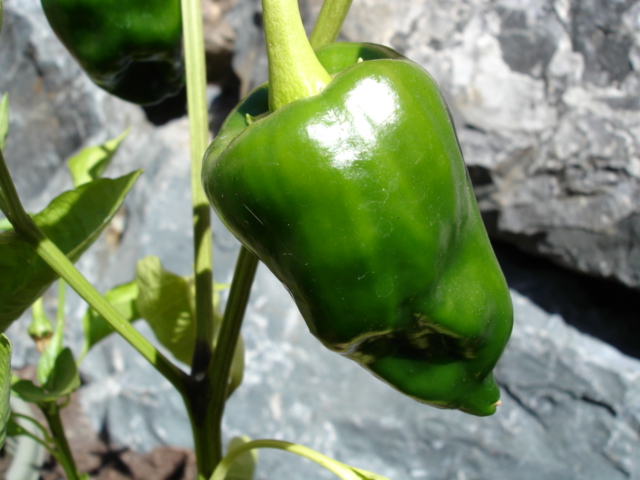 🇲🇽 Mexico and 1 morePoblano
A mild Mexican chili pepper that becomes the dried ancho when mature.Chilli · Sweet and mellow · Hot and fiery
🇲🇽 Mexico and 1 morePoblano
A mild Mexican chili pepper that becomes the dried ancho when mature.Chilli · Sweet and mellow · Hot and fiery
 🇲🇽 Mexico and 5 moreCapsicum annuum
A flowering plant producing berries of many colors and heat levels, from sweet bell peppers to fiery chilies.Fruit · Hot and fiery · Sweet and mellow
🇲🇽 Mexico and 5 moreCapsicum annuum
A flowering plant producing berries of many colors and heat levels, from sweet bell peppers to fiery chilies.Fruit · Hot and fiery · Sweet and mellow
Its cousins elsewhere
All chilli 🇨🇳 China and 5 moreChili oil辣椒油
A red condiment of infused vegetable oil and hot peppers used across Asia and Europe.Hot and fiery · Smoky
🇨🇳 China and 5 moreChili oil辣椒油
A red condiment of infused vegetable oil and hot peppers used across Asia and Europe.Hot and fiery · Smoky
 🇾🇪 Yemen and 1 moreZhugسحوق
A Yemeni hot sauce of crushed chilies, garlic, and corianderHot and fiery · Sharp and pungent
🇾🇪 Yemen and 1 moreZhugسحوق
A Yemeni hot sauce of crushed chilies, garlic, and corianderHot and fiery · Sharp and pungent
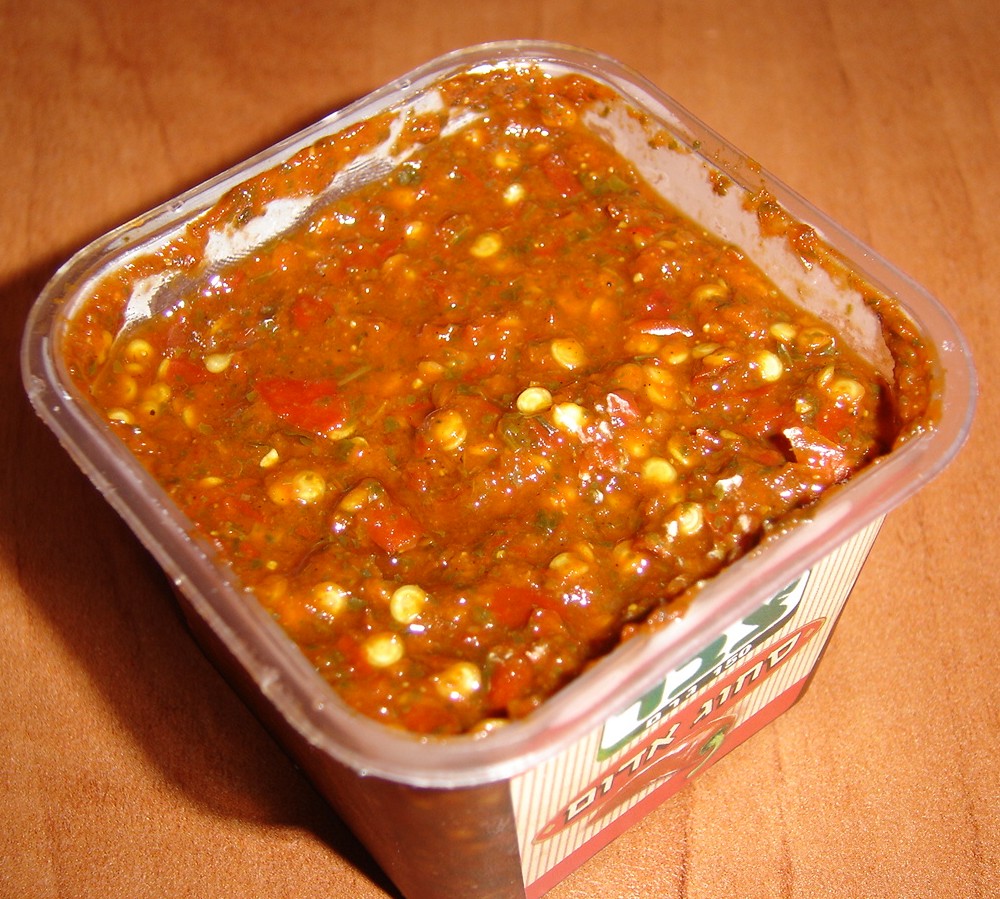
 🇱🇾 Libya and 1 morePilpelchumaפלפלצ'ומה
A steamed chili and garlic paste from Libyan Jewish cuisine, now common in Israel.Hot and fiery · Sharp and pungent
🇱🇾 Libya and 1 morePilpelchumaפלפלצ'ומה
A steamed chili and garlic paste from Libyan Jewish cuisine, now common in Israel.Hot and fiery · Sharp and pungent
 🇳🇬 NigeriaYaji
A spicy rub from Nigeria made with chili, ginger, and ground peanuts.Blend · Hot and fiery · Earthy and deep
🇳🇬 NigeriaYaji
A spicy rub from Nigeria made with chili, ginger, and ground peanuts.Blend · Hot and fiery · Earthy and deep