
Rice paddy herb
In its own language: ngò ôm
Limnophila aromatica
A tropical aquatic herb with lemon-cumin notes, native to Southeast Asian rice fields.
This aquatic plant grows in flooded rice paddies across Southeast Asia. It offers a distinct taste combining citrus and cumin flavors for soups and fresh dishes.
- Grows naturally in flooded rice fields.
- Tastes like lemon mixed with cumin.
- Used in Vietnamese sour soups.
- Popular aquarium plant worldwide.
- Introduced to North America in the 1970s.
What is Rice paddy herb?
The rice paddy herb is a small flowering plant that thrives in wet, tropical conditions. It typically grows in flooded fields or shallow water. The leaves are soft and green, sometimes showing purple underneath. When exposed to strong light, the foliage can turn red. It has a bright aroma that mixes hints of lemon with the earthy warmth of cumin. The plant dies back quickly once it produces flowers.
Where does Rice paddy herb come from?
This species originates from Southeast Asia. It is naturally found in Vietnam and Cambodia. The plant evolved to live in watery environments like rice paddies. It was brought to North America in the 1970s by Vietnamese immigrants after the war. It remains a staple in local markets across its native range.
What does Rice paddy herb taste like?
The taste profile is unique among herbs. It delivers a sharp citrus brightness similar to lemon. This is balanced by a warm, spicy undertone like cumin. The combination makes it suitable for both fresh garnishes and cooked broths. The aroma is strong enough to stand out in complex soup bases.
How Rice paddy herb is grown and processed
Farmers grow this herb in flooded rice fields during the rainy season. It prefers hot temperatures and standing water. Some growers drain the fields temporarily to let the soil stay wet but not submerged. The plant completes its life cycle quickly. It stops growing once it begins to flower. Rural harvesters often dry the stems on house roofs for storage.
Rice paddy herb, drawn
How Rice paddy herb is used
Cookes use the fresh leaves in sour soups like canh chua. The herb adds acidity and depth to seafood broths. It is also eaten raw as a garnish for noodle dishes. In Thailand, it is known as phak khaeyng and used in specific local recipes. The leaves are never cooked for long periods to preserve their flavor.
Rice paddy herb in the world's kitchens
Vietnamese cuisine relies heavily on this herb for sour soups. Cambodian cooks use it in traditional fish and vegetable stews. Thai recipes incorporate it as phak khaeyng for specific regional dishes. Each culture uses the fresh leaves to add a bright, herbal note to savory meals.
At a glance: where it turns up
By meal
Cuisines

Spiritual and ceremonial use
There are no recorded religious rituals involving this plant. It is not used in offerings or ceremonies. Its role is strictly culinary and agricultural. Farmers grow it for food rather than spiritual purposes.
Rice paddy herb at celebrations
The herb is not tied to specific festivals or holidays. It is available year-round in wet seasons. Harvesting depends on agricultural cycles rather than calendar events. It is a daily ingredient rather than a special occasion item.
Traditional and medicinal use
Traditional medicine does not widely document this plant. It is primarily valued for its taste. Some rural communities dry it for later culinary use. There are no known safety warnings associated with its consumption.
Buying and storing Rice paddy herb
Fresh leaves spoil quickly if not used immediately. Drying them on roofs preserves them for months. Store dried stems in a cool, dark place. Fresh leaves should be kept moist and refrigerated for short-term use.
What to use instead of Rice paddy herb
No direct substitute matches its lemon-cumin blend. Lemongrass provides citrus notes but lacks the spice. Cumin offers warmth but misses the freshness. Cooks often combine other herbs to approximate the taste.
The trade in Rice paddy herb
The plant is traded locally within Southeast Asia. It is not a major global commodity. Vietnamese immigrants introduced it to North America. It remains a niche ingredient outside its native region. Aquatic gardeners also trade it as an ornamental plant.
Meal
This herb appears in lunch and dinner settings. It is common in street food stalls serving quick soups. It accompanies noodle bowls and seafood meals. It is not typically used for breakfast or desserts. The fresh leaves provide a cooling contrast to hot broths.
Questions people ask about Rice paddy herb
What does rice paddy herb taste like?
It has a distinct flavor combining bright citrus notes with the warm, earthy spice of cumin. This unique blend makes it ideal for sour soups and fresh garnishes.
Where is rice paddy herb originally from?
It is native to Southeast Asia, particularly Vietnam and Cambodia. It grows wild in wet, tropical environments like flooded rice paddies during the rainy season.
How is it used in cooking?
It is added to sour seafood soups like canh chua. The fresh leaves are also used as a garnish for noodle dishes. It provides a bright, herbal contrast to rich broths.
Can I grow it at home?
Yes, it is a popular aquarium plant because it thrives underwater. It can also be grown in wet soil in warm climates. It dies back quickly once it flowers.
Good reading and sources
- Limnophila aromatica on WikipediaEncyclopedia
- More photos on Wikimedia CommonsPhotos and video
- Wikidata recordOpen data
The facts on this page come from the Wikipedia article "Limnophila aromatica", written by its contributors and used under the CC BY-SA 4.0 licence, and from its Wikidata record (CC0). EveryMasala rewrote the text in its own words, with AI assistance, and compares every page with the article to make sure no passage is copied. It may be reused under the same CC BY-SA 4.0 licence with a link back.
It may contain mistakes. Names, strengths and customs differ from one grower, kitchen or shop to the next. Traditional and medicinal uses are described as tradition, never as medical advice, and none of this is a substitute for a doctor. If something is wrong, tell us. Last refreshed 2026-10-04.
More from Vietnam
All the spices of Vietnam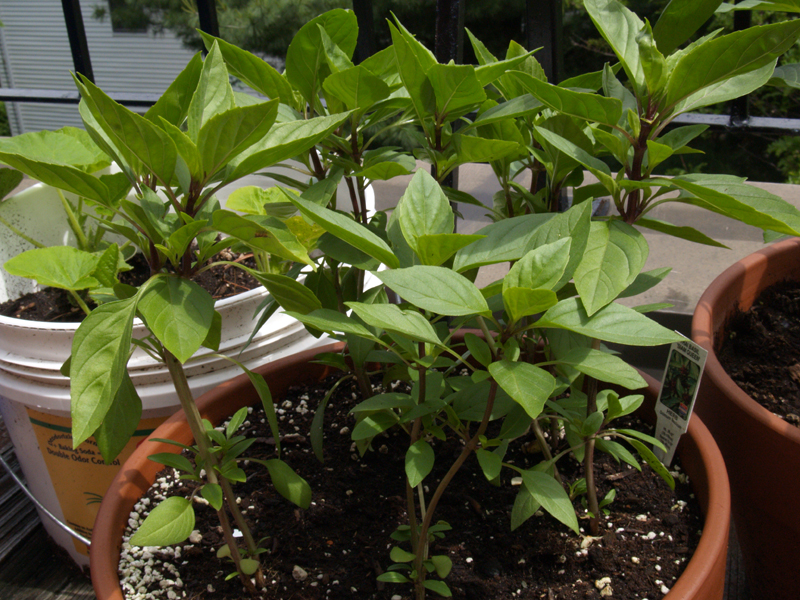 🇹🇭 Thailand and 3 moreThai basilโหระพา
A Southeast Asian herb with purple stems and anise notes, used in curries and soups.Leaf · Anise and liquorice · Hot and fiery
🇹🇭 Thailand and 3 moreThai basilโหระพา
A Southeast Asian herb with purple stems and anise notes, used in curries and soups.Leaf · Anise and liquorice · Hot and fiery
 🇹🇭 Thailand and 5 moreKaffir limeมะกรูด
The bumpy-skinned citrus fruit and double-leafed shrub of Southeast AsiaFruit · Citrus and bright · Sharp and pungent
🇹🇭 Thailand and 5 moreKaffir limeมะกรูด
The bumpy-skinned citrus fruit and double-leafed shrub of Southeast AsiaFruit · Citrus and bright · Sharp and pungent
 🇮🇩 Indonesia and 5 morePandan
The fragrant leaf of a sterile screwpine, used to scent rice and desserts across Asia.Leaf · Sweet and mellow · Floral and perfumed
🇮🇩 Indonesia and 5 morePandan
The fragrant leaf of a sterile screwpine, used to scent rice and desserts across Asia.Leaf · Sweet and mellow · Floral and perfumed
 🇰🇭 Cambodia and 5 moreVietnamese corianderrau răm
The fresh leaves of a tropical herb used in Southeast Asian soups and saladsLeaf · Citrus and bright · Sharp and pungent
🇰🇭 Cambodia and 5 moreVietnamese corianderrau răm
The fresh leaves of a tropical herb used in Southeast Asian soups and saladsLeaf · Citrus and bright · Sharp and pungent
Its cousins elsewhere
All leaf 🇮🇳 India and 4 moreBasil
A tender culinary herb with glossy leaves and a licorice-like aroma, native to tropical Asia.Leaf · Anise and liquorice · Warm and sweet-spiced
🇮🇳 India and 4 moreBasil
A tender culinary herb with glossy leaves and a licorice-like aroma, native to tropical Asia.Leaf · Anise and liquorice · Warm and sweet-spiced
 🇮🇳 India and 2 moreCardamom
Aromatic seeds from spindle-shaped pods used in sweet and savory dishes across Asia and the Middle East.Seed · Sharp and pungent · Warm and sweet-spiced
🇮🇳 India and 2 moreCardamom
Aromatic seeds from spindle-shaped pods used in sweet and savory dishes across Asia and the Middle East.Seed · Sharp and pungent · Warm and sweet-spiced
 🇬🇷 Greece and 4 moreThyme
The dried leaves of a Mediterranean mint-family herb, used to perfume stews and baths alike.Leaf · Earthy and deep · Warm and sweet-spiced
🇺🇸 United StatesMrs. Burns' Lemon Basil
An heirloom sweet basil cultivar from New Mexico with intense lemon flavor and large leaves.Leaf · Citrus and bright · Floral and perfumed
🇬🇷 Greece and 4 moreThyme
The dried leaves of a Mediterranean mint-family herb, used to perfume stews and baths alike.Leaf · Earthy and deep · Warm and sweet-spiced
🇺🇸 United StatesMrs. Burns' Lemon Basil
An heirloom sweet basil cultivar from New Mexico with intense lemon flavor and large leaves.Leaf · Citrus and bright · Floral and perfumed