
Mulato pepper
Capsicum annuum
A dried Mexican chilli with notes of chocolate and licorice
The mulato pepper is the dried fruit of a specific poblano variety that ripens to a dark brown colour. It offers a mild heat level alongside distinct flavours reminiscent of sweet chocolate, licorice, cherry, and tobacco.
- Dried form of a fully mature poblano variety
- Dark brown to blackish wrinkled pods
- Tastes like chocolate, licorice, cherry, and tobacco
- Mild heat: 2,500 to 3,000 Scoville units
- Originates from Mexico
What is Mulato pepper?
This spice is the dried fruit of a particular cultivar of Capsicum annuum, specifically one type of poblano pepper. While other poblano varieties turn red when ripe and become ancho peppers upon drying, this variety matures into a deep, dark brown hue. The resulting pods are characteristically flat and wrinkled, measuring roughly ten centimetres in length and five centimetres in width. They feature a shape that is broad at the top and narrows toward a blunt tip. The exterior skin is always a brownish-black colour once dried.
Where does Mulato pepper come from?
The mulato pepper originates from Mexico. It is derived directly from the poblano pepper plant, representing one of the maturation stages for this crop. Unlike its cousin, the ancho, which comes from earlier-harvested red peppers, the mulato requires full maturity on the vine to achieve its signature dark colour before being dried.
What does Mulato pepper taste like?
The taste profile is notably sweet and complex rather than intensely hot. It carries primary notes of chocolate and licorice, supported by subtle undertones of cherry and tobacco. On the Scoville scale, it registers between 2,500 and 3,000 units, classifying it as a low-heat chilli suitable for adding depth without overwhelming spice.
How Mulato pepper is grown and processed
It grows on Capsicum annuum plants native to Mexico. Farmers allow the peppers to remain on the vine until they reach full maturity, which causes them to darken to a brownish-black colour instead of staying green or turning red early. Once fully mature, the pods are harvested and dried. This drying process transforms the fresh fruit into the wrinkled, flat spice used in cooking.
Mulato pepper, drawn
How Mulato pepper is used
Cooks use the dried pods whole or ground to impart a sweet, smoky richness to dishes. The flavour resembles chocolate and licorice, making it popular for moles, stews, and sauces where a mild heat and deep colour are desired. It provides warmth without significant burning sensation, allowing other ingredients to shine while adding a unique fruity-tobacco nuance.
Mulato pepper in the world's kitchens
Mexican cuisine utilizes the mulato pepper extensively. It is a staple ingredient in traditional preparations such as mole sauces, where its sweet and earthy qualities balance spices and chilies. The pepper is valued in regional cooking for its ability to add a dark, rich colour and a complex, non-pungent heat to savory dishes.
Questions people ask about Mulato pepper
What is a mulato pepper?
It is the dried fruit of a specific poblano pepper variety that ripens to a dark brown colour. It is known for its sweet, complex flavour and mild heat.
How does it differ from an ancho pepper?
Ancho peppers come from poblano varieties that are harvested earlier while still red. Mulatos are left to ripen fully on the vine until they turn dark brown before drying.
What does a mulato pepper taste like?
It has a sweet profile with notes of chocolate and licorice, along with subtle hints of cherry and tobacco. It is not very spicy.
How hot is a mulato pepper?
It rates between 2,500 and 3,000 on the Scoville scale, making it a low-heat chilli suitable for gentle warming and flavour enhancement.
Good reading and sources
The facts on this page come from the Wikipedia article "Mulato pepper", written by its contributors and used under the CC BY-SA 4.0 licence, and from its Wikidata record (CC0). EveryMasala rewrote the text in its own words, with AI assistance, and compares every page with the article to make sure no passage is copied. It may be reused under the same CC BY-SA 4.0 licence with a link back.
It may contain mistakes. Names, strengths and customs differ from one grower, kitchen or shop to the next. Traditional and medicinal uses are described as tradition, never as medical advice, and none of this is a substitute for a doctor. If something is wrong, tell us. Last refreshed 2026-10-04.
More from Mexico
All the spices of Mexico 🇵🇪 Peru and 5 moreChili pepperchīlli
The pungent berry of the Capsicum plant, used to add heat to dishes worldwide.Fruit · Hot and fiery · Earthy and deep
🇵🇪 Peru and 5 moreChili pepperchīlli
The pungent berry of the Capsicum plant, used to add heat to dishes worldwide.Fruit · Hot and fiery · Earthy and deep
 🇲🇽 MexicoSalsa macha
A Mexican condiment of dried chilies and oil, crushed to a coarse texture.Paste · Hot and fiery · Sharp and pungent
🇲🇽 MexicoSalsa macha
A Mexican condiment of dried chilies and oil, crushed to a coarse texture.Paste · Hot and fiery · Sharp and pungent
 🇲🇽 Mexico and 2 moreVanilla
The cured fruit of a climbing orchid, the world's primary source of vanilla flavouringSweet and mellow · Warm and sweet-spiced
🇲🇽 Mexico and 2 moreVanilla
The cured fruit of a climbing orchid, the world's primary source of vanilla flavouringSweet and mellow · Warm and sweet-spiced
 🇲🇽 Mexico and 5 moreAnnatto
The orange-red pigment from achiote seeds used as a natural food coloring and mild spice.Seed · Earthy and deep · Sweet and mellow
🇲🇽 Mexico and 5 moreAnnatto
The orange-red pigment from achiote seeds used as a natural food coloring and mild spice.Seed · Earthy and deep · Sweet and mellow
Its cousins elsewhere
 🇮🇳 India and 4 moreFennel
The anise-scented seeds and crisp bulb of a Mediterranean perennial herbSeed · Anise and liquorice · Sweet and mellow
🇮🇳 India and 4 moreFennel
The anise-scented seeds and crisp bulb of a Mediterranean perennial herbSeed · Anise and liquorice · Sweet and mellow
 🇱🇰 Sri Lanka and 5 moreCinnamon
The dried inner bark of Cinnamomum trees, prized for its sweet warmth and essential oil.Bark · Warm and sweet-spiced · Sweet and mellow
🇱🇰 Sri Lanka and 5 moreCinnamon
The dried inner bark of Cinnamomum trees, prized for its sweet warmth and essential oil.Bark · Warm and sweet-spiced · Sweet and mellow
 🇮🇩 Indonesia and 4 moreNutmeg
The dried seed of a tropical tree, prized for its warm, pungent spice.Seed · Warm and sweet-spiced · Sweet and mellow
🇮🇩 Indonesia and 4 moreNutmeg
The dried seed of a tropical tree, prized for its warm, pungent spice.Seed · Warm and sweet-spiced · Sweet and mellow
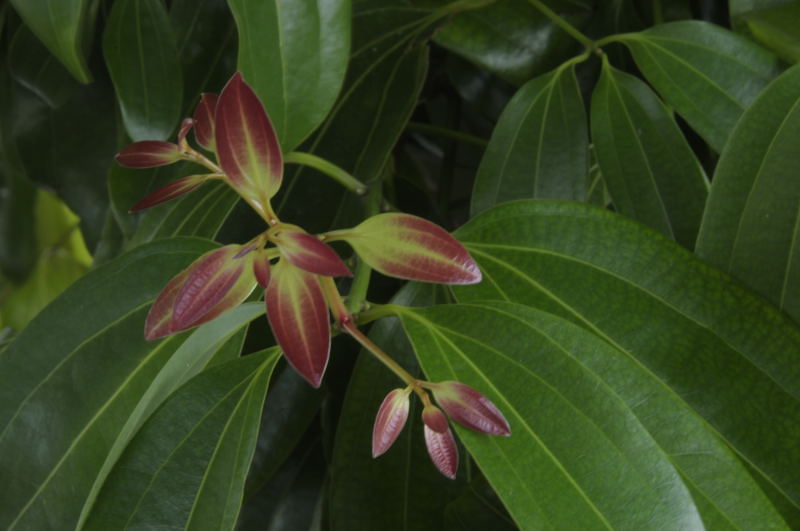 🇱🇰 Sri Lanka and 3 moreCeylon cinnamon
The inner bark of a Sri Lankan evergreen, prized for its delicate, sweet spice.Bark · Sweet and mellow · Warm and sweet-spiced
🇱🇰 Sri Lanka and 3 moreCeylon cinnamon
The inner bark of a Sri Lankan evergreen, prized for its delicate, sweet spice.Bark · Sweet and mellow · Warm and sweet-spiced