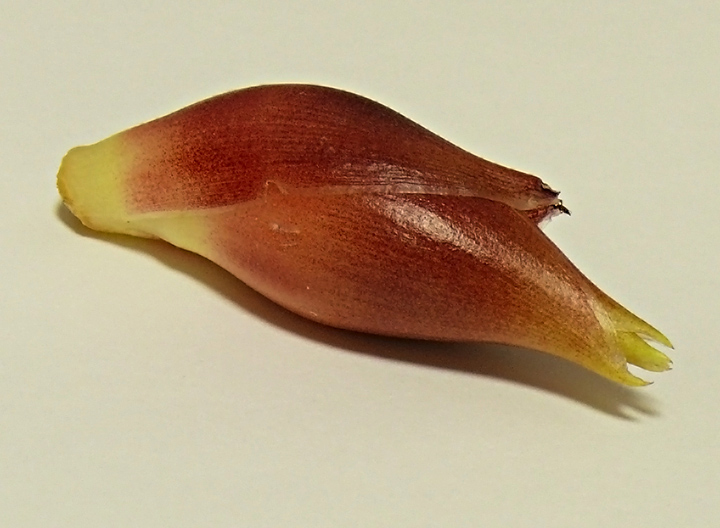
Myoga
In its own language: 茗荷
Zingiber mioga
The edible flower buds and shoots of a woodland ginger native to East Asia.
Myoga is a perennial ginger species from Japan, China, and southern Korea. Cooks use its tender flower buds and shoots as a fresh garnish or in light salads.
- Native to Japan, China, and southern Korea.
- Uses only the flower buds and young shoots.
- Tolerates frost down to -16°C.
- Shredded finely for miso soup garnish.
- Skewered with meat in Korean cooking.
What is Myoga?
Myoga belongs to the ginger family and grows as a deciduous herb. It thrives in woodlands across Japan, China, and southern Korea. The plant produces flower buds and young shoots that are safe for eating. These parts offer a crisp texture and a sharp, citrus-like bite. Chefs value them for their refreshing quality rather than deep heat. The buds remain firm when sliced thinly, adding crunch to dishes without overpowering other ingredients.
Where does Myoga come from?
This ginger species originates naturally in East Asia. It is native to Japan, where it has long been part of the local landscape. The plant also grows wild in China and the southern regions of Korea. Its woodland habitat shapes its growth habits and flavor profile. People in these countries have used the plant for generations in their daily cooking.
What does Myoga taste like?
The taste of myoga is distinctively pungent with clear citrus notes. This sharpness comes from the natural compounds in the buds and shoots. Unlike hot peppers, it does not cause burning pain. Instead, it provides a clean, zesty finish. The flavor brightens mild broths and soft vegetables. Its aroma is subtle but noticeable when the buds are freshly cut.
How Myoga is grown and processed
Myoga requires shade because it evolved under forest canopies. It tolerates cold temperatures down to minus sixteen degrees Celsius. Gardeners in Australia and New Zealand grow it for export to Japan. Three variegated cultivars exist, including 'Dancing Crane' and 'Silver Arrow'. These specific varieties are less hardy than the standard green plants. Harvesters collect the buds before they fully open to ensure tenderness.
Myoga, drawn
How Myoga is used
Cooks shred the flower buds finely for Japanese miso soup. They also add them to sunomono, which are vinegar-based salads. Roasted eggplant dishes often feature myoga as a topping. In Korean cuisine, the buds are skewered with meat pieces. These skewers are then pan-fried until cooked through. The buds work best raw or lightly heated to preserve their crunch.
Myoga in the world's kitchens
Japanese cuisine relies heavily on myoga for its unique texture. Korean cuisine uses it differently, often in cooked skewers. Both traditions appreciate its ability to cut through richness. The spice bridges the gap between vegetable and seasoning. Its presence marks a dish as authentically East Asian. Other cuisines rarely use it due to its specific cultivation needs.
At a glance: where it turns up
![ミョウガ[茗荷][Zingiber mioga]-花](https://thumb.wikimedia.org/wikipedia/commons/thumb/a/ae/%E3%83%9F%E3%83%A7%E3%82%A6%E3%82%AC%28%E8%8C%97%E8%8D%B7%29%28Zingiber_mioga%29-%E8%8A%B1_%285852495693%29.jpg/960px-%E3%83%9F%E3%83%A7%E3%82%A6%E3%82%AC%28%E8%8C%97%E8%8D%B7%29%28Zingiber_mioga%29-%E8%8A%B1_%285852495693%29.jpg)


Spiritual and ceremonial use
There are no known religious rituals involving myoga. It does not appear in offerings or sacred ceremonies. The plant remains strictly culinary in its cultural role. People do not associate it with spiritual practices or dietary laws.
Myoga at celebrations
Myoga is not tied to specific festivals or holidays. It is not served exclusively at weddings or harvest celebrations. Cooks use it during regular days whenever fresh ingredients are available. It lacks ceremonial significance in East Asian traditions.
Traditional and medicinal use
Traditional medicine systems have studied myoga for potential anticarcinogenic properties. Some research suggests it may help prevent cancer cells. These findings are preliminary and not established medical advice. People should consult doctors before using it for health purposes. No traditional doses or cures are recognized.
Buying and storing Myoga
Fresh myoga buds spoil quickly after harvesting. They should be kept cool and moist to maintain crispness. Refrigeration extends their shelf life for a few days. Drying or pickling preserves them longer but changes the texture. Cooks prefer fresh buds for their superior crunch.
What to use instead of Myoga
No single spice perfectly replaces myoga's unique flavor. Ginger root offers a similar family connection but lacks the citrus note. Green onions provide crunch but differ in taste. Radishes offer a peppery bite but lack the floral aspect. Chefs often accept that myoga is irreplaceable in authentic dishes.
The trade in Myoga
Japan remains the primary market for myoga. Cultivation has expanded to Australia and New Zealand to meet demand. Export ships carry fresh buds to Japanese supermarkets. The trade focuses on maintaining freshness during transport. Limited global availability keeps prices higher than common spices.
Meal
Myoga appears frequently at lunch and dinner tables. It serves as a garnish that refreshes the palate. Home cooks add it to everyday meals rather than special feasts. It pairs well with rice and light soups. Street vendors might include it in quick snacks. The plant fits into casual dining settings where fresh flavors are valued.
Questions people ask about Myoga
Where does myoga come from?
It is native to Japan, China, and southern Korea. It grows wild in woodland areas across these East Asian countries.
What does myoga taste like?
It has a pungent, citrus-like flavor with a crisp texture. It is not hot like chili peppers but offers a sharp, refreshing bite.
How is myoga used in cooking?
Chefs shred the buds for miso soup and sunomono salads. In Korea, they skewer them with meat and pan-fry them.
Can myoga grow in cold climates?
Yes, it is frost-tolerant down to minus sixteen degrees Celsius. However, variegated cultivars are less hardy than standard green plants.
Good reading and sources
- Myoga on WikipediaEncyclopedia
- More photos on Wikimedia CommonsPhotos and video
- Wikidata recordOpen data
The facts on this page come from the Wikipedia article "Myoga", written by its contributors and used under the CC BY-SA 4.0 licence, and from its Wikidata record (CC0). EveryMasala rewrote the text in its own words, with AI assistance, and compares every page with the article to make sure no passage is copied. It may be reused under the same CC BY-SA 4.0 licence with a link back.
It may contain mistakes. Names, strengths and customs differ from one grower, kitchen or shop to the next. Traditional and medicinal uses are described as tradition, never as medical advice, and none of this is a substitute for a doctor. If something is wrong, tell us. Last refreshed 2026-10-04.
More from Japan
All the spices of Japan 🇰🇷 South Korea and 5 moreKorean mint배초향
An anise-scented Asian mint leaf used in Korean stews and herbal traditionsLeaf · Anise and liquorice · Herbal and green
🇰🇷 South Korea and 5 moreKorean mint배초향
An anise-scented Asian mint leaf used in Korean stews and herbal traditionsLeaf · Anise and liquorice · Herbal and green
 🇯🇵 JapanKarashiからし
A potent Japanese mustard made from brown mustard seeds, served as a sharp condiment.Seed · Hot and fiery · Sharp and pungent
🇯🇵 JapanKarashiからし
A potent Japanese mustard made from brown mustard seeds, served as a sharp condiment.Seed · Hot and fiery · Sharp and pungent
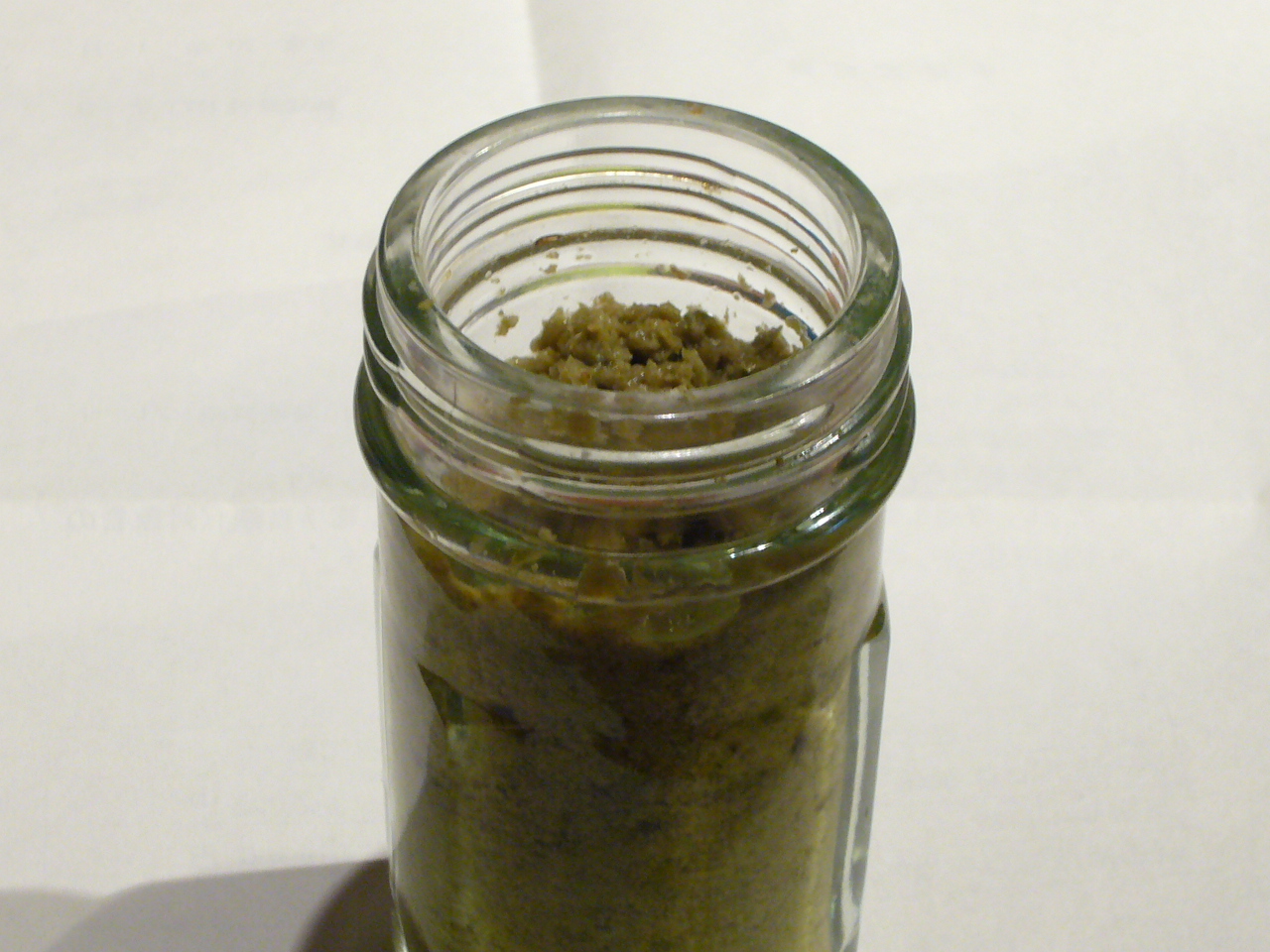 🇯🇵 JapanYuzu koshō柚子胡椒
A fermented Japanese paste of chili peppers and yuzu citrus peel.Paste · Hot and fiery · Citrus and bright
🇯🇵 JapanYuzu koshō柚子胡椒
A fermented Japanese paste of chili peppers and yuzu citrus peel.Paste · Hot and fiery · Citrus and bright
 🇯🇵 Japan and 1 moreShishito pepper獅子唐辛子 (Shishitōgarashi)
A slender East Asian chili that is mostly mild with occasional spicy surprises.Sweet and mellow · Hot and fiery
🇯🇵 Japan and 1 moreShishito pepper獅子唐辛子 (Shishitōgarashi)
A slender East Asian chili that is mostly mild with occasional spicy surprises.Sweet and mellow · Hot and fiery
Its cousins elsewhere
All flower 🇮🇳 India and 2 moreCardamom
Aromatic seeds from spindle-shaped pods used in sweet and savory dishes across Asia and the Middle East.Seed · Sharp and pungent · Warm and sweet-spiced
🇮🇳 India and 2 moreCardamom
Aromatic seeds from spindle-shaped pods used in sweet and savory dishes across Asia and the Middle East.Seed · Sharp and pungent · Warm and sweet-spiced
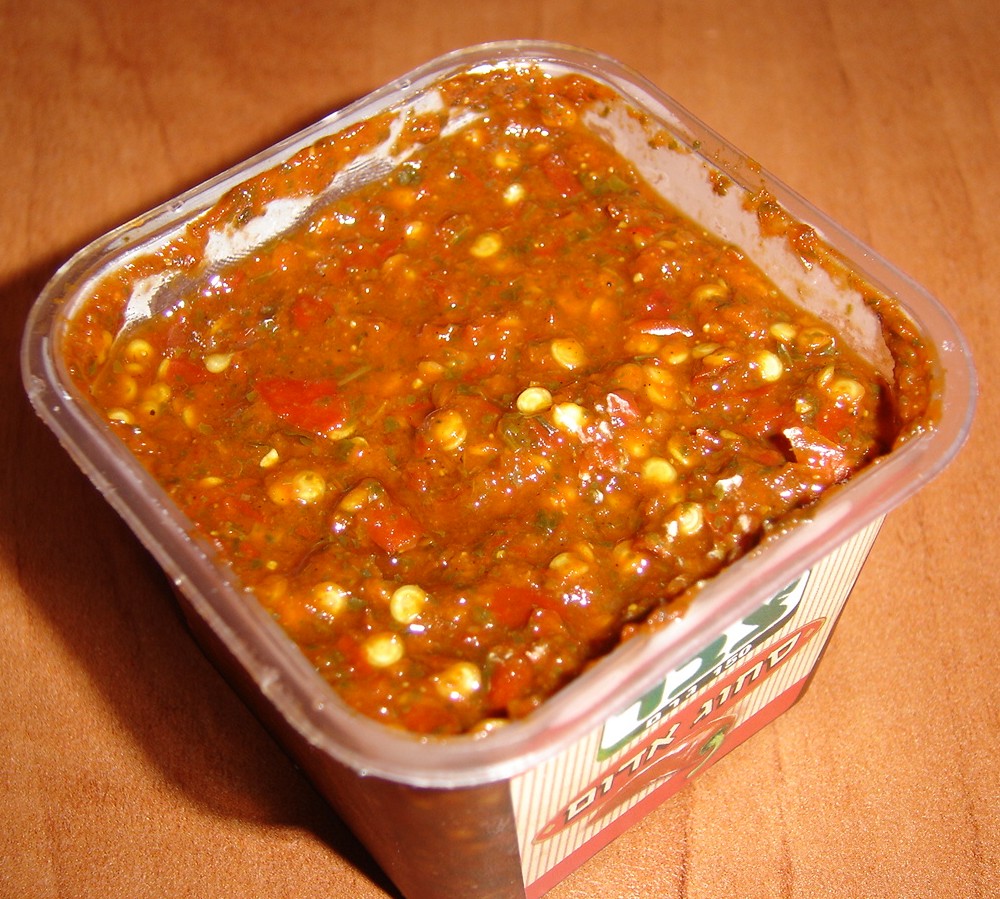 🇾🇪 Yemen and 1 moreZhugسحوق
A Yemeni hot sauce of crushed chilies, garlic, and corianderHot and fiery · Sharp and pungent
🇾🇪 Yemen and 1 moreZhugسحوق
A Yemeni hot sauce of crushed chilies, garlic, and corianderHot and fiery · Sharp and pungent
 🇮🇳 India and 4 moreCurry paste
A blended mixture of spices and aromatics used as the base for curries in Asia.Warm and sweet-spiced · Earthy and deep
🇮🇳 India and 4 moreCurry paste
A blended mixture of spices and aromatics used as the base for curries in Asia.Warm and sweet-spiced · Earthy and deep
 🇺🇸 United StatesSpicebush
The dried fruit of a North American shrub, used as an allspice substitute.Fruit · Citrus and bright · Sharp and pungent
🇺🇸 United StatesSpicebush
The dried fruit of a North American shrub, used as an allspice substitute.Fruit · Citrus and bright · Sharp and pungent