
Pimiento
Capsicum annuum
A sweet, heart-shaped red chili pepper used for stuffing olives and making cheese spreads.
The pimiento is a cultivar of Capsicum annuum known for its mild heat and sweet, aromatic flesh. It is most famous as the stuffing in green olives and as the main ingredient in pimento cheese, a popular spread in the southern United States.
- Heart-shaped chili pepper, 7-10 cm long
- Mild heat, 100-500 Scoville units
- Sweet, aromatic flesh
- Classic stuffing for green olives
- Key ingredient in pimento cheese
What is Pimiento?
The pimiento is a specific variety of chili pepper belonging to the species Capsicum annuum. These peppers are distinctively shaped like a heart, measuring roughly seven to ten centimeters in length. While immature pods appear green, they mature into vibrant shades of red, yellow, or maroon. The flesh is notably thick, succulent, and sweeter than that of a standard bell pepper. Although generally mild, some specific types within this group can carry a noticeable heat.
Where does Pimiento come from?
The name derives from the Latin word pigmentum, meaning coloring. It passed through Spanish and Portuguese before entering English. Historically, the term was applied to various pungent plants, including allspice and black pepper, before settling on this chili variety. In Jamaican English, the word pimento still primarily refers to allspice rather than the chili pepper.
What does Pimiento taste like?
This pepper offers a predominantly sweet taste with a mild warmth. Its flavor profile is more aromatic than common bell peppers, providing a rich depth without overwhelming heat. The Scoville rating typically sits between one hundred and five hundred units, classifying it as very mild. This gentle heat allows its natural sweetness to shine through in cooked dishes.
How Pimiento is grown and processed
Pimientos thrive in hardiness zones four through twelve, indicating a wide range of suitable climates. Farmers harvest them when they reach full maturity, allowing the pods to develop their characteristic red color. The fruit is then processed either by hand-cutting into small pieces or by puréeing. Modern production often uses natural gums to form the pulp into strips for mechanized stuffing.
Pimiento, drawn
How Pimiento is used
Cookers frequently use pimientos to stuff green olives, balancing the brine's saltiness with the pepper's sweetness. They are also the key ingredient in pimento cheese, a creamy spread made with cheese and mayonnaise. Additionally, the pepper is processed into pimento loaf, a type of sandwich meat. The fruit can be eaten fresh, canned, or ground into powder.
Pimiento in the world's kitchens
Spanish and Greek cuisines rely on pimientos to stuff olives, creating a classic savory-sweet combination. In the United States, particularly the South, the pepper defines pimento cheese, a regional staple. Jamaican cuisine distinguishes the term pimento for allspice, showing how naming conventions vary across cultures even when discussing similar aromatic plants.
At a glance: where it turns up
By meal
Meal
Pimentos are staples in snack contexts, particularly as olive fillings found in appetizer platters. They feature prominently in lunch settings via pimento cheese sandwiches. The spread is also common at casual gatherings and picnics. Their mild nature makes them suitable for everyday eating rather than special feast occasions.
Questions people ask about Pimiento
What does a pimiento look like?
It is a heart-shaped chili pepper that grows seven to ten centimeters long. The skin turns bright red when fully ripe, though it starts green and may show yellow or maroon tones during maturation.
How hot is a pimiento pepper?
It is very mild, scoring only 100 to 500 on the Scoville scale. This provides a gentle warmth that highlights its natural sweetness rather than delivering significant spice.
What is the most common use for pimientos?
They are best known as the red stuffing inside prepared green olives. The sweet pepper balances the salty brine of the olive, creating a popular appetizer bite.
Where does the name come from?
It comes from the Latin word pigmentum, meaning coloring. The term traveled through Spanish and Portuguese before being adopted into English for this specific chili variety.
Good reading and sources
- Pimiento on WikipediaEncyclopedia
- More photos on Wikimedia CommonsPhotos and video
- Wikidata recordOpen data
The facts on this page come from the Wikipedia article "Pimiento", written by its contributors and used under the CC BY-SA 4.0 licence, and from its Wikidata record (CC0). EveryMasala rewrote the text in its own words, with AI assistance, and compares every page with the article to make sure no passage is copied. It may be reused under the same CC BY-SA 4.0 licence with a link back.
It may contain mistakes. Names, strengths and customs differ from one grower, kitchen or shop to the next. Traditional and medicinal uses are described as tradition, never as medical advice, and none of this is a substitute for a doctor. If something is wrong, tell us. Last refreshed 2026-10-04.
More from Jamaica
All the spices of Jamaica 🇻🇪 Venezuela and 5 moreAjí dulce
A mild, sweet perennial pepper from the Caribbean and Latin America, used as a seasoning base.Chilli · Smoky · Sweet and mellow
🇻🇪 Venezuela and 5 moreAjí dulce
A mild, sweet perennial pepper from the Caribbean and Latin America, used as a seasoning base.Chilli · Smoky · Sweet and mellow
 🇯🇲 Jamaica and 2 moreAllspice
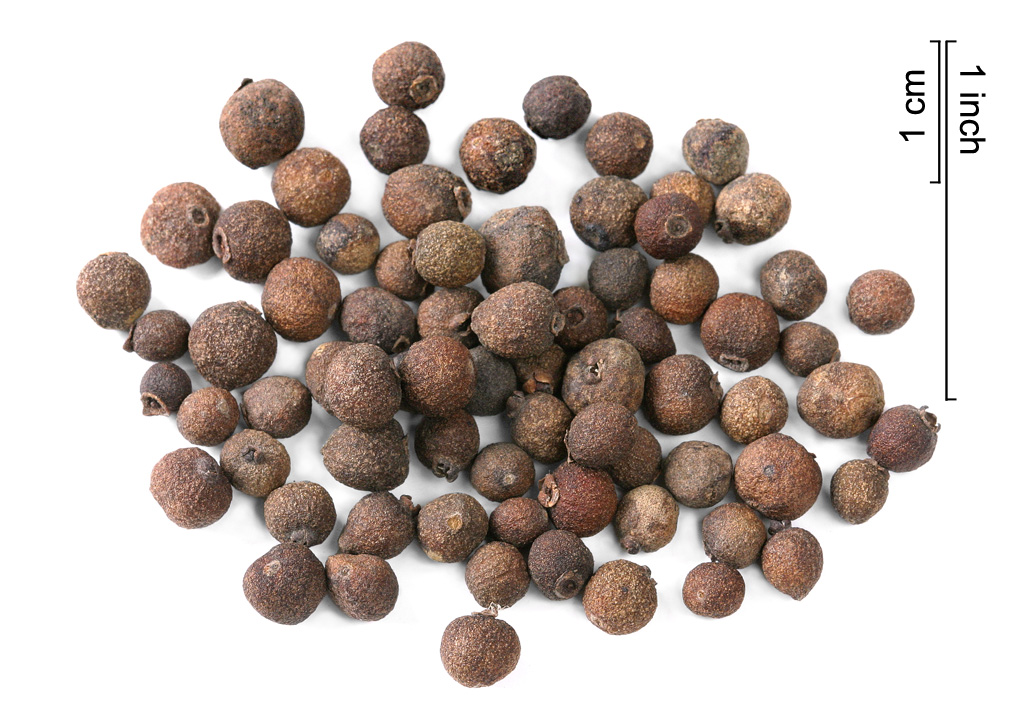
The dried green berry of a tropical tree, named for its blend of cinnamon, nutmeg, and clove notes.Fruit · Warm and sweet-spiced · Sweet and mellow
🇯🇲 Jamaica and 2 moreAllspice
The dried green berry of a tropical tree, named for its blend of cinnamon, nutmeg, and clove notes.Fruit · Warm and sweet-spiced · Sweet and mellow
 🇯🇲 Jamaica and 4 moreCanella
The aromatic inner bark of a Caribbean tree, often called white cinnamon.Bark · Warm and sweet-spiced · Sharp and pungent
🇯🇲 Jamaica and 4 moreCanella
The aromatic inner bark of a Caribbean tree, often called white cinnamon.Bark · Warm and sweet-spiced · Sharp and pungent
 🇨🇳 China and 4 moreSpearmint
The square-stemmed herb with pointed leaves used for tea and flavouring oil.Leaf
🇨🇳 China and 4 moreSpearmint
The square-stemmed herb with pointed leaves used for tea and flavouring oil.Leaf
Its cousins elsewhere
All chilli 🇨🇳 ChinaYongfeng chili sauce永丰辣酱
A fermented paste of peppers, rice and wheat from Hunan province, one of the region's three treasures.Paste · Hot and fiery · Sweet and mellow
🇨🇳 ChinaYongfeng chili sauce永丰辣酱
A fermented paste of peppers, rice and wheat from Hunan province, one of the region's three treasures.Paste · Hot and fiery · Sweet and mellow
 🇮🇳 IndiaChammanthi podi
A dry coconut and spice condiment from Kerala that preserves fresh chutney for months.Hot and fiery · Earthy and deep
🇮🇳 IndiaChammanthi podi
A dry coconut and spice condiment from Kerala that preserves fresh chutney for months.Hot and fiery · Earthy and deep
 🇯🇵 Japan and 1 moreShishito pepper獅子唐辛子 (Shishitōgarashi)
A slender East Asian chili that is mostly mild with occasional spicy surprises.Sweet and mellow · Hot and fiery
🇯🇵 Japan and 1 moreShishito pepper獅子唐辛子 (Shishitōgarashi)
A slender East Asian chili that is mostly mild with occasional spicy surprises.Sweet and mellow · Hot and fiery
 🇺🇸 United StatesCarolina Reaper
A gnarled red cultivar of Capsicum chinense bred in South Carolina for extreme heat.Chilli · Hot and fiery · Sweet and mellow
🇺🇸 United StatesCarolina Reaper
A gnarled red cultivar of Capsicum chinense bred in South Carolina for extreme heat.Chilli · Hot and fiery · Sweet and mellow