
Shichimi
In its own language: 七味唐辛子
A Japanese seven-ingredient spice blend for finishing soups and noodles
Shichimi is a traditional Japanese seasoning mix featuring ground chili peppers as its base. It combines citrus peel, sesame seeds, hemp, ginger, and seaweed for a complex finish.
- Contains seven ingredients including chili, citrus, and seaweed
- Originated in Edo (Tokyo) in the seventeenth century
- Used as a finishing spice for soups and noodles
- Famous vendors sell near Sensō-ji, Kiyomizu-dera, and Zenkō-ji
- Also known as nana-iro tōgarashi or nanami
What is Shichimi?
Shichimi is a dry spice blend from Japan that mixes seven distinct ingredients into a coarse powder. The foundation is coarsely ground red chili pepper, which provides the primary heat. Other components include roasted orange peel, black or white sesame seeds, hemp seeds, ground ginger, nori or aonori seaweed, and poppy seeds. Some recipes add yuzu peel, rapeseed, or shiso leaves. The mixture creates a multi-layered flavor profile that balances spice with savory and citrus notes. It is visually striking, often showing specks of red, green, brown, and orange in the jar.
Where does Shichimi come from?
The blend dates back to at least the seventeenth century. It was originally produced by herb dealers in Edo, which is modern-day Tokyo. Because of this origin, it is sometimes called Yagenbori, named after the district where it was first made. Historically, vendors would prepare the mix according to specific customer requests. Today, most commercial production comes from three famous temple vendors: one near Sensō-ji, another near Kiyomizu-dera, and a third near Zenkō-ji. These stalls often perform custom blending demonstrations at festivals.
What does Shichimi taste like?
The taste is dominated by the heat of Capsicum annuum peppers. This heat is balanced by the bright acidity of citrus peels like orange or yuzu. Earthy and nutty tones come from the sesame and hemp seeds. Ginger adds a sharp, warming pungency, while the seaweed contributes a subtle umami depth. The poppy seeds provide a mild, slightly sweet crunch. The overall experience is spicy but complex, with multiple layers of aroma and texture rather than just pure heat.
How Shichimi is grown and processed
The ingredients are sourced from various plants. Chili peppers are dried and coarsely ground. Citrus peels are roasted to release oils. Sesame and hemp seeds are harvested and cleaned. Ginger root is dried and powdered. Seaweed is processed into flakes or powder. The individual components are then mixed together in specific proportions. Traditional preparation involved hand-mixing by vendors, while modern versions are factory-blended for consistency. No single plant produces the entire blend; it is an assembly of different botanical parts.
Shichimi, drawn
How Shichimi is used
Shichimi is primarily used as a finishing spice. It is sprinkled over dishes just before eating to add heat and aroma. It is ubiquitous in Japanese restaurants, often found on tables alongside salt, pepper, and soy sauce. It is commonly added to soups, noodle dishes, and gyūdon (beef bowls). It also seasons rice products like agemochi (fried rice cakes) and roasted rice crackers. The blend enhances the flavor of simple starches and broths without overpowering them.
Shichimi in the world's kitchens
This blend is a staple of Japanese cuisine. It is deeply integrated into everyday dining across Japan. Different regions may have slight variations in the ratio of ingredients, but the core seven components remain consistent. It is distinct from ichimi tōgarashi, which contains only ground chili pepper. Shichimi offers a more complex alternative for those seeking additional flavor dimensions beyond simple heat. It is recognized globally as a representative Japanese seasoning.
At a glance: where it turns up


Spiritual and ceremonial use
However, some of the most famous producers sell their blends near major Buddhist temples. These vendors operate in sacred spaces, linking the spice to the cultural landscape of temple districts. The act of purchasing from these historic stalls connects the consumer to traditional Japanese commerce and pilgrimage sites, though the spice itself is secular.
Shichimi at celebrations
Custom blending demonstrations of shichimi are performed at festival stalls. These performances showcase the traditional method of mixing spices according to customer preference. Festivals provide a public space where the history and craft of the blend are displayed. While not exclusive to a single holiday, the spice is part of the broader festive culture where food vendors demonstrate their wares. It represents the living tradition of Japanese market practices.
Traditional and medicinal use
In folk tradition, shichimi has been a household condiment since the Edo period. It was traditionally sold by specialized herb dealers who adjusted the mix based on individual needs. This personalized approach highlights its role in daily life rather than industrial production. The blend preserves the culinary heritage of Edo through its continued popularity.
Buying and storing Shichimi
The blend should be kept in an airtight container to maintain the potency of the volatile oils in the citrus and chili. Ground spices lose flavor quickly, so freshness is important. Commercial jars are designed to preserve the mix until opened. Once opened, it should be used within a reasonable time to ensure the best flavor. The coarse texture helps prevent clumping better than fine powders.
What to use instead of Shichimi
Ichi-mi tōgarashi is a simpler alternative containing only ground chili pepper. If shichimi is unavailable, a mix of chili flakes, sesame seeds, and dried citrus zest can approximate the flavor. Hemp seeds can be substituted with other nuts or seeds if necessary. The key is to replicate the balance of heat, nuttiness, and citrus. No single spice can fully replace the complexity of the seven-ingredient blend.
The trade in Shichimi
The spice trade in shichimi is centered in Japan, with historic roots in Edo. Major producers are located near significant temples, leveraging tourism and local tradition. The brand names like Yagenbori and Shichimiya are well-known domestically. Internationally, it is exported as a specialty Japanese condiment. The term 'nanami' is sometimes used in English-speaking markets for easier pronunciation. The trade maintains traditional vendor models alongside modern commercial production.
Meal
It is most associated with dinner and lunch, particularly when serving hot soups or noodle dishes. It is a standard condiment in restaurant settings for main courses. It also appears in street-food contexts, seasoning snacks like roasted rice crackers. While not typically used for breakfast or dessert, its versatility allows it to season various savory meals throughout the day. It functions as a table condiment rather than a cooking ingredient added during preparation.
Questions people ask about Shichimi
What does shichimi taste like?
It tastes spicy from red chili peppers, with bright citrus notes from orange or yuzu peel. Nutty flavors come from sesame and hemp seeds, while ginger adds warmth. Seaweed provides a subtle savory depth, creating a complex, multi-layered finish.
Where did shichimi originate?
It originated in Edo, now Tokyo, in the seventeenth century. Herb dealers there created the blend, leading to the name Yagenbori. Today, historic temple vendors near Sensō-ji, Kiyomizu-dera, and Zenkō-ji continue the tradition.
How is shichimi used in cooking?
It is used as a finishing spice, sprinkled on dishes just before eating. It is common on soups, noodle bowls, gyūdon, and rice snacks like agemochi. It acts as a table condiment rather than an ingredient cooked into the dish.
What are the seven ingredients?
Typical ingredients include ground red chili pepper, sanshō (Japanese pepper), roasted orange peel, sesame seeds, hemp seeds, ground ginger, and nori or aonori seaweed. Poppy seeds and yuzu peel are also common additions.
Is shichimi the same as ichimi?
No. Ichi-mi tōgarashi contains only ground red chili pepper. Shichimi is a blend of seven ingredients, offering more complex flavors including citrus, nuttiness, and herbal notes alongside the heat.
Good reading and sources
- Shichimi on WikipediaEncyclopedia
- More photos on Wikimedia CommonsPhotos and video
- Wikidata recordOpen data
The facts on this page come from the Wikipedia article "Shichimi", written by its contributors and used under the CC BY-SA 4.0 licence, and from its Wikidata record (CC0). EveryMasala rewrote the text in its own words, with AI assistance, and compares every page with the article to make sure no passage is copied. It may be reused under the same CC BY-SA 4.0 licence with a link back.
It may contain mistakes. Names, strengths and customs differ from one grower, kitchen or shop to the next. Traditional and medicinal uses are described as tradition, never as medical advice, and none of this is a substitute for a doctor. If something is wrong, tell us. Last refreshed 2026-10-04.
More from Japan
All the spices of Japan 🇯🇵 Japan and 1 moreShishito pepper獅子唐辛子 (Shishitōgarashi)
A slender East Asian chili that is mostly mild with occasional spicy surprises.Sweet and mellow · Hot and fiery
🇯🇵 Japan and 1 moreShishito pepper獅子唐辛子 (Shishitōgarashi)
A slender East Asian chili that is mostly mild with occasional spicy surprises.Sweet and mellow · Hot and fiery
 🇯🇵 JapanKarashiからし
A potent Japanese mustard made from brown mustard seeds, served as a sharp condiment.Seed · Hot and fiery · Sharp and pungent
🇯🇵 JapanKarashiからし
A potent Japanese mustard made from brown mustard seeds, served as a sharp condiment.Seed · Hot and fiery · Sharp and pungent
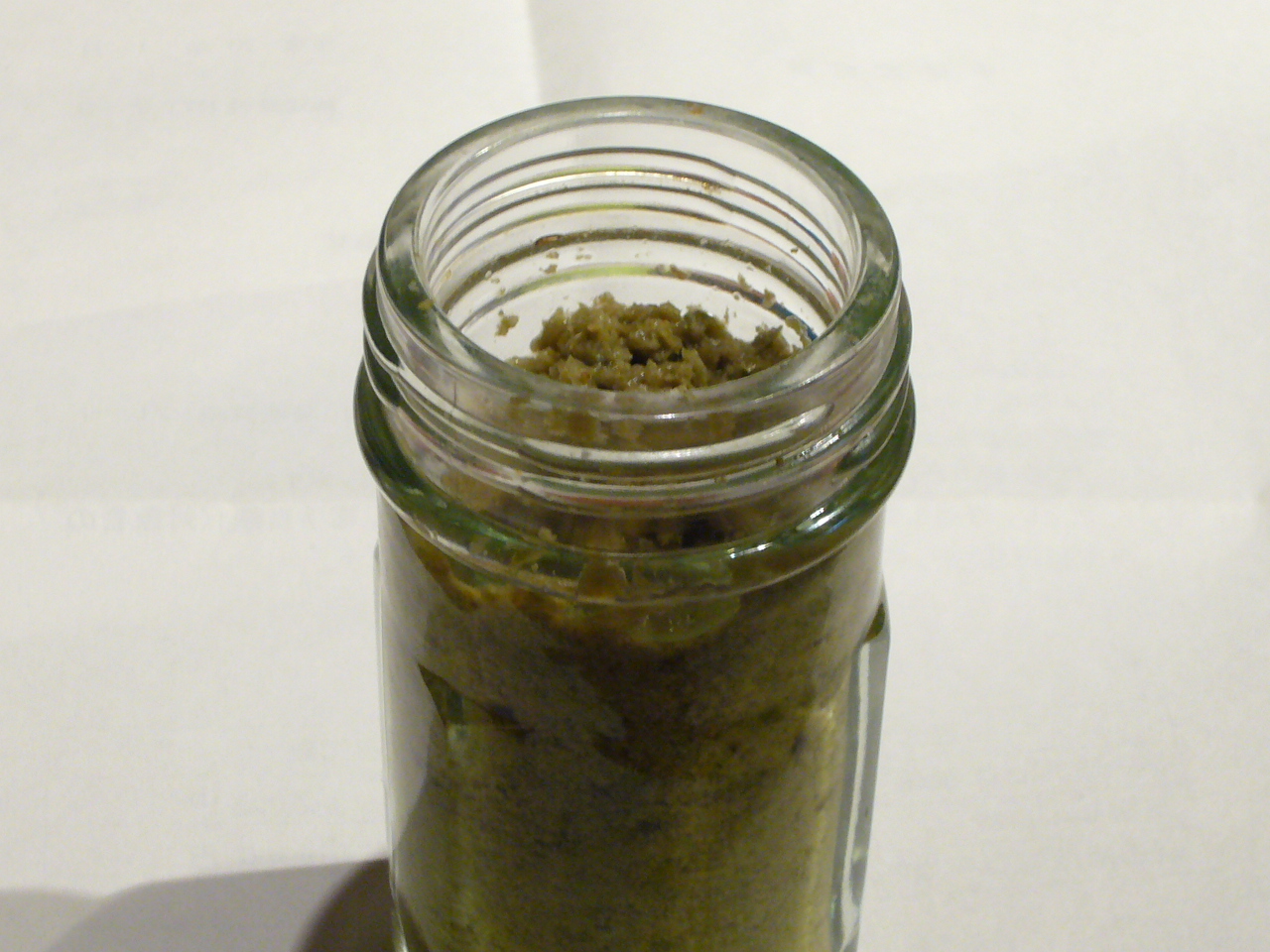 🇯🇵 JapanYuzu koshō柚子胡椒
A fermented Japanese paste of chili peppers and yuzu citrus peel.Paste · Hot and fiery · Citrus and bright
🇯🇵 JapanMoshio salt藻塩
A Japanese sea salt flavoured with dried hondawara seaweed.Seasoning · Savoury and umami
🇯🇵 JapanYuzu koshō柚子胡椒
A fermented Japanese paste of chili peppers and yuzu citrus peel.Paste · Hot and fiery · Citrus and bright
🇯🇵 JapanMoshio salt藻塩
A Japanese sea salt flavoured with dried hondawara seaweed.Seasoning · Savoury and umami
Its cousins elsewhere
All blend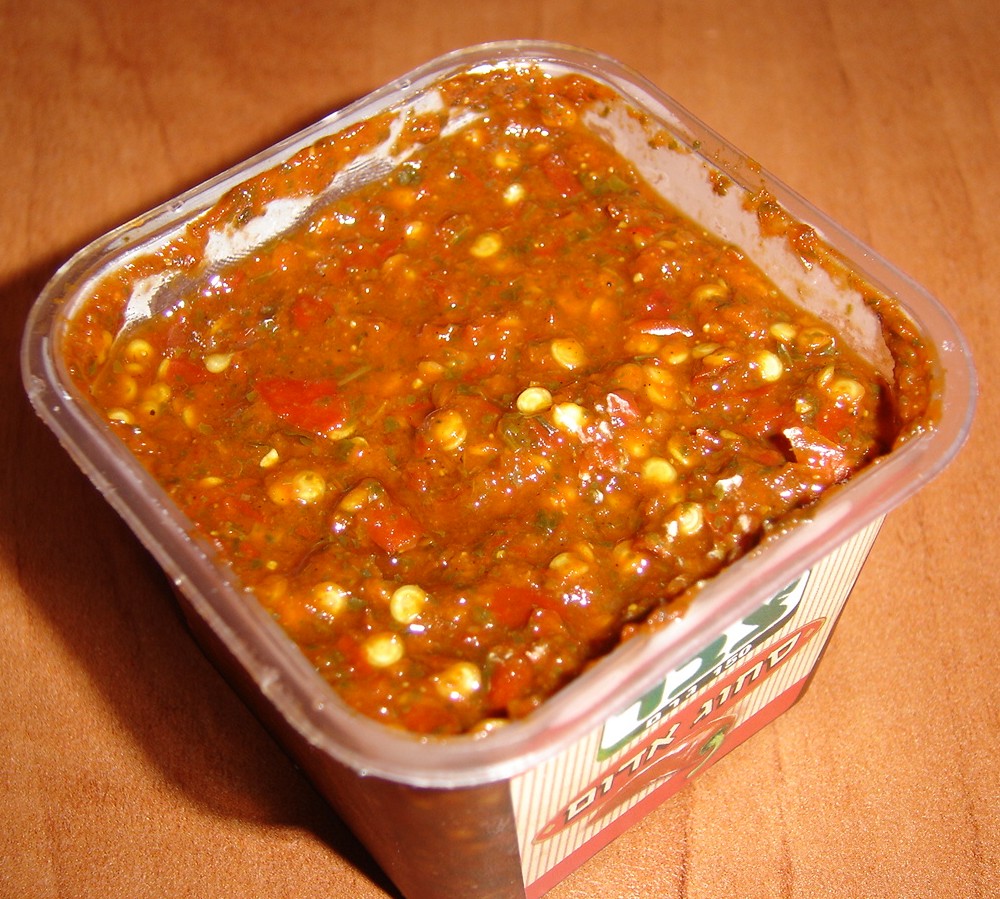 🇾🇪 Yemen and 1 moreZhugسحوق
A Yemeni hot sauce of crushed chilies, garlic, and corianderHot and fiery · Sharp and pungent
🇾🇪 Yemen and 1 moreZhugسحوق
A Yemeni hot sauce of crushed chilies, garlic, and corianderHot and fiery · Sharp and pungent
 🇱🇾 Libya and 1 morePilpelchumaפלפלצ'ומה
A steamed chili and garlic paste from Libyan Jewish cuisine, now common in Israel.Hot and fiery · Sharp and pungent
🇱🇾 Libya and 1 morePilpelchumaפלפלצ'ומה
A steamed chili and garlic paste from Libyan Jewish cuisine, now common in Israel.Hot and fiery · Sharp and pungent
 🇭🇹 HaitiEpis
A blended flavor base of peppers, garlic, and herbs essential to Haitian cookingHot and fiery · Sharp and pungent
🇭🇹 HaitiEpis
A blended flavor base of peppers, garlic, and herbs essential to Haitian cookingHot and fiery · Sharp and pungent
 🇳🇬 NigeriaYaji
A spicy rub from Nigeria made with chili, ginger, and ground peanuts.Blend · Hot and fiery · Earthy and deep
🇳🇬 NigeriaYaji
A spicy rub from Nigeria made with chili, ginger, and ground peanuts.Blend · Hot and fiery · Earthy and deep