Festivals: spices that mark them
Diwali, Eid, Christmas, Nowruz and the other days of the spice calendar.
Festivals have their signature spiced foods, from Diwali sweets and Eid biryani to Christmas gingerbread, Lunar New Year dumplings and the Day of the Dead's pan de muerto.
Religious festivals
Eid, Diwali, Christmas, Easter, Passover, Hanukkah and Vesak each use spice in their own foods. Details differ by country and by family, and each is given its own page on the days calendar.
Seasonal festivals
Spring, midsummer and midwinter festivals use seasonal flavours. Nowruz uses sabzi herbs and saffron, Songkran uses cool herbal drinks and Thanksgiving uses sage, nutmeg and cinnamon.
Food as memory
Festival dishes are often passed down in families and tied to place. Many people say a festival smells of its spices.
Festivals on EveryMasala
The spices written up so far, best known first.
 🇮🇷 Iran and 4 moreSaffronزعفران
The dried crimson stigmas of the autumn-blooming saffron crocus.Stigma · Sharp and pungent · Bitter
🇮🇷 Iran and 4 moreSaffronزعفران
The dried crimson stigmas of the autumn-blooming saffron crocus.Stigma · Sharp and pungent · Bitter
 🇮🇳 IndiaErode TurmericErodu Manjal
A Geographical Indication turmeric from Tamil Nadu with high curcumin content.Root · Earthy and deep · Bitter
🇮🇳 IndiaErode TurmericErodu Manjal
A Geographical Indication turmeric from Tamil Nadu with high curcumin content.Root · Earthy and deep · Bitter
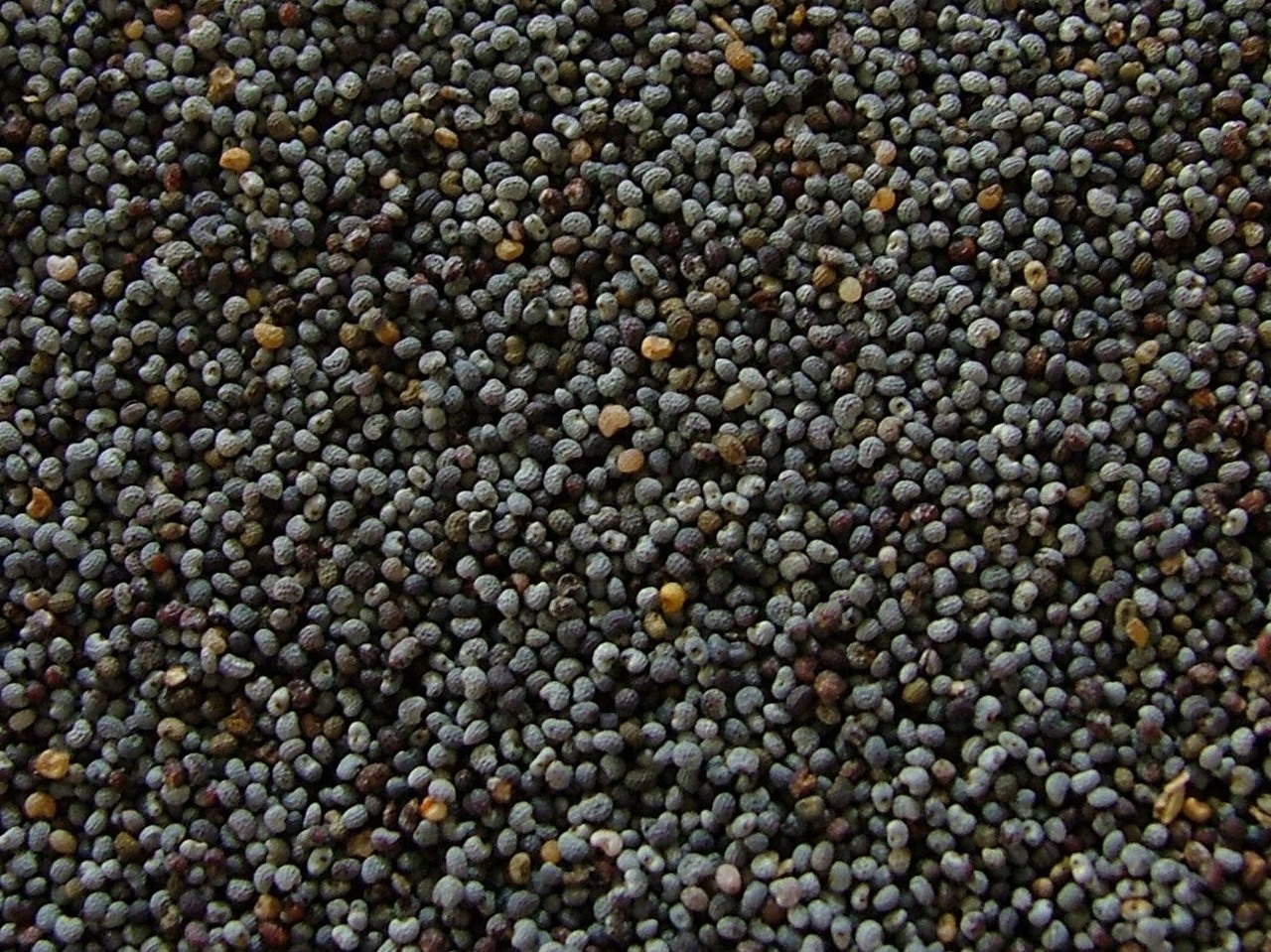 🇹🇷 Turkey and 5 morePoppy seed
The tiny kidney-shaped oilseed of the opium poppy, used in baking and cooking across Europe and South Asia.Seed · Earthy and deep
🇹🇷 Turkey and 5 morePoppy seed
The tiny kidney-shaped oilseed of the opium poppy, used in baking and cooking across Europe and South Asia.Seed · Earthy and deep
 🇮🇳 IndiaKewraकेवड़ा
A fragrant essential oil distilled from the male flowers of the screwpine plant.Resin · Sweet and mellow · Floral and perfumed
🇮🇳 IndiaKewraकेवड़ा
A fragrant essential oil distilled from the male flowers of the screwpine plant.Resin · Sweet and mellow · Floral and perfumed
 🇲🇽 Mexico and 1 moreChipotle
Smoke-dried ripe jalapeño peppers used in Mexican and Tex-Mex cookingChilli · Hot and fiery · Smoky
🇲🇽 Mexico and 1 moreChipotle
Smoke-dried ripe jalapeño peppers used in Mexican and Tex-Mex cookingChilli · Hot and fiery · Smoky
 🇯🇵 JapanShichimi七味唐辛子
A Japanese seven-ingredient spice blend for finishing soups and noodlesBlend · Hot and fiery · Citrus and bright
🇯🇵 JapanShichimi七味唐辛子
A Japanese seven-ingredient spice blend for finishing soups and noodlesBlend · Hot and fiery · Citrus and bright
 🇹🇷 Turkey and 2 moreMahleb
A ground cherry seed used to sweeten Middle Eastern baked goods with an almond-cherry note.Seed · Sweet and mellow · Bitter
🇹🇷 Turkey and 2 moreMahleb
A ground cherry seed used to sweeten Middle Eastern baked goods with an almond-cherry note.Seed · Sweet and mellow · Bitter
 🇫🇷 France and 1 moreEspelette pepperpiment d'Espelette
A mild Basque chili with sweet, fruity notes and protected origin status.Chilli · Sweet and mellow · Hot and fiery
🇫🇷 France and 1 moreEspelette pepperpiment d'Espelette
A mild Basque chili with sweet, fruity notes and protected origin status.Chilli · Sweet and mellow · Hot and fiery
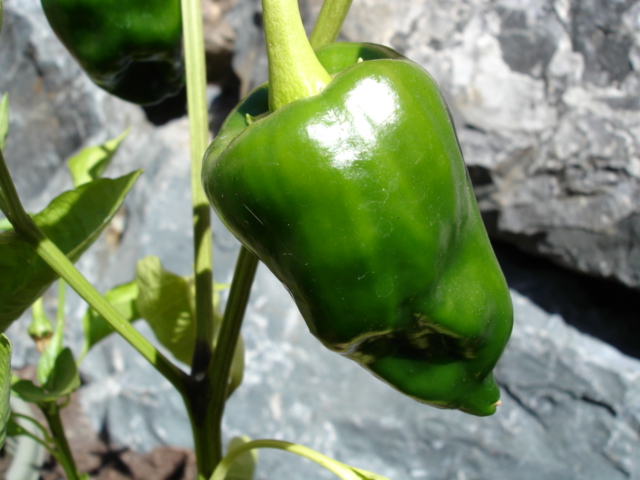 🇲🇽 Mexico and 1 morePoblano
A mild Mexican chili pepper that becomes the dried ancho when mature.Chilli · Sweet and mellow · Hot and fiery
🇲🇽 Mexico and 1 morePoblano
A mild Mexican chili pepper that becomes the dried ancho when mature.Chilli · Sweet and mellow · Hot and fiery
 🇬🇧 United Kingdom and 2 moreMixed spice
A British blend of cinnamon, nutmeg, and allspice for sweet bakingBlend · Warm and sweet-spiced · Sweet and mellow
🇬🇧 United Kingdom and 2 moreMixed spice
A British blend of cinnamon, nutmeg, and allspice for sweet bakingBlend · Warm and sweet-spiced · Sweet and mellow
 🇮🇹 ItalyPeperoncino
A hot Italian chili pepper used in southern cuisine, dried and crushed for heat.Chilli · Hot and fiery · Sharp and pungent
🇯🇵 Japan and 4 moreMugwort艾草 (ài cǎo)
Aromatic leaves from the Artemisia genus used in Asian cuisine and traditional medicine.Leaf · Bitter · Herbal and green
🇮🇹 ItalyPeperoncino
A hot Italian chili pepper used in southern cuisine, dried and crushed for heat.Chilli · Hot and fiery · Sharp and pungent
🇯🇵 Japan and 4 moreMugwort艾草 (ài cǎo)
Aromatic leaves from the Artemisia genus used in Asian cuisine and traditional medicine.Leaf · Bitter · Herbal and green
 🇬🇷 GreeceFlorina pepperπιπεριά Φλωρίνης
A sweet, horn-shaped red pepper from northern Greece with Protected Designation of Origin status.Fruit · Sweet and mellow
🇬🇷 GreeceFlorina pepperπιπεριά Φλωρίνης
A sweet, horn-shaped red pepper from northern Greece with Protected Designation of Origin status.Fruit · Sweet and mellow
 🇸🇾 Syria and 5 moreSumac
A tart, crimson spice made from ground berries of the Rhus coriaria shrub.Seed · Sour and tart · Citrus and bright
🇸🇾 Syria and 5 moreSumac
A tart, crimson spice made from ground berries of the Rhus coriaria shrub.Seed · Sour and tart · Citrus and bright
 🇨🇳 China and 5 moreRoselle
The deep red calyx of a hibiscus plant, steeped into a tart drink or cooked as a leafy green.Fruit · Sour and tart · Citrus and bright
🇨🇳 China and 5 moreRoselle
The deep red calyx of a hibiscus plant, steeped into a tart drink or cooked as a leafy green.Fruit · Sour and tart · Citrus and bright
 🇮🇳 India and 5 moreTurmericहल्दी
The dried rhizome of a tropical ginger relative, prized for its golden color and earthy bite.Root · Warm and sweet-spiced · Bitter
🇮🇳 India and 5 moreTurmericहल्दी
The dried rhizome of a tropical ginger relative, prized for its golden color and earthy bite.Root · Warm and sweet-spiced · Bitter
 🇺🇸 United States and 1 moreDatil pepper
A very hot, sweet-sour cultivar of Capsicum chinense grown mainly in FloridaChilli · Hot and fiery · Sweet and mellow
🇺🇸 United States and 1 moreDatil pepper
A very hot, sweet-sour cultivar of Capsicum chinense grown mainly in FloridaChilli · Hot and fiery · Sweet and mellow
 🇵🇹 Portugal and 4 moreRosemary
A fragrant Mediterranean shrub with needle-like leaves used for seasoning and remembranceHerbal and green
🇵🇹 Portugal and 4 moreRosemary
A fragrant Mediterranean shrub with needle-like leaves used for seasoning and remembranceHerbal and green
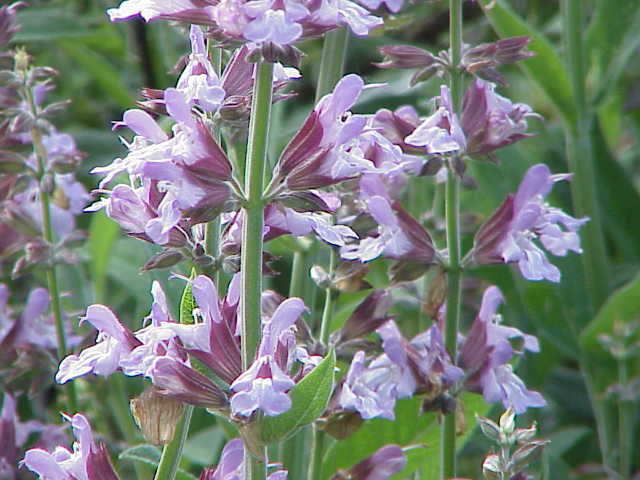 🇮🇹 Italy and 2 moreCommon sage
The gray-green leaves of a Mediterranean perennial used in European roasts and traditional remedies.Leaf · Herbal and green
🇮🇹 Italy and 2 moreCommon sage
The gray-green leaves of a Mediterranean perennial used in European roasts and traditional remedies.Leaf · Herbal and green
 🇭🇺 Hungary and 5 moreHorseradish
A pungent root vegetable from Southeastern Europe used as a spicy condiment.Root · Hot and fiery · Sharp and pungent
🇭🇺 Hungary and 5 moreHorseradish
A pungent root vegetable from Southeastern Europe used as a spicy condiment.Root · Hot and fiery · Sharp and pungent
Photo credits on this page
The small pictures above come from Wikimedia Commons under free licences. Some are cropped to fit.
- Peperoncino: Ramac, CC BY-SA 3.0, source
- Turmeric: J.M.Garg, CC BY 3.0, source
- Mixed spice: Unknown author, CC BY-SA 3.0, source
- Horseradish: Pethan, CC BY-SA 3.0, source
- Sicilian sumac: Dedda71, CC BY-SA 3.0, source
- Florina pepper: https://www.aglaiakremezi.com/wp-content/uploads/2015/07/Peppers-pan-S, CC0, source
- Mahleb: Steve Hurst @ USDA-NRCS PLANTS Database, Public domain, source
- Poppy seed: Odedr, Public domain, source
- Kewra: Miansari66, Public domain, source
- Chipotle: User:Carstor, CC BY-SA 2.5, source
- Erode Turmeric: Sivaranjani, CC BY-SA 3.0, source
- Espelette pepper: Unknown author, CC BY-SA 3.0, source
- Poblano: stef yau, CC BY 2.0, source
- Datil pepper: Paullassiter, CC BY-SA 3.0, source
- Rosemary: Miguel Angel Masegosa Martínez, CC BY 2.0, source
- Common sage: Kurt Stüber [1], CC BY-SA 3.0, source
- Roselle: Bamouzou, CC BY-SA 4.0, source
- Shichimi: http://www.recipelab.jp/sozai/detail/1779/, CC0, source
- Saffron: Hubertl, CC BY-SA 4.0, source