🇮🇳 The spices of India
100 spices from India, best known first, across 80 cities, markets and growing areas.
Indian cooking rests on grains, lentils, and seasonal produce seasoned through careful layering. Spices arrive whole or ground, blooming in hot oil before meeting vegetables, meats, or dairy. This method builds depth without masking the base ingredients.
- Turmeric and cardamom were cultivated in India by 3000 BCE.
- Chilli peppers entered Indian kitchens after Portuguese trade routes opened.
- Bagar involves frying whole spices in fat and pouring them over finished dishes.
- Indian Chinese cuisine mixes Hakka techniques with cumin, coriander, and turmeric.
Spice in India
The culinary landscape spans thousands of years of farming, trade routes, and shifting empires. Early grain cultivation gave way to complex flavor systems shaped by Persian techniques, European botanical exchanges, and centuries of local innovation. Neighboring regions share foundational ideas like slow simmering and grain-based plates, yet each area develops its own rhythm. Religious practices shape daily tables, guiding which proteins appear and when plant-based meals take center stage. The result is a broad system where technique matters more than rigid rules, allowing cooks to adapt familiar steps to whatever grows nearby.
The spices of the kitchen
Cooks rely on a steady lineup of seeds, roots, and dried leaves. Black mustard seeds crackle when heated, releasing a sharp bite. Turmeric stains dishes yellow and carries an earthy warmth. Cardamom pods hold sweet, camphor-like seeds that brighten rice and milk drinks. Chilli peppers arrived later but now provide heat across most tables. Cumin offers a dry, nutty backbone, while asafoetida adds a savory depth usually reserved for lentil soups. Fresh ginger and garlic form the aromatic base, often pounded into smooth pastes. Coriander leaves finish plates with a clean, citrus note.
Blends and pastes
Flavor combinations stay practical rather than fixed. Eastern cooks mix five distinct seeds known as panch phoron to season vegetable stews and dals. Western kitchens blend roasted spices into sweet-forward powders called goda masala for coastal curries. A universal starting point involves frying chopped onion, garlic, and ginger until soft, then building from there. Pickles sit on every table, made by packing fruit, raw mango, or lime in salt brine or vinegar until they turn tangy and preserved. These mixtures keep meals balanced throughout the year.
Today
Migration has carried these techniques far beyond their origins. Communities abroad adjust heat levels and swap unfamiliar ingredients to match local pantries. Fusion kitchens blend Asian stir-fry methods with Indian spice pastes, creating hybrid dishes that travel well. Urban homes now use electric burners and steel vessels alongside older clay pots. The core approach remains steady: build flavor through careful heating and simple tools.
The facts in this overview come from the Wikipedia article "Indian cuisine", written by its contributors and used under the CC BY-SA 4.0 licence. EveryMasala rewrote the text in its own words, with AI assistance, and compares every page with the article to make sure no passage is copied. It may be reused under the same CC BY-SA 4.0 licence with a link back.
Spice cities and markets of India
 🇮🇳 India and 4 moreBasil
A tender culinary herb with glossy leaves and a licorice-like aroma, native to tropical Asia.Leaf · Anise and liquorice · Warm and sweet-spiced
🇮🇳 India and 4 moreBasil
A tender culinary herb with glossy leaves and a licorice-like aroma, native to tropical Asia.Leaf · Anise and liquorice · Warm and sweet-spiced
 🇮🇳 India and 4 moreCurry paste
A blended mixture of spices and aromatics used as the base for curries in Asia.Warm and sweet-spiced · Earthy and deep
🇮🇳 India and 4 moreCurry paste
A blended mixture of spices and aromatics used as the base for curries in Asia.Warm and sweet-spiced · Earthy and deep
 🇨🇳 China and 5 moreSichuan pepper花椒 (huājiāo)
The dried husk of Zanthoxylum fruit, prized for its citrus scent and electric numbness.Fruit · Citrus and bright · Sharp and pungent
🇨🇳 China and 5 moreSichuan pepper花椒 (huājiāo)
The dried husk of Zanthoxylum fruit, prized for its citrus scent and electric numbness.Fruit · Citrus and bright · Sharp and pungent
 🇳🇱 Netherlands and 5 moreJuniper berry
The fleshy seed cone of the juniper tree, a piney spice for game and gin.Sharp and pungent · Citrus and bright
🇳🇱 Netherlands and 5 moreJuniper berry
The fleshy seed cone of the juniper tree, a piney spice for game and gin.Sharp and pungent · Citrus and bright
 🇨🇳 China and 4 moreFingerrootกระชาย
The finger-shaped rhizome of a tropical ginger relative, used fresh or pickled in Southeast Asian cooking.Sharp and pungent · Citrus and bright
🇨🇳 China and 4 moreFingerrootกระชาย
The finger-shaped rhizome of a tropical ginger relative, used fresh or pickled in Southeast Asian cooking.Sharp and pungent · Citrus and bright
 🇮🇳 IndiaAmchoorआमचूर
A sour powder made from dried unripe green mangoes, used to add tang to Indian dishes.Seed · Sour and tart · Citrus and bright
🇮🇳 IndiaAmchoorआमचूर
A sour powder made from dried unripe green mangoes, used to add tang to Indian dishes.Seed · Sour and tart · Citrus and bright
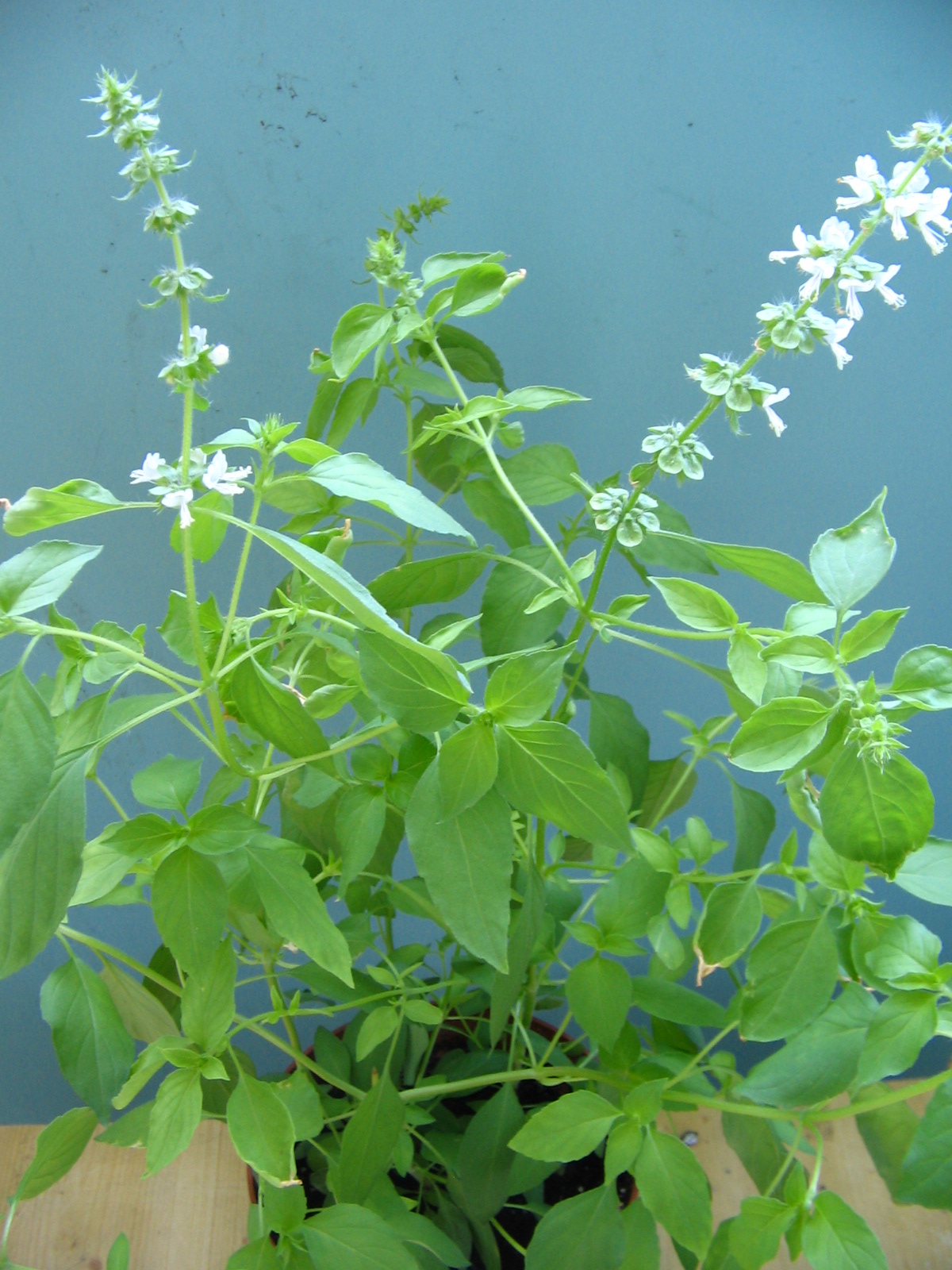 🇱🇦 Laos and 5 moreLemon basil
A hybrid herb with a bright citrus scent, used across Southeast Asia and Africa.Leaf · Citrus and bright · Herbal and green
🇱🇦 Laos and 5 moreLemon basil
A hybrid herb with a bright citrus scent, used across Southeast Asia and Africa.Leaf · Citrus and bright · Herbal and green
 🇰🇷 South Korea and 5 moreKorean mint배초향
An anise-scented Asian mint leaf used in Korean stews and herbal traditionsLeaf · Anise and liquorice · Herbal and green
🇰🇷 South Korea and 5 moreKorean mint배초향
An anise-scented Asian mint leaf used in Korean stews and herbal traditionsLeaf · Anise and liquorice · Herbal and green
 🇮🇳 India and 5 moreLemongrasssereh; tanglad; takhrai; sera
A tropical grass with citrus-scented stalks used in Asian soups and herbal teasLeaf · Citrus and bright · Sweet and mellow
🇮🇳 India and 5 moreLemongrasssereh; tanglad; takhrai; sera
A tropical grass with citrus-scented stalks used in Asian soups and herbal teasLeaf · Citrus and bright · Sweet and mellow
 🇨🇳 China and 5 moreShiso紫蘇
A mint-family herb with serrated leaves, used fresh or pickled across East Asia.Leaf · Herbal and green · Sharp and pungent
🇨🇳 China and 5 moreShiso紫蘇
A mint-family herb with serrated leaves, used fresh or pickled across East Asia.Leaf · Herbal and green · Sharp and pungent
 🇳🇵 Nepal and 5 moreTimurटिमुर
The dried fruit of a Himalayan shrub, prized for its citrus aroma and numbing tingle.Citrus and bright · Numbing and tingling
🇳🇵 Nepal and 5 moreTimurटिमुर
The dried fruit of a Himalayan shrub, prized for its citrus aroma and numbing tingle.Citrus and bright · Numbing and tingling
 🇻🇳 Vietnam and 4 moreHouttuynia折耳根
A heart-shaped herb with a sharp fishy taste used in salads and teas across Asia.Leaf · Sharp and pungent · Citrus and bright
🇻🇳 Vietnam and 4 moreHouttuynia折耳根
A heart-shaped herb with a sharp fishy taste used in salads and teas across Asia.Leaf · Sharp and pungent · Citrus and bright
Photo credits on this page
The small pictures above come from Wikimedia Commons under free licences. Some are cropped to fit.
- Sichuan pepper: Didier Descouens, CC BY-SA 4.0, source
- Timur: Vinayaraj, CC BY-SA 3.0, source
- Juniper berry: Unknown author, CC BY-SA 1.0, source
- Houttuynia: Agnieszka Kwiecień, Nova, CC BY-SA 4.0, source
- Shiso: Dalgial, CC BY-SA 3.0, source
- Curry paste: Ryan Snyder, CC BY 2.0, source
- Lemon basil: Kembangraps, CC BY-SA 3.0, source
- Korean mint: Dalgial, CC BY-SA 3.0, source
- Lemongrass: Unknown author, CC BY 2.0, source
- Basil: Castielli, CC BY-SA 3.0, source
- Fingerroot: Ariearsad, CC BY 4.0, source
- Amchoor: Miansari66, Public domain, source
The weekly digest
Every Monday: seven spices you may not know, what is cooking this week, and one blend explained step by step.