Almapaprika
Capsicum annuum var. longum
A thick-fleshed Hungarian sweet pepper variety used for pickling and traditional dishes.
The almapaprika is a variety of Capsicum annuum native to Hungary. Its fruit resembles an apple in shape and offers a mildly spicy taste. It is primarily used in preserved forms and local cuisine.
- Also called the apple pepper due to its shape.
- Heat level is mild, around 500-1000 SHU.
- Fruit is thick-fleshed and spherical.
- Key part of Hungarian pickling culture.
- Harvested in late summer and early autumn.
What is Almapaprika?
The almapaprika, known in English as the apple pepper, is a specific variety of the sweet pepper plant. Botanically classified under Capsicum annuum, it produces flattened, spherical berries that grow six to eight centimeters tall. The flesh is notably thick, and the fruit changes color from a pale yellowish-white to red as it ripens. The name derives directly from the fruit's resemblance to an apple. While it belongs to the broader species of sweet peppers, this particular type carries a mild heat level, registering between five hundred and one thousand Scoville Heat Units.
Where does Almapaprika come from?
This pepper variety is an integral part of Hungarian gastronomy. It is deeply embedded in the country's pickling culture and traditional foodways.
What does Almapaprika taste like?
The taste profile is defined by a mild spiciness. With a heat rating of five hundred to one thousand SHU, it provides a gentle warmth rather than intense burning. This subtle heat complements its fresh, vegetal qualities, making it suitable for both raw consumption and cooked applications where a background spice is desired without overwhelming other ingredients.
How Almapaprika is grown and processed
The plant is indeterminate, meaning it continues to grow and produce fruit throughout the season. Harvesting occurs from mid-to-late summer into early autumn. The berries ripen sequentially, shifting from their initial yellowish-white hue to a final red color. Because of its thick flesh, the fruit is durable enough for industrial processing and preserves.
Almapaprika, drawn
How Almapaprika is used
Cooks use the almapaprika primarily in preserved forms, reflecting its strong ties to Hungarian pickling traditions. It can also be eaten fresh when ripe. The thick walls of the fruit make it ideal for stuffing or slow cooking in various traditional dishes. Its versatility allows it to serve as a key ingredient in both household kitchens and larger-scale food production.
Almapaprika in the world's kitchens
The almapaprika is central to Hungarian cuisine. It distinguishes itself through its role in preservation techniques that define the national palate. Unlike paprika powders made from dried peppers, this variety is valued for its whole fruit texture in brined preparations and fresh stews.
At a glance: where it turns up
By meal
Cuisines
Spiritual and ceremonial use
No spiritual or religious associations are mentioned in the available information.
Almapaprika at celebrations
No specific festivals or celebrations are linked to this pepper in the provided text.
Traditional and medicinal use
Traditional use focuses on its culinary application in pickling.
Buying and storing Almapaprika
The fruit is well-suited for preservation methods like pickling, which extend its usability beyond the short harvest window. Fresh fruits should be consumed or processed while ripe.
The trade in Almapaprika
The pepper supports industrial processing, indicating some level of commercial trade. However, specific routes, markets, or export data are not provided.
Meal
This pepper is most commonly associated with preserves, such as pickles and chutneys, which are staples in Hungarian pantries. It may also appear in lunch or dinner dishes where it serves as a cooked vegetable component. Its fresh form might be enjoyed as a snack or salad ingredient during the harvest season.
Questions people ask about Almapaprika
What is the almapaprika?
It is a variety of sweet pepper native to Hungary, scientifically known as Capsicum annuum var. longum. It produces thick-fleshed, apple-shaped berries that are used in cooking and pickling.
How hot is the apple pepper?
It has a mild heat, measuring between five hundred and one thousand Scoville units. This makes it slightly spicy but generally approachable for those sensitive to strong chilies.
Where does this pepper come from?
It originates from Hungary, where it is a staple of the local gastronomy. It is particularly famous for its role in traditional Hungarian pickling practices.
When is it harvested?
The plant produces fruit from mid-to-late summer through early autumn. The berries ripen from yellowish-white to red during this period.
Good reading and sources
The facts on this page come from the Wikipedia article "Almapaprika", written by its contributors and used under the CC BY-SA 4.0 licence, and from its Wikidata record (CC0). EveryMasala rewrote the text in its own words, with AI assistance, and compares every page with the article to make sure no passage is copied. It may be reused under the same CC BY-SA 4.0 licence with a link back.
It may contain mistakes. Names, strengths and customs differ from one grower, kitchen or shop to the next. Traditional and medicinal uses are described as tradition, never as medical advice, and none of this is a substitute for a doctor. If something is wrong, tell us. Last refreshed 2026-10-04.
More from Hungary
All the spices of Hungary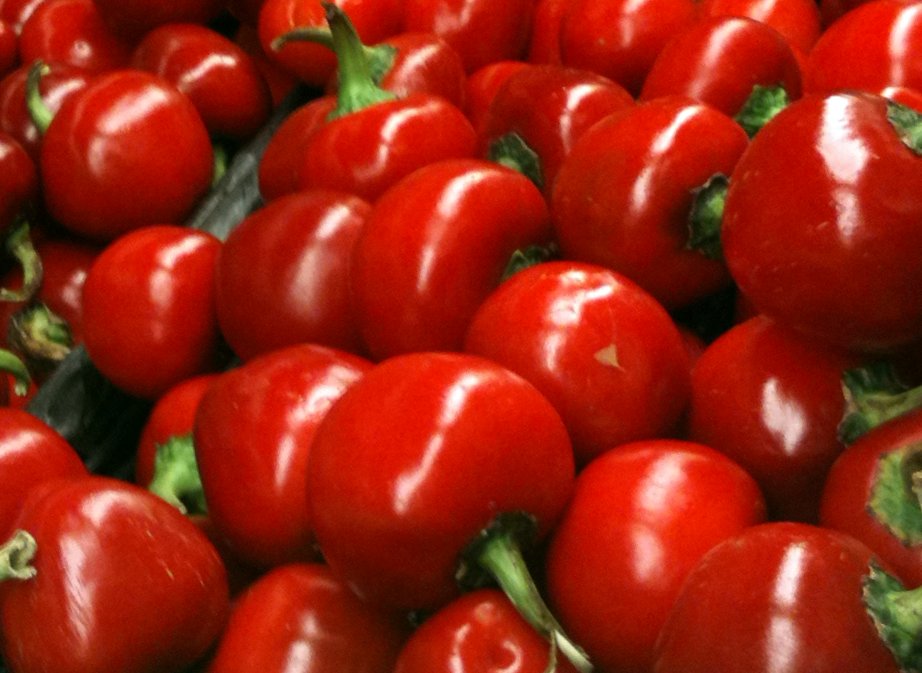 🇭🇺 HungaryCherry peppercseresznyepaprika
A small Capsicum annuum cultivar from Hungary, used for paprika and preserves.Chilli · Hot and fiery · Sweet and mellow
🇭🇺 HungaryCherry peppercseresznyepaprika
A small Capsicum annuum cultivar from Hungary, used for paprika and preserves.Chilli · Hot and fiery · Sweet and mellow
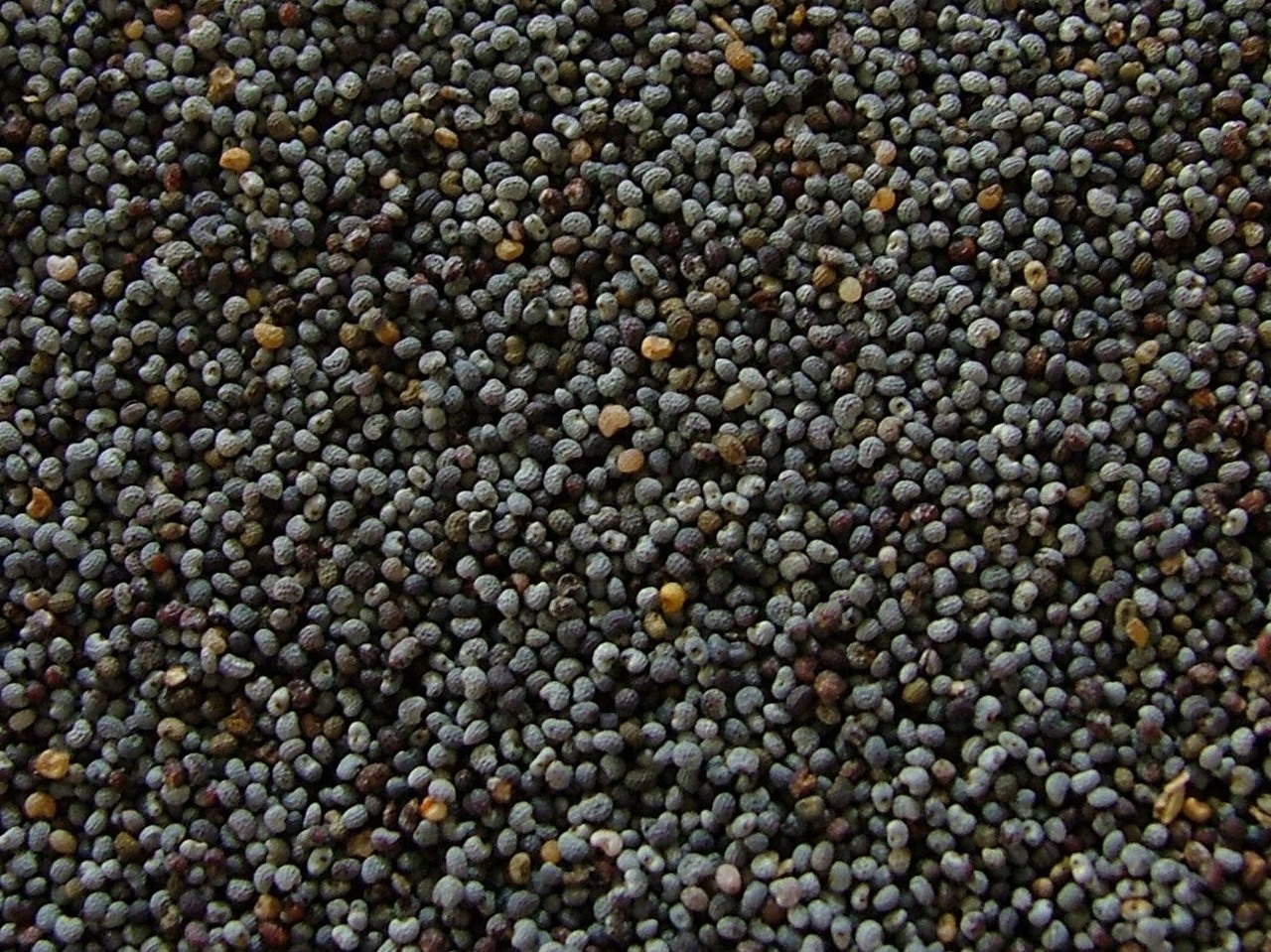 🇹🇷 Turkey and 5 morePoppy seed
The tiny kidney-shaped oilseed of the opium poppy, used in baking and cooking across Europe and South Asia.Seed · Earthy and deep
🇹🇷 Turkey and 5 morePoppy seed
The tiny kidney-shaped oilseed of the opium poppy, used in baking and cooking across Europe and South Asia.Seed · Earthy and deep
 🇲🇽 Mexico and 5 morePaprika
A red powder made from dried Capsicum annuum peppers, used to colour and flavour dishes across Europe and the Middle EasSeed · Sweet and mellow · Hot and fiery
🇲🇽 Mexico and 5 morePaprika
A red powder made from dried Capsicum annuum peppers, used to colour and flavour dishes across Europe and the Middle EasSeed · Sweet and mellow · Hot and fiery
 🇮🇳 India and 5 moreMustard seed
Tiny seeds from Brassica plants that become a sharp condiment or cooking oil.Seed · Sharp and pungent · Hot and fiery
🇮🇳 India and 5 moreMustard seed
Tiny seeds from Brassica plants that become a sharp condiment or cooking oil.Seed · Sharp and pungent · Hot and fiery
Its cousins elsewhere
All fruit 🇵🇪 Peru and 5 moreChili pepperchīlli
The pungent berry of the Capsicum plant, used to add heat to dishes worldwide.Fruit · Hot and fiery · Earthy and deep
🇵🇪 Peru and 5 moreChili pepperchīlli
The pungent berry of the Capsicum plant, used to add heat to dishes worldwide.Fruit · Hot and fiery · Earthy and deep
 🇪🇬 EgyptShattaشطة
A fermented Levantine paste of fresh chillies, garlic, and saltHot and fiery · Sharp and pungent
🇪🇬 EgyptShattaشطة
A fermented Levantine paste of fresh chillies, garlic, and saltHot and fiery · Sharp and pungent
 🇯🇵 JapanKarashiからし
A potent Japanese mustard made from brown mustard seeds, served as a sharp condiment.Seed · Hot and fiery · Sharp and pungent
🇯🇵 JapanKarashiからし
A potent Japanese mustard made from brown mustard seeds, served as a sharp condiment.Seed · Hot and fiery · Sharp and pungent
 🇲🇽 MexicoSalsa macha
A Mexican condiment of dried chilies and oil, crushed to a coarse texture.Paste · Hot and fiery · Sharp and pungent
🇲🇽 MexicoSalsa macha
A Mexican condiment of dried chilies and oil, crushed to a coarse texture.Paste · Hot and fiery · Sharp and pungent