
Anise
Pimpinella anisum
The sweet, licorice-flavored seed of an annual herb from the Mediterranean basin.
This annual plant yields small, curved seeds that taste strongly of licorice. It is a staple in Mediterranean cooking and distilling, used to flavor sweets, liqueurs, and digestive teas.
- Seeds contain anethole, giving a licorice taste.
- Cultivated in Egypt for 4,000 years.
- Flavors Greek ouzo and Turkish rakı.
- Plants grow best in warm, drained soil.
- Used traditionally to aid digestion.
What is Anise?
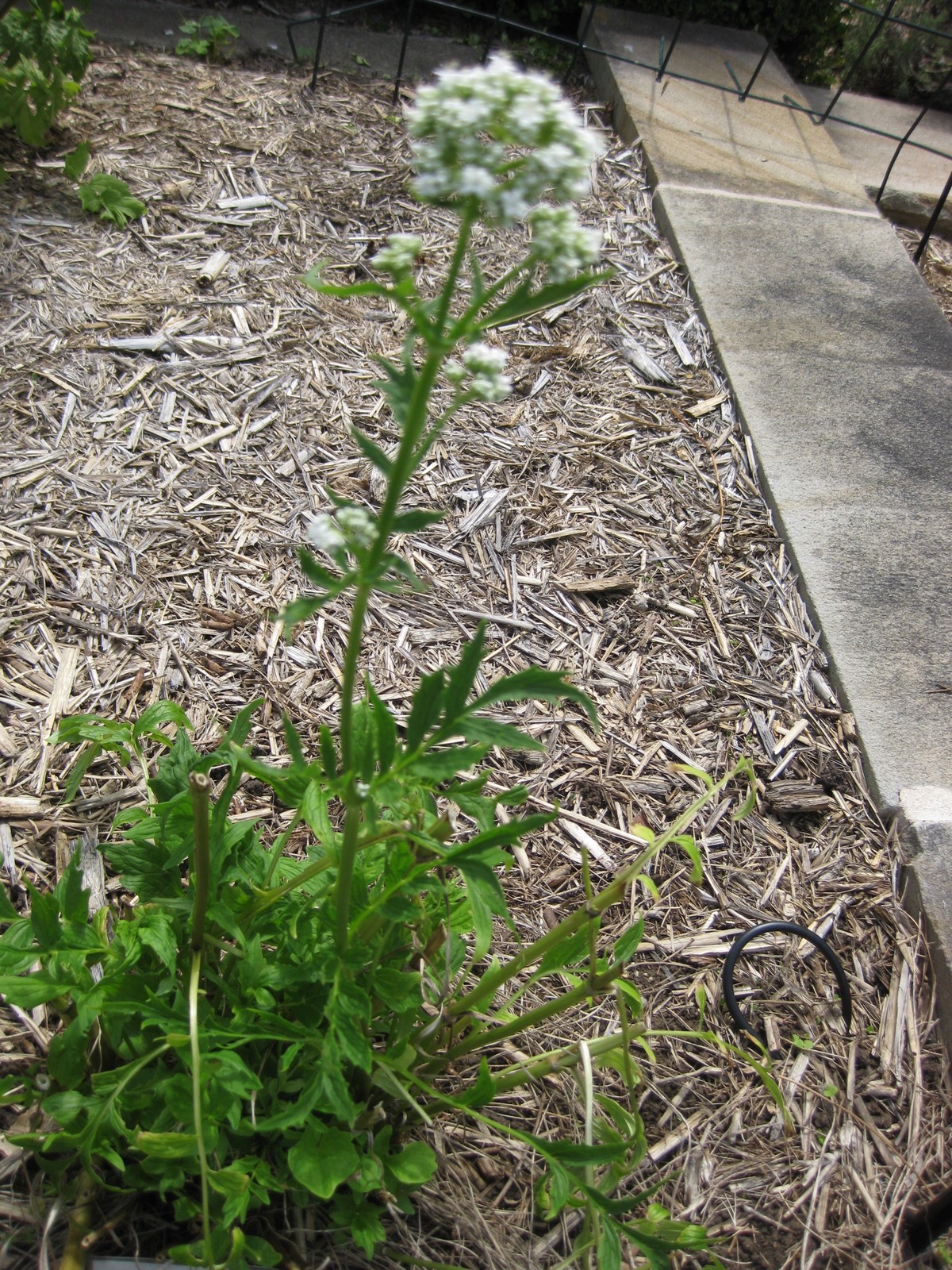
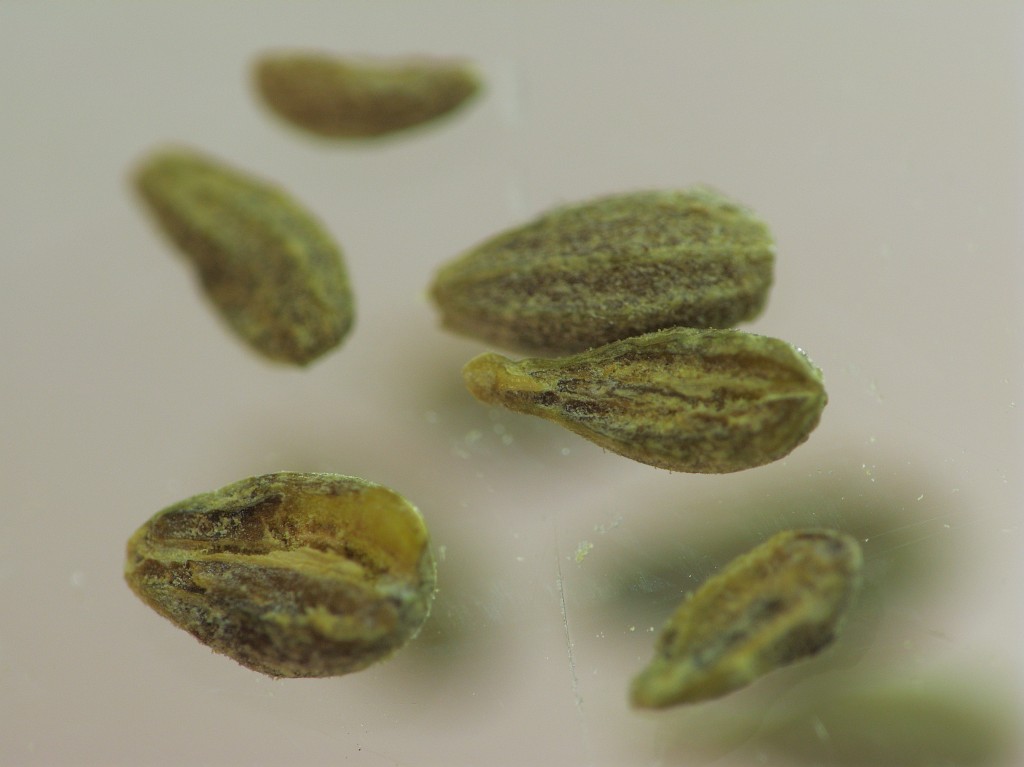
Anise is an annual herb belonging to the Apiaceae family. The plant reaches about two feet tall and produces white or yellow flowers in flat clusters. The edible part is the dried fruit, commonly called aniseed. These seeds are oblong, curved, and measure only a few millimeters long. They carry a powerful, sweet scent. The primary taste note is licorice. This flavor comes from a chemical compound called anethole. The aroma is instantly recognizable and distinct from other herbs.
Where does Anise come from?
The plant likely originated in the eastern Mediterranean and Southwest Asia. Historical records show cultivation in Egypt for roughly four thousand years. Early growers moved it to Europe for its healing properties. The name traces back through Latin and Greek words related to dill. Ancient texts mention its use in herbal remedies and as a breath freshener mixed with honey.
What does Anise taste like?
The dominant taste is sweet and intensely licorice-like. This profile is driven by high concentrations of anethole in the essential oil. The flavor closely mimics star anise and fennel. However, anise provides a cleaner, sharper sweetness. The seeds release their oils when crushed. Whole seeds offer a milder, gradual release compared to ground powder.
How Anise is grown and processed
Farmers plant seeds in spring once the soil warms. The crop requires light, fertile, and well-drained earth. Anise develops a deep taproot, making transplanting difficult. Growers usually sow seeds directly in the final field. Small seedlings can be moved carefully if necessary. The plants mature quickly in warm conditions. Harvest occurs before the seeds fully drop to prevent loss.
Anise, drawn
How Anise is used
Cooks use whole or ground seeds to flavor foods and drinks. The spice appears in confections like British aniseed balls and Italian biscotti. It flavors soups, stews, and cheese spreads. In Italy, it seasons sausages and processed meats. In India and Pakistan, people chew seeds after meals for digestion. Distillers use it to create clear spirits that turn milky when water is added.
Anise in the world's kitchens
Mediterranean cuisines rely on this spice heavily. Greeks use it in ouzo. Bulgarians make mastika. Italians flavor sambuca and pizzelle. French producers create absinthe and pastis. Turks prepare rakı. Levantine regions use it in arak. Mexican cooks add it to hot chocolate drinks. Indian and Pakistani traditions use it as a post-meal digestif.
At a glance: where it turns up

Spiritual and ceremonial use
No specific religious rituals center on anise. Ancient writers noted its use in daily hygiene. Pliny the Elder recorded chewing seeds with honey to freshen breath. This practice was common for personal cleanliness rather than worship. The spice lacks strong ties to sacred ceremonies or temple offerings.
Anise at celebrations
It is a general household spice. Its presence in everyday baking and drinking does not mark special occasions. It appears in daily life rather than ceremonial contexts.
Traditional and medicinal use
European herbalists used anise to reduce gas and bloating. John Gerard noted its ability to settle the stomach. Traditional remedies claimed it helped sleeplessness and appetite. Turkish folk medicine used seeds as a tranquilizer. Doses were measured in ounces or minims in nineteenth-century preparations. These uses are historical traditions, not medical advice.
Buying and storing Anise
Store seeds in airtight containers away from light. Keep them in a cool, dry place. Ground spices lose potency faster than whole seeds. Check for freshness by crushing a seed; it should release a strong licorice scent. Old seeds become dusty and flavorless.
What to use instead of Anise
Star anise offers a similar licorice taste but is less expensive. Fennel seeds provide a milder, sweeter alternative. Liquorice root shares the same chemical compound. Tarragon has a faint resemblance but is more herbal. Star anise often replaces anise in Western markets due to cost.
The trade in Anise
Western markets once dominated anise production. Today, star anise from South China displaces it due to lower costs. Global anise oil production reached eight tons by 1999. Star anise output exceeded four hundred tons. The trade routes have shifted toward Asian producers. Adulteration with cheaper substitutes remains a concern in some markets.
Meal
Anise belongs primarily to snacks and drinks. It flavors candies, jelly beans, and hard drops. It is a key ingredient in many alcoholic beverages. People drink teas made from the seeds. It also appears in breakfast pastries and dessert cookies. Some savory dishes use it sparingly for depth.
Blends with Anise
Questions people ask about Anise
What does anise taste like?
Anise tastes strongly of licorice. This sweet flavor comes from anethole. It resembles star anise and fennel. The taste is sharp and aromatic. Crushed seeds release the most intense flavor.
Where does anise come from?
Anise originates in the eastern Mediterranean and Southwest Asia. Egypt has cultivated it for thousands of years. It spread to Europe for medicinal use. Today, it grows in warm climates worldwide.
How is anise used in cooking?
Cooking uses whole or ground seeds. It flavors candies, cookies, and liqueurs. Italians season sausages with it. Indians chew seeds after meals. It adds sweetness to soups and stews.
Can I substitute anise with another spice?
Star anise is the closest substitute. It shares the same licorice compound. Fennel seeds work but are milder. Liquorice root offers a similar profile. Use star anise sparingly as it is stronger.
Why does anise liqueur turn cloudy?
Adding water causes cloudiness known as the ouzo effect. Anethole dissolves in alcohol but not water. The oil separates into tiny droplets. This creates a milky appearance. It is a natural reaction of the essential oils.
Good reading and sources
- Anise on WikipediaEncyclopedia
- More photos on Wikimedia CommonsPhotos and video
- Wikidata recordOpen data
The facts on this page come from the Wikipedia article "Anise", written by its contributors and used under the CC BY-SA 4.0 licence, and from its Wikidata record (CC0). EveryMasala rewrote the text in its own words, with AI assistance, and compares every page with the article to make sure no passage is copied. It may be reused under the same CC BY-SA 4.0 licence with a link back.
It may contain mistakes. Names, strengths and customs differ from one grower, kitchen or shop to the next. Traditional and medicinal uses are described as tradition, never as medical advice, and none of this is a substitute for a doctor. If something is wrong, tell us. Last refreshed 2026-10-04.
More from Egypt
All the spices of Egypt 🇹🇷 Turkey and 2 moreMahleb
A ground cherry seed used to sweeten Middle Eastern baked goods with an almond-cherry note.Seed · Sweet and mellow · Bitter
🇹🇷 Turkey and 2 moreMahleb
A ground cherry seed used to sweeten Middle Eastern baked goods with an almond-cherry note.Seed · Sweet and mellow · Bitter
 🇮🇱 Israel and 5 moreCoriander
The leaves and dried seeds of an annual Mediterranean herb used in cuisines worldwide.Leaf · Citrus and bright · Warm and sweet-spiced
🇮🇱 Israel and 5 moreCoriander
The leaves and dried seeds of an annual Mediterranean herb used in cuisines worldwide.Leaf · Citrus and bright · Warm and sweet-spiced
 🇮🇳 India and 5 moreFenugreekحلبة (hilba)
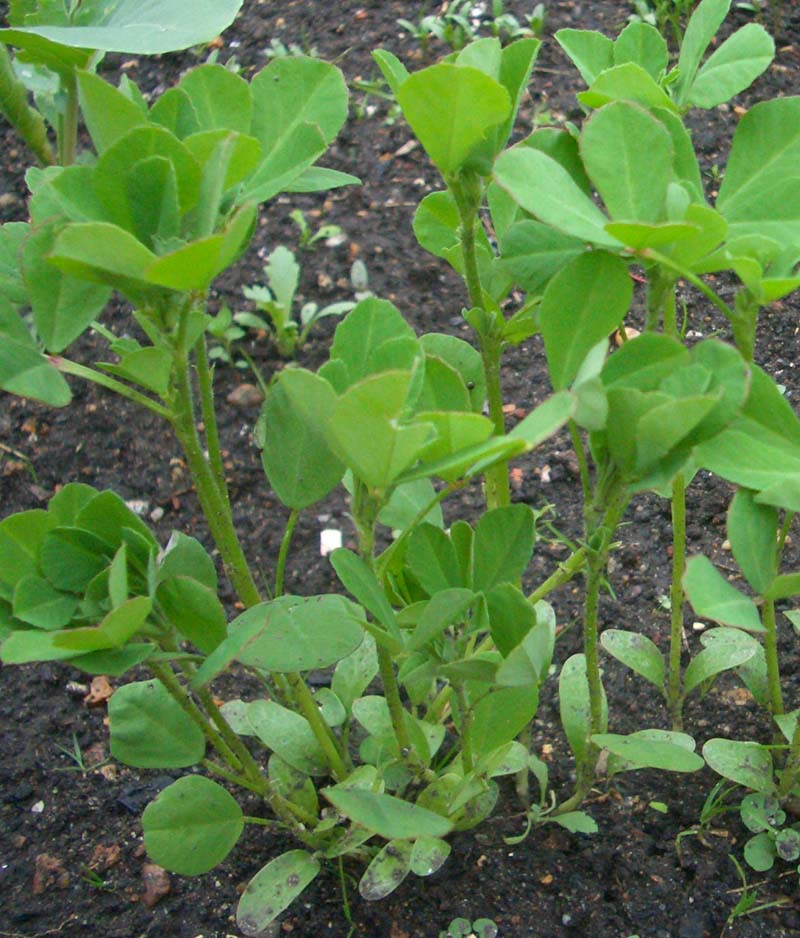
The cuboid seed of an annual legume, prized for its bitter warmth and maple aroma.Seed · Bitter · Warm and sweet-spiced
🇮🇳 India and 5 moreFenugreekحلبة (hilba)
The cuboid seed of an annual legume, prized for its bitter warmth and maple aroma.Seed · Bitter · Warm and sweet-spiced
 🇪🇬 EgyptShattaشطة
A fermented Levantine paste of fresh chillies, garlic, and saltHot and fiery · Sharp and pungent
🇪🇬 EgyptShattaشطة
A fermented Levantine paste of fresh chillies, garlic, and saltHot and fiery · Sharp and pungent
Its cousins elsewhere
All seed 🇮🇳 India and 4 moreFennel
The anise-scented seeds and crisp bulb of a Mediterranean perennial herbSeed · Anise and liquorice · Sweet and mellow
🇮🇳 India and 4 moreFennel
The anise-scented seeds and crisp bulb of a Mediterranean perennial herbSeed · Anise and liquorice · Sweet and mellow
 🇷🇺 Russia and 4 moreTarragon
A slender perennial herb with anise-scented leaves, prized in French and Middle Eastern cooking.Leaf · Anise and liquorice · Sweet and mellow
🇷🇺 Russia and 4 moreTarragon
A slender perennial herb with anise-scented leaves, prized in French and Middle Eastern cooking.Leaf · Anise and liquorice · Sweet and mellow
 🇹🇭 Thailand and 3 moreThai basilโหระพา
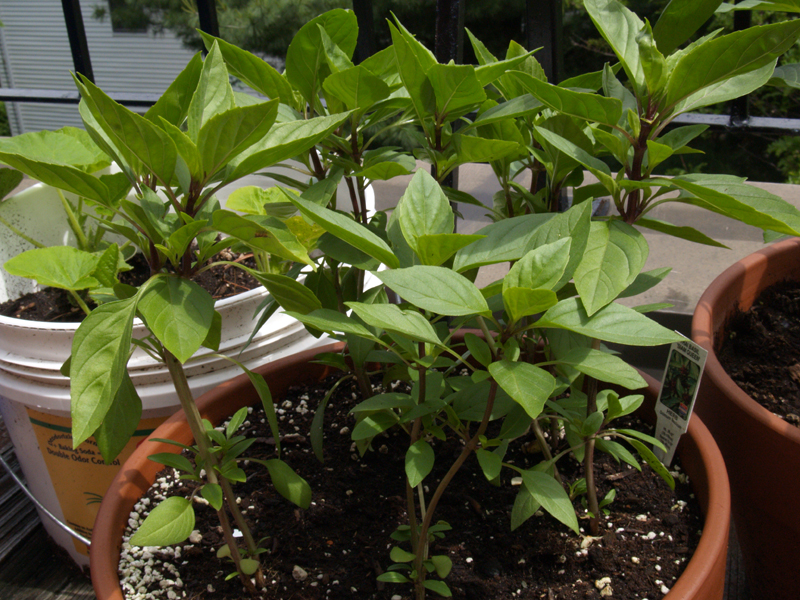
A Southeast Asian herb with purple stems and anise notes, used in curries and soups.Leaf · Anise and liquorice · Hot and fiery
🇹🇭 Thailand and 3 moreThai basilโหระพา
A Southeast Asian herb with purple stems and anise notes, used in curries and soups.Leaf · Anise and liquorice · Hot and fiery
 🇰🇷 South Korea and 5 moreKorean mint배초향
An anise-scented Asian mint leaf used in Korean stews and herbal traditionsLeaf · Anise and liquorice · Herbal and green
🇰🇷 South Korea and 5 moreKorean mint배초향
An anise-scented Asian mint leaf used in Korean stews and herbal traditionsLeaf · Anise and liquorice · Herbal and green