
Chile de árbol
Capsicum annuum ‘De Arbol’
A small, fiery Mexican chili pepper known for its grassy heat and bright red dried pods.
The chile de árbol is a potent cultivar of Capsicum annuum native to Mexico. It delivers a sharp, searing warmth with faint smoky notes and is widely used in Mexican cooking as a dried powder or toasted whole pod.
- Heat ranges from 15,000 to 30,000 Scoville units.
- Peppers turn bright red when fully mature.
- Often used to decorate wreaths after drying.
- Shares ancestry with cayenne and pequín peppers.
- Grassy, faintly smoky flavour profile.
What is Chile de árbol?
This variety belongs to the Capsicum annuum species and originates from Mexico. The peppers are compact, measuring roughly five to seven centimeters in length. They begin their life cycle as green fruits before ripening into a vivid red hue. The plant produces a sharp, intense heat that ranges between fifteen thousand and thirty thousand Scoville units. Alongside this power, the pepper offers a distinct grassy aroma with subtle smoky undertones. Cooks use the fruit fresh, but drying it is far more common because the pods retain their colour well after dehydration.
Where does Chile de árbol come from?
The chile de árbol traces its roots to Mexico. It is a specific cultivar within the broader Capsicum annuum family. While related to cayenne and pequín peppers, it has developed its own unique profile in Mexican agriculture. The plant thrives in warm climates, preferring temperatures between ten and thirty-two degrees Celsius. It grows best in soil that is either sandy or clay-based, ideally with a loam texture that allows for deep root development.
What does Chile de árbol taste like?
The primary sensation is a direct, searing heat that lingers on the palate. This pungency sits alongside a lighter, herbal quality described as grassy. There is also a faint hint of smoke that emerges when the dried pods are toasted. The flavour profile is straightforward: hot, earthy, and slightly vegetal. It lacks the sweetness found in milder varieties, focusing entirely on spice and aromatic depth.
How Chile de árbol is grown and processed
Farmers cultivate this pepper in regions where temperatures remain consistently warm. The optimal growth zone averages around twenty-four degrees Celsius. The plant requires soil that can support a root system extending fifty to one hundred and fifty centimetres deep. Sandy-loam or clay-loam textures provide the best conditions for healthy development. Harvesting occurs once the peppers have fully matured and turned red. After picking, they are often dried in the sun or using mechanical dryers to preserve them for long-term storage.
Chile de árbol, drawn
How Chile de árbol is used
In Mexican kitchens, this pepper is a staple source of heat. Dried pods are frequently toasted before being ground into fine powders for table salsas. They are also steeped in oils to create fiery condiments or reduced into thin sauces. Whole dried peppers sometimes serve as decorative elements in wreaths due to their lasting colour. Fresh pods are less common but can be added directly to stews or salsas for immediate heat.
Chile de árbol in the world's kitchens
Mexican cuisine relies heavily on this pepper for its distinctive heat. It is used across various regions to add depth to traditional dishes. The dried form is particularly valued for its ability to infuse oils and sauces with both colour and spice. Its relationship to other Latin American peppers like pequín highlights its role in the broader regional culinary landscape.
At a glance: where it turns up
By meal
Cuisines

Spiritual and ceremonial use
There are no recorded spiritual or religious rituals specifically tied to the chile de árbol. It is treated purely as a culinary ingredient without ceremonial significance in any major faith tradition.
Chile de árbol at celebrations
The pepper is not linked to specific festivals, weddings, or harvest celebrations in the provided records. It remains a utilitarian ingredient rather than a symbolic element of holiday feasts.
Traditional and medicinal use
It is consumed solely for its flavour and heat properties in food preparation. No folk remedies or health claims are associated with its consumption in the available sources.
Buying and storing Chile de árbol
Dried pods should be kept in a cool, dark place to maintain their potency. When stored properly, they retain their vibrant red colour and spicy kick for extended periods. Ground powder loses some heat over time, so whole pods are preferred for long-term use. Moisture must be avoided to prevent mould growth during storage.
What to use instead of Chile de árbol
Cayenne pepper is the closest substitute, offering similar heat levels and a comparable drying process. Pequín peppers also work well as an alternative due to their shared lineage and intense flavour. These options provide the necessary sharpness when chile de árbol is unavailable.
The trade in Chile de árbol
The pepper is grown primarily in Mexico for domestic use and export. It is part of the broader global trade in dried chillies. While not as ubiquitous as black pepper, it holds a steady place in markets catering to authentic Mexican ingredients. Adulteration is rare, as the distinct shape and heat level make it easily identifiable.
Meal
This spice features prominently in everyday Mexican dining. It is commonly served at dinner tables as a seasoning for soups and main courses. Snacks often include salsas made with ground chile de árbol powder. It is not typically associated with breakfast or dessert dishes, nor is it a standard ingredient in street food stalls outside of sauce preparations.
Questions people ask about Chile de árbol
What does chile de árbol taste like?
It tastes sharply hot with a grassy, herbal note and a faint smokiness. The heat is intense, ranging from fifteen thousand to thirty thousand Scoville units, making it significantly hotter than mild peppers.
Where does chile de árbol come from?
It originates from Mexico. It is a cultivar of Capsicum annuum that thrives in warm climates with loamy soil. It is closely related to other Latin American chillies like cayenne.
How is chile de árbol usually prepared?
It is most often dried, toasted, and ground into powder for salsas. It can also be steeped in oil or used whole in sauces. Fresh pods are less common but still usable.
Good reading and sources
- Chile de árbol on WikipediaEncyclopedia
- More photos on Wikimedia CommonsPhotos and video
- Wikidata recordOpen data
The facts on this page come from the Wikipedia article "Chile de árbol", written by its contributors and used under the CC BY-SA 4.0 licence, and from its Wikidata record (CC0). EveryMasala rewrote the text in its own words, with AI assistance, and compares every page with the article to make sure no passage is copied. It may be reused under the same CC BY-SA 4.0 licence with a link back.
It may contain mistakes. Names, strengths and customs differ from one grower, kitchen or shop to the next. Traditional and medicinal uses are described as tradition, never as medical advice, and none of this is a substitute for a doctor. If something is wrong, tell us. Last refreshed 2026-10-04.
More from Mexico
All the spices of Mexico 🇵🇪 Peru and 5 moreChili pepperchīlli
The pungent berry of the Capsicum plant, used to add heat to dishes worldwide.Fruit · Hot and fiery · Earthy and deep
🇵🇪 Peru and 5 moreChili pepperchīlli
The pungent berry of the Capsicum plant, used to add heat to dishes worldwide.Fruit · Hot and fiery · Earthy and deep
 🇲🇽 Mexico and 1 moreChipotle
Smoke-dried ripe jalapeño peppers used in Mexican and Tex-Mex cookingChilli · Hot and fiery · Smoky
🇲🇽 Mexico and 1 moreChipotle
Smoke-dried ripe jalapeño peppers used in Mexican and Tex-Mex cookingChilli · Hot and fiery · Smoky
 🇲🇽 Mexico and 5 moreJalapeño
A medium-sized Capsicum annuum cultivar from Mexico known for its green pods and moderate heat.Chilli · Hot and fiery · Earthy and deep
🇲🇽 Mexico and 5 moreJalapeño
A medium-sized Capsicum annuum cultivar from Mexico known for its green pods and moderate heat.Chilli · Hot and fiery · Earthy and deep
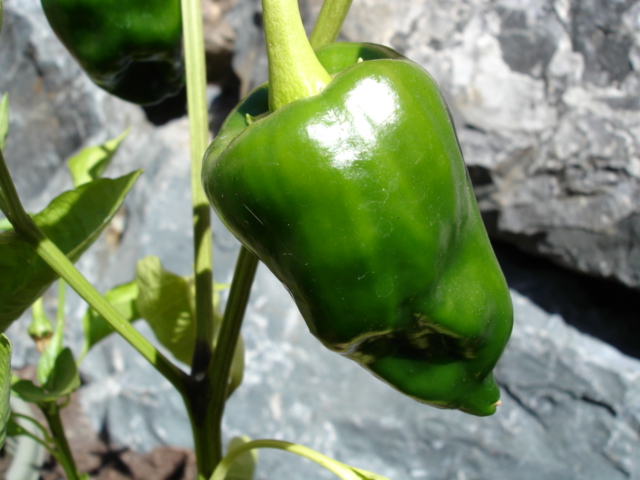 🇲🇽 Mexico and 1 morePoblano
A mild Mexican chili pepper that becomes the dried ancho when mature.Chilli · Sweet and mellow · Hot and fiery
🇲🇽 Mexico and 1 morePoblano
A mild Mexican chili pepper that becomes the dried ancho when mature.Chilli · Sweet and mellow · Hot and fiery
Its cousins elsewhere
All chilli 🇰🇭 CambodiaKroeungគ្រឿង
The pounded herb paste that gives Khmer dishes their base flavourPaste · Herbal and green · Hot and fiery
🇰🇭 CambodiaKroeungគ្រឿង
The pounded herb paste that gives Khmer dishes their base flavourPaste · Herbal and green · Hot and fiery
 🇬🇧 United Kingdom and 4 moreRock samphire
A coastal succulent with peppery leaves and carrot-scented roots, used fresh or pickled.Leaf · Hot and fiery · Sharp and pungent
🇬🇧 United Kingdom and 4 moreRock samphire
A coastal succulent with peppery leaves and carrot-scented roots, used fresh or pickled.Leaf · Hot and fiery · Sharp and pungent
 🇨🇳 China and 5 moreChili oil辣椒油
A red condiment of infused vegetable oil and hot peppers used across Asia and Europe.Hot and fiery · Smoky
🇨🇳 China and 5 moreChili oil辣椒油
A red condiment of infused vegetable oil and hot peppers used across Asia and Europe.Hot and fiery · Smoky
 🇨🇦 CanadaMontreal steak seasoning
A dry rub of garlic, pepper, and dill for grilling meat, born in Montreal delis.Sharp and pungent · Warm and sweet-spiced
🇨🇦 CanadaMontreal steak seasoning
A dry rub of garlic, pepper, and dill for grilling meat, born in Montreal delis.Sharp and pungent · Warm and sweet-spiced