
Crushed red pepper
Dried and crushed chilli peppers, often with seeds, used as a spicy condiment.
This spice consists of dried and coarsely crushed red chilli peppers, typically cayenne-type cultivars. It delivers heat in the range of thirty thousand to fifty thousand Scoville units and is widely used in soups, sauces, and pickling blends across many global cuisines.
- Scores 30,000-50,000 on the Scoville scale
- Made from dried and crushed red chilli peppers
- Commonly used in Italian and Indian cooking
- Known as pul biber in Turkey
- Lasts 12-18 months before losing heat
What is Crushed red pepper?
Crushed red pepper is a coarse seasoning made from dried red chilli peppers that have been broken into small pieces rather than ground into powder. The mixture frequently contains a high proportion of seeds alongside the flesh of the fruit. While the name implies a single type of pepper, manufacturers often blend up to four different cultivars to achieve a consistent flavour profile. The visual appearance ranges from bright orange-red to a deep, dark crimson depending on the ripeness of the peppers at harvest. The texture is gritty and uneven, providing a distinct crunch when sprinkled over food.
Where does Crushed red pepper come from?
The parent plants belong to the nightshade family and were first cultivated in Central and South America thousands of years ago. European explorers encountered these peppers while searching for black pepper and introduced them to Asia. In Southeast Europe, the village of Bukovo in North Macedonia is credited with popularizing the crushed form, giving its name to the spice in several regional languages. Southern Italian migrants later spread its use throughout the United States in the nineteenth century, where it became a staple table condiment.
What does Crushed red pepper taste like?
The primary sensation is intense heat derived from capsaicin, typically scoring between thirty thousand and fifty thousand Scoville units. This level places it firmly in the medium-hot category, comparable to cayenne or bird's eye chillies. The flavour profile includes earthy undertones from the dried skin and a sharp, pungent bite from the seeds. Many people mistakenly believe the seeds hold all the heat, but the flesh contributes significantly to the overall spiciness and aromatic quality of the mix.
How Crushed red pepper is grown and processed
Chilli peppers thrive in warm climates during the summer months, ideally between twenty-one and twenty-nine degrees Celsius under full sun. After ripening from green to red, the fruits are harvested and dried thoroughly to preserve them. Commercial producers then crush the dried pods into irregular flakes. China and Turkey currently stand among the leading global producers of this specific spice form, processing large volumes for international markets.
Crushed red pepper, drawn
How Crushed red pepper is used
Food manufacturers incorporate this spice into pickling blends, chowders, spaghetti sauces, pizza sauces, soups, and sausage mixes. Home cooks sprinkle it over pasta dishes, pizzas, and stews to add immediate heat. In Turkey, a similar product known as pul biber is served as a common condiment, often containing very few seeds. A specially prepared Turkish variety called urfa pul biber offers a unique smoky depth compared to standard American-style flakes.
Crushed red pepper in the world's kitchens
Indian cuisine uses it extensively in curries and vegetable dishes to provide background heat. Italian cooking relies on it heavily, particularly in tomato-based sauces and on top of margherita pizzas. Mexican and Caribbean cuisines employ it in salsas and marinades. Chinese and Southeast Asian kitchens use it in stir-fries and noodle soups. Each region adapts the seed-to-fllesh ratio differently, with Turkish versions often being nearly seed-free.
At a glance: where it turns up

Spiritual and ceremonial use
There are no specific religious rituals or sacred offerings directly tied to crushed red pepper in the provided sources.
Crushed red pepper at celebrations
It is treated as a general culinary ingredient rather than a symbol of particular holidays or seasonal events.
Traditional and medicinal use
Traditional medicine sources do not provide specific folk remedies using crushed red pepper in the provided text. No safety notes or dosage guidelines are mentioned. It is purely a culinary condiment in the context of the available information.
Buying and storing Crushed red pepper
Like most spices, crushed red pepper loses its spiciness over time. It typically remains potent for twelve to eighteen months before the heat diminishes significantly. Keeping it in an airtight container away from light helps preserve its potency longer.
What to use instead of Crushed red pepper
Cayenne pepper powder is the closest substitute, though it lacks the texture of crushed flakes. Whole dried chillies can be crushed by hand for a fresher result. Aleppo pepper offers a milder alternative with less heat. Paprika provides colour but minimal spice.
The trade in Crushed red pepper
The spice was historically traded by Spanish explorers who brought New World peppers to Europe and then to Asia. Today, China and Turkey are major production hubs. The village of Bukovo in North Macedonia gave its name to the product in several Balkan languages, reflecting its historical trade routes through Southeast Europe.
Meal
It is most commonly associated with dinner and lunch, particularly in Italian-American pizzerias and Mediterranean restaurants where shakers sit on every table. It also features in snack foods like chips and pretzels. The spice plays a role in preserves, especially in pickling blends where it adds colour and heat to vegetables. It is rarely used in breakfast items or desserts, remaining strictly within the realm of savoury cooking and street food.
Questions people ask about Crushed red pepper
What is crushed red pepper?
It is a spice made from dried red chilli peppers that are coarsely crushed rather than ground into powder. It often contains seeds and flesh, providing both heat and texture to dishes.
How hot is crushed red pepper?
It typically ranges from thirty thousand to fifty thousand Scoville units. This makes it moderately hot, similar to cayenne pepper or bird's eye chillies, delivering a sharp pungent bite.
Where does crushed red pepper come from?
The peppers originated in Central and South America. The crushed form became popular in Southeast Europe, particularly around the village of Bukovo in North Macedonia, before spreading globally via Italian migrants.
Is it the same as chili powder?
No. Crushed red pepper consists of visible flakes and seeds. Chili powder is usually a fine grind that may include other spices like cumin or garlic. The texture and heat distribution differ significantly between the two.
How should I store it?
Store it in an airtight container away from light and heat. It maintains its best flavour and spiciness for about twelve to eighteen months before gradually losing its potency over time.
Good reading and sources
- Crushed red pepper on WikipediaEncyclopedia
- More photos on Wikimedia CommonsPhotos and video
- Wikidata recordOpen data
The facts on this page come from the Wikipedia article "Crushed red pepper", written by its contributors and used under the CC BY-SA 4.0 licence, and from its Wikidata record (CC0). EveryMasala rewrote the text in its own words, with AI assistance, and compares every page with the article to make sure no passage is copied. It may be reused under the same CC BY-SA 4.0 licence with a link back.
It may contain mistakes. Names, strengths and customs differ from one grower, kitchen or shop to the next. Traditional and medicinal uses are described as tradition, never as medical advice, and none of this is a substitute for a doctor. If something is wrong, tell us. Last refreshed 2026-10-04.
More from China
All the spices of China 🇮🇳 India and 4 moreFennel
The anise-scented seeds and crisp bulb of a Mediterranean perennial herbSeed · Anise and liquorice · Sweet and mellow
🇮🇳 India and 4 moreFennel
The anise-scented seeds and crisp bulb of a Mediterranean perennial herbSeed · Anise and liquorice · Sweet and mellow
 🇮🇳 India and 4 moreBasil
A tender culinary herb with glossy leaves and a licorice-like aroma, native to tropical Asia.Leaf · Anise and liquorice · Warm and sweet-spiced
🇮🇳 India and 4 moreBasil
A tender culinary herb with glossy leaves and a licorice-like aroma, native to tropical Asia.Leaf · Anise and liquorice · Warm and sweet-spiced
 🇱🇰 Sri Lanka and 5 moreCinnamon
The dried inner bark of Cinnamomum trees, prized for its sweet warmth and essential oil.Bark · Warm and sweet-spiced · Sweet and mellow
🇱🇰 Sri Lanka and 5 moreCinnamon
The dried inner bark of Cinnamomum trees, prized for its sweet warmth and essential oil.Bark · Warm and sweet-spiced · Sweet and mellow
Its cousins elsewhere
All chilli 🇵🇪 Peru and 5 moreChili pepperchīlli
The pungent berry of the Capsicum plant, used to add heat to dishes worldwide.Fruit · Hot and fiery · Earthy and deep
🇵🇪 Peru and 5 moreChili pepperchīlli
The pungent berry of the Capsicum plant, used to add heat to dishes worldwide.Fruit · Hot and fiery · Earthy and deep
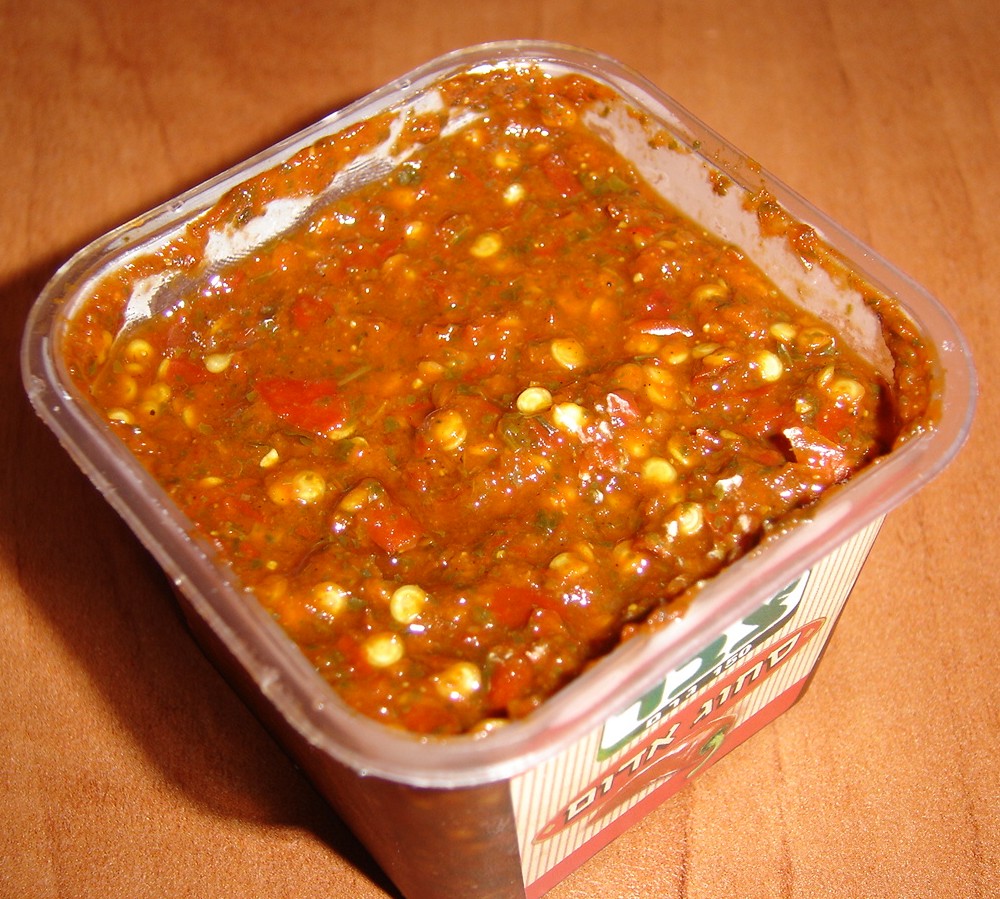 🇾🇪 Yemen and 1 moreZhugسحوق
A Yemeni hot sauce of crushed chilies, garlic, and corianderHot and fiery · Sharp and pungent
🇾🇪 Yemen and 1 moreZhugسحوق
A Yemeni hot sauce of crushed chilies, garlic, and corianderHot and fiery · Sharp and pungent
 🇱🇾 Libya and 1 morePilpelchumaפלפלצ'ומה
A steamed chili and garlic paste from Libyan Jewish cuisine, now common in Israel.Hot and fiery · Sharp and pungent
🇱🇾 Libya and 1 morePilpelchumaפלפלצ'ומה
A steamed chili and garlic paste from Libyan Jewish cuisine, now common in Israel.Hot and fiery · Sharp and pungent
 🇳🇬 NigeriaYaji
A spicy rub from Nigeria made with chili, ginger, and ground peanuts.Blend · Hot and fiery · Earthy and deep
🇳🇬 NigeriaYaji
A spicy rub from Nigeria made with chili, ginger, and ground peanuts.Blend · Hot and fiery · Earthy and deep