
Siling labuyo
Capsicum frutescens ‘Siling Labuyo’
The tiny, erect-fruited wild chili of the Philippines, known for intense heat.
A small Capsicum frutescens cultivar from the Philippines, siling labuyo produces pungent triangular fruits that grow pointing upwards. It ranks between 80,000 and 100,000 Scoville units and is a staple in local dipping sauces and condiments.
- Fruits are only 0.20 inches long and 0.10 inches wide.
- Heat ranges from 80,000 to 100,000 Scoville units.
- Fruits grow pointing upwards, unlike many other chilies.
- Name translates from Tagalog as "wild chili."
- Listed in the Slow Food Ark of Taste as endangered.
What is Siling labuyo?
Siling labuyo is a chili pepper cultivar native to the Philippines. The plant grows compactly, reaching heights of roughly one to four feet. It features smooth leaves and small flowers with purple centers. The fruits are distinctively triangular and point upward on the stem. They measure about half a centimeter wide and five millimeters long. Immature peppers are deep green, while ripe ones turn vivid red. Some varieties may also appear yellow, orange, white, or purple. The name comes from Tagalog words meaning "wild chili." It is often confused with the Thai bird's eye chili, though the two belong to different species.
Where does Siling labuyo come from?
This cultivar developed in the Philippines following the Columbian Exchange. Its introduction was closely tied to the Manila galleon trade routes. The name is derived from the Tagalog word sili, meaning chili, and labuyo, which means growing wild. This term also refers to wild junglefowl. The plant is considered one of the two common local chilies in the country, alongside the larger siling haba. It is recognized by the Slow Food movement as an endangered heritage food in the Ark of Taste catalog.
What does Siling labuyo taste like?
The fruit is intensely pungent, ranking between 80,000 and 100,000 Scoville Heat Units. This level of heat is comparable to the lower end of the habanero range. The flavor profile is defined by this sharp, biting spice rather than complex aromatic notes. The heat is concentrated in the fruit flesh and seeds. Cooks use it to provide a strong spicy kick to dishes. The intensity allows a small amount to flavor large quantities of food effectively.
How Siling labuyo is grown and processed
The plant has a compact habit, typically growing between 0.8 and 1.5 meters tall. It produces smooth, lanceolate leaves up to six centimeters long. Small greenish-white flowers with purple stamens develop into clusters of two or three fruits. These fruits grow erect, pointing skyward. Harvesting involves picking the small, tapering pods. The plants are susceptible to confusion with other cultivars in markets. Growers sometimes prefer easier-to-harvest hybrids, leading to mislabeling of siling labuyo in some regions.
Siling labuyo, drawn
How Siling labuyo is used
In Filipino cuisine, the leaves are eaten as a vegetable in soups like tinola. The fruit is primarily used in sawsawan, or dipping sauces. These sauces are prepared fresh at the table by diners adding chopped chilies to soy sauce, vinegar, calamansi, or fish sauce. It is also essential in palapa, a Maranao condiment made with coconut, ginger, and turmeric. The chilies can be infused into spiced vinegars like sinamak for long-term storage. The resulting liquid serves as a preserved spicy condiment.
Siling labuyo in the world's kitchens
It is central to traditional Philippine cooking, particularly in the preparation of accompaniments. In Maranao cuisine, it forms the base of palapa, a sweet and spicy paste. Other regional variations use it in various vinegar-based dips. While bird's eye chilies dominate Southeast Asian cuisines generally, siling labuyo holds its specific place in Filipino home cooking. It distinguishes local preparations from neighboring styles through its unique shape and heat profile.
At a glance: where it turns up


Traditional and medicinal use
Traditional uses include applying the fruit, skin, and seeds as a natural pesticide. Farmers use these parts to repel ants, aphids, caterpillars, and storage pests. This practice leverages the chemical compounds in the chili to protect crops without synthetic chemicals. The focus remains on agricultural protection and culinary application.
Buying and storing Siling labuyo
Infused vinegars containing siling labuyo can be stored in bottles or mason jars. They are kept in the refrigerator for extended periods. The taste of these preserved sauces develops and improves over time.
What to use instead of Siling labuyo
Thai bird's eye chilies are commonly confused with siling labuyo in Philippine markets. However, they are larger and belong to a different species. Siling tingala and siling tari are F1 hybrids from Taiwan that are also sold under this name. These substitutes are longer, uniformly red, and generally less spicy than true siling labuyo.
The trade in Siling labuyo
The cultivar is listed in the Ark of Taste by the Slow Food movement, highlighting its status as an endangered heritage food. Market dynamics in Luzon show a trend toward replacing true labuyo with easier-to-grow hybrids. These substitutes offer consistent color and longer shelf life but lack the authentic heat. This shift impacts the availability of genuine siling labuyo in commercial settings.
Meal
Siling labuyo is most prominent in snack settings and street food contexts. It accompanies fried and grilled dishes as a table-side condiment. Diners mix it into sauces to customize the heat level of their meal. It is not typically cooked into main courses as a primary ingredient but rather added as a finishing touch. The infused vinegar versions serve as pantry staples for quick seasoning. It fits well into casual eating habits where immediate flavor adjustment is desired.
Questions people ask about Siling labuyo
What does siling labuyo taste like?
It is intensely pungent, ranking between 80,000 and 100,000 Scoville units. The heat is sharp and biting, similar to a mild habanero. It provides a strong spicy kick to dishes without complex aromatic flavors.
Where does siling labuyo come from?
It is a cultivar native to the Philippines. It developed after the Columbian Exchange via the Manila galleon trade. The name means "wild chili" in Tagalog, reflecting its growth habits.
How is siling labuyo used in cooking?
It is mainly used in fresh dipping sauces called sawsawan. Diners add chopped fruit to soy sauce, vinegar, or fish sauce. It is also key in palapa, a Maranao condiment, and infused vinegars.
Is siling labuyo the same as Thai bird's eye chili?
No. They are different species. Thai chilies hang downward and are larger. Siling labuyo fruits point upward and are smaller. Markets often confuse them due to hybrid availability.
Good reading and sources
- Siling labuyo on WikipediaEncyclopedia
- More photos on Wikimedia CommonsPhotos and video
- Wikidata recordOpen data
The facts on this page come from the Wikipedia article "Siling labuyo", written by its contributors and used under the CC BY-SA 4.0 licence, and from its Wikidata record (CC0). EveryMasala rewrote the text in its own words, with AI assistance, and compares every page with the article to make sure no passage is copied. It may be reused under the same CC BY-SA 4.0 licence with a link back.
It may contain mistakes. Names, strengths and customs differ from one grower, kitchen or shop to the next. Traditional and medicinal uses are described as tradition, never as medical advice, and none of this is a substitute for a doctor. If something is wrong, tell us. Last refreshed 2026-10-04.
More from the Philippines
All the spices of the Philippines 🇵🇭 PhilippinesSiling haba
A long, bright green chili from the Philippines, prized for moderate heat in sour and savory stews.Chilli · Hot and fiery · Sharp and pungent
🇵🇭 PhilippinesSiling haba
A long, bright green chili from the Philippines, prized for moderate heat in sour and savory stews.Chilli · Hot and fiery · Sharp and pungent
 🇮🇩 Indonesia and 3 moreTemulawak
The rhizome of a Javanese ginger relative, used for its earthy flavour and traditional wellness drinks.Root · Earthy and deep · Bitter
🇮🇩 Indonesia and 3 moreTemulawak
The rhizome of a Javanese ginger relative, used for its earthy flavour and traditional wellness drinks.Root · Earthy and deep · Bitter
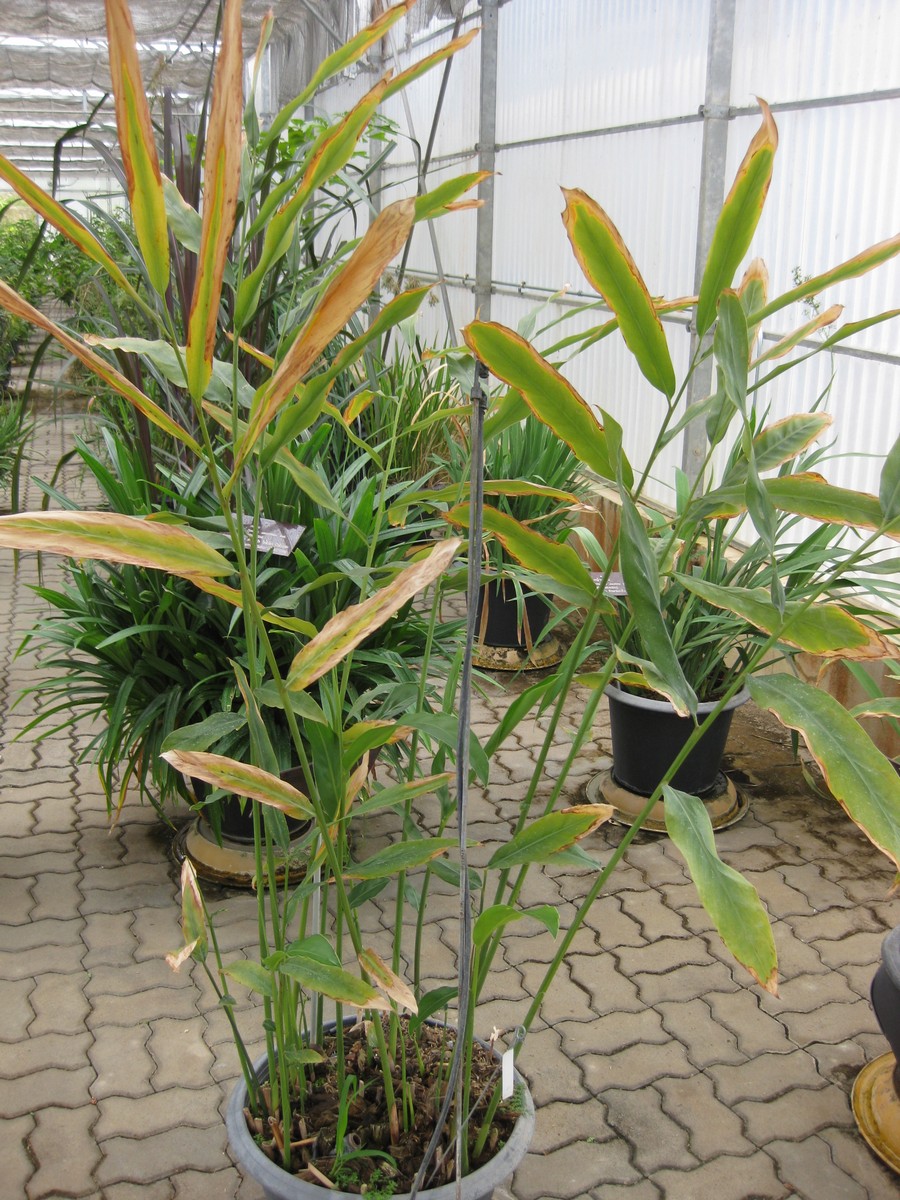 🇮🇩 Indonesia and 5 moreGreater galangalข่า
The pungent rhizome of a ginger relative, essential in Southeast Asian soups and curries.Root · Sharp and pungent · Citrus and bright
🇮🇩 Indonesia and 5 moreGreater galangalข่า
The pungent rhizome of a ginger relative, essential in Southeast Asian soups and curries.Root · Sharp and pungent · Citrus and bright
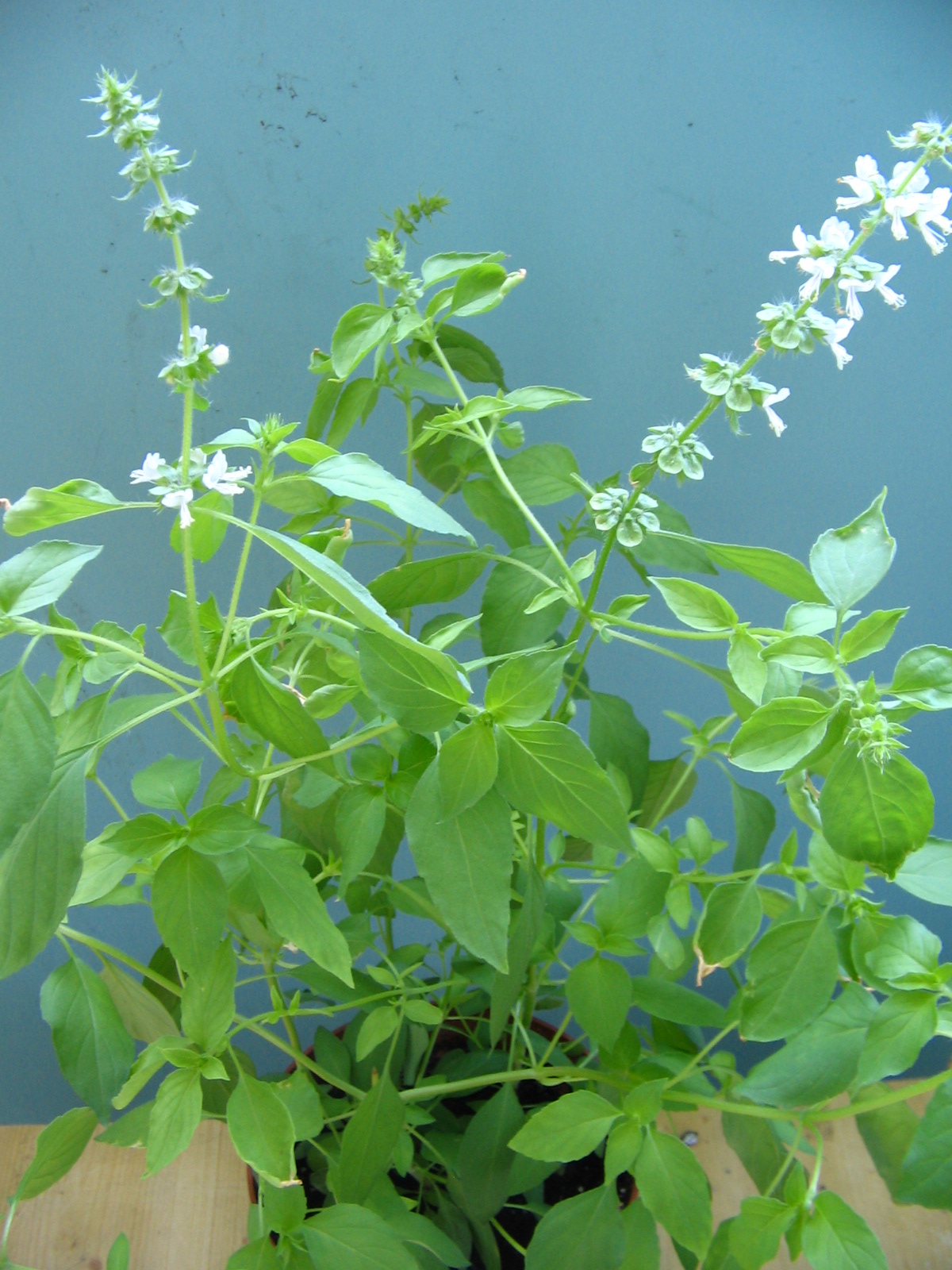 🇱🇦 Laos and 5 moreLemon basil
A hybrid herb with a bright citrus scent, used across Southeast Asia and Africa.Leaf · Citrus and bright · Herbal and green
🇱🇦 Laos and 5 moreLemon basil
A hybrid herb with a bright citrus scent, used across Southeast Asia and Africa.Leaf · Citrus and bright · Herbal and green
Its cousins elsewhere
All chilli 🇬🇧 United Kingdom and 4 moreRock samphire
A coastal succulent with peppery leaves and carrot-scented roots, used fresh or pickled.Leaf · Hot and fiery · Sharp and pungent
🇬🇧 United Kingdom and 4 moreRock samphire
A coastal succulent with peppery leaves and carrot-scented roots, used fresh or pickled.Leaf · Hot and fiery · Sharp and pungent
 🇯🇵 JapanKarashiからし
A potent Japanese mustard made from brown mustard seeds, served as a sharp condiment.Seed · Hot and fiery · Sharp and pungent
🇯🇵 JapanKarashiからし
A potent Japanese mustard made from brown mustard seeds, served as a sharp condiment.Seed · Hot and fiery · Sharp and pungent
 🇱🇾 Libya and 1 morePilpelchumaפלפלצ'ומה
A steamed chili and garlic paste from Libyan Jewish cuisine, now common in Israel.Hot and fiery · Sharp and pungent
🇱🇾 Libya and 1 morePilpelchumaפלפלצ'ומה
A steamed chili and garlic paste from Libyan Jewish cuisine, now common in Israel.Hot and fiery · Sharp and pungent
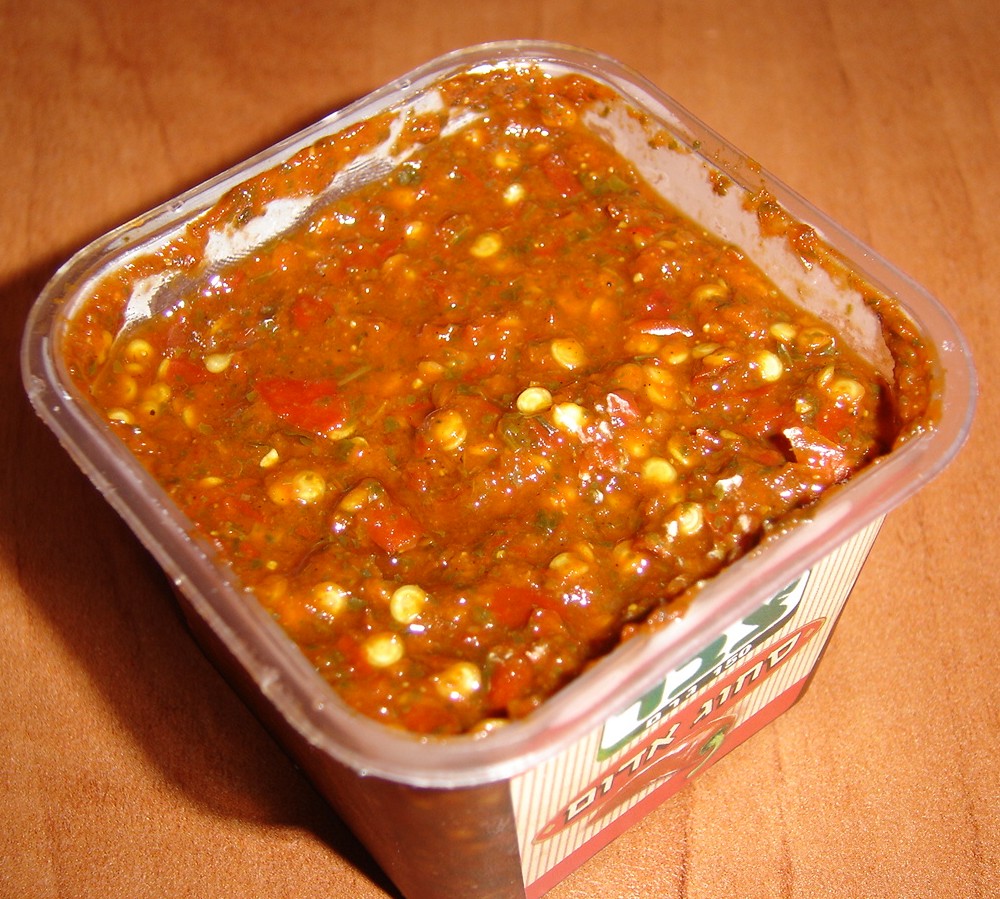 🇾🇪 Yemen and 1 moreZhugسحوق
A Yemeni hot sauce of crushed chilies, garlic, and corianderHot and fiery · Sharp and pungent
🇾🇪 Yemen and 1 moreZhugسحوق
A Yemeni hot sauce of crushed chilies, garlic, and corianderHot and fiery · Sharp and pungent