🇵🇭 The spices of the Philippines
16 spices from the Philippines, best known first, across 3 cities, markets and growing areas.
Filipino cooking balances sweet, sour, and salty flavors across a hundred ethnic groups. Indigenous Austronesian roots blend with Chinese, Spanish, and American influences. Spices like ginger and lemongrass provide the aromatic backbone for these diverse dishes.
- Ginger, lemongrass, and annatto are key native flavorings.
- Adobo uses vinegar and soy sauce for preservation and taste.
- Kalamansi provides essential sourness in many dishes.
- Rice is the central staple across all ethnic groups.
- Bicol cuisine prominently features coconut milk and chilies.
Spice in the Philippines
The culinary traditions of the Philippine archipelago draw from more than one hundred ethnolinguistic communities. An indigenous Austronesian base absorbed waves of Chinese, Spanish, and American influence over centuries. This history created a cuisine that shares maritime Southeast Asian traits while adapting foreign ingredients to local tastes. The result is a distinct food culture where rice remains central, yet dishes range from simple preserved fish to elaborate Iberian-style stews prepared for celebrations.
The spices of the kitchen
Ginger, lemongrass, galangal, and pandan form the primary aromatic foundation. Annatto provides color and earthy notes. Tamarind supplies essential acidity. Kalamansi, a native citrus fruit, adds sharp sourness to many preparations. These ingredients define the flavor profile alongside the core taste triad of sweet, sour, and salty. In regions like Bicol and the Cordilleras, chilies introduce heat as a fourth key element.
Blends and pastes
Soy sauce and vinegar create the classic adobo marinade, preserving meat while infusing deep savory notes. Shrimp paste, known as bagoong, adds umami depth to vegetable stews. Liver paste enriches tomato-based meat sauces. Peanut sauce coats slow-cooked oxtail and vegetables. Garlic fried rice serves as a common side, often paired with spiced or cured meats. These combinations bridge indigenous preferences with colonial techniques.
Today
Modern Filipino kitchens integrate fast food items like hamburgers and instant coffee alongside traditional staples. International recognition grows with rankings placing chicken inasal and sisig among global favorites. The Michelin Guide plans its first Philippine selections by 2026. Trade networks continue to introduce new ingredients while preserving historic methods. Health regulations now address dietary shifts toward higher fat consumption.
The facts in this overview come from the Wikipedia article "Filipino cuisine", written by its contributors and used under the CC BY-SA 4.0 licence. EveryMasala rewrote the text in its own words, with AI assistance, and compares every page with the article to make sure no passage is copied. It may be reused under the same CC BY-SA 4.0 licence with a link back.
 🇮🇩 Indonesia and 3 moreTemulawak
The rhizome of a Javanese ginger relative, used for its earthy flavour and traditional wellness drinks.Root · Earthy and deep · Bitter
🇮🇩 Indonesia and 3 moreTemulawak
The rhizome of a Javanese ginger relative, used for its earthy flavour and traditional wellness drinks.Root · Earthy and deep · Bitter
 🇮🇳 India and 3 moreIndian prickly ash
A pungent fruit from a thorny shrub, used for its tingling spice in coastal India and Vietnam.Fruit · Sharp and pungent · Numbing and tingling
🇮🇳 India and 3 moreIndian prickly ash
A pungent fruit from a thorny shrub, used for its tingling spice in coastal India and Vietnam.Fruit · Sharp and pungent · Numbing and tingling
 🇲🇽 Mexico and 5 moreAnnatto
The orange-red pigment from achiote seeds used as a natural food coloring and mild spice.Seed · Earthy and deep · Sweet and mellow
🇲🇽 Mexico and 5 moreAnnatto
The orange-red pigment from achiote seeds used as a natural food coloring and mild spice.Seed · Earthy and deep · Sweet and mellow
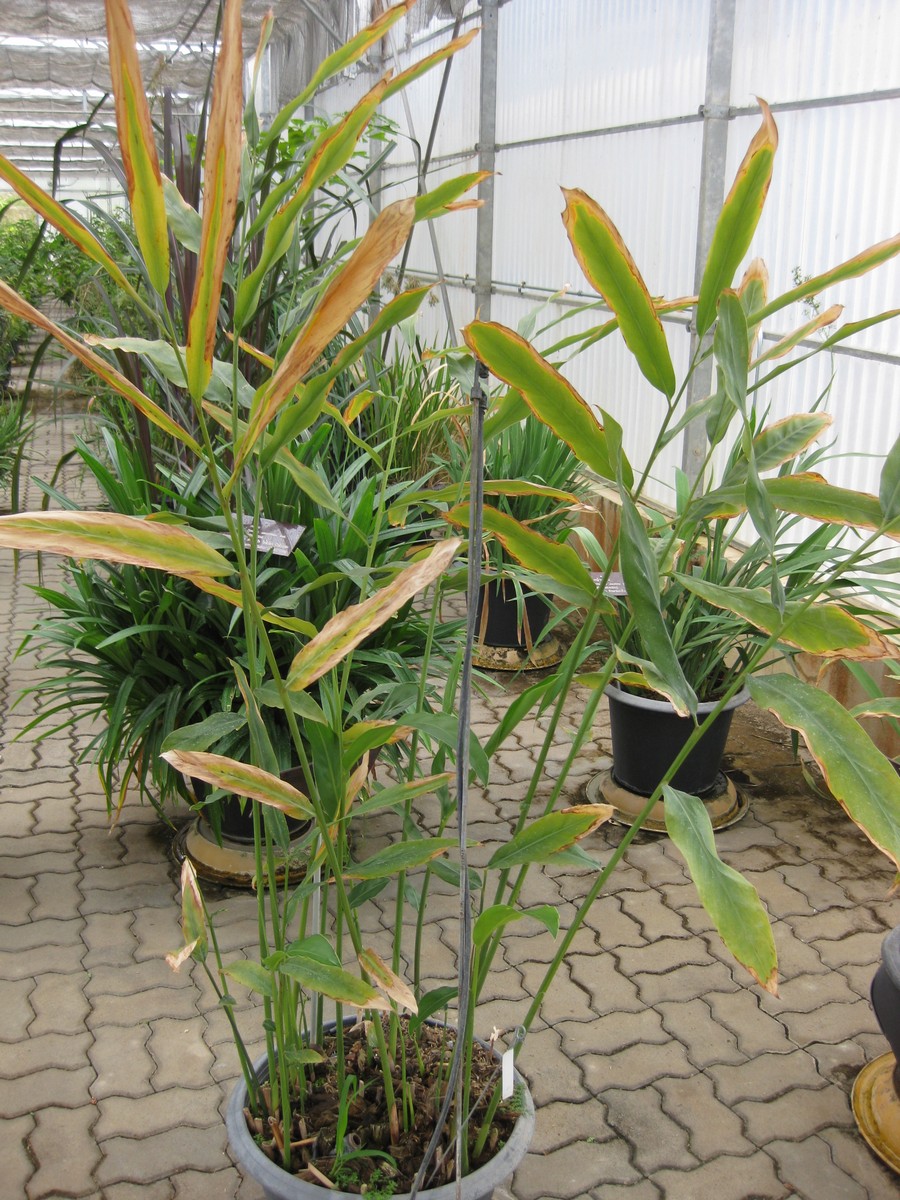 🇮🇩 Indonesia and 5 moreGreater galangalข่า
The pungent rhizome of a ginger relative, essential in Southeast Asian soups and curries.Root · Sharp and pungent · Citrus and bright
🇮🇩 Indonesia and 5 moreGreater galangalข่า
The pungent rhizome of a ginger relative, essential in Southeast Asian soups and curries.Root · Sharp and pungent · Citrus and bright
 🇮🇳 India and 2 moreBay leaf
The dried or fresh leaves of the laurel tree, used to infuse depth into slow-cooked dishes.Leaf · Herbal and green · Sharp and pungent
🇮🇳 India and 2 moreBay leaf
The dried or fresh leaves of the laurel tree, used to infuse depth into slow-cooked dishes.Leaf · Herbal and green · Sharp and pungent
 🇵🇭 PhilippinesSiling haba
A long, bright green chili from the Philippines, prized for moderate heat in sour and savory stews.Chilli · Hot and fiery · Sharp and pungent
🇵🇭 PhilippinesSiling haba
A long, bright green chili from the Philippines, prized for moderate heat in sour and savory stews.Chilli · Hot and fiery · Sharp and pungent
 🇲🇽 Mexico and 2 moreEpazoteepazōtl
A pungent leafy herb from the Americas, traditionally used to flavor beans and stews.Sharp and pungent · Citrus and bright
🇲🇽 Mexico and 2 moreEpazoteepazōtl
A pungent leafy herb from the Americas, traditionally used to flavor beans and stews.Sharp and pungent · Citrus and bright
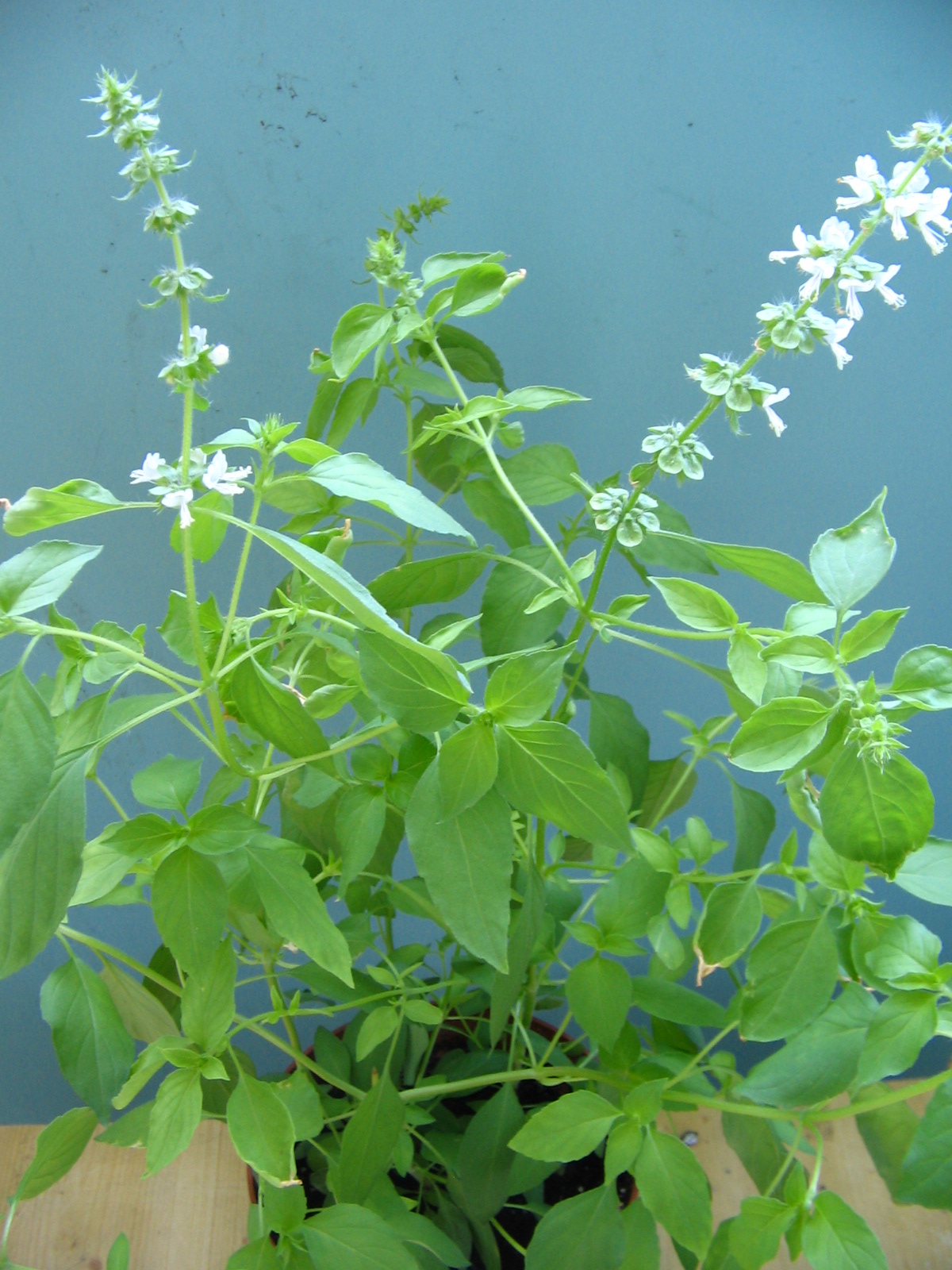 🇱🇦 Laos and 5 moreLemon basil
A hybrid herb with a bright citrus scent, used across Southeast Asia and Africa.Leaf · Citrus and bright · Herbal and green
🇱🇦 Laos and 5 moreLemon basil
A hybrid herb with a bright citrus scent, used across Southeast Asia and Africa.Leaf · Citrus and bright · Herbal and green
 🇲🇽 Mexico and 5 moreCapsicum frutescens
A small, wild chili species with erect berries, native to the Americas and widely grown in tropical regions.Chilli · Hot and fiery
🇲🇽 Mexico and 5 moreCapsicum frutescens
A small, wild chili species with erect berries, native to the Americas and widely grown in tropical regions.Chilli · Hot and fiery
 🇮🇳 India and 5 moreLemongrasssereh; tanglad; takhrai; sera
A tropical grass with citrus-scented stalks used in Asian soups and herbal teasLeaf · Citrus and bright · Sweet and mellow
🇮🇳 India and 5 moreLemongrasssereh; tanglad; takhrai; sera
A tropical grass with citrus-scented stalks used in Asian soups and herbal teasLeaf · Citrus and bright · Sweet and mellow
 🇮🇳 India and 5 moreTurmericहल्दी
The dried rhizome of a tropical ginger relative, prized for its golden color and earthy bite.Root · Warm and sweet-spiced · Bitter
🇮🇳 India and 5 moreTurmericहल्दी
The dried rhizome of a tropical ginger relative, prized for its golden color and earthy bite.Root · Warm and sweet-spiced · Bitter
 🇹🇭 Thailand and 5 moreKaffir limeมะกรูด
The bumpy-skinned citrus fruit and double-leafed shrub of Southeast AsiaFruit · Citrus and bright · Sharp and pungent
🇹🇭 Thailand and 5 moreKaffir limeมะกรูด
The bumpy-skinned citrus fruit and double-leafed shrub of Southeast AsiaFruit · Citrus and bright · Sharp and pungent
 🇵🇭 PhilippinesSiling labuyo
The tiny, erect-fruited wild chili of the Philippines, known for intense heat.Chilli · Hot and fiery · Sharp and pungent
🇵🇭 PhilippinesSiling labuyo
The tiny, erect-fruited wild chili of the Philippines, known for intense heat.Chilli · Hot and fiery · Sharp and pungent
 🇮🇩 Indonesia and 5 moreIndonesian cinnamon
A strong, affordable bark from Sumatra used as a common spice and oil source.Bark · Warm and sweet-spiced · Sharp and pungent
🇮🇩 Indonesia and 5 moreIndonesian cinnamon
A strong, affordable bark from Sumatra used as a common spice and oil source.Bark · Warm and sweet-spiced · Sharp and pungent
 🇮🇩 Indonesia and 5 morePandan
The fragrant leaf of a sterile screwpine, used to scent rice and desserts across Asia.Leaf · Sweet and mellow · Floral and perfumed
🇮🇩 Indonesia and 5 morePandan
The fragrant leaf of a sterile screwpine, used to scent rice and desserts across Asia.Leaf · Sweet and mellow · Floral and perfumed
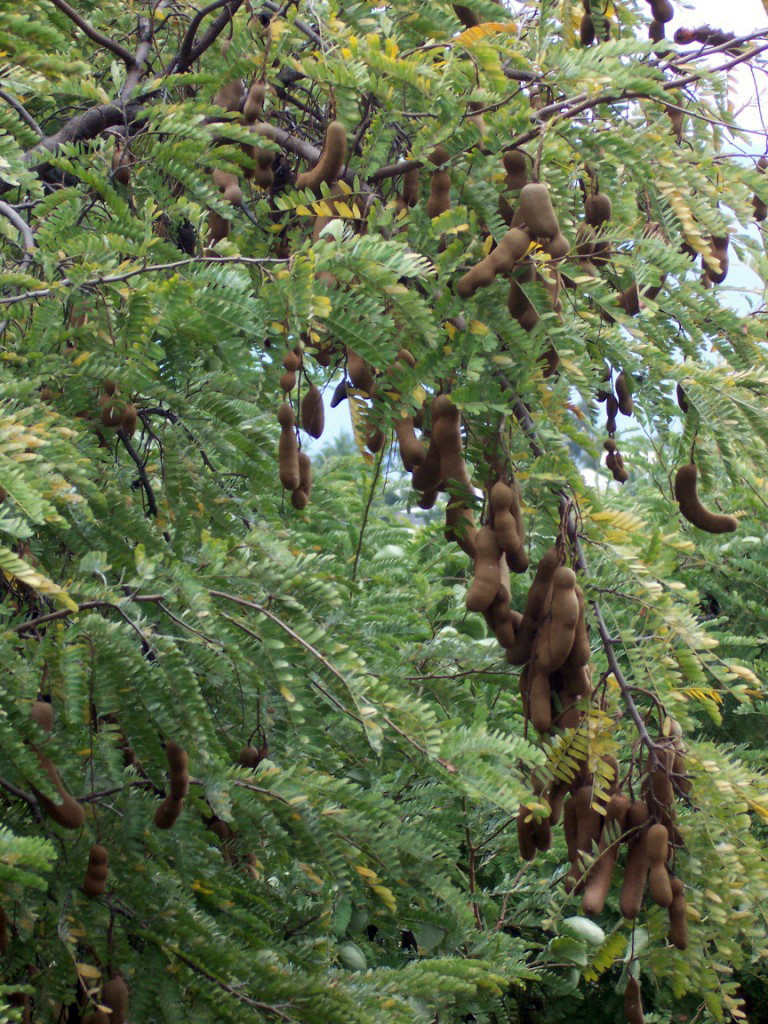 🇸🇩 Sudan and 5 moreTamarind
The sweet and sour pulp of a tropical tree pod used in sauces and drinks.Fruit · Sweet and mellow · Sour and tart
🇸🇩 Sudan and 5 moreTamarind
The sweet and sour pulp of a tropical tree pod used in sauces and drinks.Fruit · Sweet and mellow · Sour and tart
Photo credits on this page
The small pictures above come from Wikimedia Commons under free licences. Some are cropped to fit.
- Epazote: Francisco Manuel Blanco (O.S.A.), Public domain, source
- Bay leaf: Χρήστης:Andrikkos / The original uploader was Andrikkos at Greek Wikip, Public domain, source
- Siling labuyo: Obsidian Soul, CC BY-SA 4.0, source
- Indonesian cinnamon: Forest & Kim Starr, CC BY 3.0, source
- Pandan: Zuhairali, CC BY-SA 3.0, source
- Tabasco pepper: Unknown author, Public domain, source
- Turmeric: J.M.Garg, CC BY 3.0, source
- Annatto: Porto Neto, CC BY-SA 4.0, source
- Indian prickly ash: Didier Descouens, CC BY-SA 4.0, source
- Temulawak: Ariyanto, CC BY-SA 4.0, source
- Greater galangal: Raffi Kojian, CC BY-SA 3.0, source
- Siling haba: Bagoto, CC BY-SA 4.0, source
- Tamarind: B.navez, CC BY 2.5, source
- Kaffir lime: David Monniaux, CC BY-SA 3.0, source
- Lemon basil: Kembangraps, CC BY-SA 3.0, source
- Lemongrass: Unknown author, CC BY 2.0, source
The weekly digest
Every Monday: seven spices you may not know, what is cooking this week, and one blend explained step by step.