
Tabasco pepper
Capsicum frutescens 'Tabasco'
A hot chili cultivar from Mexico, prized for its bright red fruit and role in famous sauces.
The Tabasco pepper is a chili cultivar from Mexico that produces small, erect fruits ranging from pale green to vivid red. It delivers a sharp heat between 30,000 and 50,000 Scoville units and is primarily grown to make peppered vinegar and hot sauce.
- Erect fruits remain upright on the stem rather than hanging down.
- Heat ranges from 30,000 to 50,000 Scoville Heat Units.
- Tobacco mosaic virus caused major crop losses in the 1960s.
- Greenleaf tabasco was developed around 1970 for virus resistance.
- Plants require soil temperatures above 10°C to grow outside native habitats.
What is Tabasco pepper?
The Tabasco pepper is a cultivated variety of the chili species Capsicum frutescens. The plant grows as a compact bush, reaching up to 1.5 meters tall. Its flowers are cream-colored, leading to tapered fruits about 4 centimeters long. Unlike many peppers that droop, these fruits stand upright on the stem. The skin shifts from pale yellowish-green through yellow and orange stages before maturing to a bright red. The pepper registers between 30,000 and 50,000 on the Scoville scale, marking it as a moderately hot chili.
Where does Tabasco pepper come from?
This cultivar traces its roots to the Mexican state of Tabasco, which gives the pepper its name. The initial letter remains lowercase when discussing the botanical variety but capitalizes when referring to the region or the well-known sauce brand. While the plant thrives in its native climate, growers elsewhere must replicate its need for sustained warmth to encourage successful growth and fruit production.
What does Tabasco pepper taste like?
The primary characteristic of this chili is its intense heat, driven by capsaicin compounds that rate between 30,000 and 50,000 Scoville Heat Units. The flavor profile focuses on this sharp pungency rather than complex aromatic notes. The heat builds steadily, making it suitable for applications where a clean, fiery kick is desired without overwhelming sweetness or smokiness.
How Tabasco pepper is grown and processed
Cultivation requires a warm environment with temperatures ideally between 25 and 30 degrees Celsius for germination. Plants prefer fertile, lightweight soil with a slightly acidic pH between 5.5 and 7.0. Growers supply steady water and ensure the soil contains phosphorus, potassium, and calcium while keeping nitrogen levels low to support fruit development. Commercial growers often trim the bushes to strengthen growth. In cooler regions, planting occurs weeks after the last frost once soil temperatures rise above 10 degrees Celsius.
Tabasco pepper, drawn
How Tabasco pepper is used
The pepper is most widely recognized as the key ingredient in Tabasco sauce, a fermented condiment made with salt and vinegar. It is also processed into peppered vinegar, which serves as a base for various culinary preparations. The fruits are typically harvested when fully ripe and bright red to maximize their heat potential and vibrant color for these liquid products.
Tabasco pepper in the world's kitchens
Mexican cuisine utilizes this pepper, particularly in the southern regions where the climate supports its growth. The cultivar has become integral to regional flavor profiles, especially in sauces and vinegars that accompany local dishes. Its adaptability allows it to be grown outside Mexico, though it demands careful temperature management to yield quality fruit.
At a glance: where it turns up
Cuisines

The trade in Tabasco pepper
Commercial production faced challenges in the mid-twentieth century when tobacco mosaic virus devastated crops. By the 1960s, significant stock loss prompted the development of resistant strains. Around 1970, the Greenleaf tabasco variety emerged, offering improved durability against viral infections while maintaining the pepper's distinctive heat and appearance for global markets.
Questions people ask about Tabasco pepper
Where does the Tabasco pepper originate?
It originates from the Mexican state of Tabasco, which shares its name. The region provides the warm climate necessary for the plant to thrive and produce its characteristic fruits.
How hot is a Tabasco pepper?
It rates between 30,000 and 50,000 on the Scoville scale, making it moderately hot. This level of heat provides a sharp punch without being overwhelmingly intense compared to superhot varieties.
What does the Tabasco pepper taste like?
It offers a sharp, clean heat with little flavor complexity beyond its pungency. The taste is defined by its capsaicin-driven burn rather than sweet or smoky notes.
How is the Tabasco pepper used?
It is primarily processed into Tabasco sauce and peppered vinegar for culinary use. These condiments rely on the pepper's heat and color to enhance savory dishes.
What conditions do Tabasco peppers need to grow?
They require warm temperatures between 25–30°C and well-drained, slightly acidic soil rich in phosphorus and potassium. Low nitrogen levels help prevent excessive leaf growth at the expense of fruit.
Good reading and sources
- Tabasco pepper on WikipediaEncyclopedia
- More photos on Wikimedia CommonsPhotos and video
- Wikidata recordOpen data
The facts on this page come from the Wikipedia article "Tabasco pepper", written by its contributors and used under the CC BY-SA 4.0 licence, and from its Wikidata record (CC0). EveryMasala rewrote the text in its own words, with AI assistance, and compares every page with the article to make sure no passage is copied. It may be reused under the same CC BY-SA 4.0 licence with a link back.
It may contain mistakes. Names, strengths and customs differ from one grower, kitchen or shop to the next. Traditional and medicinal uses are described as tradition, never as medical advice, and none of this is a substitute for a doctor. If something is wrong, tell us. Last refreshed 2026-10-04.
More from Mexico
All the spices of Mexico 🇵🇪 Peru and 5 moreChili pepperchīlli
The pungent berry of the Capsicum plant, used to add heat to dishes worldwide.Fruit · Hot and fiery · Earthy and deep
🇵🇪 Peru and 5 moreChili pepperchīlli
The pungent berry of the Capsicum plant, used to add heat to dishes worldwide.Fruit · Hot and fiery · Earthy and deep
 🇲🇽 Mexico and 1 moreChipotle
Smoke-dried ripe jalapeño peppers used in Mexican and Tex-Mex cookingChilli · Hot and fiery · Smoky
🇲🇽 Mexico and 1 moreChipotle
Smoke-dried ripe jalapeño peppers used in Mexican and Tex-Mex cookingChilli · Hot and fiery · Smoky
 🇲🇽 Mexico and 5 moreJalapeño
A medium-sized Capsicum annuum cultivar from Mexico known for its green pods and moderate heat.Chilli · Hot and fiery · Earthy and deep
🇲🇽 Mexico and 5 moreJalapeño
A medium-sized Capsicum annuum cultivar from Mexico known for its green pods and moderate heat.Chilli · Hot and fiery · Earthy and deep
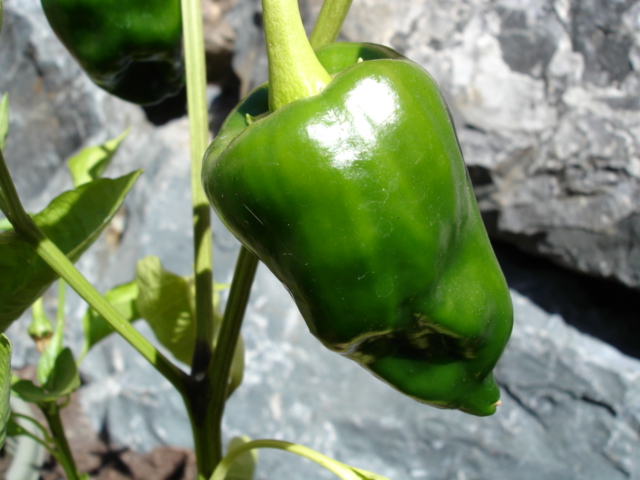 🇲🇽 Mexico and 1 morePoblano
A mild Mexican chili pepper that becomes the dried ancho when mature.Chilli · Sweet and mellow · Hot and fiery
🇲🇽 Mexico and 1 morePoblano
A mild Mexican chili pepper that becomes the dried ancho when mature.Chilli · Sweet and mellow · Hot and fiery
Its cousins elsewhere
All chilli 🇳🇵 Nepal and 2 moreDalle Khursaniडल्ले खुर्सानी
A round, fiery chilli from the Himalayas, known for its intense heat and vitamin content.Chilli · Hot and fiery
🇳🇵 Nepal and 2 moreDalle Khursaniडल्ले खुर्सानी
A round, fiery chilli from the Himalayas, known for its intense heat and vitamin content.Chilli · Hot and fiery
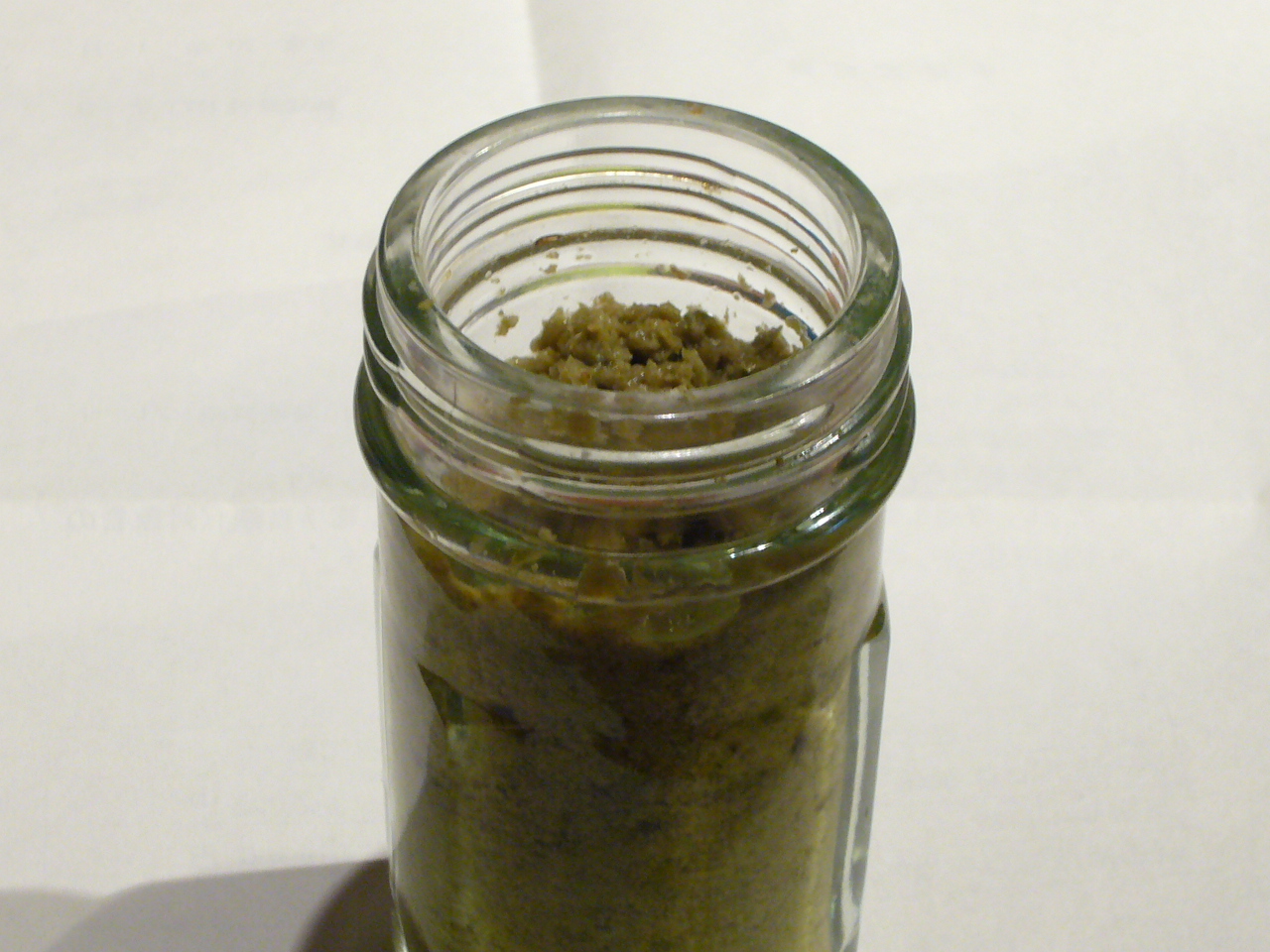 🇯🇵 JapanYuzu koshō柚子胡椒
A fermented Japanese paste of chili peppers and yuzu citrus peel.Paste · Hot and fiery · Citrus and bright
🇯🇵 JapanYuzu koshō柚子胡椒
A fermented Japanese paste of chili peppers and yuzu citrus peel.Paste · Hot and fiery · Citrus and bright
 🇯🇵 JapanKarashiからし
A potent Japanese mustard made from brown mustard seeds, served as a sharp condiment.Seed · Hot and fiery · Sharp and pungent
🇺🇸 United StatesHabanaga pepper
A hot New Mexican chilli born from an accidental habanero and ghost pepper crossChilli · Hot and fiery
🇯🇵 JapanKarashiからし
A potent Japanese mustard made from brown mustard seeds, served as a sharp condiment.Seed · Hot and fiery · Sharp and pungent
🇺🇸 United StatesHabanaga pepper
A hot New Mexican chilli born from an accidental habanero and ghost pepper crossChilli · Hot and fiery