
Common thyme
Thymus vulgaris
A woody Mediterranean herb with small grey-green leaves and a sharp, spicy-sweet flavour.
This evergreen subshrub belongs to the mint family and is native to southern Europe. Its tiny leaves provide a taste that sits between the spiciness of oregano and the sweetness of sage, making it a staple in many kitchens.
- Native to southern Europe and western Mediterranean.
- Forms a woody, evergreen subshrub up to 30cm tall.
- Flavor is spicier than oregano and sweeter than sage.
- Produces purple or pink flowers in early summer.
- Contains thymol, a compound used in herbal medicine.
What is Common thyme?
Common thyme is a low-growing plant that reaches about thirty centimetres in height. It develops a woody base and stays green throughout the year. The foliage consists of tiny leaves that are grey-green in colour. These leaves release a strong scent when handled. In early summer, the plant produces small blooms that appear in shades of purple or pink. The specific name indicates its widespread nature across its native range.
Where does Common thyme come from?
The species originates from the southern part of Europe. Its natural range extends from the western Mediterranean coast up to southern Italy. The Latin term used for the plant translates to common, reflecting how widely it grows in these areas without needing special cultivation.
What does Common thyme taste like?
The taste profile is distinct among herbs. It carries a sharper bite than oregano but lacks the earthy heaviness of sage. Instead, it offers a sweeter note alongside its pungency. This balance comes from essential oils concentrated in the small leaves. The aroma is herbal and slightly citrus-like, providing depth to cooked dishes.
How Common thyme is grown and processed
Growers cultivate this plant as a groundcover in gardens. It forms a dense mat that spreads outward. While individual stems may not last forever, the plant regenerates easily. Gardeners propagate new specimens by taking cuttings from existing bushes. Various hybrids exist, differing in leaf shape and oil content. Some varieties feature silver or white-edged leaves for ornamental appeal.
Common thyme, drawn
How Common thyme is used
Cooking relies heavily on the dried or fresh leaves. Chefs use them to season meats, soups, and stews. The herb adds a savory layer to roasted vegetables and sauces. Because the flavor is potent, only small amounts are needed. It pairs well with garlic and lemon. The leaves are often tied in bundles for slow cooking or removed before serving.
Common thyme in the world's kitchens
Italian cooking utilizes this herb extensively. It forms a core component of regional seasoning blends. Southern European kitchens rely on it for everyday flavoring. The herb complements tomato-based sauces and olive oil dressings. Other Mediterranean cuisines share similar usage patterns, valuing its ability to enhance simple ingredients.
At a glance: where it turns up


Spiritual and ceremonial use
No specific religious rituals or offerings are tied to this plant in the provided records. It does not hold a designated place in sacred dietary laws or ceremonial feasts within the documented traditions.
Common thyme at celebrations
There are no recorded festivals or holiday celebrations associated with this spice. It is not linked to weddings, births, or harvest ceremonies in the available information.
Traditional and medicinal use
Herbal medicine has historically employed thyme for its properties. Traditional practitioners used it to support respiratory health. Modern science identifies thymol as a key chemical compound responsible for its effects. Users should consult medical professionals for advice rather than relying solely on folk remedies.
Buying and storing Common thyme
Keep dried leaves in an airtight container away from light. Fresh sprigs can be refrigerated for short periods. Proper storage preserves the essential oils that give the herb its character. Discard leaves that have lost their color or scent.
What to use instead of Common thyme
Oregano serves as a close alternative due to similar intensity. Sage provides a comparable herbal quality but with less sweetness. Marjoram is another option for those seeking a milder version. No single herb perfectly replicates the unique blend of sharpness and sweetness found in thyme.
The trade in Common thyme
Commercial production focuses on high-quality essential oils. Farmers grow specific cultivars to maximize oil yield. The market values consistency in flavor and aroma. Adulteration is rare due to the distinct chemical signature of the leaves. Certification ensures purity for culinary and medicinal applications.
Meal
Diners encounter this herb during main courses. It features prominently in lunch and dinner preparations. Cooks add it to braises and roasts for evening meals. It also appears in lighter midday dishes like salads or grilled items. The herb is rarely used for breakfast or sweet desserts.
Questions people ask about Common thyme
What does common thyme taste like?
It offers a pungent, herbal flavor that is sharper than oregano but sweeter than sage. The taste comes from essential oils in the small grey-green leaves, providing a subtle warmth without heat.
Where is thyme originally from?
Thymus vulgaris is native to southern Europe. Its natural habitat stretches from the western Mediterranean region up to southern Italy, where it grows wild in dry, sunny conditions.
How do you grow thyme in a garden?
It grows as a low, woody subshrub suitable for groundcover. Gardeners propagate it easily using cuttings. It thrives in well-drained soil and full sun, producing small blooms in early summer.
Is thyme used in traditional medicine?
Yes, it has been used in herbal medicine for centuries. The plant contains thymol, a chemical compound believed to have antimicrobial properties. Traditional uses focus on supporting respiratory health.
Good reading and sources
- Thymus vulgaris on WikipediaEncyclopedia
- More photos on Wikimedia CommonsPhotos and video
- Wikidata recordOpen data
The facts on this page come from the Wikipedia article "Thymus vulgaris", written by its contributors and used under the CC BY-SA 4.0 licence, and from its Wikidata record (CC0). EveryMasala rewrote the text in its own words, with AI assistance, and compares every page with the article to make sure no passage is copied. It may be reused under the same CC BY-SA 4.0 licence with a link back.
It may contain mistakes. Names, strengths and customs differ from one grower, kitchen or shop to the next. Traditional and medicinal uses are described as tradition, never as medical advice, and none of this is a substitute for a doctor. If something is wrong, tell us. Last refreshed 2026-10-04.
More from Italy
All the spices of Italy 🇬🇧 United Kingdom and 4 moreRock samphire
A coastal succulent with peppery leaves and carrot-scented roots, used fresh or pickled.Leaf · Hot and fiery · Sharp and pungent
🇬🇧 United Kingdom and 4 moreRock samphire
A coastal succulent with peppery leaves and carrot-scented roots, used fresh or pickled.Leaf · Hot and fiery · Sharp and pungent
 🇮🇹 Italy and 5 moreMustard
A pungent paste made from ground mustard seeds mixed with liquid and spices.Paste · Sharp and pungent · Hot and fiery
🇮🇹 Italy and 5 moreMustard
A pungent paste made from ground mustard seeds mixed with liquid and spices.Paste · Sharp and pungent · Hot and fiery
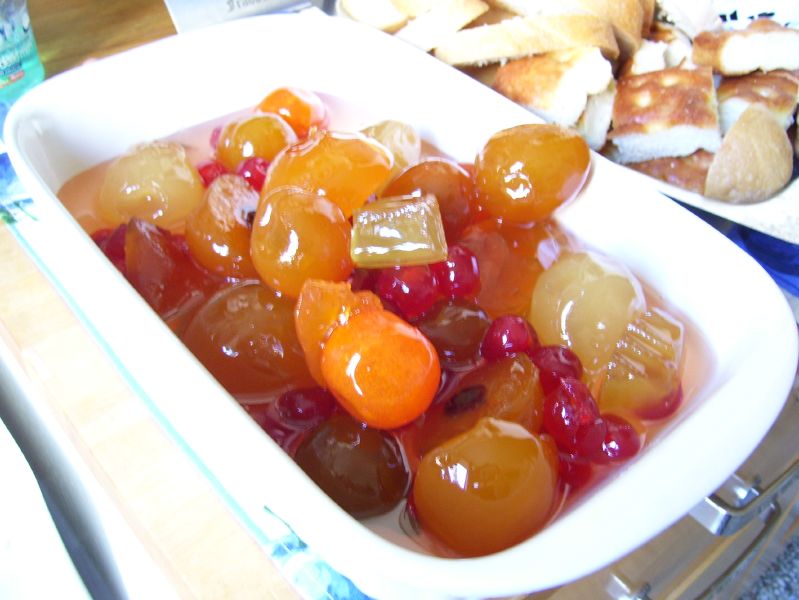 🇮🇹 ItalyMostardamostarda di frutta
A northern Italian condiment of candied fruit in a sharp mustard syrupBlend · Sweet and mellow · Sharp and pungent
🇮🇹 ItalyMostardamostarda di frutta
A northern Italian condiment of candied fruit in a sharp mustard syrupBlend · Sweet and mellow · Sharp and pungent
 🇮🇹 ItalyRed Sulmona GarlicAglio rosso di Sulmona
A traditional garlic cultivar from the Abruzzo region of Italy, grown on the Sulmona plateau.Bulb · Sharp and pungent · Earthy and deep
🇮🇹 ItalyRed Sulmona GarlicAglio rosso di Sulmona
A traditional garlic cultivar from the Abruzzo region of Italy, grown on the Sulmona plateau.Bulb · Sharp and pungent · Earthy and deep
Its cousins elsewhere
All leaf 🇱🇰 Sri Lanka and 5 moreCinnamon
The dried inner bark of Cinnamomum trees, prized for its sweet warmth and essential oil.Bark · Warm and sweet-spiced · Sweet and mellow
🇱🇰 Sri Lanka and 5 moreCinnamon
The dried inner bark of Cinnamomum trees, prized for its sweet warmth and essential oil.Bark · Warm and sweet-spiced · Sweet and mellow
 🇬🇷 Greece and 4 moreParsley
A bright green herb from the celery family, used fresh across Europe and the Middle East.Leaf · Bitter · Herbal and green
🇬🇷 Greece and 4 moreParsley
A bright green herb from the celery family, used fresh across Europe and the Middle East.Leaf · Bitter · Herbal and green
 🇮🇩 Indonesia and 3 moreNutmeg
The dried seed of a tropical evergreen tree, prized for its warm, pungent flavor.Seed · Warm and sweet-spiced · Sweet and mellow
🇮🇩 Indonesia and 3 moreNutmeg
The dried seed of a tropical evergreen tree, prized for its warm, pungent flavor.Seed · Warm and sweet-spiced · Sweet and mellow
 🇷🇺 Russia and 4 moreTarragon
A slender perennial herb with anise-scented leaves, prized in French and Middle Eastern cooking.Leaf · Anise and liquorice · Sweet and mellow
🇷🇺 Russia and 4 moreTarragon
A slender perennial herb with anise-scented leaves, prized in French and Middle Eastern cooking.Leaf · Anise and liquorice · Sweet and mellow