Spices for snacks and tea time
Spiced nuts, crisps, fritters, chaat and everything eaten between meals.
Snacks are where spice is often most playful, with crisp, salty, sour and hot flavours coated in seasoning mixes made to eat between meals.
Savoury snacks
Indian chaat uses chaat masala, with black salt, amchur and cumin. Mexican snacks use chilli and lime, as with tajin on fruit. Japanese rice crackers use shichimi and nori, and North American popcorn and chips use paprika, onion, garlic and cheese powder.
Nuts and seeds
Roasted nuts and seeds are coated in spice mixes from many places, such as dukkah in Egypt, masala peanuts in India and chilli-lime peanuts in Mexico.
Tea time
Tea-time snacks, such as samosas, pakoras, scones and biscuits, bring spice to the afternoon. Cardamom biscuits, ginger cake and spiced fritters are typical.
Snacks and tea time on EveryMasala
The spices written up so far, best known first.
 🇮🇳 India and 4 moreBasil
A tender culinary herb with glossy leaves and a licorice-like aroma, native to tropical Asia.Leaf · Anise and liquorice · Warm and sweet-spiced
🇮🇳 India and 4 moreBasil
A tender culinary herb with glossy leaves and a licorice-like aroma, native to tropical Asia.Leaf · Anise and liquorice · Warm and sweet-spiced
 🇬🇷 Greece and 4 moreParsley
A bright green herb from the celery family, used fresh across Europe and the Middle East.Leaf · Bitter · Herbal and green
🇬🇷 Greece and 4 moreParsley
A bright green herb from the celery family, used fresh across Europe and the Middle East.Leaf · Bitter · Herbal and green
 🇷🇺 Russia and 4 moreTarragon
A slender perennial herb with anise-scented leaves, prized in French and Middle Eastern cooking.Leaf · Anise and liquorice · Sweet and mellow
🇷🇺 Russia and 4 moreTarragon
A slender perennial herb with anise-scented leaves, prized in French and Middle Eastern cooking.Leaf · Anise and liquorice · Sweet and mellow
 🇵🇸 Palestine and 4 moreGreek sage
A hairy Mediterranean shrub with pink flowers and edible fruit galls.Leaf · Herbal and green · Sweet and mellow
🇵🇸 Palestine and 4 moreGreek sage
A hairy Mediterranean shrub with pink flowers and edible fruit galls.Leaf · Herbal and green · Sweet and mellow
 🇬🇧 United Kingdom and 4 moreRock samphire
A coastal succulent with peppery leaves and carrot-scented roots, used fresh or pickled.Leaf · Hot and fiery · Sharp and pungent
🇬🇧 United Kingdom and 4 moreRock samphire
A coastal succulent with peppery leaves and carrot-scented roots, used fresh or pickled.Leaf · Hot and fiery · Sharp and pungent
 🇺🇸 United States and 5 moreGingermint
A sterile mint hybrid grown for essential oil and chewing gum flavour.Herbal and green · Sweet and mellow
🇺🇸 United States and 5 moreGingermint
A sterile mint hybrid grown for essential oil and chewing gum flavour.Herbal and green · Sweet and mellow
 🇺🇸 United States and 1 moreCalifornian white sage
An aromatic desert shrub whose seeds flavour maize foods and roots make tonic teaSeed · Herbal and green · Sharp and pungent
🇺🇸 United States and 1 moreCalifornian white sage
An aromatic desert shrub whose seeds flavour maize foods and roots make tonic teaSeed · Herbal and green · Sharp and pungent
 🇭🇹 HaitiEpis
A blended flavor base of peppers, garlic, and herbs essential to Haitian cookingHot and fiery · Sharp and pungent
🇭🇹 HaitiEpis
A blended flavor base of peppers, garlic, and herbs essential to Haitian cookingHot and fiery · Sharp and pungent
 🇮🇳 India and 2 moreBay leaf
The dried or fresh leaves of the laurel tree, used to infuse depth into slow-cooked dishes.Leaf · Herbal and green · Sharp and pungent
🇮🇳 India and 2 moreBay leaf
The dried or fresh leaves of the laurel tree, used to infuse depth into slow-cooked dishes.Leaf · Herbal and green · Sharp and pungent
 🇫🇷 France and 3 moreHerbes de Provenceèrbas de Provença
A dried herb blend from southwestern France, now a global kitchen staple.Warm and sweet-spiced · Herbal and green
🇫🇷 France and 3 moreHerbes de Provenceèrbas de Provença
A dried herb blend from southwestern France, now a global kitchen staple.Warm and sweet-spiced · Herbal and green
 🇬🇷 Greece and 4 moreThyme
The dried leaves of a Mediterranean mint-family herb, used to perfume stews and baths alike.Leaf · Earthy and deep · Warm and sweet-spiced
🇬🇷 Greece and 4 moreThyme
The dried leaves of a Mediterranean mint-family herb, used to perfume stews and baths alike.Leaf · Earthy and deep · Warm and sweet-spiced
 🇳🇵 Nepal and 1 moreJimbu
A dried wild onion herb from the Himalayas, used to season lentils and meat.Leaf · Sharp and pungent · Herbal and green
🇺🇸 United StatesMrs. Burns' Lemon Basil
An heirloom sweet basil cultivar from New Mexico with intense lemon flavor and large leaves.Leaf · Citrus and bright · Floral and perfumed
🇳🇵 Nepal and 1 moreJimbu
A dried wild onion herb from the Himalayas, used to season lentils and meat.Leaf · Sharp and pungent · Herbal and green
🇺🇸 United StatesMrs. Burns' Lemon Basil
An heirloom sweet basil cultivar from New Mexico with intense lemon flavor and large leaves.Leaf · Citrus and bright · Floral and perfumed
 🇲🇾 Malaysia and 3 moreKesum
An aromatic herb from Southeast Asia, used fresh in salads and soups.Leaf · Sharp and pungent · Herbal and green
🇲🇾 Malaysia and 3 moreKesum
An aromatic herb from Southeast Asia, used fresh in salads and soups.Leaf · Sharp and pungent · Herbal and green
 🇹🇷 Turkey and 5 moreBay Laurelδάφνη
The dried leaf of a Mediterranean evergreen, used to infuse slow-cooked dishes with herbal depth.Sharp and pungent · Bitter
🇹🇷 Turkey and 5 moreBay Laurelδάφνη
The dried leaf of a Mediterranean evergreen, used to infuse slow-cooked dishes with herbal depth.Sharp and pungent · Bitter
 🇵🇪 Peru and 3 moreBlack mintHuacatay
A South American marigold herb used as a paste or dried seasoning in Andean cookingLeaf · Herbal and green · Sharp and pungent
🇵🇪 Peru and 3 moreBlack mintHuacatay
A South American marigold herb used as a paste or dried seasoning in Andean cookingLeaf · Herbal and green · Sharp and pungent
 🇰🇷 South Korea and 5 moreKorean mint배초향
An anise-scented Asian mint leaf used in Korean stews and herbal traditionsLeaf · Anise and liquorice · Herbal and green
🇰🇷 South Korea and 5 moreKorean mint배초향
An anise-scented Asian mint leaf used in Korean stews and herbal traditionsLeaf · Anise and liquorice · Herbal and green
 🇲🇽 MexicoChile de árbol
A small, fiery Mexican chili pepper known for its grassy heat and bright red dried pods.Chilli · Hot and fiery · Smoky
🇲🇽 MexicoChile de árbol
A small, fiery Mexican chili pepper known for its grassy heat and bright red dried pods.Chilli · Hot and fiery · Smoky
 🇻🇳 Vietnam and 4 moreLolot pepperlá lốt
The heart-shaped leaf of a creeping vine, used to wrap and flavor grilled meats in Southeast Asia.Smoky · Herbal and green
🇻🇳 Vietnam and 4 moreLolot pepperlá lốt
The heart-shaped leaf of a creeping vine, used to wrap and flavor grilled meats in Southeast Asia.Smoky · Herbal and green
 🇰🇭 Cambodia and 5 moreVietnamese corianderrau răm
The fresh leaves of a tropical herb used in Southeast Asian soups and saladsLeaf · Citrus and bright · Sharp and pungent
🇰🇭 Cambodia and 5 moreVietnamese corianderrau răm
The fresh leaves of a tropical herb used in Southeast Asian soups and saladsLeaf · Citrus and bright · Sharp and pungent
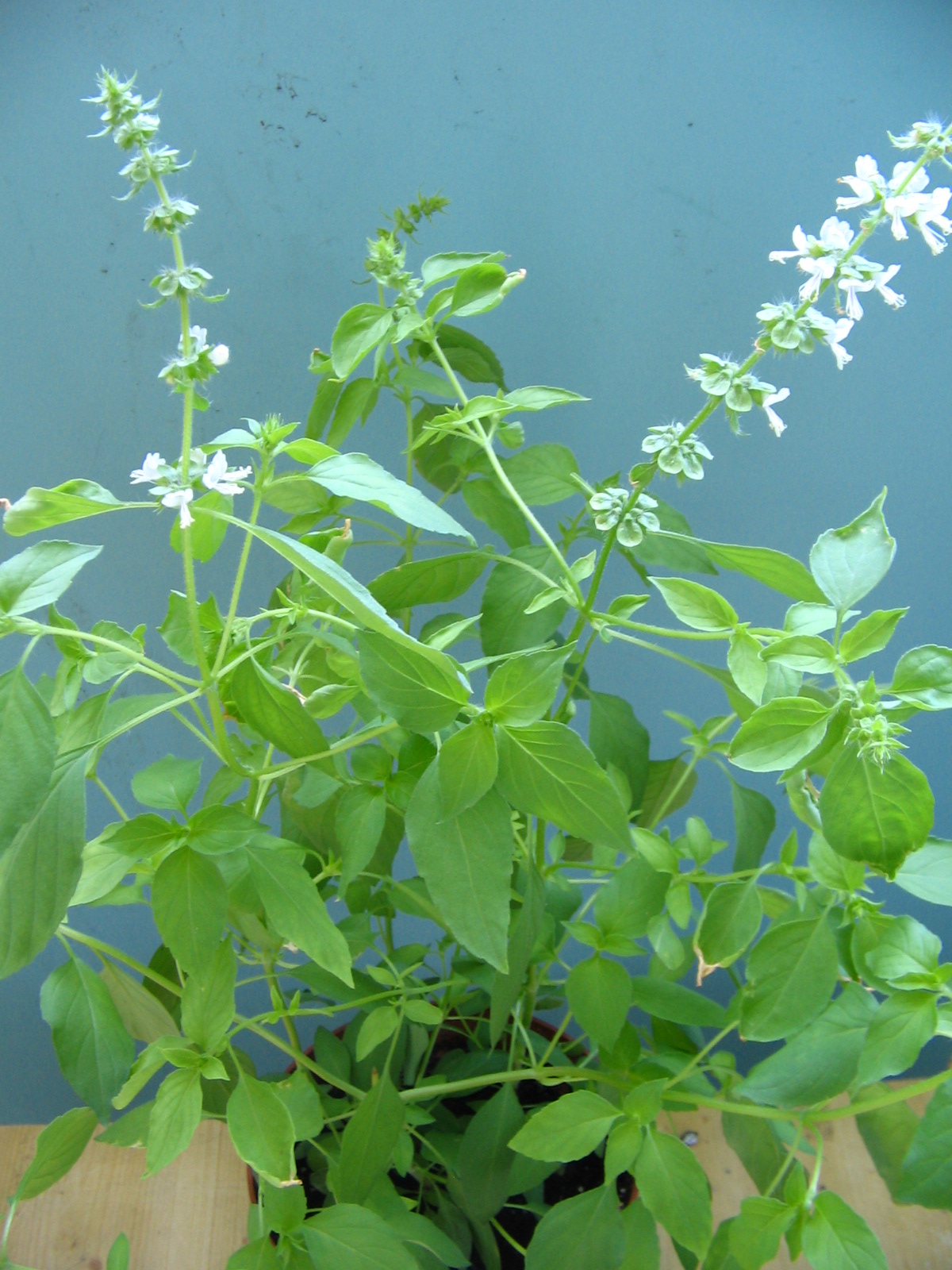 🇱🇦 Laos and 5 moreLemon basil
A hybrid herb with a bright citrus scent, used across Southeast Asia and Africa.Leaf · Citrus and bright · Herbal and green
🇱🇦 Laos and 5 moreLemon basil
A hybrid herb with a bright citrus scent, used across Southeast Asia and Africa.Leaf · Citrus and bright · Herbal and green
 🇨🇳 China and 5 moreShiso紫蘇
A mint-family herb with serrated leaves, used fresh or pickled across East Asia.Leaf · Herbal and green · Sharp and pungent
🇨🇳 China and 5 moreShiso紫蘇
A mint-family herb with serrated leaves, used fresh or pickled across East Asia.Leaf · Herbal and green · Sharp and pungent
 🇹🇷 Turkey and 5 moreBlack cumin
The tiny black seed of a wild annual flower, used across the Middle East and South Asia.Seed · Sharp and pungent · Herbal and green
🇹🇷 Turkey and 5 moreBlack cumin
The tiny black seed of a wild annual flower, used across the Middle East and South Asia.Seed · Sharp and pungent · Herbal and green
 🇻🇳 Vietnam and 4 moreHouttuynia折耳根
A heart-shaped herb with a sharp fishy taste used in salads and teas across Asia.Leaf · Sharp and pungent · Citrus and bright
🇻🇳 Vietnam and 4 moreHouttuynia折耳根
A heart-shaped herb with a sharp fishy taste used in salads and teas across Asia.Leaf · Sharp and pungent · Citrus and bright
 🇵🇸 Palestine and 4 moreSyrian oreganoزَعْتَر
The aromatic herb native to the Levant, essential for making za'atar.Warm and sweet-spiced · Herbal and green
🇵🇸 Palestine and 4 moreSyrian oreganoزَعْتَر
The aromatic herb native to the Levant, essential for making za'atar.Warm and sweet-spiced · Herbal and green
Photo credits on this page
The small pictures above come from Wikimedia Commons under free licences. Some are cropped to fit.
- Parsley: H. Zell, CC BY-SA 3.0, source
- Bay leaf: Χρήστης:Andrikkos / The original uploader was Andrikkos at Greek Wikip, Public domain, source
- Black cumin: AndreHolz at English Wikipedia, CC BY-SA 3.0, source
- Jimbu: CJoshi0, CC BY-SA 4.0, source
- Houttuynia: Agnieszka Kwiecień, Nova, CC BY-SA 4.0, source
- Syrian oregano: Kippi70, CC BY-SA 3.0, source
- Shiso: Dalgial, CC BY-SA 3.0, source
- Tarragon: KENPEI, CC BY-SA 3.0, source
- Rock samphire: User:Jymm, Public domain, source
- Black mint: Arthur Chapman, CC BY 2.0, source
- Gingermint: SEWilco, CC BY-SA 3.0, source
- Greek sage: This file is a work by Ester Inbar ( user:ST or he:user:ST ). More of, Attribution, source
- Californian white sage: Stan Shebs, CC BY-SA 3.0, source
- Epis: LittleT889, CC BY-SA 4.0, source
- Herbes de Provence: Unknown author, CC BY 2.0, source
- Thyme: Evan-Amos, CC0, source
- Chile de árbol: Cliff Hutson, CC BY 2.0, source
- Lolot pepper: Didier Descouens, CC BY-SA 4.0, source
- Vietnamese coriander: Joditran, CC BY-SA 4.0, source
- Lemon basil: Kembangraps, CC BY-SA 3.0, source
- Korean mint: Dalgial, CC BY-SA 3.0, source
- Kesum: Fornax, CC BY-SA 3.0, source
- Basil: Castielli, CC BY-SA 3.0, source
- Bay Laurel: Forest and Kim Starr, CC BY 3.0 us, source