Spices for snacks and tea time
Spiced nuts, crisps, fritters, chaat and everything eaten between meals.
Snacks are where spice is often most playful, with crisp, salty, sour and hot flavours coated in seasoning mixes made to eat between meals.
Savoury snacks
Indian chaat uses chaat masala, with black salt, amchur and cumin. Mexican snacks use chilli and lime, as with tajin on fruit. Japanese rice crackers use shichimi and nori, and North American popcorn and chips use paprika, onion, garlic and cheese powder.
Nuts and seeds
Roasted nuts and seeds are coated in spice mixes from many places, such as dukkah in Egypt, masala peanuts in India and chilli-lime peanuts in Mexico.
Tea time
Tea-time snacks, such as samosas, pakoras, scones and biscuits, bring spice to the afternoon. Cardamom biscuits, ginger cake and spiced fritters are typical.
Snacks and tea time on EveryMasala
The spices written up so far, best known first.
 🇮🇳 India and 4 moreBasil
A tender culinary herb with glossy leaves and a licorice-like aroma, native to tropical Asia.Leaf · Anise and liquorice · Warm and sweet-spiced
🇮🇳 India and 4 moreBasil
A tender culinary herb with glossy leaves and a licorice-like aroma, native to tropical Asia.Leaf · Anise and liquorice · Warm and sweet-spiced
 🇮🇳 India and 2 moreCardamom
Aromatic seeds from spindle-shaped pods used in sweet and savory dishes across Asia and the Middle East.Seed · Sharp and pungent · Warm and sweet-spiced
🇮🇳 India and 2 moreCardamom
Aromatic seeds from spindle-shaped pods used in sweet and savory dishes across Asia and the Middle East.Seed · Sharp and pungent · Warm and sweet-spiced
 🇲🇽 MexicoPineapple sage
A Mexican shrub with leaves that smell of pineapple and flowers that feed hummingbirdsLeaf · Citrus and bright · Sweet and mellow
🇲🇽 MexicoPineapple sage
A Mexican shrub with leaves that smell of pineapple and flowers that feed hummingbirdsLeaf · Citrus and bright · Sweet and mellow
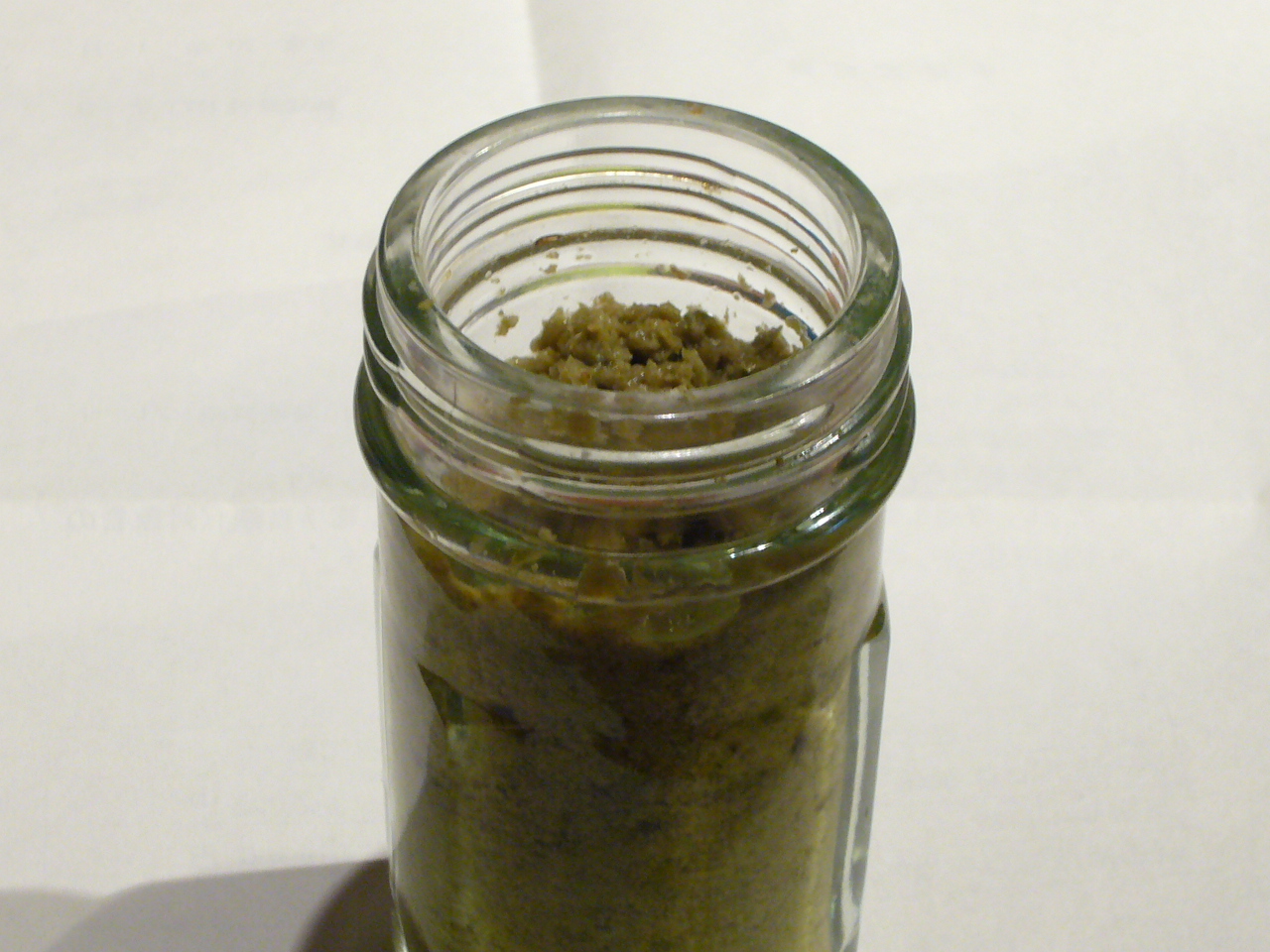 🇯🇵 JapanYuzu koshō柚子胡椒
A fermented Japanese paste of chili peppers and yuzu citrus peel.Paste · Hot and fiery · Citrus and bright
🇯🇵 JapanYuzu koshō柚子胡椒
A fermented Japanese paste of chili peppers and yuzu citrus peel.Paste · Hot and fiery · Citrus and bright
 🇭🇹 HaitiEpis
A blended flavor base of peppers, garlic, and herbs essential to Haitian cookingHot and fiery · Sharp and pungent
🇭🇹 HaitiEpis
A blended flavor base of peppers, garlic, and herbs essential to Haitian cookingHot and fiery · Sharp and pungent
 🇺🇸 United StatesCarolina Reaper
A gnarled red cultivar of Capsicum chinense bred in South Carolina for extreme heat.Chilli · Hot and fiery · Sweet and mellow
🇺🇸 United StatesCarolina Reaper
A gnarled red cultivar of Capsicum chinense bred in South Carolina for extreme heat.Chilli · Hot and fiery · Sweet and mellow
 🇲🇽 Mexico and 5 moreHabanero
A very hot chili cultivar with a floral aroma, native to the Amazon and grown in Mexico.Fruit · Hot and fiery · Floral and perfumed
🇲🇽 Mexico and 5 moreHabanero
A very hot chili cultivar with a floral aroma, native to the Amazon and grown in Mexico.Fruit · Hot and fiery · Floral and perfumed
 🇱🇧 Lebanon and 5 moreZa'atarزَعْتَر
A Levantine blend of dried herbs, sumac, sesame seeds, and salt used in breads and dips.Blend · Earthy and deep · Citrus and bright
🇱🇧 Lebanon and 5 moreZa'atarزَعْتَر
A Levantine blend of dried herbs, sumac, sesame seeds, and salt used in breads and dips.Blend · Earthy and deep · Citrus and bright
 🇨🇳 China and 4 moreFingerrootกระชาย
The finger-shaped rhizome of a tropical ginger relative, used fresh or pickled in Southeast Asian cooking.Sharp and pungent · Citrus and bright
🇨🇳 China and 4 moreFingerrootกระชาย
The finger-shaped rhizome of a tropical ginger relative, used fresh or pickled in Southeast Asian cooking.Sharp and pungent · Citrus and bright
 🇬🇷 Greece and 4 moreThyme
The dried leaves of a Mediterranean mint-family herb, used to perfume stews and baths alike.Leaf · Earthy and deep · Warm and sweet-spiced
🇬🇷 Greece and 4 moreThyme
The dried leaves of a Mediterranean mint-family herb, used to perfume stews and baths alike.Leaf · Earthy and deep · Warm and sweet-spiced
 🇯🇵 JapanShichimi七味唐辛子
A Japanese seven-ingredient spice blend for finishing soups and noodlesBlend · Hot and fiery · Citrus and bright
🇯🇵 JapanShichimi七味唐辛子
A Japanese seven-ingredient spice blend for finishing soups and noodlesBlend · Hot and fiery · Citrus and bright
 🇵🇪 Peru and 3 morePink peppercornbaie rose
The dried fruit of Schinus trees, offering a sweet, piney heat distinct from black pepper.Fruit · Sharp and pungent · Citrus and bright
🇵🇪 Peru and 3 morePink peppercornbaie rose
The dried fruit of Schinus trees, offering a sweet, piney heat distinct from black pepper.Fruit · Sharp and pungent · Citrus and bright
 🇮🇳 IndiaAmchoorआमचूर
A sour powder made from dried unripe green mangoes, used to add tang to Indian dishes.Seed · Sour and tart · Citrus and bright
🇮🇳 IndiaAmchoorआमचूर
A sour powder made from dried unripe green mangoes, used to add tang to Indian dishes.Seed · Sour and tart · Citrus and bright
 🇰🇭 CambodiaKampot pepperម្រេចកំពត
A Cambodian cultivar of black pepper with a protected geographical indication status.Seed · Sharp and pungent · Earthy and deep
🇰🇭 CambodiaKampot pepperម្រេចកំពត
A Cambodian cultivar of black pepper with a protected geographical indication status.Seed · Sharp and pungent · Earthy and deep
 🇸🇾 Syria and 5 moreSumac
A tart, crimson spice made from ground berries of the Rhus coriaria shrub.Seed · Sour and tart · Citrus and bright
🇺🇸 United StatesMrs. Burns' Lemon Basil
An heirloom sweet basil cultivar from New Mexico with intense lemon flavor and large leaves.Leaf · Citrus and bright · Floral and perfumed
🇸🇾 Syria and 5 moreSumac
A tart, crimson spice made from ground berries of the Rhus coriaria shrub.Seed · Sour and tart · Citrus and bright
🇺🇸 United StatesMrs. Burns' Lemon Basil
An heirloom sweet basil cultivar from New Mexico with intense lemon flavor and large leaves.Leaf · Citrus and bright · Floral and perfumed
 🇵🇪 PeruLemon Drop pepperají limón
A bright yellow, citrus-flavored chilli from Peru's highlands.Hot and fiery · Citrus and bright
🇵🇪 PeruLemon Drop pepperají limón
A bright yellow, citrus-flavored chilli from Peru's highlands.Hot and fiery · Citrus and bright
 🇬🇳 Guinea and 5 moreGrains of paradise
The pungent, citrus-tinged seeds of a West African ginger relative.Seed · Sharp and pungent · Hot and fiery
🇬🇳 Guinea and 5 moreGrains of paradise
The pungent, citrus-tinged seeds of a West African ginger relative.Seed · Sharp and pungent · Hot and fiery
 🇯🇵 Japan and 1 moreSansho山椒
The dried berries and young leaves of a spiny Japanese shrub, prized for their numbing citrus heat.Seed · Citrus and bright · Numbing and tingling
🇯🇵 Japan and 1 moreSansho山椒
The dried berries and young leaves of a spiny Japanese shrub, prized for their numbing citrus heat.Seed · Citrus and bright · Numbing and tingling
 🇵🇪 Peru and 3 morePink peppercornmulli
The dried pink drupes of the Schinus molle tree, sold as a peppery alternative to black pepper.Fruit · Sharp and pungent · Citrus and bright
🇵🇪 Peru and 3 morePink peppercornmulli
The dried pink drupes of the Schinus molle tree, sold as a peppery alternative to black pepper.Fruit · Sharp and pungent · Citrus and bright
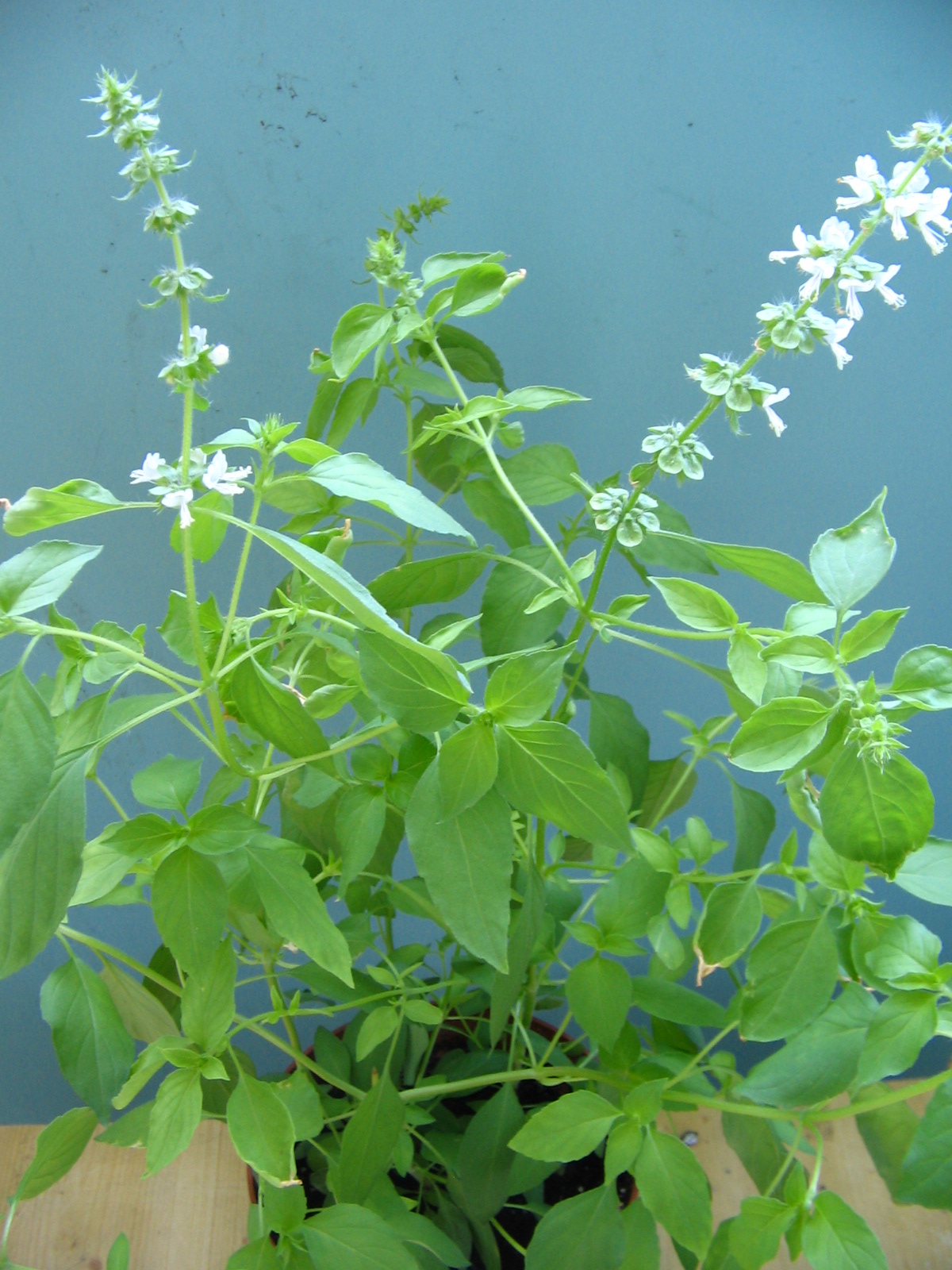 🇱🇦 Laos and 5 moreLemon basil
A hybrid herb with a bright citrus scent, used across Southeast Asia and Africa.Leaf · Citrus and bright · Herbal and green
🇮🇳 India and 3 moreZedoarytemu putih
A bitter rhizome from the ginger family, once common in Austronesian kitchens.Root · Bitter · Sharp and pungent
🇱🇦 Laos and 5 moreLemon basil
A hybrid herb with a bright citrus scent, used across Southeast Asia and Africa.Leaf · Citrus and bright · Herbal and green
🇮🇳 India and 3 moreZedoarytemu putih
A bitter rhizome from the ginger family, once common in Austronesian kitchens.Root · Bitter · Sharp and pungent
 🇹🇭 Thailand and 5 moreKaffir limeมะกรูด
The bumpy-skinned citrus fruit and double-leafed shrub of Southeast AsiaFruit · Citrus and bright · Sharp and pungent
🇹🇭 Thailand and 5 moreKaffir limeมะกรูด
The bumpy-skinned citrus fruit and double-leafed shrub of Southeast AsiaFruit · Citrus and bright · Sharp and pungent
 🇰🇭 Cambodia and 5 moreVietnamese corianderrau răm
The fresh leaves of a tropical herb used in Southeast Asian soups and saladsLeaf · Citrus and bright · Sharp and pungent
🇰🇭 Cambodia and 5 moreVietnamese corianderrau răm
The fresh leaves of a tropical herb used in Southeast Asian soups and saladsLeaf · Citrus and bright · Sharp and pungent
 🇰🇷 South Korea and 5 moreKorean mint배초향
An anise-scented Asian mint leaf used in Korean stews and herbal traditionsLeaf · Anise and liquorice · Herbal and green
🇰🇷 South Korea and 5 moreKorean mint배초향
An anise-scented Asian mint leaf used in Korean stews and herbal traditionsLeaf · Anise and liquorice · Herbal and green
 🇨🇳 China and 5 moreShiso紫蘇
A mint-family herb with serrated leaves, used fresh or pickled across East Asia.Leaf · Herbal and green · Sharp and pungent
🇨🇳 China and 5 moreShiso紫蘇
A mint-family herb with serrated leaves, used fresh or pickled across East Asia.Leaf · Herbal and green · Sharp and pungent
 🇳🇵 Nepal and 5 moreTimurटिमुर
The dried fruit of a Himalayan shrub, prized for its citrus aroma and numbing tingle.Citrus and bright · Numbing and tingling
🇳🇵 Nepal and 5 moreTimurटिमुर
The dried fruit of a Himalayan shrub, prized for its citrus aroma and numbing tingle.Citrus and bright · Numbing and tingling
 🇮🇱 Israel and 5 moreCoriander
The leaves and dried seeds of an annual Mediterranean herb used in cuisines worldwide.Leaf · Citrus and bright · Warm and sweet-spiced
🇮🇱 Israel and 5 moreCoriander
The leaves and dried seeds of an annual Mediterranean herb used in cuisines worldwide.Leaf · Citrus and bright · Warm and sweet-spiced
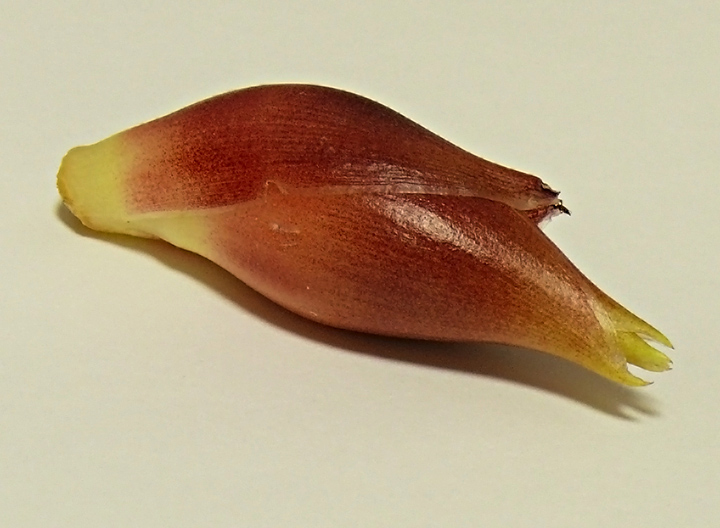 🇯🇵 Japan and 1 moreMyoga茗荷
The edible flower buds and shoots of a woodland ginger native to East Asia.Flower · Sharp and pungent · Citrus and bright
🇯🇵 Japan and 1 moreMyoga茗荷
The edible flower buds and shoots of a woodland ginger native to East Asia.Flower · Sharp and pungent · Citrus and bright
 🇻🇳 Vietnam and 4 moreHouttuynia折耳根
A heart-shaped herb with a sharp fishy taste used in salads and teas across Asia.Leaf · Sharp and pungent · Citrus and bright
🇻🇳 Vietnam and 4 moreHouttuynia折耳根
A heart-shaped herb with a sharp fishy taste used in salads and teas across Asia.Leaf · Sharp and pungent · Citrus and bright
Photo credits on this page
The small pictures above come from Wikimedia Commons under free licences. Some are cropped to fit.
- Yuzu koshō: njt, CC BY-SA 3.0, source
- Houttuynia: Agnieszka Kwiecień, Nova, CC BY-SA 4.0, source
- Sicilian sumac: Dedda71, CC BY-SA 3.0, source
- Epis: LittleT889, CC BY-SA 4.0, source
- Myoga: Mariko GODA, CC BY-SA 3.0, source
- Pink peppercorn: Charles Gadbois, CC BY 3.0, source
- Shiso: Dalgial, CC BY-SA 3.0, source
- Timur: Vinayaraj, CC BY-SA 3.0, source
- Pineapple sage: Eric Hunt, CC BY 2.5, source
- Habanero: André Karwath aka Aka, CC BY-SA 2.5, source
- Pink peppercorn: Milvus, CC BY-SA 3.0, source
- Thyme: Evan-Amos, CC0, source
- Kaffir lime: David Monniaux, CC BY-SA 3.0, source
- Amchoor: Miansari66, Public domain, source
- Vietnamese coriander: Joditran, CC BY-SA 4.0, source
- Korean mint: Dalgial, CC BY-SA 3.0, source
- Cardamom: Didier Descouens, CC BY-SA 4.0, source
- Shichimi: http://www.recipelab.jp/sozai/detail/1779/, CC0, source
- Basil: Castielli, CC BY-SA 3.0, source
- Lemon Drop pepper: User:Carstor, CC BY-SA 3.0, source
- Fingerroot: Ariearsad, CC BY 4.0, source
- Grains of paradise: Lemmikkipuu, CC BY-SA 3.0, source
- Sansho: Didier Descouens, CC BY-SA 4.0, source
- Kampot pepper: PsamatheM, CC BY-SA 4.0, source
- Coriander: Thamizhpparithi Maari, CC BY-SA 3.0, source
- Za'atar: Sjschen, CC BY 3.0, source
- Lemon basil: Kembangraps, CC BY-SA 3.0, source
- Carolina Reaper: Dale Thurber, CC BY-SA 3.0, source