Galangal
Alpinia galanga
The pungent rhizome of the ginger family, essential to Southeast Asian soups and pastes.
Galangal is an aromatic rhizome from the Zingiberaceae family, native to Indonesia and South Asia. It offers a sharp, flowery taste with notes of peppery cinnamon and cardamom, forming the backbone of dishes like Thai tom yum and Indonesian soto.
- Rhizome of the Zingiberaceae family, native to Indonesia.
- Key ingredient in Thai tom yum and Cambodian kroeung.
- Taste described as flowery with peppery cinnamon notes.
- Used traditionally to aid digestion and treat respiratory issues.
- Flavors Polish Żołądkowa Gorzka vodka.
What is Galangal?
Galangal refers to the thick, knobby rhizomes of several plants within the ginger family. While often compared to common ginger, it has a distinct texture and flavor profile. The most widely used variety is greater galangal, though lesser galangal and fingerroot are also culinary staples. The root is hard and fibrous, requiring peeling before use. Its aroma is described as flowery and pine-like, with a sharp bite that lingers on the palate.
Where does Galangal come from?
The spice originates from Indonesia and parts of South Asia. It has been cultivated in Southeast Asia for centuries, becoming integral to local food cultures. Historical records indicate its use in traditional medicine long before it became a kitchen staple. Some varieties were introduced to Europe during medieval times, where they were valued for their medicinal properties rather than culinary ones.
What does Galangal taste like?
The taste is complex, combining heat with floral and citrus notes. It is often described as having a peppery cinnamon quality or resembling ginger mixed with cardamom. Unlike ginger, which is sweet and spicy, galangal is drier and more astringent. The 'hotness' comes from natural compounds that provide a warming sensation without the sugary undertones of related roots.
How Galangal is grown and processed
Galangal thrives in tropical climates similar to those found in Indonesia and Cambodia. It is grown from rhizome cuttings planted in rich, well-drained soil. Harvest occurs when the leaves yellow and die back, usually after several months. The roots are then dug up, cleaned, and either used fresh or dried for storage. Drying reduces moisture and concentrates the intense aromatic oils within the fibrous tissue.
Galangal, drawn
How Galangal is used
In cooking, galangal is a foundational ingredient in many Southeast Asian dishes. It is pounded into pastes like Khmer kroeung or sliced thinly for soups such as tom yum and tom kha gai. In Indonesian cuisine, it flavors broths like soto and opor. The root is typically added whole or bruised to infuse flavor, then removed before serving, as its tough fibers are unpleasant to chew.
Galangal in the world's kitchens
Galangal is central to Khmer, Thai, Lao, Vietnamese, and Malaysian cuisines. In Cambodia, it forms part of the essential kroeung paste base. Thai cooks rely on it for the distinctive taste of coconut-based soups. Indonesian chefs use it extensively in meat and chicken curries. Even Polish cuisine incorporates it, using greater galangal to flavor Żołądkowa Gorzka vodka, showcasing its versatility beyond Asian borders.
At a glance: where it turns up
By meal
Spiritual use
Celebrations
Spiritual and ceremonial use
While not a major ritual object, galangal holds significance in traditional healing systems. It is sometimes included in offerings or herbal bundles within indigenous practices across Southeast Asia. Its strong scent is believed to purify spaces, though specific religious ceremonies involving it are not widely documented in general sources.
Galangal at celebrations
There are no specific festivals or celebrations directly tied to galangal. However, it is a daily staple in households across Indonesia and Cambodia, appearing regularly in family meals. Its presence marks the continuity of traditional cooking methods passed down through generations in these regions.
Traditional and medicinal use
Traditional medicine systems in Asia utilize galangal to aid digestion and treat respiratory issues. Historically, it was prescribed for stomach ailments and heart conditions. Hildegard of Bingen, a medieval German abbess, recommended it for preventing angina. These uses are based on folk knowledge and ethnobotanical traditions rather than modern clinical evidence.
Buying and storing Galangal
Fresh galangal should be stored in a cool, dry place or refrigerated to prevent drying out. It can also be frozen for longer-term storage, retaining its flavor well. When buying, look for firm, smooth roots without mold. Whole dried pieces last longer but may lose some aromatic intensity over time.
What to use instead of Galangal
Ginger is the most common substitute, though it lacks the unique pine-citrus notes. Galbanum or lemongrass may mimic certain aromatic aspects in soups. For greater galangal specifically, no perfect replacement exists, but combining ginger with a touch of cardamom can approximate the complexity in a pinch.
The trade in Galangal
Indonesia remains a primary producer and exporter of galangal. The spice has historically been part of regional trade networks connecting Southeast Asia with China and India. Today, it is available in international markets, often sold fresh in Asian grocery stores or dried in spice shops. Quality varies, with fresh roots preferred for their potent volatile oils.
Meal
This spice is primarily associated with lunch and dinner, particularly in hearty soups and stews. It features prominently in street-food vendors' preparations of spicy noodle soups across Thailand and Vietnam. While less common at breakfast, some traditional Indonesian morning dishes may include small amounts of galangal paste for depth.
Blends with Galangal
Questions people ask about Galangal
What does galangal taste like?
It has a sharp, pungent flavor with floral and citrus notes. Many describe it as similar to ginger but with a distinct peppery cinnamon and cardamom finish. It is drier and more astringent than common ginger.
Where does galangal come from?
It originates from Indonesia and South Asia. It is now widely grown and used throughout Southeast Asia, including in Cambodia, Thailand, Laos, Malaysia, and Vietnam, as well as in some Eastern European recipes.
Can I substitute galangal with ginger?
Ginger is the closest relative and best substitute, but the flavors differ significantly. Ginger is sweeter and spicier, while galangal is more piney and citrusy. For authentic results, try combining ginger with a small amount of cardamom.
How is galangal used in cooking?
It is commonly used in soups like tom yum and tom kha gai, or pounded into pastes like kroeung. It is often added whole or bruised to infuse flavor into broths and stews, then removed before eating due to its tough texture.
Good reading and sources
The facts on this page come from the Wikipedia article "Galangal", written by its contributors and used under the CC BY-SA 4.0 licence, and from its Wikidata record (CC0). EveryMasala rewrote the text in its own words, with AI assistance, and compares every page with the article to make sure no passage is copied. It may be reused under the same CC BY-SA 4.0 licence with a link back.
It may contain mistakes. Names, strengths and customs differ from one grower, kitchen or shop to the next. Traditional and medicinal uses are described as tradition, never as medical advice, and none of this is a substitute for a doctor. If something is wrong, tell us. Last refreshed 2026-10-04.
More from Indonesia
All the spices of Indonesia 🇮🇩 Indonesia and 3 moreTemulawak
The rhizome of a Javanese ginger relative, used for its earthy flavour and traditional wellness drinks.Root · Earthy and deep · Bitter
🇮🇩 Indonesia and 3 moreTemulawak
The rhizome of a Javanese ginger relative, used for its earthy flavour and traditional wellness drinks.Root · Earthy and deep · Bitter
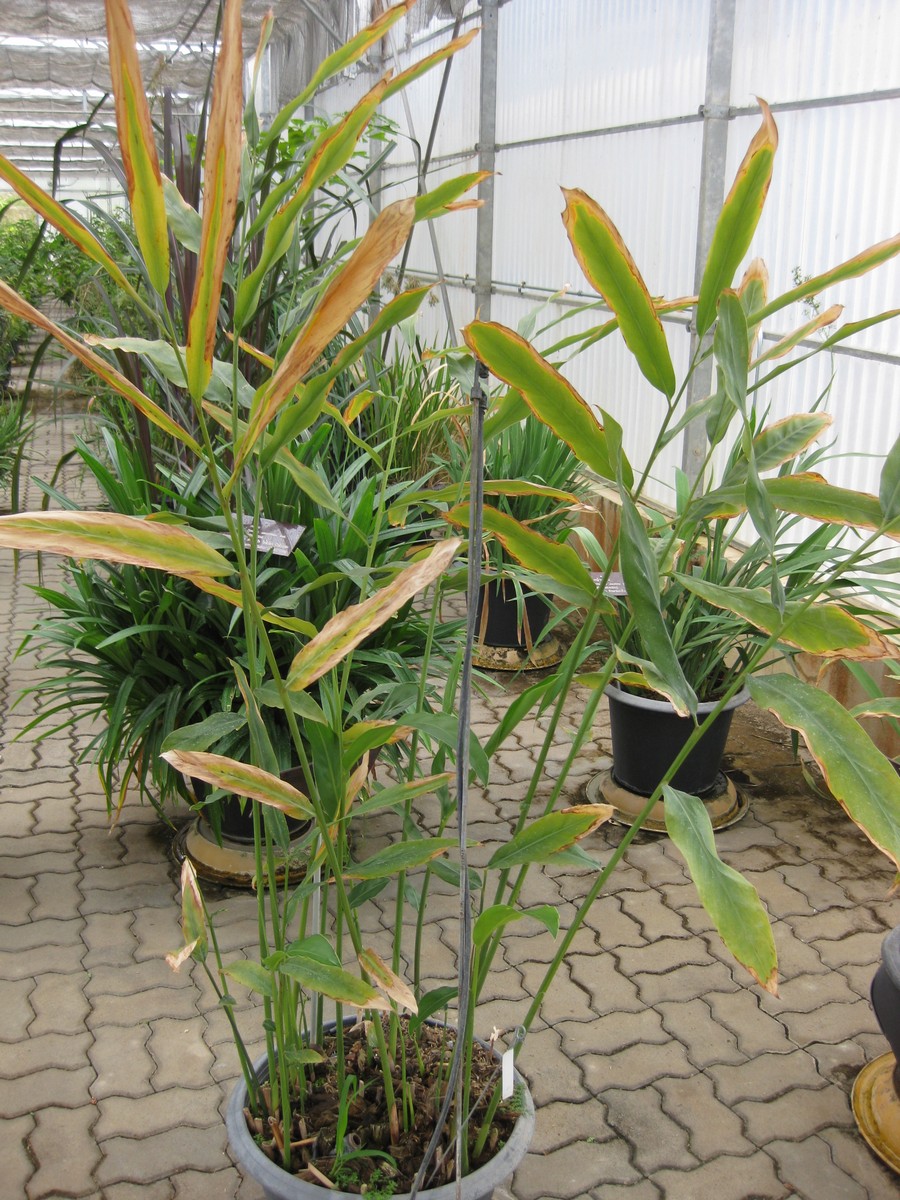 🇮🇩 Indonesia and 5 moreGreater galangalข่า
The pungent rhizome of a ginger relative, essential in Southeast Asian soups and curries.Root · Sharp and pungent · Citrus and bright
🇮🇩 Indonesia and 5 moreGreater galangalข่า
The pungent rhizome of a ginger relative, essential in Southeast Asian soups and curries.Root · Sharp and pungent · Citrus and bright
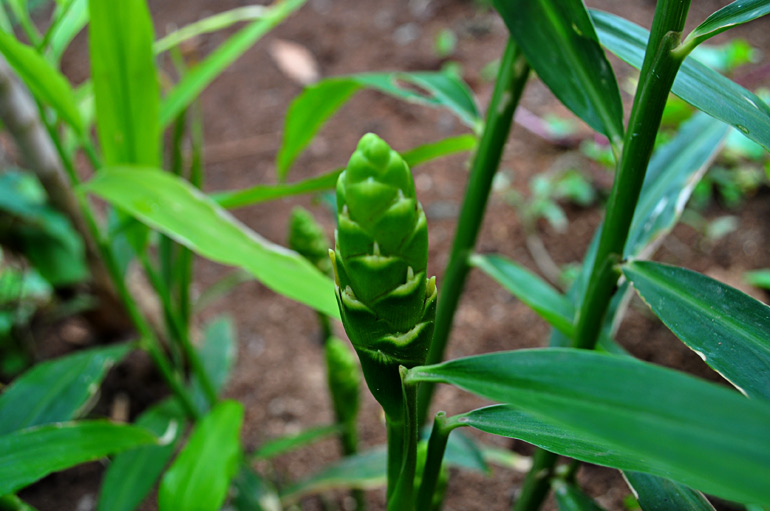 🇮🇩 Indonesia and 5 moreGinger
The pungent rhizome of a flowering perennial, one of the world's most traded spices.Root · Hot and fiery · Sharp and pungent
🇮🇩 Indonesia and 5 moreGinger
The pungent rhizome of a flowering perennial, one of the world's most traded spices.Root · Hot and fiery · Sharp and pungent
 🇮🇩 Indonesia and 5 moreKencur沙姜
A stemless ginger-family rhizome with a peppery, camphorous biteRoot · Sharp and pungent · Herbal and green
🇮🇩 Indonesia and 5 moreKencur沙姜
A stemless ginger-family rhizome with a peppery, camphorous biteRoot · Sharp and pungent · Herbal and green
Its cousins elsewhere
All root 🇮🇳 India and 2 moreCardamom
Aromatic seeds from spindle-shaped pods used in sweet and savory dishes across Asia and the Middle East.Seed · Sharp and pungent · Warm and sweet-spiced
🇮🇳 India and 3 moreZedoarytemu putih
A bitter rhizome from the ginger family, once common in Austronesian kitchens.Root · Bitter · Sharp and pungent
🇮🇳 India and 2 moreCardamom
Aromatic seeds from spindle-shaped pods used in sweet and savory dishes across Asia and the Middle East.Seed · Sharp and pungent · Warm and sweet-spiced
🇮🇳 India and 3 moreZedoarytemu putih
A bitter rhizome from the ginger family, once common in Austronesian kitchens.Root · Bitter · Sharp and pungent
 🇲🇽 Mexico and 2 moreEpazoteepazōtl
A pungent leafy herb from the Americas, traditionally used to flavor beans and stews.Sharp and pungent · Citrus and bright
🇲🇽 Mexico and 2 moreEpazoteepazōtl
A pungent leafy herb from the Americas, traditionally used to flavor beans and stews.Sharp and pungent · Citrus and bright
 🇮🇳 India and 5 moreTurmericहल्दी
The dried rhizome of a tropical ginger relative, prized for its golden color and earthy bite.Root · Warm and sweet-spiced · Bitter
🇮🇳 India and 5 moreTurmericहल्दी
The dried rhizome of a tropical ginger relative, prized for its golden color and earthy bite.Root · Warm and sweet-spiced · Bitter