
Serrano pepper
Capsicum annuum
A hot Mexican chili from mountain regions, used fresh in salsas and sauces.
The serrano pepper is a cultivar of Capsicum annuum native to the sierras of Puebla and Hidalgo in Mexico. It delivers a bright, biting heat rated 10,000 to 25,000 on the Scoville scale, making it notably hotter than the jalapeño. Its fleshy fruit is prized for raw applications like pico de gallo and hot sauces.
- Originates from Puebla and Hidalgo, Mexico.
- Rates 10,000 to 25,000 on the Scoville scale.
- Second most used chili in Mexican cuisine.
- Produces fleshy fruits in green, red, or yellow.
- Thrives in warm soils with pH 7.0 to 8.5.
What is Serrano pepper?
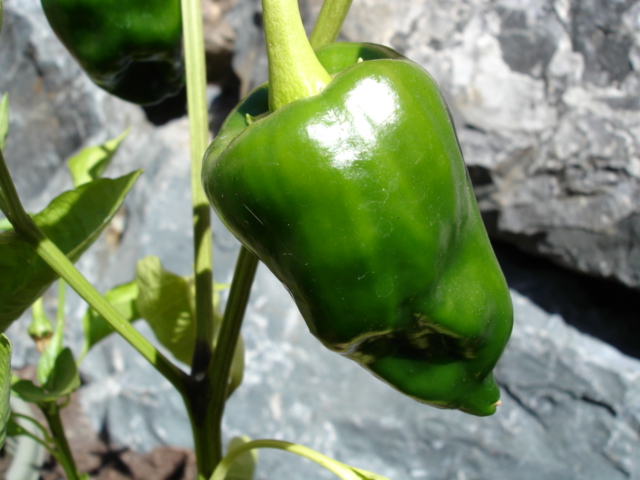
The serrano pepper is a specific cultivar of the species Capsicum annuum. It produces small, fleshy berries that are botanically fruits rather than true pods. The plant typically grows between half a meter and one and a half meters tall. The peppers themselves appear in various colors depending on their stage of ripeness. While often harvested while still green, they can also turn red, orange, yellow, or brown when fully mature. The name comes from the sierra mountains where the variety first developed. These peppers are known for their intense, sharp flavor profile that cuts through other ingredients quickly.
Where does Serrano pepper come from?
This chili originated in the mountainous areas of central Mexico. Specifically, it traces back to the states of Puebla and Hidalgo. The name itself references the sierras found in these regions. It has since become a staple ingredient across the country. Other states like Veracruz, Sinaloa, Nayarit, and Tamaulipas now contribute significantly to its production. These areas collectively yield around 180,000 tonnes annually. It stands as the second most utilized chili in Mexican cooking, following only the jalapeño.
What does Serrano pepper taste like?
The taste is described as bright and biting. It provides a significant level of heat, ranging from 10,000 to 25,000 units on the Scoville scale. This makes it noticeably hotter than the more common jalapeño pepper. The heat is sharp and immediate. The fleshiness of the fruit adds texture without diluting the spice. This combination of high heat and crisp texture makes it ideal for dishes where the chili flavor needs to remain distinct and potent.
How Serrano pepper is grown and processed
Serrano plants thrive in warm conditions with temperatures above 24 degrees Celsius. They require well-drained soil with a pH level between 7.0 and 8.5. These plants have very low tolerance for frost, limiting their cultivation to warmer climates. Each plant can produce up to 50 berries during its lifecycle. Farmers harvest the peppers either while they are green or after they have fully ripened to other colors. The choice of harvest time depends on the desired heat level and color for the final dish.
Serrano pepper, drawn
How Serrano pepper is used
Cooking with serranos usually involves using them raw to preserve their bright flavor. They are a key component in pico de gallo and various fresh salsas. Their firm flesh holds up well in these mixtures without becoming mushy. They are also frequently processed into hot sauces. Because of their intensity, they are often chopped finely or blended to distribute the heat evenly throughout a dish. They serve as a primary source of spice in many everyday Mexican meals.
Serrano pepper in the world's kitchens
The serrano pepper is deeply embedded in Mexican cuisine. It is the second most popular chili after the jalapeño. Different regions within Mexico utilize it based on local availability and tradition. States like Veracruz and Tamaulipas are major producers. The pepper's adaptability allows it to feature in both simple fresh salsas and more complex cooked sauces. It defines the heat profile of many traditional dishes across the country.
At a glance: where it turns up

Meal
These peppers are versatile enough for various eating occasions. They are commonly found in lunch and dinner preparations, particularly in salsa-based dishes. They are essential for street food snacks that require a fresh, spicy kick. They are rarely used in breakfast items or desserts. Their primary role is to add heat and freshness to savory foods consumed during the main parts of the day.
Questions people ask about Serrano pepper
Where does the serrano pepper come from?
It originates from the mountainous sierras of the Mexican states of Puebla and Hidalgo. Today, it is widely grown in other states like Veracruz and Tamaulipas.
How hot is a serrano pepper?
It rates between 10,000 and 25,000 Scoville Heat Units. This makes it significantly hotter than a jalapeño, offering a sharp, biting heat.
What does a serrano pepper look like?
The plant grows up to 1.5 meters tall. The fruits are small and fleshy, appearing green when unripe and turning red, orange, yellow, or brown when ripe.
How is the serrano pepper used in cooking?
It is commonly eaten raw in pico de gallo and salsas due to its firm flesh. It is also frequently used to make hot sauces and add spice to savory dishes.
Good reading and sources
- Serrano pepper on WikipediaEncyclopedia
- More photos on Wikimedia CommonsPhotos and video
- Wikidata recordOpen data
The facts on this page come from the Wikipedia article "Serrano pepper", written by its contributors and used under the CC BY-SA 4.0 licence, and from its Wikidata record (CC0). EveryMasala rewrote the text in its own words, with AI assistance, and compares every page with the article to make sure no passage is copied. It may be reused under the same CC BY-SA 4.0 licence with a link back.
It may contain mistakes. Names, strengths and customs differ from one grower, kitchen or shop to the next. Traditional and medicinal uses are described as tradition, never as medical advice, and none of this is a substitute for a doctor. If something is wrong, tell us. Last refreshed 2026-10-04.
More from Mexico
All the spices of Mexico 🇵🇪 Peru and 5 moreChili pepperchīlli
The pungent berry of the Capsicum plant, used to add heat to dishes worldwide.Fruit · Hot and fiery · Earthy and deep
🇵🇪 Peru and 5 moreChili pepperchīlli
The pungent berry of the Capsicum plant, used to add heat to dishes worldwide.Fruit · Hot and fiery · Earthy and deep
 🇲🇽 Mexico and 1 moreChipotle
Smoke-dried ripe jalapeño peppers used in Mexican and Tex-Mex cookingChilli · Hot and fiery · Smoky
🇲🇽 Mexico and 1 moreChipotle
Smoke-dried ripe jalapeño peppers used in Mexican and Tex-Mex cookingChilli · Hot and fiery · Smoky
 🇲🇽 Mexico and 5 moreJalapeño
A medium-sized Capsicum annuum cultivar from Mexico known for its green pods and moderate heat.Chilli · Hot and fiery · Earthy and deep
🇲🇽 Mexico and 5 moreJalapeño
A medium-sized Capsicum annuum cultivar from Mexico known for its green pods and moderate heat.Chilli · Hot and fiery · Earthy and deep
 🇲🇽 Mexico and 1 morePoblano
A mild Mexican chili pepper that becomes the dried ancho when mature.Chilli · Sweet and mellow · Hot and fiery
🇲🇽 Mexico and 1 morePoblano
A mild Mexican chili pepper that becomes the dried ancho when mature.Chilli · Sweet and mellow · Hot and fiery
Its cousins elsewhere
All chilli 🇱🇾 Libya and 1 morePilpelchumaפלפלצ'ומה
A steamed chili and garlic paste from Libyan Jewish cuisine, now common in Israel.Hot and fiery · Sharp and pungent
🇱🇾 Libya and 1 morePilpelchumaפלפלצ'ומה
A steamed chili and garlic paste from Libyan Jewish cuisine, now common in Israel.Hot and fiery · Sharp and pungent
 🇪🇬 EgyptShattaشطة
A fermented chili and garlic condiment from the LevantHot and fiery · Sharp and pungent
🇪🇬 EgyptShattaشطة
A fermented chili and garlic condiment from the LevantHot and fiery · Sharp and pungent
 🇯🇵 JapanKarashiからし
A potent Japanese mustard made from brown mustard seeds, served as a sharp condiment.Seed · Hot and fiery · Sharp and pungent
🇯🇵 JapanKarashiからし
A potent Japanese mustard made from brown mustard seeds, served as a sharp condiment.Seed · Hot and fiery · Sharp and pungent
 🇬🇧 United Kingdom and 4 moreRock samphire
A coastal succulent with peppery leaves and carrot-scented roots, used fresh or pickled.Leaf · Hot and fiery · Sharp and pungent
🇬🇧 United Kingdom and 4 moreRock samphire
A coastal succulent with peppery leaves and carrot-scented roots, used fresh or pickled.Leaf · Hot and fiery · Sharp and pungent