🇻🇳 The spices of Vietnam
32 spices from Vietnam, best known first, across 1 city, market or growing area.
Vietnamese cooking balances five tastes and textures using fresh herbs, rice, and fermented sauces. Spices like lemongrass and chilies define regional identities, from the mild north to the spicy center.
- Five fundamental tastes balance each dish: sweet, salty, bitter, sour, and spicy.
- Fish sauce comes from fermenting raw fish and seasons most meals.
- Central Vietnam uses more chili peppers than the mild northern region.
- Bánh mì combines French baguettes with local Vietnamese fillings.
- Curry is popular in central and southern Vietnam at social gatherings.
Spice in Vietnam
This cuisine builds on a philosophy of balance, seeking harmony among sweet, salty, sour, bitter, and spicy notes. It shares historical threads with Chinese and French traditions, adopting dishes like wontons and baguettes while keeping distinct local flavors. Neighboring cultures from Champa and Cambodia also left their mark, particularly in the use of coconut milk and curry. The food relies heavily on rice products and fresh ingredients, avoiding heavy dairy or oil. This approach creates light yet complex meals that reflect both indigenous roots and centuries of foreign contact, resulting in a culinary style that is simultaneously simple in appearance but intricate in flavor composition.
The spices of the kitchen
Lemongrass, ginger, mint, Vietnamese mint, long coriander, Saigon cinnamon, bird's eye chili, lime, and Thai basil leaves form the core aromatic profile. Black pepper substitutes for chilies in the cooler north, while central regions embrace heat through abundant chili peppers. Garlic and shallots appear frequently in the south. These ingredients provide the sharp, fresh, and pungent notes essential to the cuisine, contrasting with the subtle sweetness of brown sugar and the umami depth of fermented fish sauce.
Blends and pastes
Nước mắm serves as the primary seasoning liquid, made by fermenting raw fish. It accompanies nearly every dish, providing saltiness and depth. Mắm bồ hóc, adopted from Khmer neighbors, acts as a key ingredient in specific noodle soups. Curry pastes, influenced by Malay and Indian traders, are common in central and southern Vietnam, often featuring chicken or goat. These blends transform simple proteins into complex meals, bridging the gap between basic ingredients and sophisticated flavor profiles.
Today
Modern Vietnamese cuisine continues to evolve through trade and migration, spreading its flavors globally. Fusion dishes like bánh mì thịt demonstrate the enduring legacy of French colonial influence. Protected names and traditional methods preserve regional identities against homogenization. In rural areas, the tradition of maximizing ingredient use persists, ensuring sustainability. The global popularity of phở and fresh spring rolls highlights the cuisine's appeal, while domestic kitchens maintain the delicate balance of five tastes that defines authentic Vietnamese cooking.
The facts in this overview come from the Wikipedia article "Vietnamese cuisine", written by its contributors and used under the CC BY-SA 4.0 licence. EveryMasala rewrote the text in its own words, with AI assistance, and compares every page with the article to make sure no passage is copied. It may be reused under the same CC BY-SA 4.0 licence with a link back.
Spice cities and markets of Vietnam
 🇱🇰 Sri Lanka and 5 moreCinnamon
The dried inner bark of Cinnamomum trees, prized for its warm aroma and sweet spice.Bark · Warm and sweet-spiced · Sweet and mellow
 🇰🇭 Cambodia and 1 moreKampot pepperម្រេចកំពត
A certified cultivar of black pepper grown in the foothills of Cambodia's Elephant Mountains.Sharp and pungent · Warm and sweet-spiced
 🇨🇳 China and 2 moreChinese cassia肉桂
The thick, hard bark of an evergreen tree from southern China, used as a pungent spice.Bark · Sweet and mellow · Warm and sweet-spiced
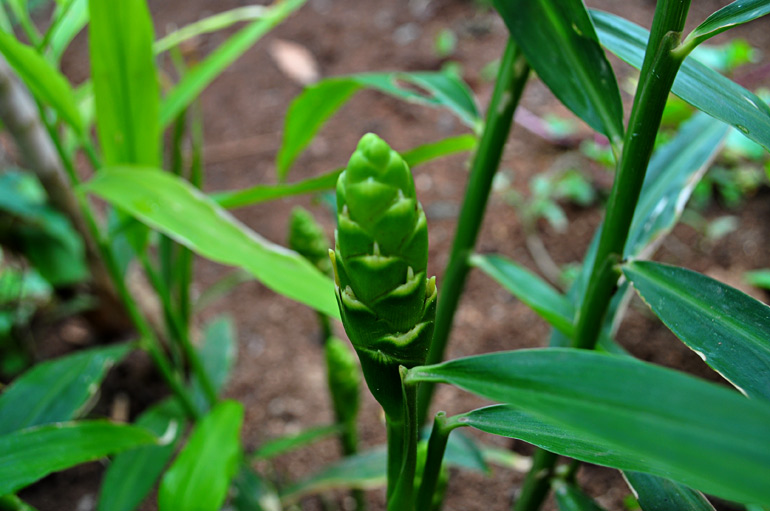 🇮🇳 India and 5 moreGinger
The pungent rhizome of a flowering plant from Southeast Asia, used globally as spice and medicine.Root · Hot and fiery · Sharp and pungent
🇨🇳 China and 4 moreLesser galangal高良薑
An aromatic Asian rhizome with orange flesh and a sweet, gentle spiceRoot · Sweet and mellow · Warm and sweet-spiced
🇻🇳 VietnamHúng lìu
A Vietnamese spice blend of ground cinnamon, star anise, tsao-ko, and clove.Warm and sweet-spiced · Sweet and mellow
 🇻🇳 Vietnam and 1 moreSaigon cinnamonquế Trà My, quế Thanh, quế Quỳ, quế Trà Bồng
A potent bark from central Vietnam with a complex aroma and high coumarin content.Bark · Warm and sweet-spiced · Sharp and pungent
 🇮🇩 Indonesia and 3 moreCubeb
The dried fruit of a climbing vine, known for its long tail and sharp taste.Fruit · Sharp and pungent · Warm and sweet-spiced
🇮🇩 Indonesia and 3 moreGalangal
A pungent rhizome from the ginger family used in Southeast Asian cooking and traditional medicine.Root · Sharp and pungent · Warm and sweet-spiced
 🇮🇩 Indonesia and 5 moreIndonesian cinnamon
A strong, affordable bark from Sumatra used as a common spice and oil source.Bark · Warm and sweet-spiced · Sharp and pungent
 🇮🇳 India and 5 moreTurmericहल्दी दूध
The dried rhizome of a ginger-family plant, prized for its bright yellow color and warm flavor.Seed · Warm and sweet-spiced · Bitter
Photo credits on this page
The small pictures above come from Wikimedia Commons under free licences. Some are cropped to fit.
- Turmeric: J.M.Garg, CC BY 3.0, source
- Cinnamon: Luc Viatour, CC BY-SA 3.0, source
- Kampot pepper: PsamatheM, CC BY-SA 4.0, source
- Saigon cinnamon: Sykes, Bill, CC BY 4.0, source
- Chinese cassia: Itineranttrader, Public domain, source
- Cubeb: Kembangraps, CC BY-SA 3.0, source
- Ginger: Venkatx5, CC BY-SA 3.0, source
- Indonesian cinnamon: Forest & Kim Starr, CC BY 3.0, source
The weekly digest
Every Monday: seven spices you may not know, what is cooking this week, and one blend explained step by step.