
Capsicum frutescens
Capsicum frutescens
A small, wild chili species with erect berries, native to the Americas and widely grown in tropical regions.
This wild chili produces tiny, pungent berries that grow upright on the plant. It originated in Central and South America and is now cultivated across tropical zones for its intense heat and versatility in sauces and stews.
- Berries grow upright and are typically very small.
- Native to Central and South America.
- Known as barbaré in Ethiopian cuisine.
- Used to make hot sambal in Indonesia.
- Genetically close to Capsicum chinense.
What is Capsicum frutescens?
Capsicum frutescens is a wild chili pepper species known for its small, intensely hot berries. The plants produce white flowers that may be pollinated by insects or themselves. The fruit grows upright rather than hanging down, taking on an ellipsoid-conical or lance-shaped form. These berries are typically very small, measuring between ten and twenty millimeters in length. They start as pale yellow or green and mature into a bright red color, though other variations exist. The species has been selectively bred to create ornamental strains due to the colorful ripening patterns of its numerous erect peppers.
Where does Capsicum frutescens come from?
The species originated in Central and South America, specifically in northern and western parts of the continent. From this base, it spread rapidly through tropical and subtropical regions worldwide. It remains wild in many areas today. Genetic studies suggest a close relationship with the cultivated Capsicum chinense species. While its roots are firmly in the Americas, human migration and trade have established it globally in suitable climates.
What does Capsicum frutescens taste like?
The primary characteristic of this chili is its significant pungency. The berries are described as usually very hot, delivering a sharp, direct heat typical of wild capsaicin-rich peppers. The flavor profile is dominated by this spice, with minimal sweet or fruity notes mentioned in standard descriptions. The heat intensity places it in the higher ranges of chili varieties, making it a potent ingredient for those seeking strong thermal impact in their food.
How Capsicum frutescens is grown and processed
These plants can function as annuals or short-lived perennials depending on the climate. They thrive in warm, favorable environments where they grow readily without extensive care. In Ethiopia, cultivation occurs year-round in warmer provinces like Yejju, where thousands of acres are dedicated to the crop. The plants prefer soil conditions found in these tropical and subtropical zones, allowing them to flourish naturally or in agricultural settings across multiple continents.
Capsicum frutescens, drawn
How Capsicum frutescens is used
Cooks use the berries whole or ground to add heat to dishes. In Indonesia, the cabai rawit cultivar is essential for making hot sambal dips. In the Philippines, siling labuyo fruits create traditional sawsawan dips, spiced vinegars like sinamak, and condiments such as palapa. Ethiopian cuisine relies heavily on barbaré, incorporating it into national dishes. The leaves of the Philippine variety are also consumed as a leafy vegetable in soups like tinola, adding both texture and mild spice.
Capsicum frutescens in the world's kitchens
Ethiopian cuisine features barbaré as a staple, with historical records noting its extensive cultivation since at least the nineteenth century. Indian kitchens in the east and south use kantharimulaku for regional curries and pickles. Filipino cooking employs siling labuyo for acidic vinegar-based sauces and hearty soups. Indonesian gastronomy utilizes cabai rawit for fiery sambal pastes. Each culture adapts the same wild species to distinct flavor profiles and cooking techniques suited to their palate.
At a glance: where it turns up


Spiritual and ceremonial use
There is no specific information regarding religious rituals, offerings, or sacred dietary rules associated with this chili in the provided sources. Its role appears strictly culinary and agricultural within the communities that cultivate it.
Capsicum frutescens at celebrations
Its presence is noted in everyday agricultural production and daily meal preparation rather than in ceremonial contexts.
Traditional and medicinal use
Traditional use focuses entirely on culinary application rather than medicinal purposes. In Ethiopia, it was historically vital to the national diet, with entire valleys devoted to its harvest. No folk medicine practices or safety warnings regarding consumption are detailed in the available text. The emphasis remains on its value as a food source and flavor enhancer in local diets.
Buying and storing Capsicum frutescens
No specific information is provided regarding storage methods, shelf life, or purchasing guidelines for this chili species.
What to use instead of Capsicum frutescens
Cooks likely rely on other hot chilies if this specific variety is unavailable, but no direct alternatives are named.
The trade in Capsicum frutescens
Historical accounts indicate that barbaré was so important to Ethiopian national cuisine that it was cultivated extensively wherever the soil was suitable. Large-scale agriculture existed in regions like the upper Golima River valley, supplying neighboring provinces. The species has moved from its American origins to become a global commodity in tropical markets, though specific modern trade routes or monopolies are not detailed.
Meal
This chili fits into daily cooking routines across various meals. It serves as a key component in lunch and dinner preparations, particularly in stews and main courses where heat is desired. In the Philippines, it is central to snack-time condiments and street-food style dips. The versatility allows it to enhance savory dishes at any time of day, from breakfast accompaniments to evening feasts, depending on the local culinary tradition.
Questions people ask about Capsicum frutescens
Where does Capsicum frutescens come from?
It originated in Central and South America, including Mexico. It has since spread to tropical regions worldwide, growing wild in many areas and being cultivated extensively in places like Ethiopia, India, and Southeast Asia.
What does this chili taste like?
It is known for being very pungent and hot. The berries deliver a sharp, intense heat that dominates the flavor profile. It is used primarily to add significant spice to dishes rather than for sweet or fruity notes.
How is it used in cooking?
The berries are used whole or ground to heat up stews, sauces, and dips. In Indonesia, they make sambal. In the Philippines, they create spiced vinegars and soups. In Ethiopia, they are a staple ingredient in national dishes.
What do the plants look like?
They produce white flowers and bear small, erect berries that are ellipsoid or lance-shaped. The fruit changes color from pale yellow or green to bright red as it matures. Some strains are grown ornamentally for their colorful ripening patterns.
Good reading and sources
- Capsicum frutescens on WikipediaEncyclopedia
- More photos on Wikimedia CommonsPhotos and video
- Wikidata recordOpen data
The facts on this page come from the Wikipedia article "Capsicum frutescens", written by its contributors and used under the CC BY-SA 4.0 licence, and from its Wikidata record (CC0). EveryMasala rewrote the text in its own words, with AI assistance, and compares every page with the article to make sure no passage is copied. It may be reused under the same CC BY-SA 4.0 licence with a link back.
It may contain mistakes. Names, strengths and customs differ from one grower, kitchen or shop to the next. Traditional and medicinal uses are described as tradition, never as medical advice, and none of this is a substitute for a doctor. If something is wrong, tell us. Last refreshed 2026-10-04.
More from Mexico
All the spices of Mexico 🇵🇪 Peru and 5 moreChili pepperchīlli
The pungent berry of the Capsicum plant, used to add heat to dishes worldwide.Fruit · Hot and fiery · Earthy and deep
🇵🇪 Peru and 5 moreChili pepperchīlli
The pungent berry of the Capsicum plant, used to add heat to dishes worldwide.Fruit · Hot and fiery · Earthy and deep
 🇲🇽 Mexico and 1 moreChipotle
Smoke-dried ripe jalapeño peppers used in Mexican and Tex-Mex cookingChilli · Hot and fiery · Smoky
🇲🇽 Mexico and 1 moreChipotle
Smoke-dried ripe jalapeño peppers used in Mexican and Tex-Mex cookingChilli · Hot and fiery · Smoky
 🇲🇽 Mexico and 5 moreJalapeño
A medium-sized Capsicum annuum cultivar from Mexico known for its green pods and moderate heat.Chilli · Hot and fiery · Earthy and deep
🇲🇽 Mexico and 5 moreJalapeño
A medium-sized Capsicum annuum cultivar from Mexico known for its green pods and moderate heat.Chilli · Hot and fiery · Earthy and deep
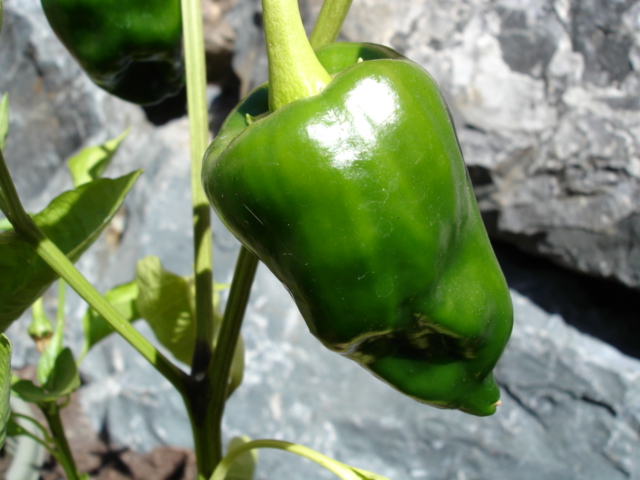 🇲🇽 Mexico and 1 morePoblano
A mild Mexican chili pepper that becomes the dried ancho when mature.Chilli · Sweet and mellow · Hot and fiery
🇲🇽 Mexico and 1 morePoblano
A mild Mexican chili pepper that becomes the dried ancho when mature.Chilli · Sweet and mellow · Hot and fiery
Its cousins elsewhere
All chilli 🇱🇾 Libya and 1 morePilpelchumaפלפלצ'ומה
A steamed chili and garlic paste from Libyan Jewish cuisine, now common in Israel.Hot and fiery · Sharp and pungent
🇱🇾 Libya and 1 morePilpelchumaפלפלצ'ומה
A steamed chili and garlic paste from Libyan Jewish cuisine, now common in Israel.Hot and fiery · Sharp and pungent
 🇯🇵 JapanKarashiからし
A potent Japanese mustard made from brown mustard seeds, served as a sharp condiment.Seed · Hot and fiery · Sharp and pungent
🇯🇵 JapanKarashiからし
A potent Japanese mustard made from brown mustard seeds, served as a sharp condiment.Seed · Hot and fiery · Sharp and pungent
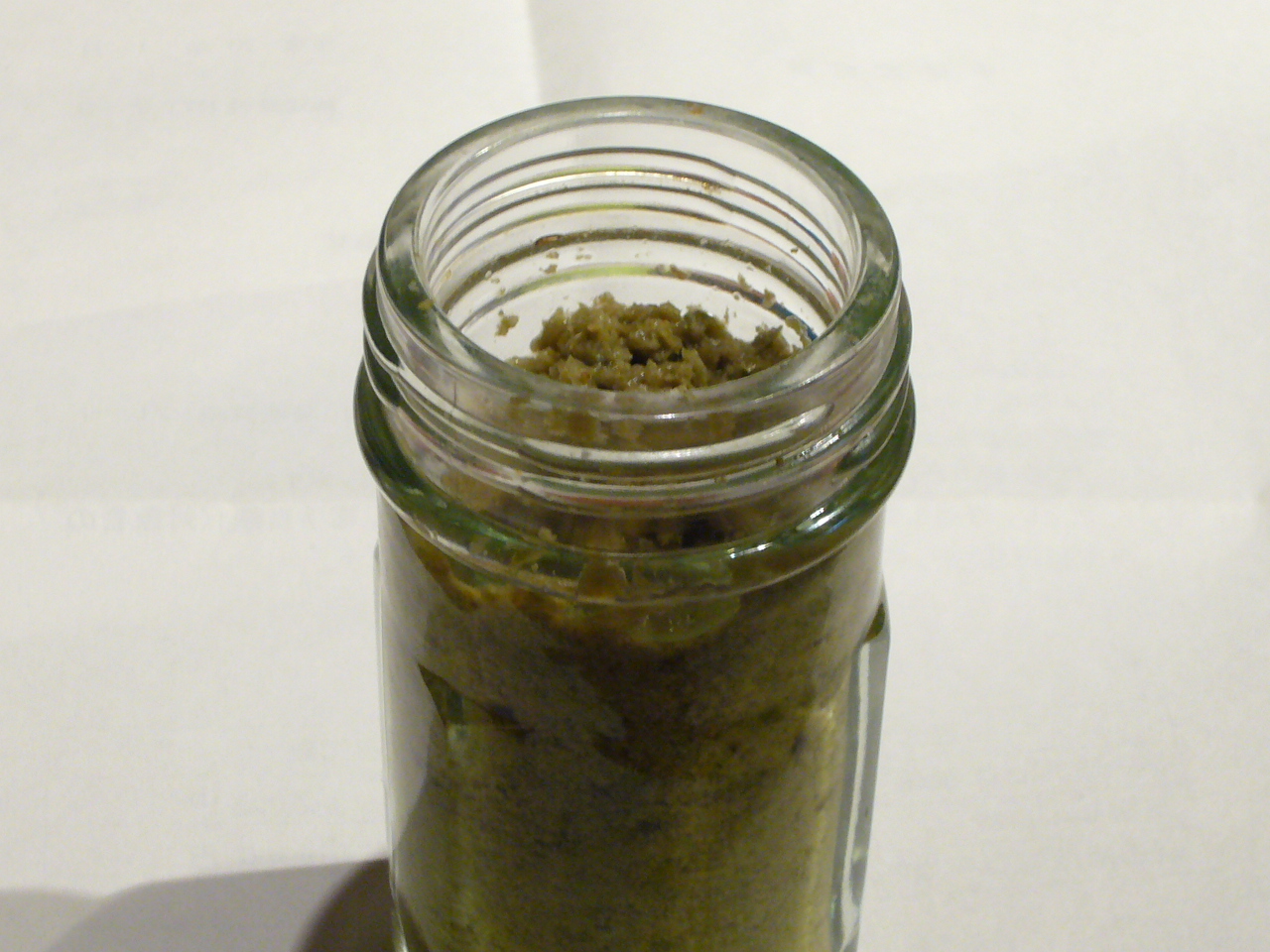 🇯🇵 JapanYuzu koshō柚子胡椒
A fermented Japanese paste of chili peppers and yuzu citrus peel.Paste · Hot and fiery · Citrus and bright
🇮🇳 IndiaKala masala
A dark roasted spice blend from Maharashtra used for everyday home cooking.Blend · Hot and fiery · Warm and sweet-spiced
🇯🇵 JapanYuzu koshō柚子胡椒
A fermented Japanese paste of chili peppers and yuzu citrus peel.Paste · Hot and fiery · Citrus and bright
🇮🇳 IndiaKala masala
A dark roasted spice blend from Maharashtra used for everyday home cooking.Blend · Hot and fiery · Warm and sweet-spiced