
Jalapeño
Capsicum annuum
A medium-sized Capsicum annuum cultivar from Mexico known for its green pods and moderate heat.
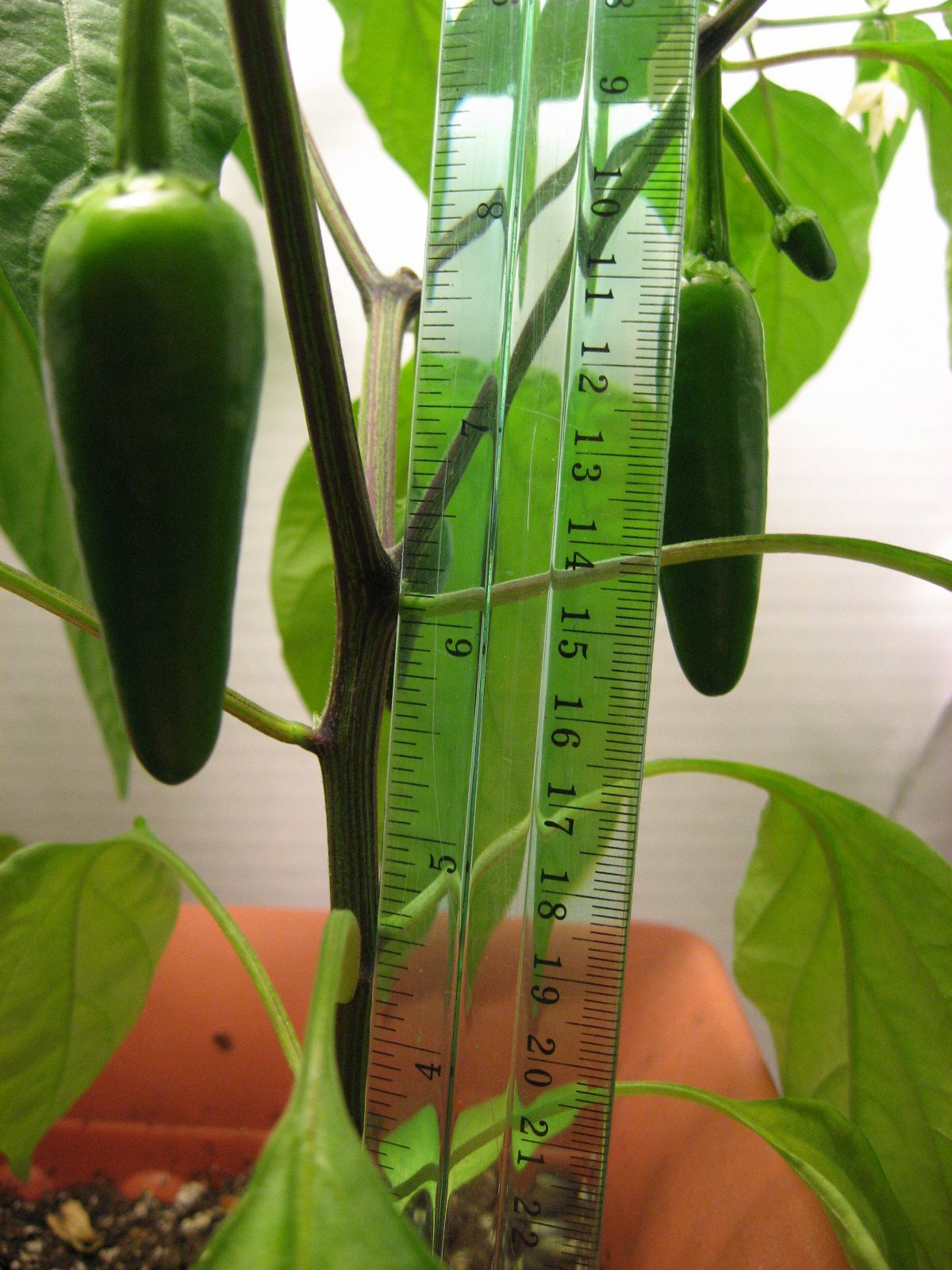
The jalapeño is a pod-type chili pepper cultivar of the species Capsicum annuum. It originates in Mexico and typically measures five to ten centimeters long with a Scoville rating between four thousand and eight thousand five hundred units. The peppers are most often harvested while green, though they may ripen to red or yellow on the vine.
- Scoville range sits between 4,000 and 8,500 units.
- Name means 'from Xalapa' in Spanish.
- Smoked ripe peppers become chipotles.
- Corking scars correlate with higher heat.
- Plants prefer 29°C for seed germination.
What is Jalapeño?
This cultivar belongs to the species Capsicum annuum and produces a medium-sized fruit pod. Mature specimens typically hang downward from the plant and measure between five and ten centimeters in length. The exterior skin is smooth and usually bright green when picked early, though it can turn red, orange, or yellow if left to fully mature on the vine. The interior contains white or yellow vesicles that hold capsaicin compounds. These peppers offer a sharp, earthy taste with a moderate level of pungency that ranges from mild to hot depending on growing conditions.
Where does Jalapeño come from?
The name derives from Spanish words meaning 'from Xalapa', a city in Veracruz, Mexico. Historical records indicate Aztec markets sold these peppers and their smoked variants long before European contact. While the name suggests an origin in Xalapa, genetic analysis shows no close relatives outside the jalapeño clade. The modern association with the city stems from Vicente Jiménez inventing pickling and canning processes there, rather than the peppers being native to that specific urban area.
What does Jalapeño taste like?
Pungency levels generally fall between four thousand and eight thousand five hundred Scoville units. Heat intensity varies based on cultivation stressors such as water salinity, temperature fluctuations, and soil nutrition. A visual trait called corking appears as small brown lines on the skin; more scars often correlate with higher heat. The capsaicin concentrates in the placenta membrane surrounding the seeds. Ripening increases pungency, making red peppers generally hotter than green ones of the same variety.
How Jalapeño is grown and processed
Plants thrive in warm climates with adequate water and well-drained soil, preferring a pH between 4.5 and 7.0. They require at least six to eight hours of sunlight daily and reach heights of seventy to ninety centimeters. Seed germination occurs optimally around twenty-nine degrees Celsius. Cultivation faces threats from root rot and foliar blight caused by fungi like Phytophthora capsici. Breeders develop resistant strains to combat these diseases, which cause significant commercial losses worldwide.
Jalapeño, drawn
How Jalapeño is used
Harvested peppers are frequently wet processed, canned, or pickled for use in salsas and prepared foods. Fresh pods serve as toppings for nachos, sandwiches, and pizzas. Cooked preparations include stuffed varieties filled with cheese or meat, known as poppers. Ripe fruits are also smoked to create chipotles. In Vietnamese cuisine, slices accompany pho and bánh mì. The peppers are sometimes muddled into mixed drinks or transformed into jellies for preserves.
Jalapeño in the world's kitchens
Mexican culinary traditions utilize both fresh and smoked forms extensively. The United States incorporates them heavily into Tex-Mex dishes and general American comfort food. Vietnamese cuisine employs sliced fresh peppers in soups and sandwiches. Commercial production dominates in Mexican states like Chihuahua and Sinaloa, alongside significant output in California. Other nations including China, Peru, Spain, and India maintain smaller commercial growing sectors for this cultivar.
At a glance: where it turns up


Spiritual and ceremonial use
No religious rituals or sacred dietary rules specifically tie this spice to any faith tradition. Historical Aztec usage focused on market trade and daily sustenance rather than ceremonial offerings. Modern consumption remains strictly secular and culinary in nature.
Jalapeño at celebrations
Its role is primarily functional within everyday cooking and commercial food processing rather than celebratory contexts.
Traditional and medicinal use
Traditional handling requires caution due to capsaicin oils that irritate skin and eyes. Wear gloves during preparation to prevent burning. If contact occurs, wash with hot soapy water and apply vegetable oil. Low-acid canning poses botulism risks; proper precautions prevent bacterial spread. No medicinal doses or health claims are supported by the provided text.
Buying and storing Jalapeño
Harvested peppers stored at seven point five degrees Celsius maintain quality for three to five weeks. They produce minimal ethylene gas and do not respond to treatment. Holding picked peppers at twenty to twenty-five degrees Celsius with high humidity completes ripening. A hot water dip at fifty-five degrees kills surface molds without damaging the fruit.
What to use instead of Jalapeño
The serrano pepper shares similarities but is typically wider and milder. Breeders have developed specific cultivars like TAM Mild Jalapeño for lower heat profiles. Sweet hybrids exist that retain appearance and flavor without pungency. No direct single substitute matches all traits, though other green chilies work in pinch for texture.
The trade in Jalapeño
La Costeña controls approximately sixty percent of the global market and exports a large share of Mexican production. The United States imports ninety-eight percent of these exports. Mexican states contribute varying percentages, with Chihuahua leading production. Genetic research supports sustainable disease control through resistant cultivars rather than chemical treatments. Accurate statistics remain difficult due to reporting agencies grouping all green chilies together.
Meal
These peppers appear across various eating occasions. They function as street food snacks when served as fried appetizers or stuffed bites. Pickled versions act as condiments for fast food and casual meals. Preserved forms like jellies and canned goods support pantry storage. The fresh heat adds depth to lunch and dinner dishes, particularly in Tex-Mex cooking. Some beverages incorporate muddled peppers for a spicy kick.
Questions people ask about Jalapeño
Where does the jalapeño originate?
It originates in Mexico, specifically associated with the state of Veracruz. The name refers to the city of Xalapa, though the peppers were cultivated widely across the region by Aztec peoples long before European arrival.
How hot is a jalapeño pepper?
They typically register between four thousand and eight thousand five hundred Scoville units. Heat varies by cultivar and growing conditions, with stressed plants producing hotter fruits and red ripe peppers being spicier than green ones.
What is the difference between a jalapeño and a serrano?
Jalapeños are generally wider and milder than serranos. Both belong to Capsicum annuum, but serranos tend to have a sharper, more intense heat profile and a different physical shape.
How are jalapeños used in cooking?
They are eaten fresh, pickled, canned, or smoked. Common uses include stuffing with cheese, adding to salsas, topping nachos, slicing into Vietnamese pho, or blending into beverages for a spicy kick.
Good reading and sources
The facts on this page come from the Wikipedia article "Jalapeño", written by its contributors and used under the CC BY-SA 4.0 licence, and from its Wikidata record (CC0). EveryMasala rewrote the text in its own words, with AI assistance, and compares every page with the article to make sure no passage is copied. It may be reused under the same CC BY-SA 4.0 licence with a link back.
It may contain mistakes. Names, strengths and customs differ from one grower, kitchen or shop to the next. Traditional and medicinal uses are described as tradition, never as medical advice, and none of this is a substitute for a doctor. If something is wrong, tell us. Last refreshed 2026-10-04.
More from Mexico
All the spices of Mexico 🇵🇪 Peru and 5 moreChili pepperchīlli
The pungent berry of the Capsicum plant, used to add heat to dishes worldwide.Fruit · Hot and fiery · Earthy and deep
🇵🇪 Peru and 5 moreChili pepperchīlli
The pungent berry of the Capsicum plant, used to add heat to dishes worldwide.Fruit · Hot and fiery · Earthy and deep
 🇲🇽 Mexico and 1 moreChipotle
Smoke-dried ripe jalapeño peppers used in Mexican and Tex-Mex cookingChilli · Hot and fiery · Smoky
🇲🇽 Mexico and 1 moreChipotle
Smoke-dried ripe jalapeño peppers used in Mexican and Tex-Mex cookingChilli · Hot and fiery · Smoky
 🇲🇽 Mexico and 5 moreJalapeño
A medium-sized Capsicum annuum cultivar from Mexico known for its green pods and moderate heat.Chilli · Hot and fiery · Earthy and deep
🇲🇽 Mexico and 5 moreJalapeño
A medium-sized Capsicum annuum cultivar from Mexico known for its green pods and moderate heat.Chilli · Hot and fiery · Earthy and deep
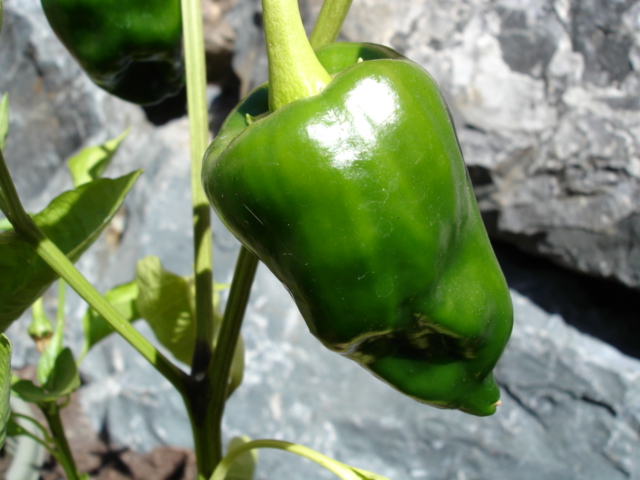 🇲🇽 Mexico and 1 morePoblano
A mild Mexican chili pepper that becomes the dried ancho when mature.Chilli · Sweet and mellow · Hot and fiery
🇲🇽 Mexico and 1 morePoblano
A mild Mexican chili pepper that becomes the dried ancho when mature.Chilli · Sweet and mellow · Hot and fiery
Its cousins elsewhere
All chilli 🇳🇬 NigeriaYaji
A spicy rub from Nigeria made with chili, ginger, and ground peanuts.Blend · Hot and fiery · Earthy and deep
🇳🇬 NigeriaYaji
A spicy rub from Nigeria made with chili, ginger, and ground peanuts.Blend · Hot and fiery · Earthy and deep
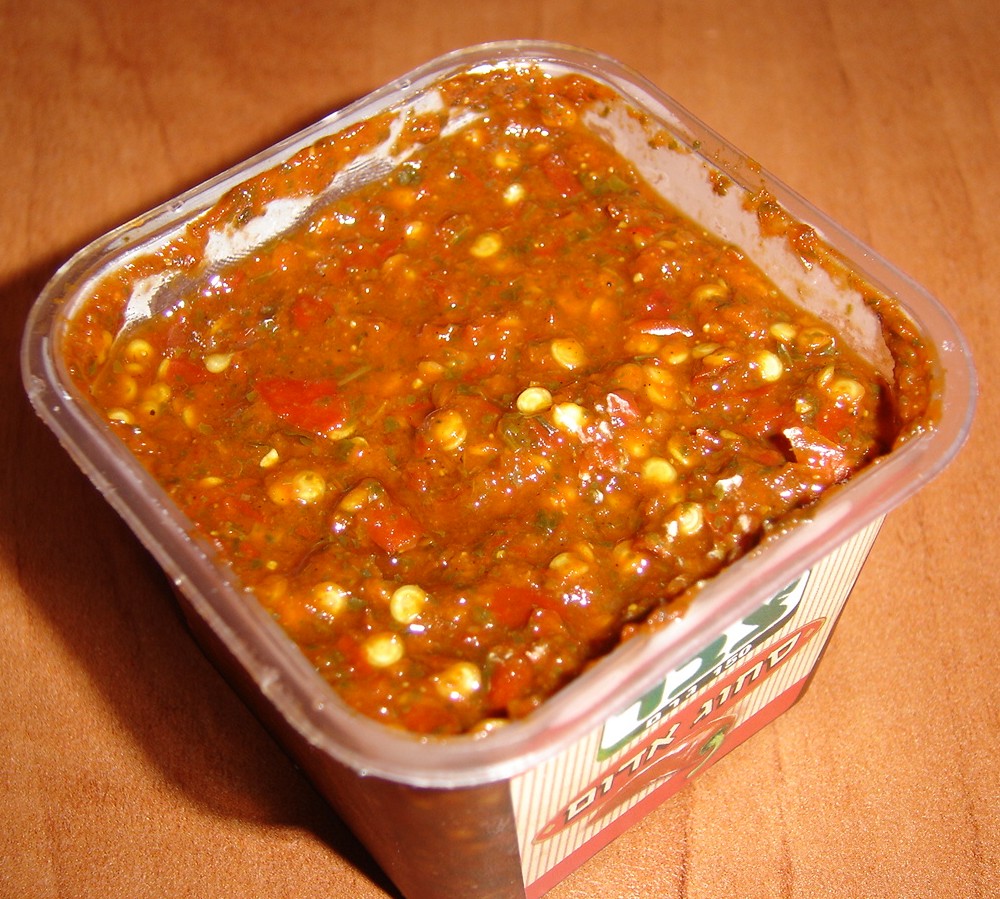 🇾🇪 Yemen and 1 moreZhugسحوق
A Yemeni hot sauce of crushed chilies, garlic, and corianderHot and fiery · Sharp and pungent
🇾🇪 Yemen and 1 moreZhugسحوق
A Yemeni hot sauce of crushed chilies, garlic, and corianderHot and fiery · Sharp and pungent
 🇱🇾 Libya and 1 morePilpelchumaפלפלצ'ומה
A steamed chili and garlic paste from Libyan Jewish cuisine, now common in Israel.Hot and fiery · Sharp and pungent
🇱🇾 Libya and 1 morePilpelchumaפלפלצ'ומה
A steamed chili and garlic paste from Libyan Jewish cuisine, now common in Israel.Hot and fiery · Sharp and pungent
 🇮🇳 IndiaChammanthi podi
A dry coconut and spice condiment from Kerala that preserves fresh chutney for months.Hot and fiery · Earthy and deep
🇮🇳 IndiaChammanthi podi
A dry coconut and spice condiment from Kerala that preserves fresh chutney for months.Hot and fiery · Earthy and deep