Spices for lunch
Thalis, rice plates, stews and sandwiches: the midday meal.
Lunch is the main meal of the day in many parts of the world, and spice is central to it, from the Indian thali and the Ethiopian injera platter to the Mexican comida.
The midday meal
In South Asia and parts of Africa and Latin America lunch is the largest meal. A thali brings together dal, vegetables, rice, bread, pickles and chutneys, each with its own spice. In Ethiopia a shared plate of wats and injera is built on berbere.
Lighter lunches
In the Middle East lunch may be mezze, falafel and salads dusted with sumac and za'atar. In Southeast Asia, noodle soups and rice plates use pastes, chilli and fresh herbs. Sandwiches and salads in Europe carry pepper, mustard and herbs.
Packed lunches
Dabbas in India, bento in Japan and tiffins in Singapore keep spiced food portable. Foods that taste good cold, such as pickles, chutneys and spiced rice, travel well.
Lunch on EveryMasala
The spices written up so far, best known first.
 🇮🇳 India and 4 moreFennel
The anise-scented seeds and crisp bulb of a Mediterranean perennial herbSeed · Anise and liquorice · Sweet and mellow
🇮🇳 India and 4 moreFennel
The anise-scented seeds and crisp bulb of a Mediterranean perennial herbSeed · Anise and liquorice · Sweet and mellow
 🇦🇹 Austria and 5 moreCaraway
The crescent-shaped fruit of a carrot-family herb, used to flavour breads and spirits.Seed · Anise and liquorice · Sharp and pungent
🇦🇹 Austria and 5 moreCaraway
The crescent-shaped fruit of a carrot-family herb, used to flavour breads and spirits.Seed · Anise and liquorice · Sharp and pungent
 🇯🇵 JapanKarashiからし
A potent Japanese mustard made from brown mustard seeds, served as a sharp condiment.Seed · Hot and fiery · Sharp and pungent
🇯🇵 JapanKarashiからし
A potent Japanese mustard made from brown mustard seeds, served as a sharp condiment.Seed · Hot and fiery · Sharp and pungent
 🇲🇽 Mexico and 5 moreAnnatto
The orange-red pigment from achiote seeds used as a natural food coloring and mild spice.Seed · Earthy and deep · Sweet and mellow
🇲🇽 Mexico and 5 moreAnnatto
The orange-red pigment from achiote seeds used as a natural food coloring and mild spice.Seed · Earthy and deep · Sweet and mellow
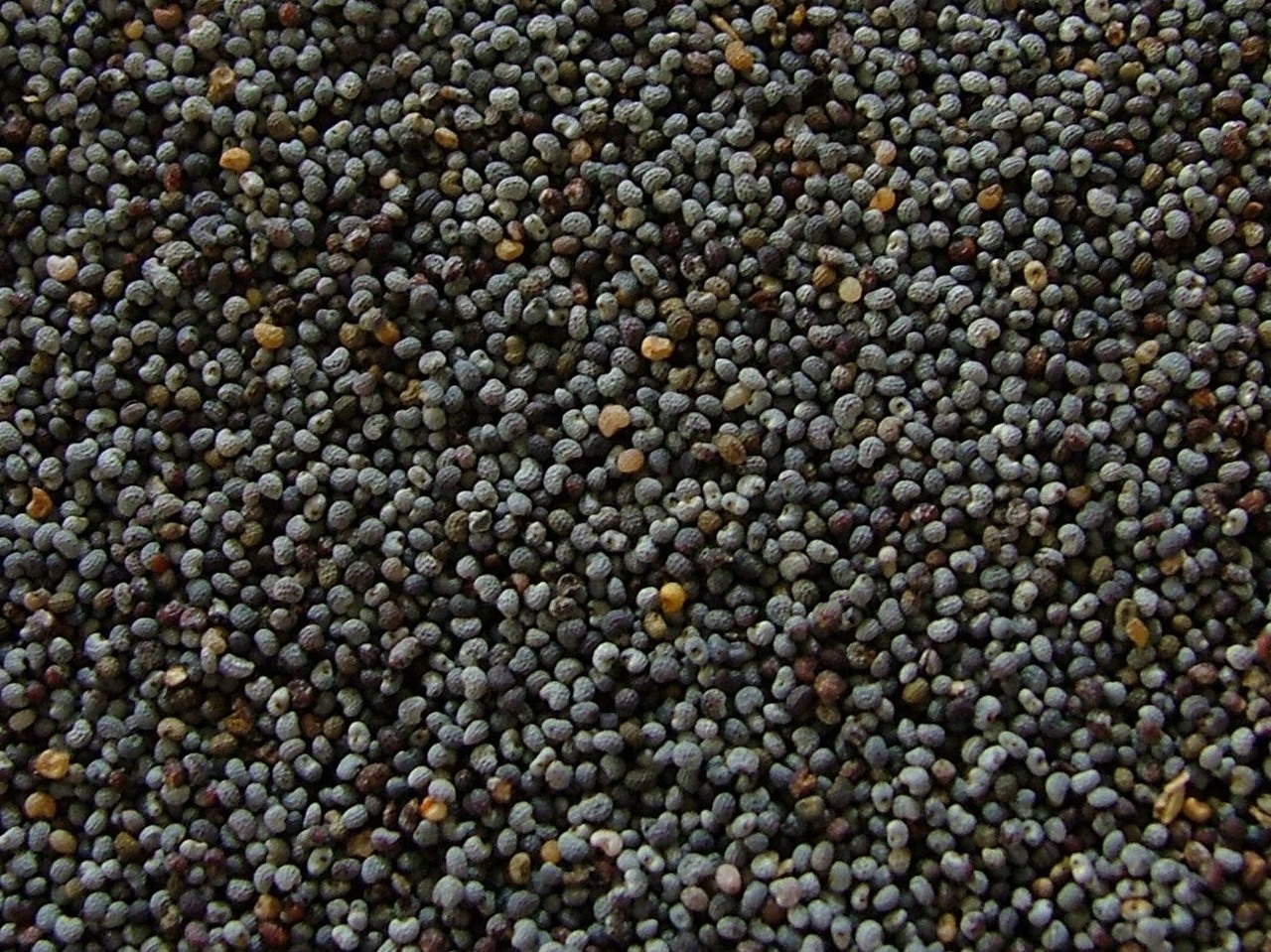 🇹🇷 Turkey and 5 morePoppy seed
The tiny kidney-shaped oilseed of the opium poppy, used in baking and cooking across Europe and South Asia.Seed · Earthy and deep
🇹🇷 Turkey and 5 morePoppy seed
The tiny kidney-shaped oilseed of the opium poppy, used in baking and cooking across Europe and South Asia.Seed · Earthy and deep
 🇱🇦 Laos and 2 moreKhao khuaເຂົ້າຂົ້ວ
Dry-toasted sticky rice, ground rough, the nutty backbone of Lao laabSeed · Smoky
🇱🇦 Laos and 2 moreKhao khuaເຂົ້າຂົ້ວ
Dry-toasted sticky rice, ground rough, the nutty backbone of Lao laabSeed · Smoky
 🇮🇹 Italy and 5 moreMustard
A pungent paste made from ground mustard seeds mixed with liquid and spices.Paste · Sharp and pungent · Hot and fiery
🇮🇹 Italy and 5 moreMustard
A pungent paste made from ground mustard seeds mixed with liquid and spices.Paste · Sharp and pungent · Hot and fiery
 🇲🇽 Mexico and 5 morePaprika
A red powder made from dried Capsicum annuum peppers, used to colour and flavour dishes across Europe and the Middle EasSeed · Sweet and mellow · Hot and fiery
🇲🇽 Mexico and 5 morePaprika
A red powder made from dried Capsicum annuum peppers, used to colour and flavour dishes across Europe and the Middle EasSeed · Sweet and mellow · Hot and fiery
 🇦🇫 Afghanistan and 5 moreLovageлюбисток
A tall European herb with celery-like leaves and spicy seeds used in soups and broths.Leaf · Sharp and pungent · Herbal and green
🇦🇫 Afghanistan and 5 moreLovageлюбисток
A tall European herb with celery-like leaves and spicy seeds used in soups and broths.Leaf · Sharp and pungent · Herbal and green
 🇮🇳 India and 5 moreMustard seed
Tiny seeds from Brassica plants that become a sharp condiment or cooking oil.Seed · Sharp and pungent · Hot and fiery
🇮🇳 India and 5 moreMustard seed
Tiny seeds from Brassica plants that become a sharp condiment or cooking oil.Seed · Sharp and pungent · Hot and fiery
 🇮🇳 IndiaAmchoorआमचूर
A sour powder made from dried unripe green mangoes, used to add tang to Indian dishes.Seed · Sour and tart · Citrus and bright
🇮🇳 IndiaAmchoorआमचूर
A sour powder made from dried unripe green mangoes, used to add tang to Indian dishes.Seed · Sour and tart · Citrus and bright
 🇨🇳 China and 1 moreGarlic powder
A dry, savory spice made from dehydrated and ground garlic cloves.Seed · Sharp and pungent · Earthy and deep
🇨🇳 China and 1 moreGarlic powder
A dry, savory spice made from dehydrated and ground garlic cloves.Seed · Sharp and pungent · Earthy and deep
 🇸🇾 Syria and 5 moreSumac
A tart, crimson spice made from ground berries of the Rhus coriaria shrub.Seed · Sour and tart · Citrus and bright
🇸🇾 Syria and 5 moreSumac
A tart, crimson spice made from ground berries of the Rhus coriaria shrub.Seed · Sour and tart · Citrus and bright
 🇮🇳 India and 5 moreCumin
The dried seed of a small parsley-family herb, used whole or ground in many world cuisines.Seed · Warm and sweet-spiced · Earthy and deep
🇮🇳 India and 5 moreCumin
The dried seed of a small parsley-family herb, used whole or ground in many world cuisines.Seed · Warm and sweet-spiced · Earthy and deep
 🇯🇵 Japan and 1 moreSansho山椒
The dried berries and young leaves of a spiny Japanese shrub, prized for their numbing citrus heat.Seed · Citrus and bright · Numbing and tingling
🇯🇵 Japan and 1 moreSansho山椒
The dried berries and young leaves of a spiny Japanese shrub, prized for their numbing citrus heat.Seed · Citrus and bright · Numbing and tingling
 🇮🇳 India and 1 moreGarden cress
A fast-growing edible herb with peppery leaves and seeds used in salads and traditional medicine.Leaf · Sharp and pungent · Sour and tart
🇮🇳 India and 1 moreGarden cress
A fast-growing edible herb with peppery leaves and seeds used in salads and traditional medicine.Leaf · Sharp and pungent · Sour and tart
 🇹🇷 Turkey and 5 moreBlack cumin
The tiny black seed of a wild annual flower, used across the Middle East and South Asia.Seed · Sharp and pungent · Herbal and green
🇹🇷 Turkey and 5 moreBlack cumin
The tiny black seed of a wild annual flower, used across the Middle East and South Asia.Seed · Sharp and pungent · Herbal and green
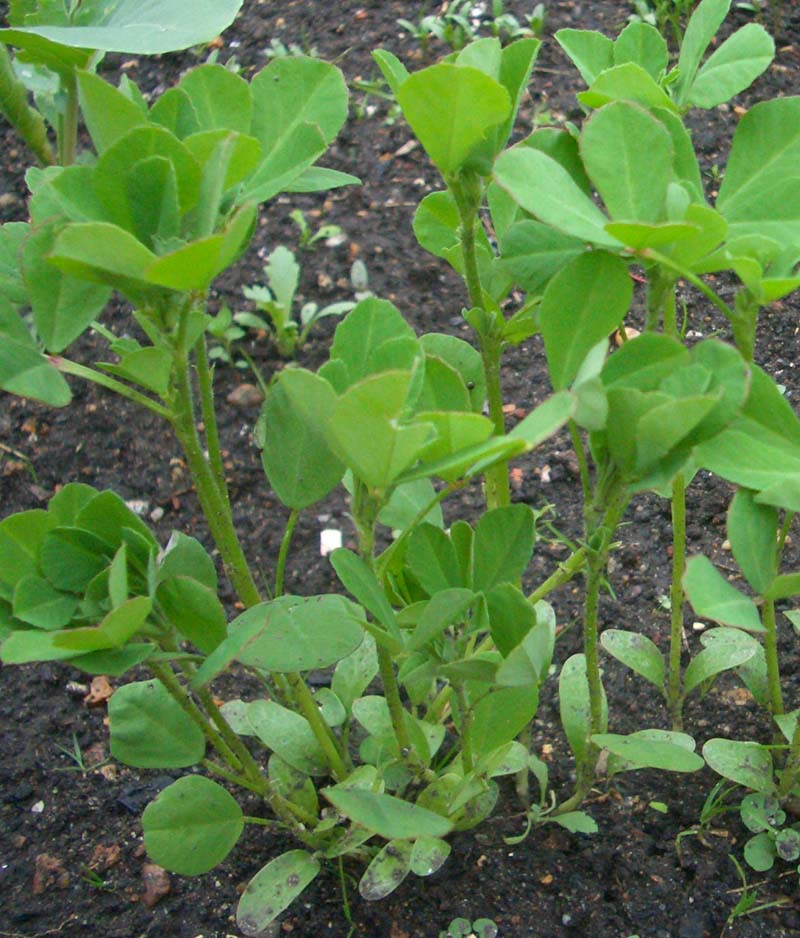 🇮🇳 India and 5 moreFenugreekحلبة (hilba)
The cuboid seed of an annual legume, prized for its bitter warmth and maple aroma.Seed · Bitter · Warm and sweet-spiced
🇮🇳 India and 5 moreFenugreekحلبة (hilba)
The cuboid seed of an annual legume, prized for its bitter warmth and maple aroma.Seed · Bitter · Warm and sweet-spiced
 🇮🇳 India and 5 moreSesame
The drought-hardy seed of a flowering plant, prized for its oil and nutty taste.Seed · Warm and sweet-spiced
🇦🇹 Austria and 5 moreCaraway
The crescent-shaped fruit of a carrot-family plant, used to flavour rye bread and spirits.Seed · Sharp and pungent · Anise and liquorice
🇮🇳 India and 5 moreSesame
The drought-hardy seed of a flowering plant, prized for its oil and nutty taste.Seed · Warm and sweet-spiced
🇦🇹 Austria and 5 moreCaraway
The crescent-shaped fruit of a carrot-family plant, used to flavour rye bread and spirits.Seed · Sharp and pungent · Anise and liquorice
 🇮🇳 India and 5 moreMustard seed
Tiny seeds from three Brassica plants that create pungent condiments and cooking oil.Seed · Hot and fiery · Sharp and pungent
🇮🇳 India and 5 moreMustard seed
Tiny seeds from three Brassica plants that create pungent condiments and cooking oil.Seed · Hot and fiery · Sharp and pungent
Photo credits on this page
The small pictures above come from Wikimedia Commons under free licences. Some are cropped to fit.
- Karashi: yoppy, CC BY 2.0, source
- Paprika: Takkk, CC BY-SA 3.0, source
- Garlic powder: John Phelan, CC BY-SA 3.0, source
- Caraway: Slick, CC0, source
- Sicilian sumac: Dedda71, CC BY-SA 3.0, source
- Cumin: Sanjay Acharya, CC BY-SA 3.0, source
- Mustard seed: Novalis at en.wikipedia, CC BY-SA 3.0, source
- Annatto: Porto Neto, CC BY-SA 4.0, source
- Poppy seed: Odedr, Public domain, source
- Khao khua: Isan1985, CC0, source
- Mustard: Rainer Zenz, CC BY-SA 3.0, source
- Fenugreek: Yak, CC BY-SA 3.0, source
- Sesame: Anna Frodesiak, CC0, source
- Fennel: Elekes Andor, CC BY 4.0, source
- Sansho: Didier Descouens, CC BY-SA 4.0, source
- Amchoor: Miansari66, Public domain, source
- Mustard seed: Pancrat, CC BY-SA 3.0, source
- Garden cress: Unknown author, CC BY-SA 3.0, source
- Lovage: 4028mdk09, CC BY-SA 3.0, source
- Black cumin: AndreHolz at English Wikipedia, CC BY-SA 3.0, source